

If you’ve ever felt like the first year of marriage is both exhilarating and exhausting, you’re not alone. Many couples enter this phase with starry-eyed optimism, only to face unexpected challenges that test their bond. Psychologists often refer to this period as the “adjustment phase,” where two individuals navigate the shift from “me” to “we.” The habits, expectations, and emotional patterns established during this critical year often set the tone for the rest of the marriage. Whether you’re newlywed or reflecting on your early years together, understanding why this phase is so pivotal can help you build a stronger, more resilient relationship.
The Psychology Behind the First-Year Hurdles
From a psychological standpoint, the first year of marriage is a crucial adaptation period. Research shows that couples experience a significant drop in marital satisfaction during this time, often due to unmet expectations, financial stress, or differences in communication styles. The “honeymoon phase” may fade, revealing deeper compatibility issues that weren’t as apparent during dating. Dr. John Gottman’s studies emphasize that how couples handle conflict in this stage—whether with criticism or curiosity—can predict long-term success. The brain is also rewiring itself to adjust to this new lifelong commitment, which can trigger both emotional highs and lows.

Common Challenges Newlyweds Face (And How to Overcome Them)
Every couple’s journey is unique, but certain struggles are almost universal. Financial disagreements top the list, especially when merging incomes or dealing with debt. Others grapple with division of household labor, where unspoken assumptions lead to resentment. Then there’s the identity shift—learning to balance “partner” with “individual” desires. For example, Sarah and Mark nearly divorced after six months because Mark assumed Sarah would handle all cooking (like his mother did), while Sarah felt her career ambitions were being ignored. The solution? Proactive communication and negotiated compromises. Weekly “check-ins” to discuss needs and frustrations can prevent small issues from becoming deal-breakers.

The Power of Emotional Validation
One of the most transformative tools in early marriage is validation—acknowledging your partner’s feelings even when you don’t fully understand them. Psychology shows that feeling heard reduces defensiveness and fosters intimacy. Instead of saying, “You’re overreacting about the dishes,” try, “I see that this matters to you, and I want to understand why.” Real-life example: When David forgot their anniversary, Mia didn’t just vent anger—she shared how it made her feel unimportant. David then explained his work stress and planned a make-up date. This exchange strengthened their bond because both prioritized emotional connection over being “right.”
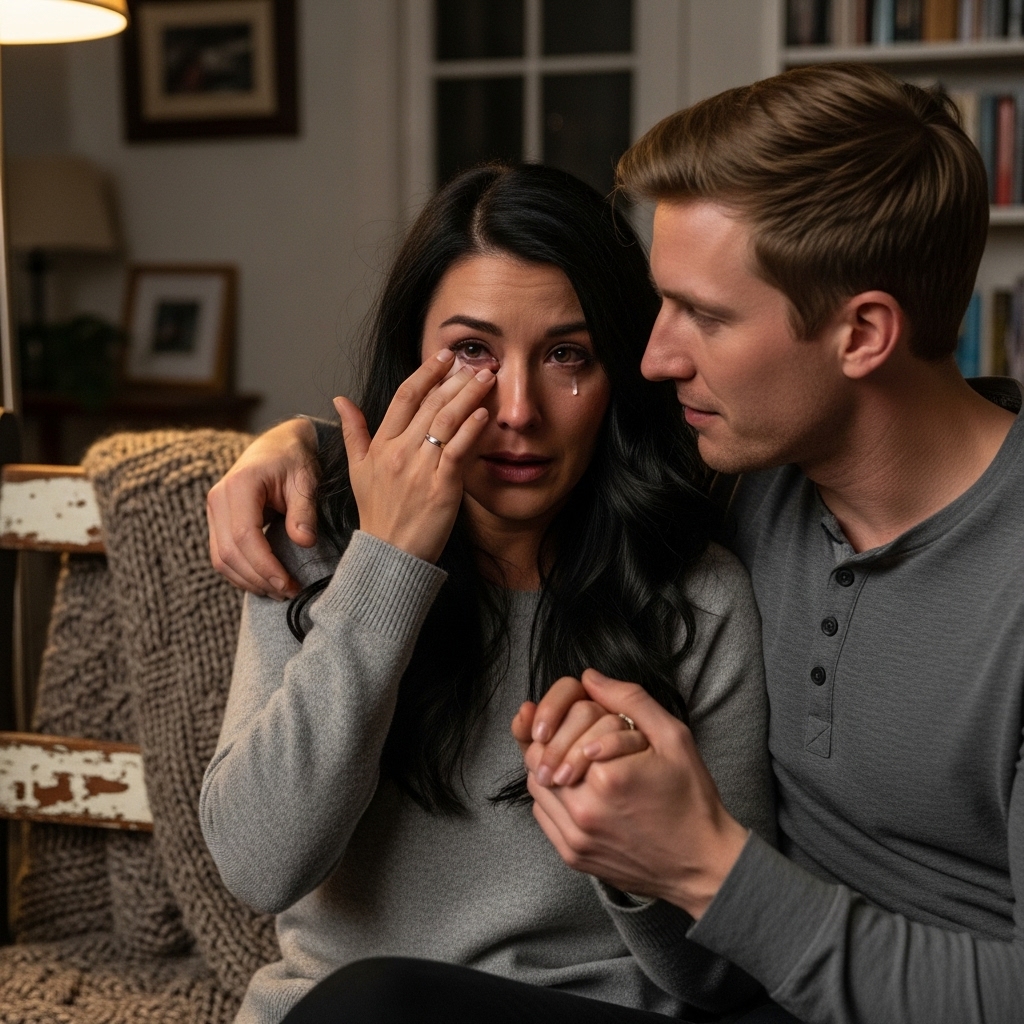
Self-Reflection: Are You Growing Together or Apart?
Take a moment to ask yourself: Do our daily interactions build trust or create distance? Small habits—like phone use during meals or avoiding tough conversations—add up. Psychologists recommend this exercise: Each partner writes down three personal goals and three relationship goals. Compare lists. Are you supporting each other’s growth? For instance, if one values fitness and the other prioritizes career, could you workout together on weekends or discuss work challenges during walks? Marriage thrives when both individuals feel empowered within the union, not stifled by it.

When to Seek Help (And Why It’s a Strength)
Contrary to myth, seeking couples therapy early doesn’t mean your marriage is failing—it means you’re investing in its foundation. Warning signs include constant criticism, emotional withdrawal, or recurring arguments about the same issue. A therapist can provide neutral ground to explore deeper patterns. For example, Jake and Lena realized their fights about “time management” were really about Jake’s fear of abandonment (from childhood) and Lena’s need for autonomy. Therapy helped them reframe these triggers as teamwork opportunities rather than threats.

Rituals That Build Lasting Connection
Successful couples create intentional rituals that reinforce their bond. This could be a morning coffee chat, a monthly “adventure day,” or a gratitude practice before bed. Psychological studies highlight that these routines create a sense of safety and predictability. One couple, Maya and Ryan, credited their “Sunday night pizza and planning session” with saving their marriage—it became a space to air concerns and dream together without distractions. The key is consistency and mutual enjoyment.
The first year of marriage isn’t about perfection—it’s about laying a foundation of trust, adaptability, and shared purpose. Every challenge you navigate together during this time is an opportunity to deepen your connection. Remember, even the strongest marriages were once two people figuring it out one day at a time. By approaching this phase with patience, self-awareness, and a commitment to growth, you’re not just surviving the first year—you’re setting the stage for a lifetime of love.

