

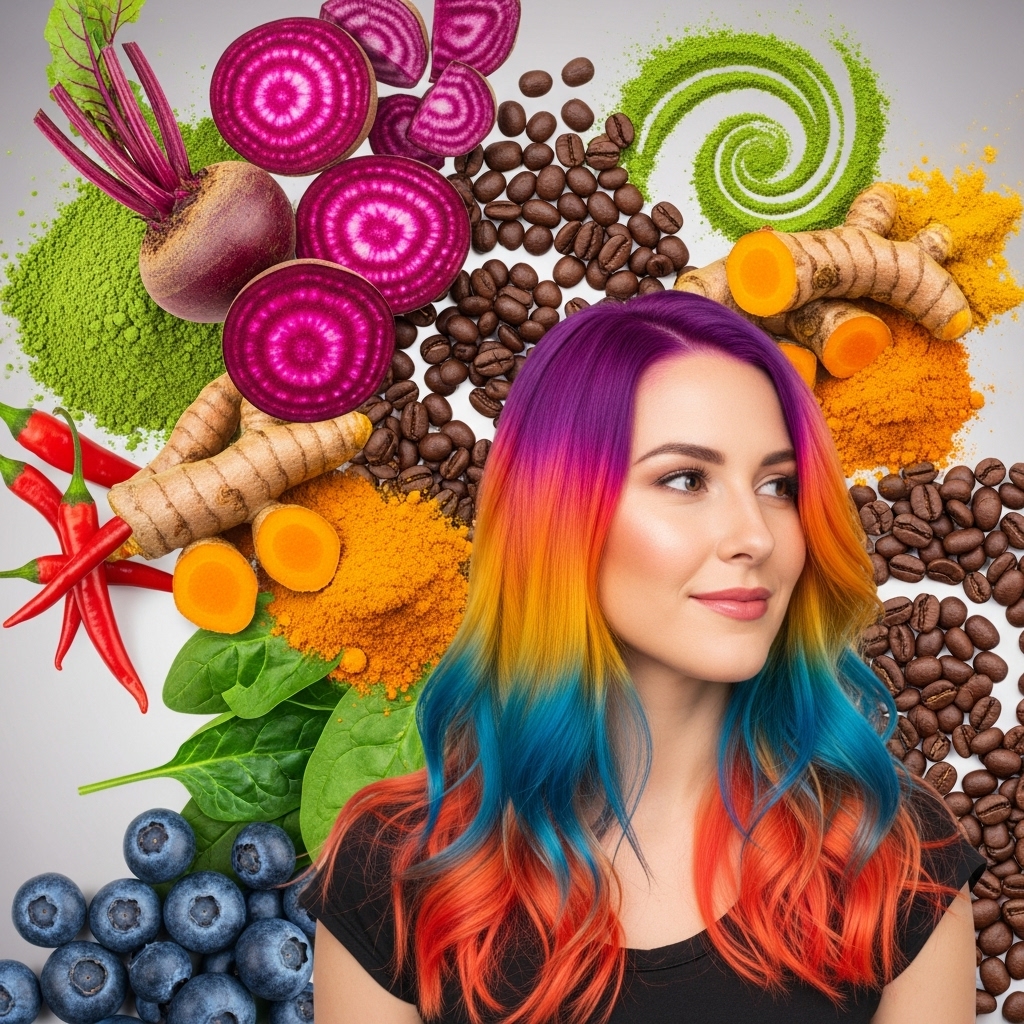
Have you ever wished for a salon-quality hair color without the harsh chemicals or expensive treatments? Believe it or not, your kitchen holds the secret to gorgeous, natural hair hues! Using everyday food items, you can achieve stunning, professional-looking hair color at home—safely, affordably, and with zero synthetic additives.
In this guide, we’ll explore the best food-based dyes, step-by-step application methods, and expert tips to help you transform your hair naturally. Whether you want rich brunette tones, golden highlights, or even bold reds, nature has you covered!
Why Use Food for Hair Coloring?
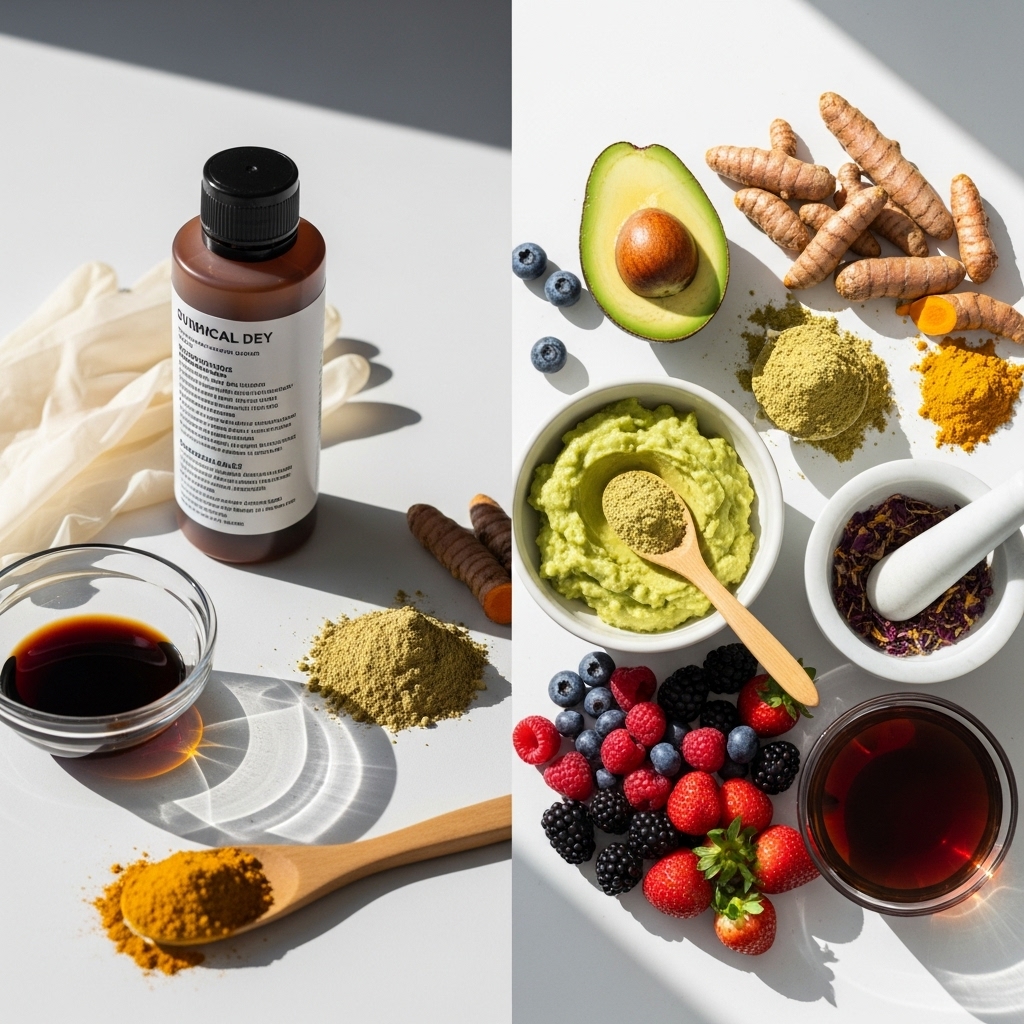
Chemical hair dyes often contain ammonia, parabens, and synthetic pigments that can damage your hair and scalp over time. In contrast, food-based coloring offers a gentle, nourishing alternative packed with vitamins and antioxidants.
Here’s why food dyes are a game-changer:
- No harsh chemicals – Safe for sensitive scalps and frequent use.
- Deep conditioning benefits – Ingredients like coconut oil and honey add moisture.
- Budget-friendly – Uses affordable pantry staples.
- Eco-conscious – Reduces chemical runoff and plastic waste.
Best Food Items for Natural Hair Color
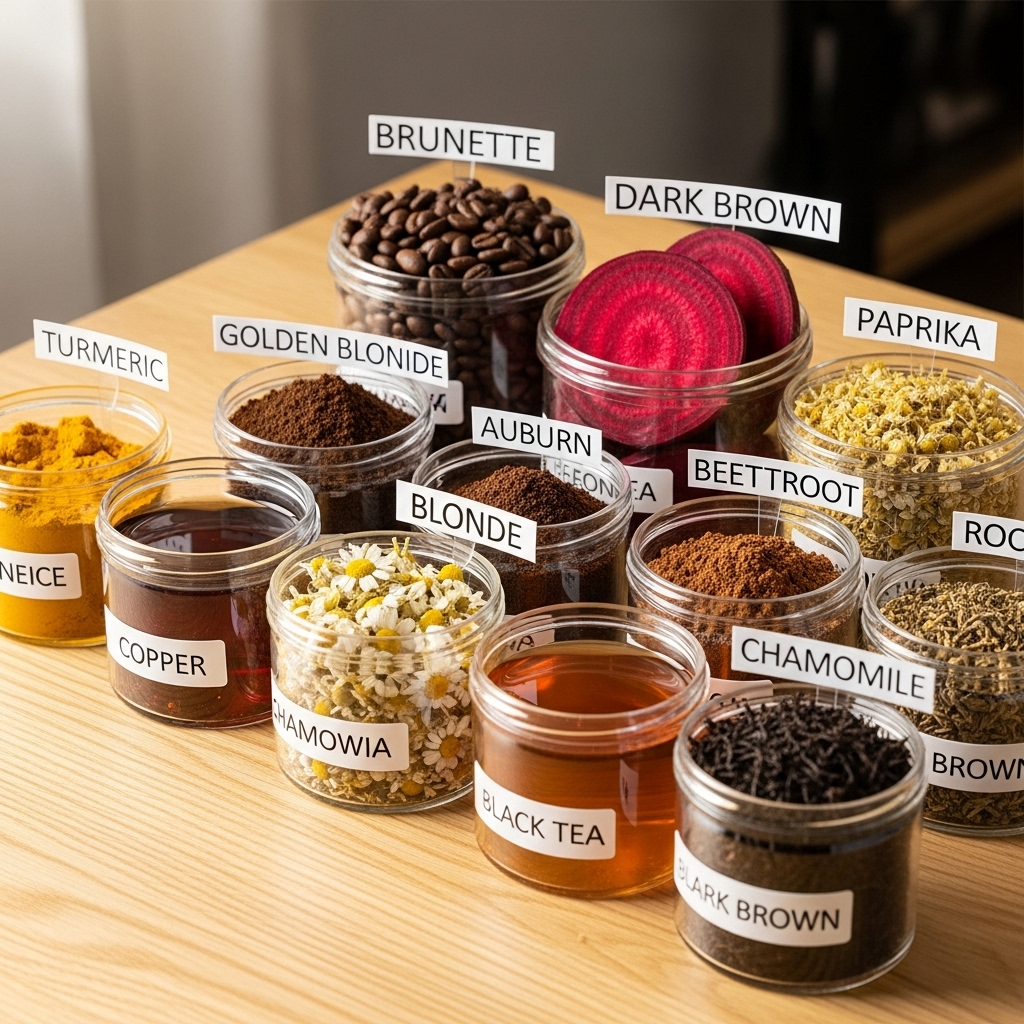
Different foods produce varying shades, so choose based on your desired result. Here are the top options:
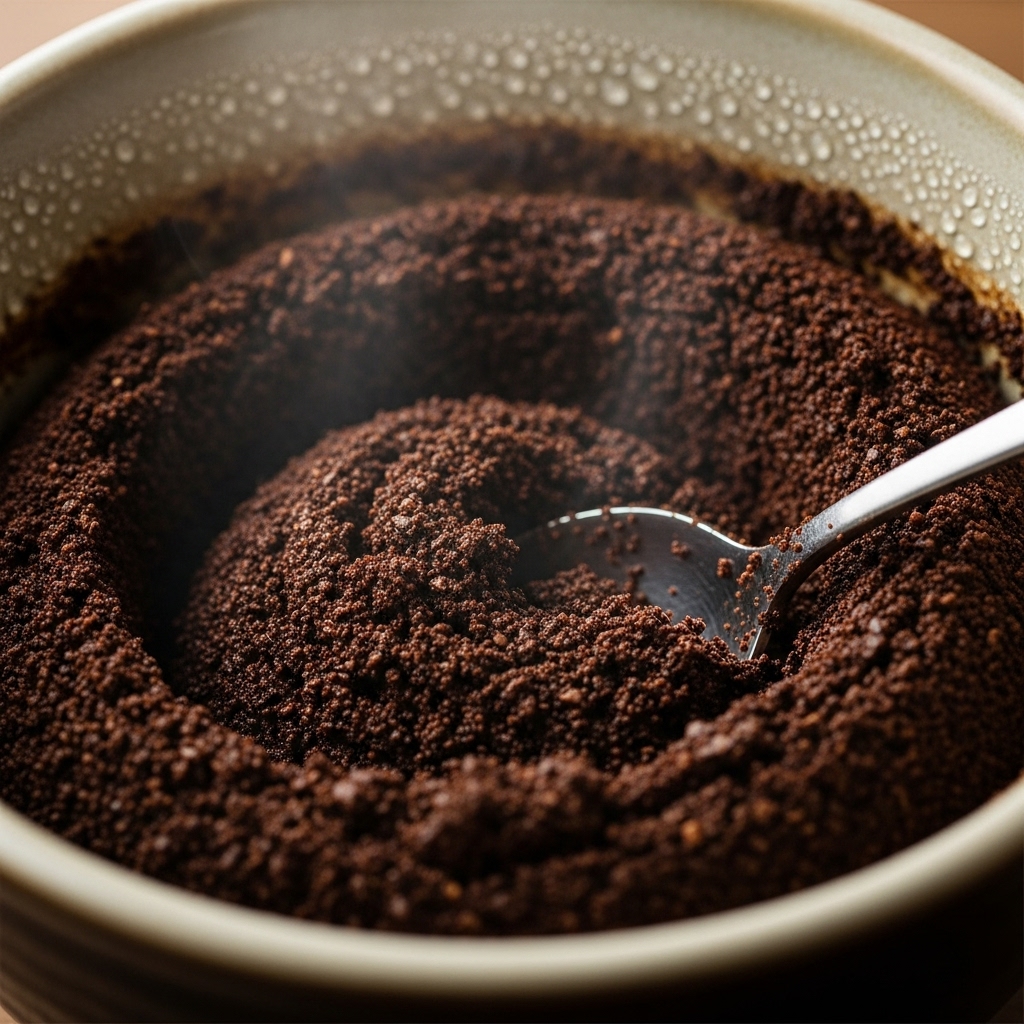
1. Coffee – Deep Brunette Tones
Brewed coffee isn’t just a morning pick-me-up—it’s a fantastic dye for darkening brown hair or covering grays. The natural tannins add richness without dryness.
How to use: Mix 2 cups of strong brewed coffee with 1 tbsp coconut oil. Apply to damp hair, leave for 1 hour, then rinse.
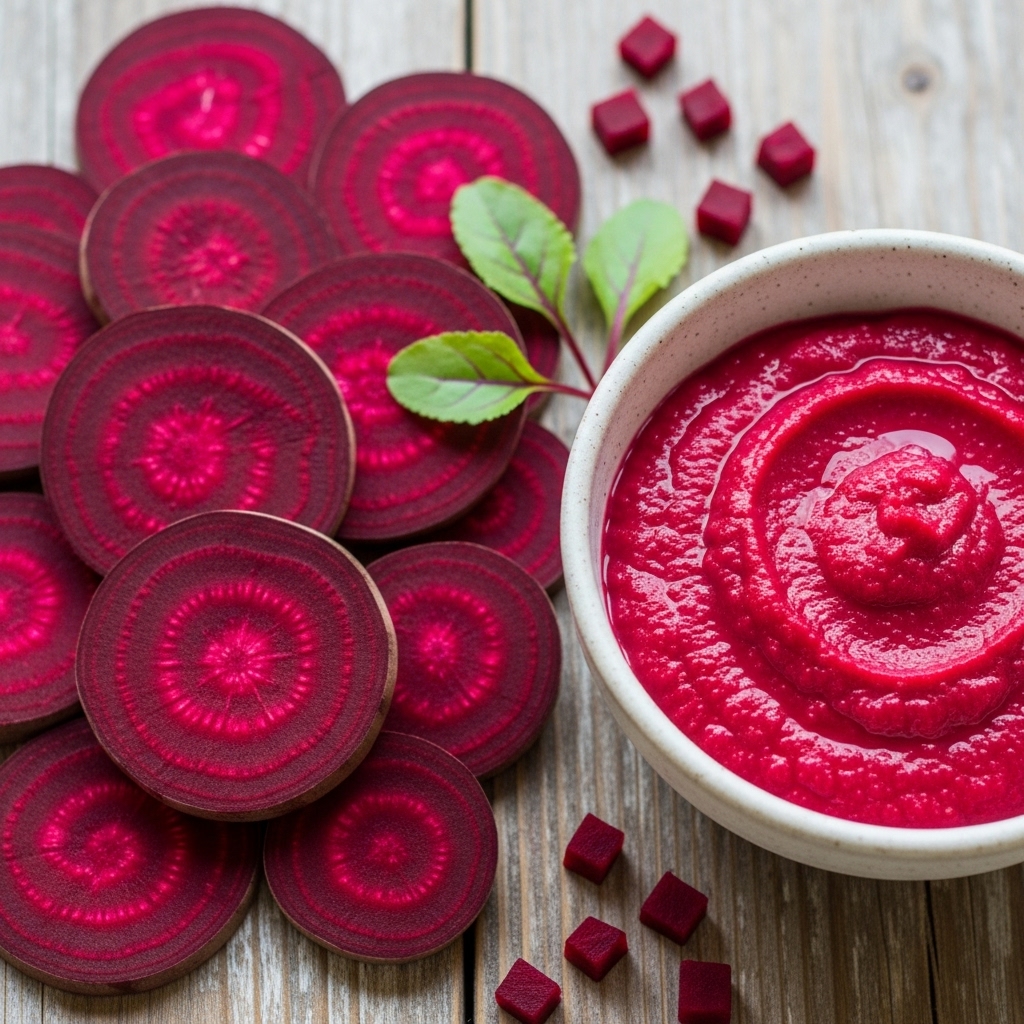
2. Beetroot & Carrot – Vibrant Reds
For fiery red or auburn shades, beetroot and carrot juice are your best allies. Beetroot delivers a bold magenta tint, while carrot juice offers softer copper tones.
How to use: Blend 3 beetroots (or 4 carrots) with 1 tbsp olive oil. Coat hair evenly, wrap in a shower cap, and rinse after 60 minutes.
3. Turmeric – Golden Blonde Highlights
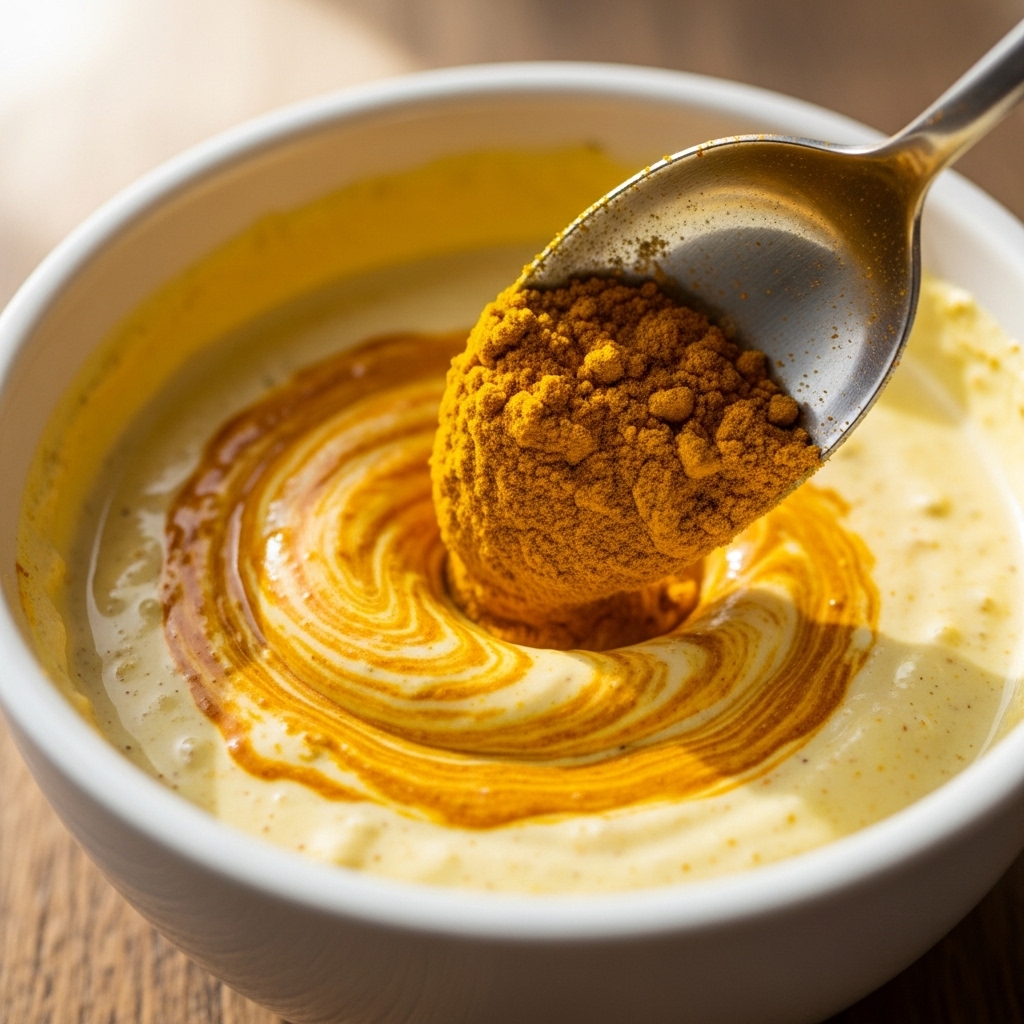
Turmeric’s vibrant yellow pigment can brighten blonde or light brown hair with sunny, golden undertones. It also has anti-inflammatory benefits for the scalp.
How to use: Create a paste with 3 tbsp turmeric, ½ cup yogurt, and 1 tsp honey. Apply for 30-45 minutes before washing out.
4. Chamomile Tea – Subtle Lightening
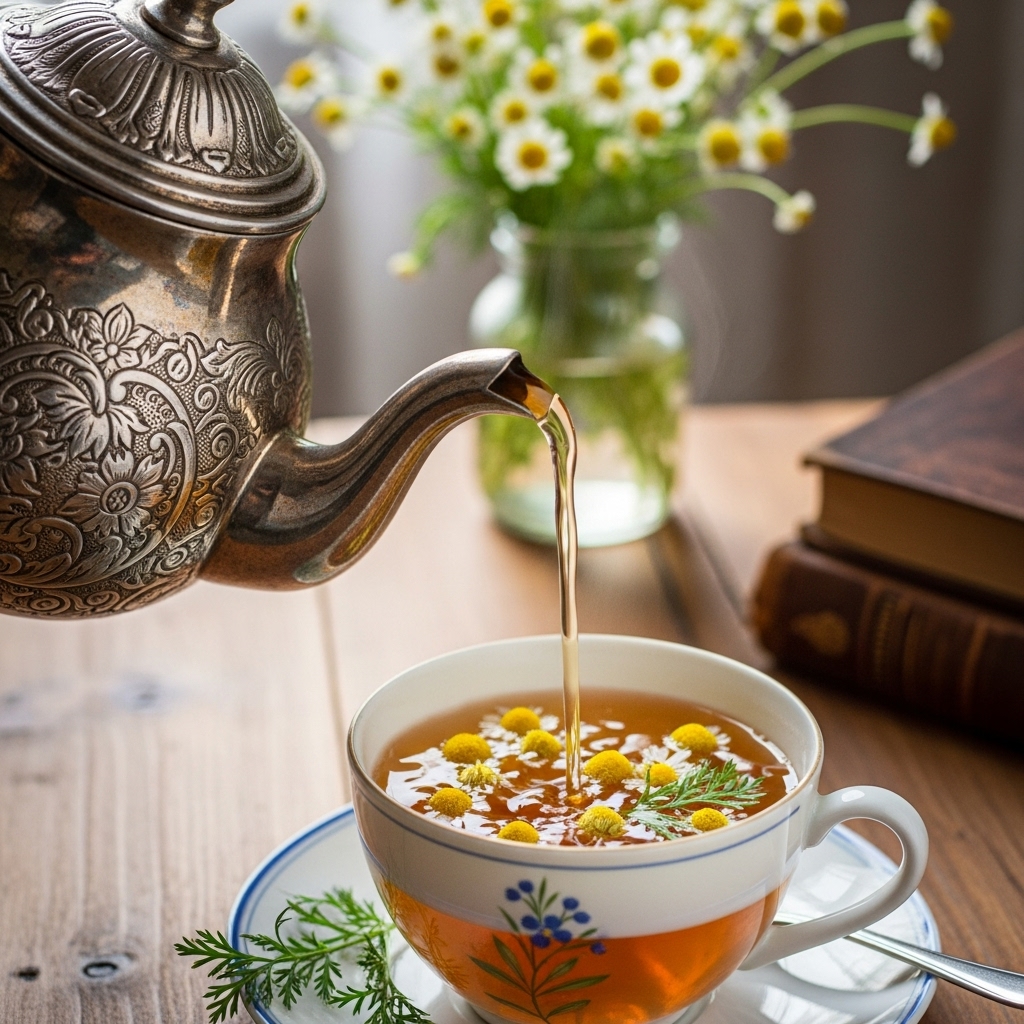
Chamomile is a gentle, gradual lightener for blonde hair, enhancing natural highlights with a sun-kissed effect.
How to use: Steep 5 chamomile tea bags in 2 cups hot water. Cool, then pour over hair as a rinse after shampooing (no rinse out).
Pro Tips for Long-Lasting Results
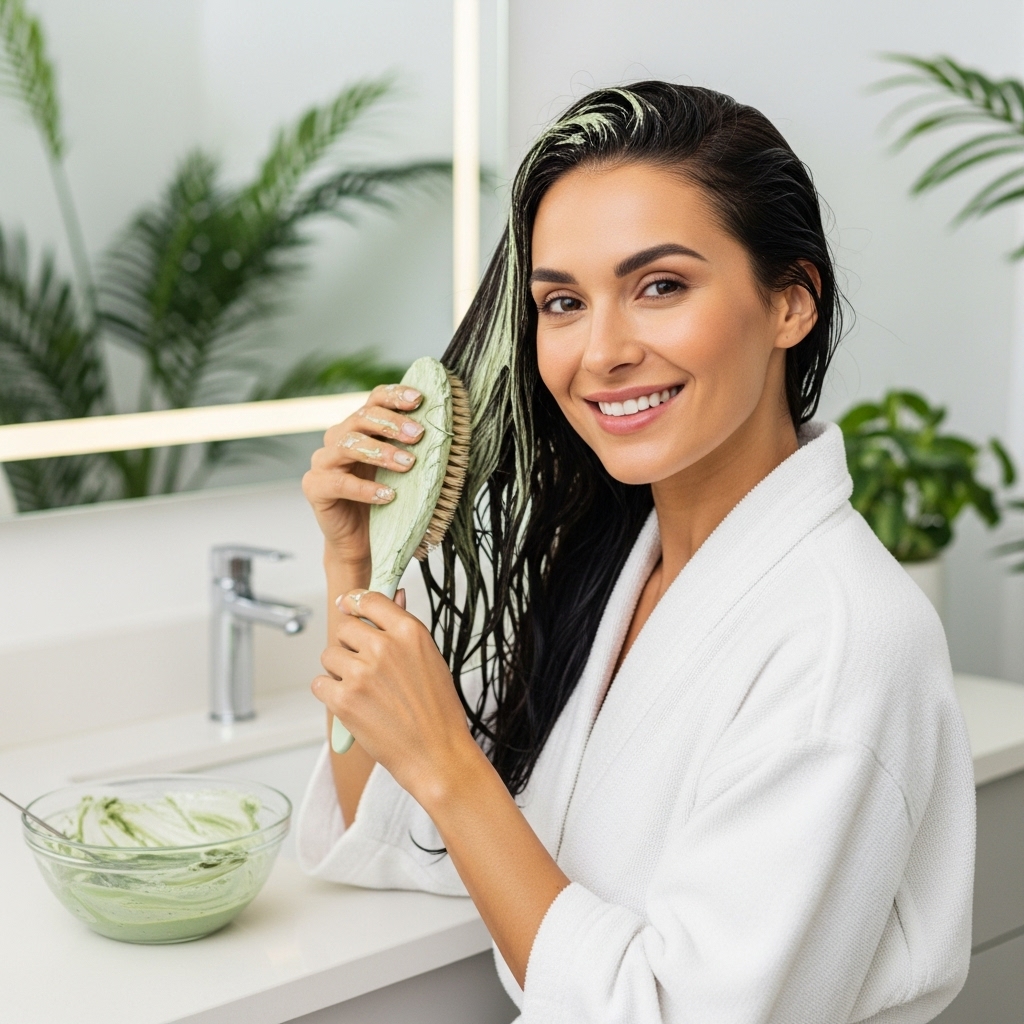
To maximize color payoff and longevity, follow these expert-approved tips:
- Pre-lighten for bold shades: If you have dark hair, rinse with apple cider vinegar (1:3 ratio with water) to open cuticles before dyeing.
- Use heat for intensity: Sit in the sun or use a warm towel wrap to help the color penetrate deeper.
- Maintain with cold water: Rinse dyed hair with cool water to seal the color.
- Reapply weekly: Natural dyes fade faster than chemicals, so touch up every 7-10 days.
Common Mistakes to Avoid
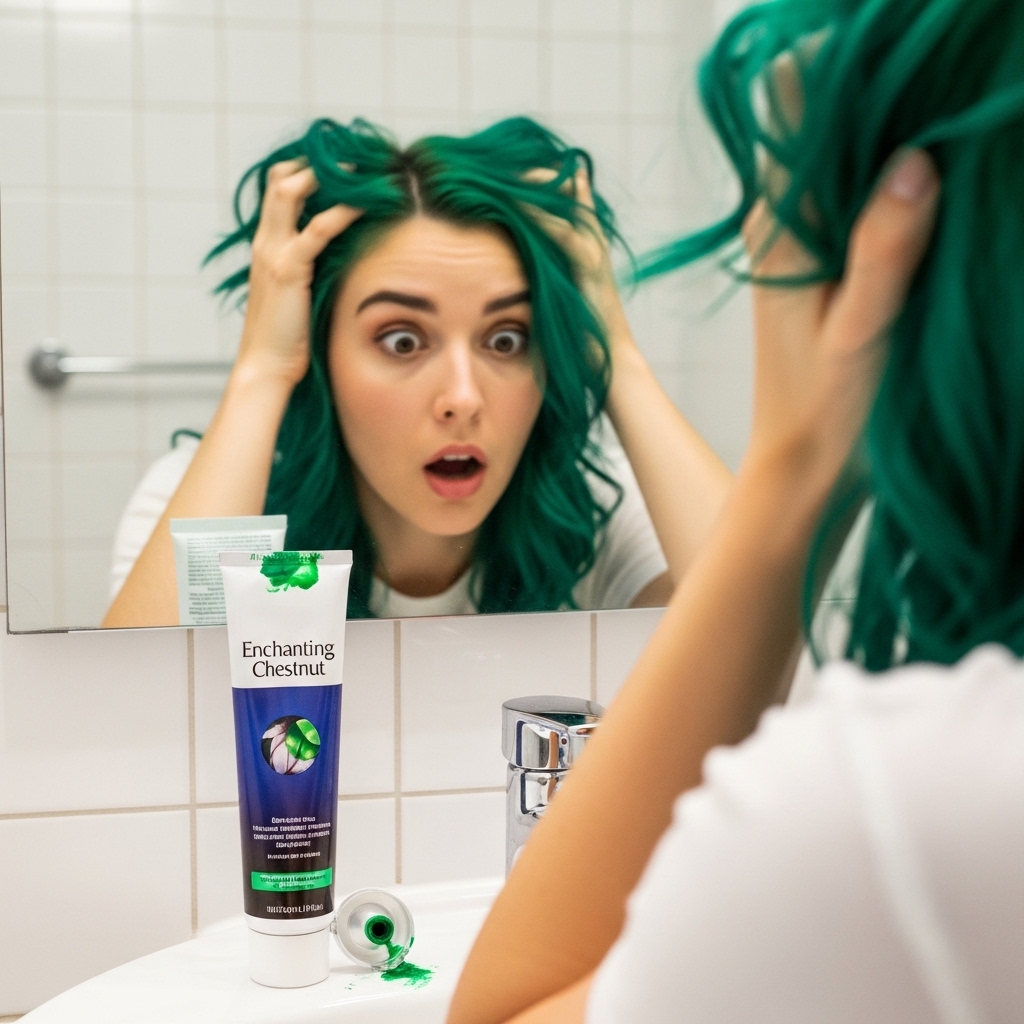
While food dyes are forgiving, these missteps can lead to less-than-ideal results:
- Overdoing turmeric: Too much can leave a temporary yellow tint on pale skin or light hair.
- Skipping strand tests: Always test a small section first to check color outcome.
- Using acidic mixes on dry hair: Lemon juice can be drying—always mix with oils or yogurt.
Final Thoughts
Dyeing your hair with food isn’t just a trend—it’s a return to simpler, healthier beauty rituals. Whether you’re avoiding chemicals, saving money, or just experimenting, these kitchen ingredients offer endless creative possibilities.

