
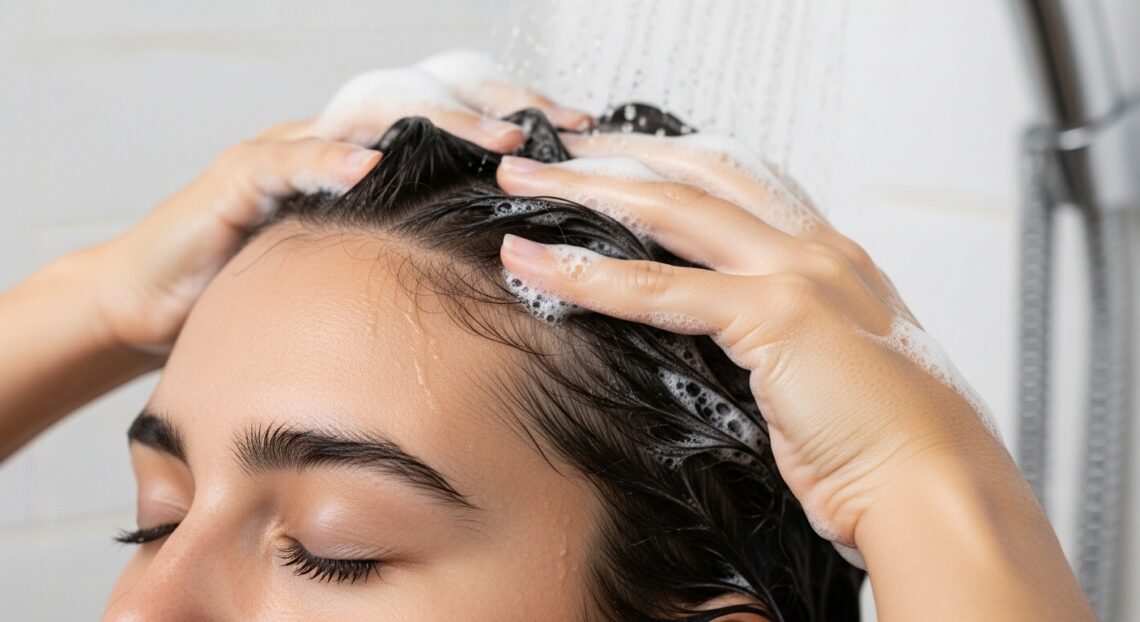
An oily scalp can be frustrating—leaving your hair looking greasy, limp, and in need of constant washing. But harsh shampoos that strip away oil can backfire, leading to overproduction of sebum and even drier ends. The key is finding a balance that keeps your scalp healthy without compromising your hair’s natural moisture.
In this guide, we’ll explore the causes of an oily scalp and share gentle, effective solutions to keep grease at bay while maintaining soft, nourished hair.

Why Does My Scalp Get So Oily?
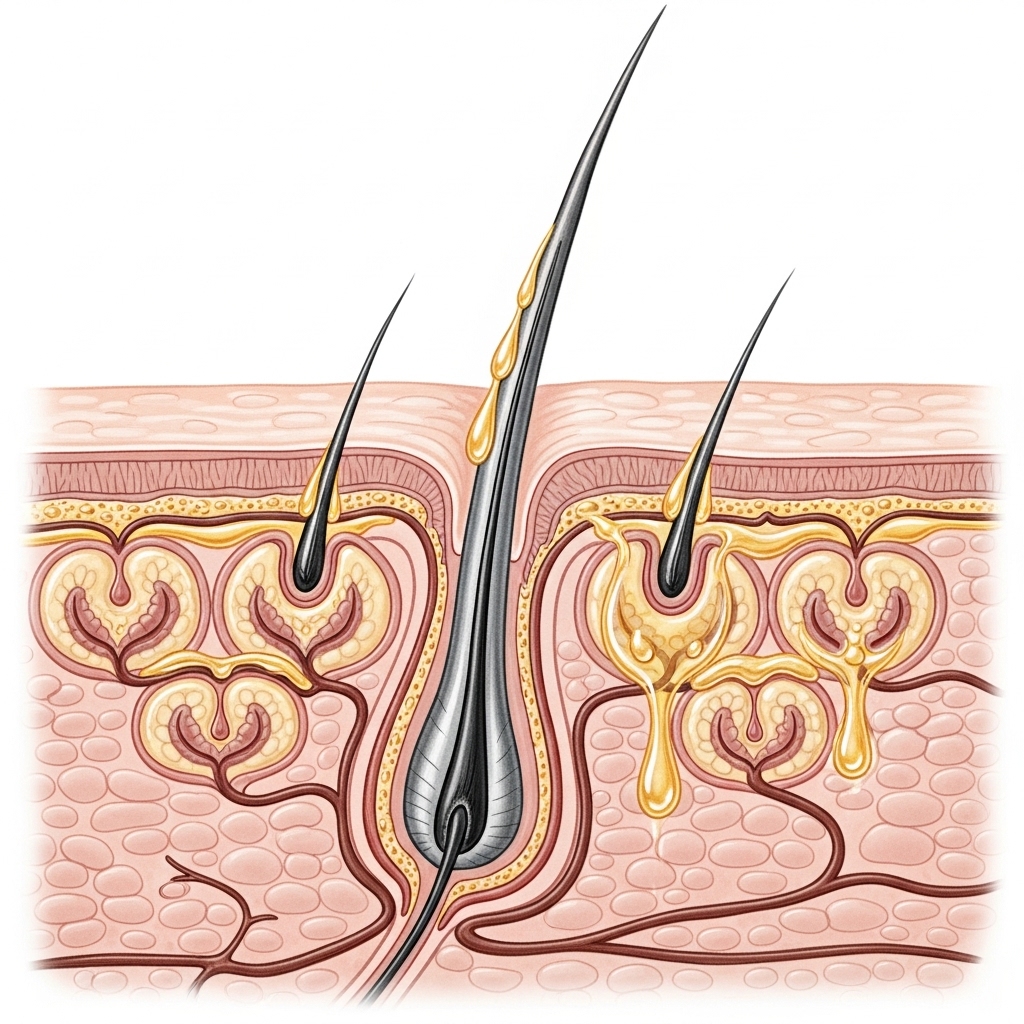
Sebum, the natural oil produced by your scalp, is essential for keeping hair hydrated and protected. However, when overproduction occurs, it leads to that dreaded greasy look. Common causes include:
- Overwashing: Stripping your scalp of oil too often can trigger rebound oiliness.
- Hormonal fluctuations: Puberty, pregnancy, or stress can increase sebum production.
- Wrong hair products: Heavy conditioners or silicones can weigh hair down.
- Genetics: Some people naturally produce more oil than others.
Understanding the root cause helps in choosing the right approach to manage oiliness without harming your hair.
Best Shampooing Practices for Oily Scalp
Washing your hair the right way makes a huge difference. Here’s how to cleanse effectively without over-drying:
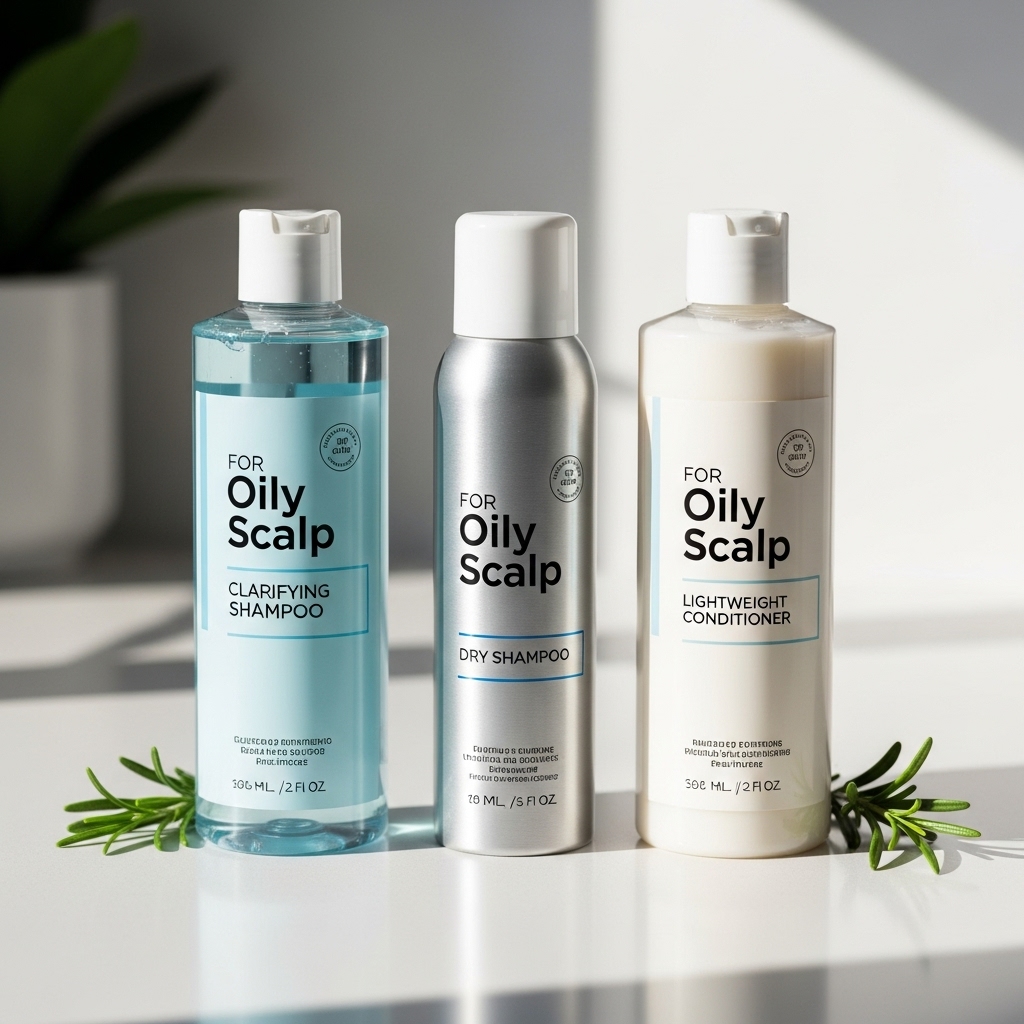
1. Use a sulfate-free clarifying shampoo: Harsh sulfates strip too much oil, leading to rebound grease. Opt for a gentle yet effective formula.
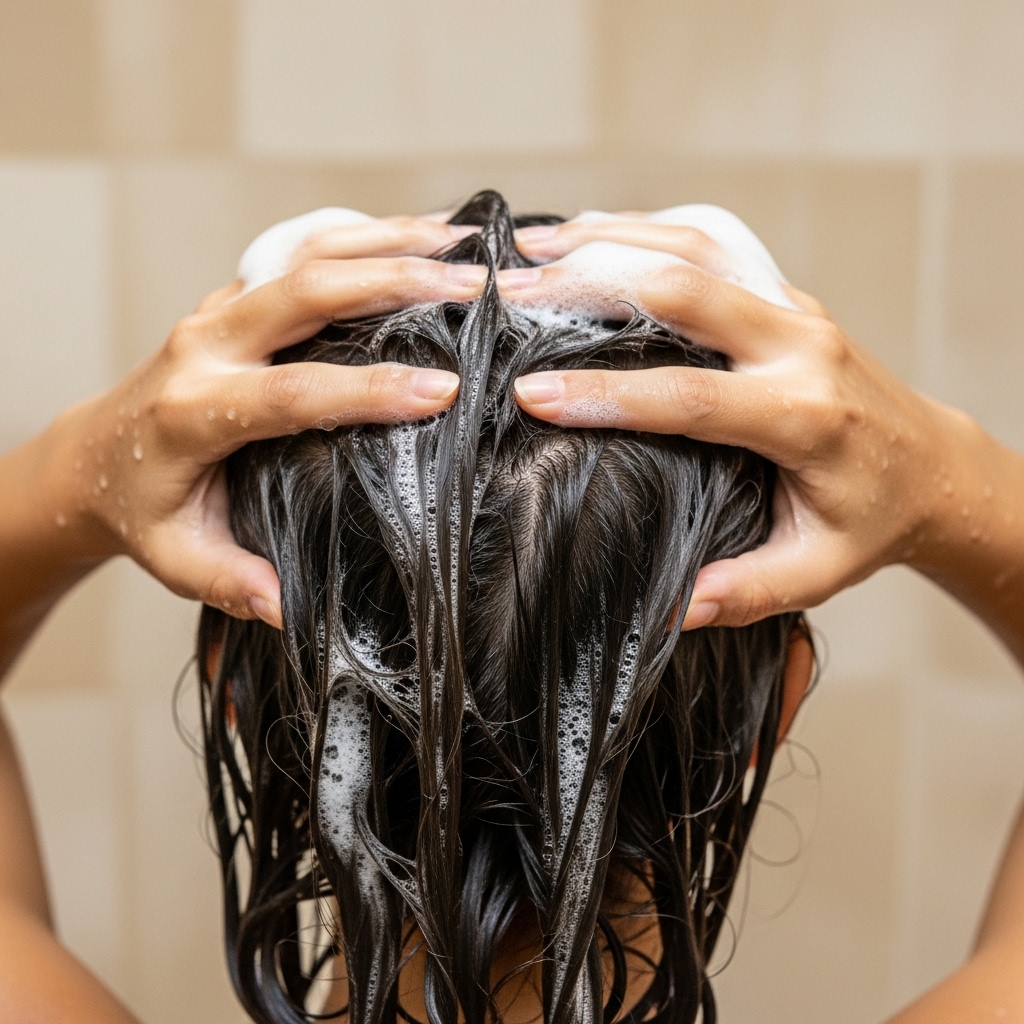
2. Focus on the scalp: Apply shampoo primarily to your roots, massaging in circular motions to lift excess oil and buildup.
3. Rinse with lukewarm water: Hot water can stimulate oil production, so stick to a moderate temperature.
4. Avoid over-washing: Washing daily can worsen oiliness. Try extending washes gradually to every other day or longer.
Natural Remedies to Balance Scalp Oil
If you prefer a more natural approach, these remedies help regulate sebum without harsh chemicals:
Apple cider vinegar rinse: Dilute 1-2 tablespoons of ACV in water and apply after shampooing. It helps balance pH and reduce oiliness.
Aloe vera gel: Soothes the scalp and controls excess oil when applied before washing.
Tea tree oil: A few drops mixed with a carrier oil (like jojoba) can help regulate sebum production.
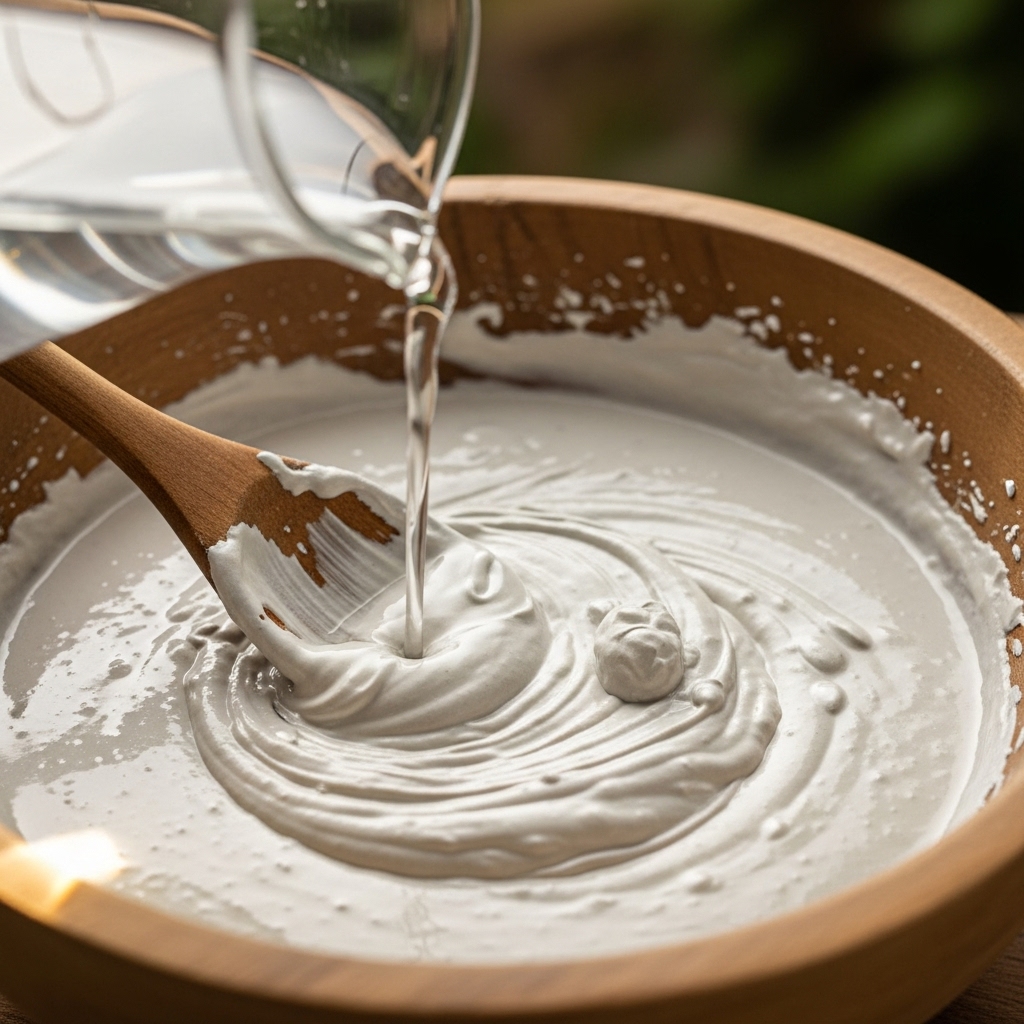
Clay masks: Bentonite or kaolin clay absorbs excess oil when used as a weekly treatment.
Choosing the Right Hair Products
Your styling products play a big role in managing oiliness. Look for:
Lightweight conditioners: Apply only to mid-lengths and ends to avoid greasy roots.
Oil-free serums: Avoid heavy silicone-based products that can weigh hair down.
Dry shampoo: A lifesaver between washes—opt for a non-aerosol, natural formula.
Volumizing sprays: Add texture and lift at the roots to reduce flatness.
Lifestyle Tips to Reduce Scalp Oiliness
Beyond hair care, daily habits influence oil production:
Diet: Reduce processed foods and sugars, which can trigger excess sebum.
Hydration: Drinking enough water helps regulate oil production.
Stress management: High stress increases cortisol, leading to oilier hair.
Pillowcase hygiene: Wash silk or satin pillowcases weekly to prevent oil transfer.

When to See a Dermatologist
If your oily scalp persists despite trying these methods, consult a dermatologist. Conditions like seborrheic dermatitis or hormonal imbalances may require medical treatment.
Persistent oiliness, flaking, or itching could indicate an underlying issue that needs professional care.

Final Thoughts
Managing an oily scalp doesn’t mean stripping your hair of its natural oils. By adopting gentle cleansing routines, natural remedies, and the right products, you can keep grease under control while maintaining healthy, balanced hair.
Experiment with these tips to find what works best for your hair type, and enjoy fresher, more voluminous locks without the constant need for washing!

