
Have you ever felt like your relationship is stuck on autopilot? You love your partner, but the spark of connection dims under the weight of daily routines, unspoken expectations, or unresolved frustrations. You’re not alone. Even the strongest relationships face moments where appreciation fades into the background—yet research shows that practicing gratitude is one of the most powerful tools for reigniting emotional intimacy. Appreciation isn’t just about saying “thank you”; it’s a transformative mindset that reshapes how partners see each other, fostering resilience against resentment and deepening trust. Let’s explore how small acts of recognition can rewrite the story of your long-term love.
Why Appreciation Is the Glue of Lasting Love
Psychologists have long studied the “negativity bias”—our brain’s tendency to focus on problems over positives. In relationships, this means a single criticism often outweighs a dozen compliments. But couples who consciously counteract this bias by nurturing appreciation create an emotional buffer against conflicts. A University of Georgia study found that partners who regularly expressed gratitude reported higher relationship satisfaction, even during stressful times. Why? Because feeling valued triggers the release of oxytocin (the “bonding hormone”), reducing defensiveness and making vulnerability feel safer.
The Two Layers of Appreciation: Surface and Depth
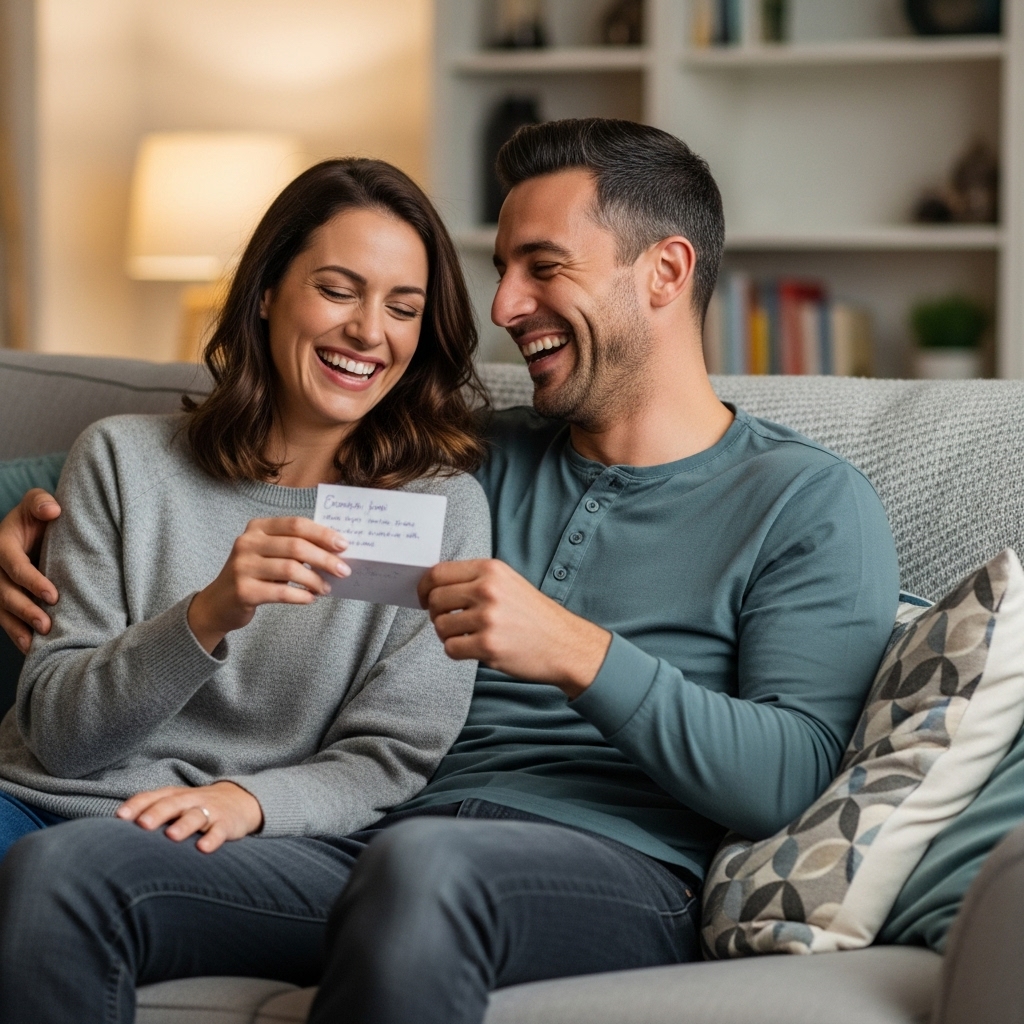
Appreciation operates on two levels. Surface-level appreciation includes acknowledging everyday efforts (“Thanks for making coffee this morning”). While important, deep appreciation—recognizing your partner’s core qualities (“I admire how patient you are with our kids”)—has far greater impact. Try this exercise: For one week, notice not just what your partner does, but who they are behind those actions. Journal three traits you cherish (e.g., their humor, integrity, or creativity) and share one each day.
Breaking the Invisibility Trap
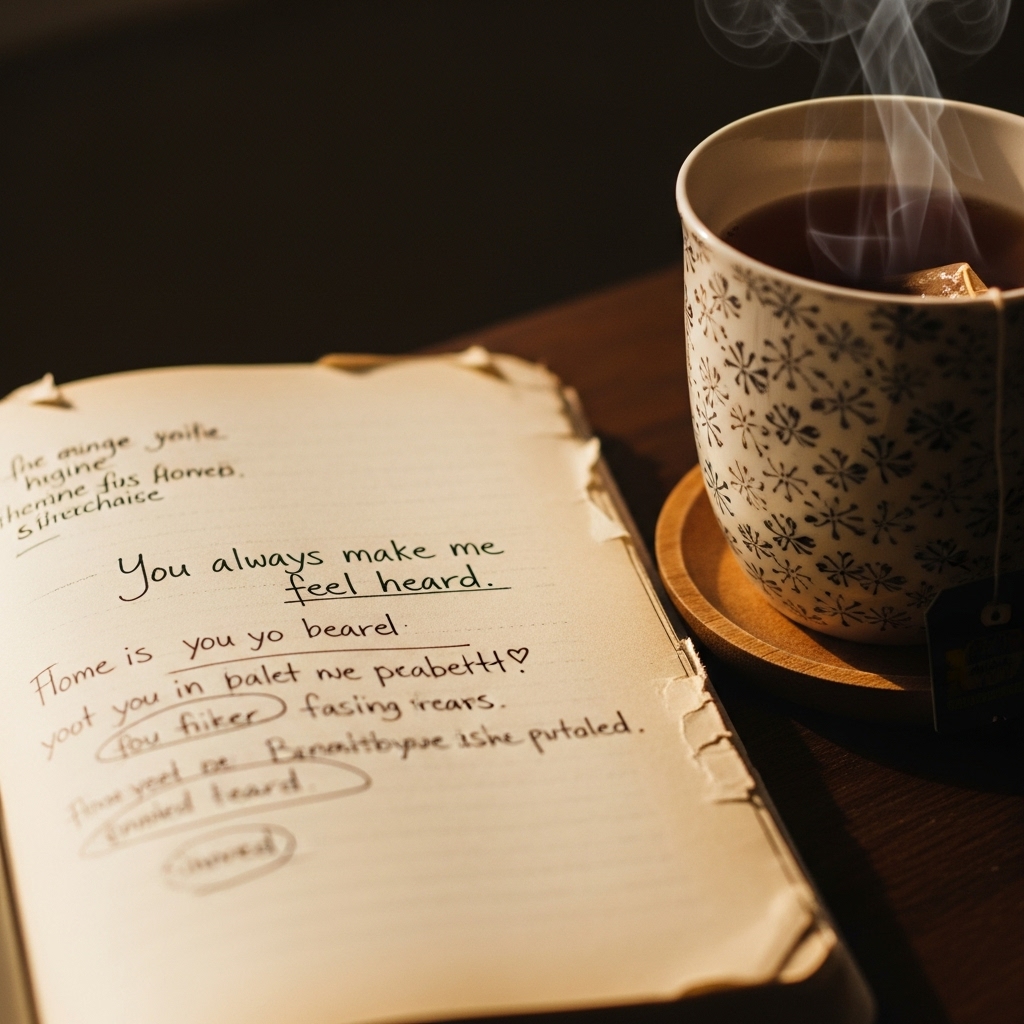
Many partners fall into what therapists call the “invisibility trap”—assuming love is understood rather than expressed. Consider Mark and Lena, married 12 years: “We stopped thanking each other for chores because ‘that’s just what adults do,’” Lena shared. “But when Mark said, ‘I see how hard you work to keep our home peaceful,’ I felt seen again.” The antidote? Specificity. Instead of “You’re great,” try, “The way you handled that tough conversation with your boss was so courageous.”

Appreciation as a Mirror for Self-Growth
Here’s a paradox: The traits we most appreciate in others often reflect unmet parts of ourselves. If you’re moved by your partner’s spontaneity, you might crave more playfulness in your own life. Use appreciation as a mirror—ask: “What does this admired quality teach me about my own needs or hidden strengths?” This shifts appreciation from external validation to mutual empowerment, reducing dependency on your partner to “complete” you.
When Appreciation Feels Hard: Navigating Emotional Blocks
What if resentment overshadows gratitude? First, normalize the struggle. Even happy couples have moments of irritation. Try this: Write down one small thing you can appreciate about your partner today, even if it’s mundane (“They remembered to water the plants”). Often, starting small rewires the brain to notice positives. For deeper wounds, consider: “Is my lack of appreciation masking unspoken hurt?” Sometimes, gratitude flows more freely after addressing underlying pain.

Rituals That Keep Appreciation Alive
Structure fosters consistency. Try these research-backed practices:
- The “Three Things” Dinner Rule: Share three things you appreciated about each other that day.
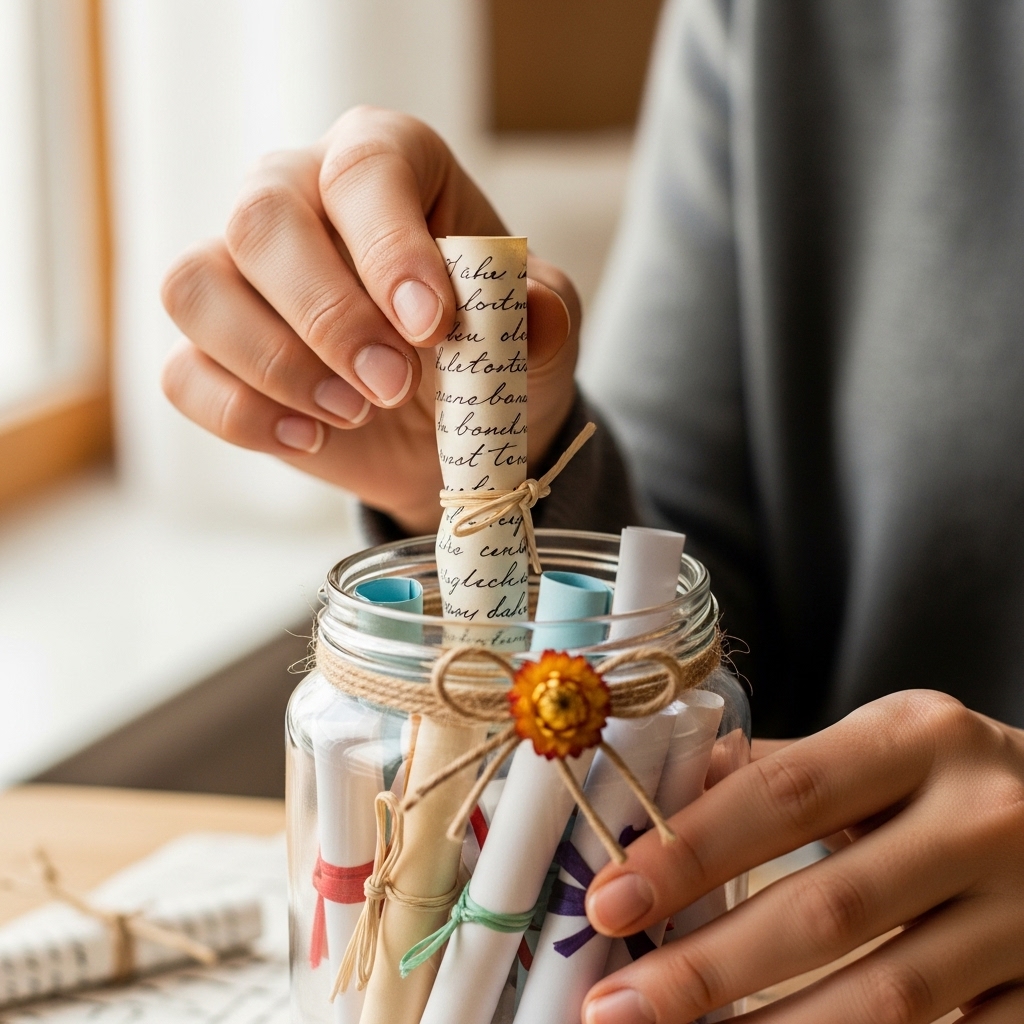
- Gratitude Jar: Drop notes about moments you felt grateful for your partner; read them together monthly.
- Appreciation Amplification: When your partner thanks you, pause and reflect their words back (“It means a lot that you noticed I stayed late to help”).
The Ripple Effect: How Appreciation Transforms Relationship Dynamics
Like tossing a pebble into a pond, appreciation creates waves. When one partner initiates gratitude, the other often reciprocates, creating a virtuous cycle. Over time, this builds what Dr. John Gottman calls an “emotional bank account”—a reservoir of goodwill that helps couples weather inevitable conflicts. Real-life example: When Jamie started thanking her wife for emotional support during her career change, her wife began expressing more admiration for Jamie’s resilience, deepening their teamwork.

Your Appreciation Action Plan
Ready to put this into practice? Start with these steps:
- Audit Your Language: Track how often you express appreciation vs. criticism for three days.
- Schedule “Noticing” Moments: Set phone reminders to pause and observe your partner’s positive actions.
- Get Creative: Leave a voice memo appreciating their laugh, or mail a postcard detailing a favorite memory.
The most enduring relationships aren’t those without conflicts, but those where partners continually choose to see and celebrate each other—flaws and all. Appreciation is the quiet revolution that turns ordinary moments into threads of connection, weaving a love story that grows richer with time. Start small, stay consistent, and watch how acknowledging the gift of your partner’s presence transforms not just your relationship, but your own capacity to love.

