

For many chemotherapy patients, hair loss is one of the most visible and emotionally challenging side effects of treatment. While losing hair can feel devastating, the good news is that hair typically regrows after chemotherapy ends. However, the regrowth process requires patience, care, and the right strategies to support healthy recovery.
In this comprehensive guide, we’ll explore proven hair recovery methods to help chemotherapy patients nurture regrowth, care for their scalp, and regain confidence as their hair returns. Whether you’re currently undergoing treatment or in recovery, these tips will help you support your hair’s natural healing process.
Understanding Chemotherapy-Related Hair Loss
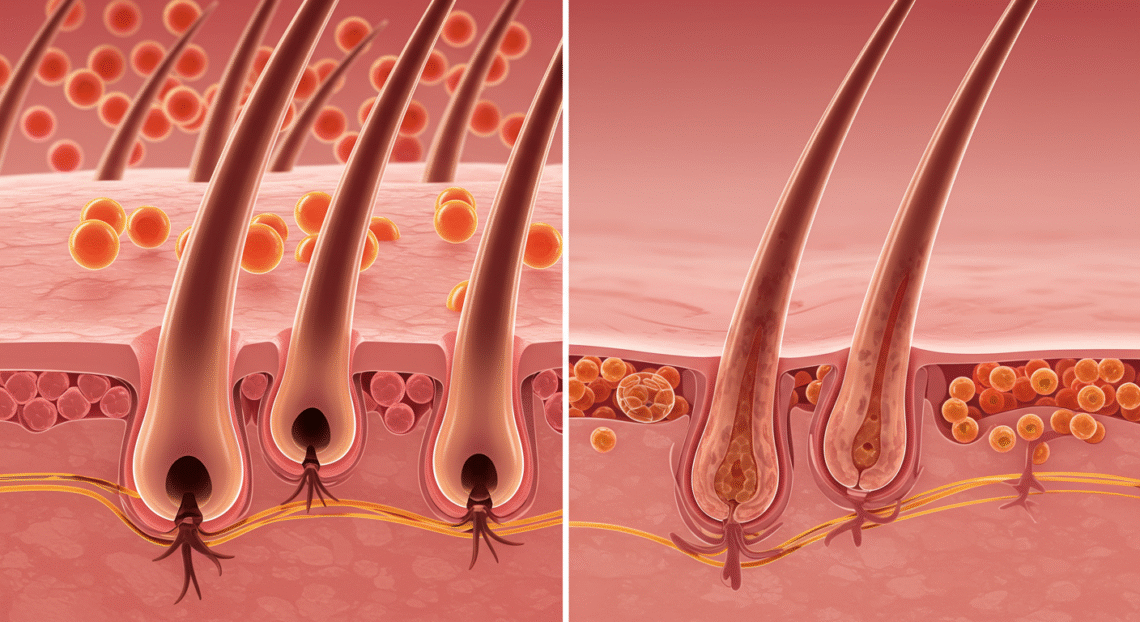
Chemotherapy drugs are designed to attack rapidly dividing cancer cells, but they also affect other fast-growing cells in the body – including hair follicles. This leads to hair loss (alopecia) that typically begins 2-4 weeks after starting treatment and may affect not just scalp hair but also eyebrows, eyelashes, and body hair.
The good news is that hair follicles aren’t permanently damaged by chemotherapy. Once treatment ends, the follicles can reactivate and begin producing new hair. However, the regrowth process varies from person to person in terms of timing, texture, and color.
The Hair Growth Timeline After Chemotherapy
Understanding what to expect can help manage expectations during the recovery period:
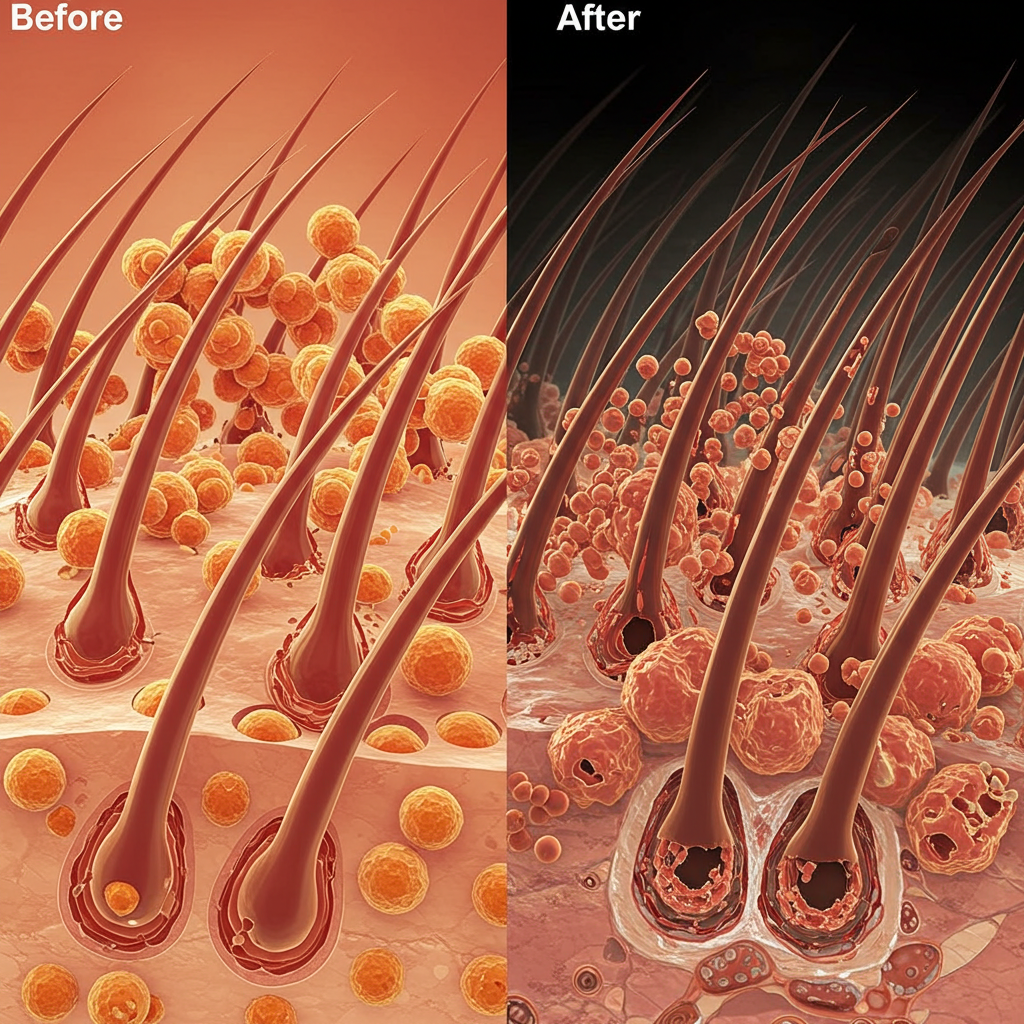
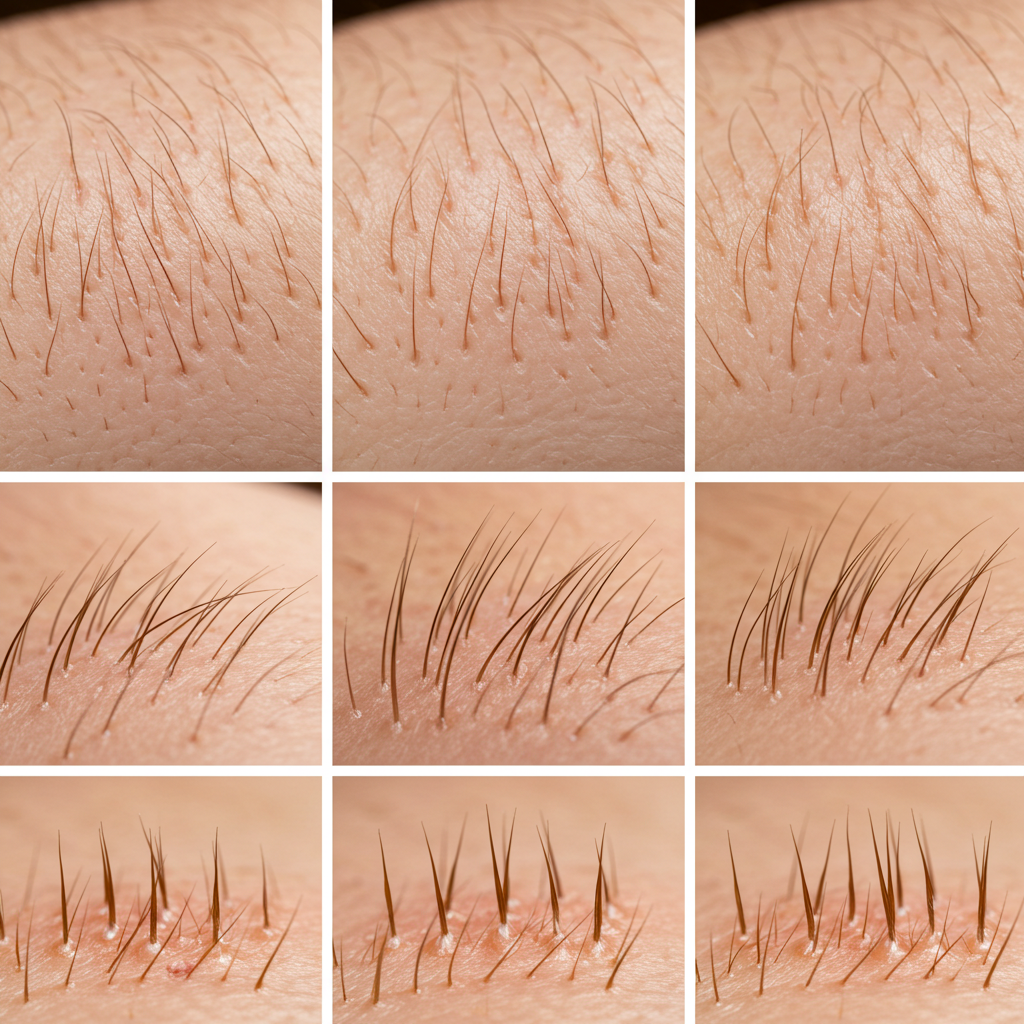
1-3 months post-treatment: You may notice fine, soft “peach fuzz” beginning to appear. This new hair is often fragile and may be a different texture or color than your original hair.
3-6 months post-treatment: Hair becomes more visible and may start to thicken. Some patients report curly or wavy hair even if they previously had straight hair.
6-12 months post-treatment: Hair typically grows about half an inch per month. By this stage, most people have noticeable regrowth, though it may take 1-2 years to return to pre-chemo length.
Essential Hair Recovery Strategies
1. Gentle Scalp Care
Your scalp may be sensitive after treatment. Use mild, fragrance-free shampoos and lukewarm water. Avoid harsh chemicals, heat styling, and tight hairstyles that could stress new growth.
2. Nutrition for Hair Growth
Protein-rich foods like eggs, fish, and legumes provide building blocks for hair. Iron, zinc, and vitamins A, C, D, and E support follicle health. Consider consulting a nutritionist about supplements if your diet lacks these nutrients.
3. Scalp Massage
Gentle massage increases blood circulation to hair follicles, potentially stimulating growth. Use your fingertips (not nails) with light pressure for 5-10 minutes daily.

Managing Expectations and Emotional Recovery
While physical hair regrowth is important, addressing the emotional impact is equally crucial. Many patients report feeling self-conscious during the regrowth phase when hair is short or uneven.
Remember: Your hair’s texture and color may change temporarily or permanently. Some patients embrace these changes as symbols of their resilience, while others choose to color or style their new growth differently.
Consider joining support groups where you can share experiences with others going through similar journeys. Many find comfort in creative solutions like stylish hats, scarves, or wigs during the transition period.
When to Seek Professional Help
While most patients experience complete hair regrowth, consult your doctor if:
- No regrowth occurs after 3-6 months post-treatment
- You notice patchy or uneven growth patterns
- Your scalp remains irritated or painful
- New hair falls out unexpectedly
Dermatologists specializing in hair loss can evaluate your situation and recommend treatments like minoxidil (Rogaine) or platelet-rich plasma (PRP) therapy if needed.
Celebrating Your Hair’s Journey
Many survivors find meaning in documenting their hair’s recovery through photos or journaling. Some even participate in events like St. Baldrick’s Foundation fundraisers when their hair grows back sufficiently.
Remember: Your hair’s regrowth symbolizes your body’s remarkable healing ability. While the process requires patience, each new strand represents your strength and resilience through a challenging journey.
With proper care, time, and self-compassion, your hair will find its way back – and so will your confidence.

