

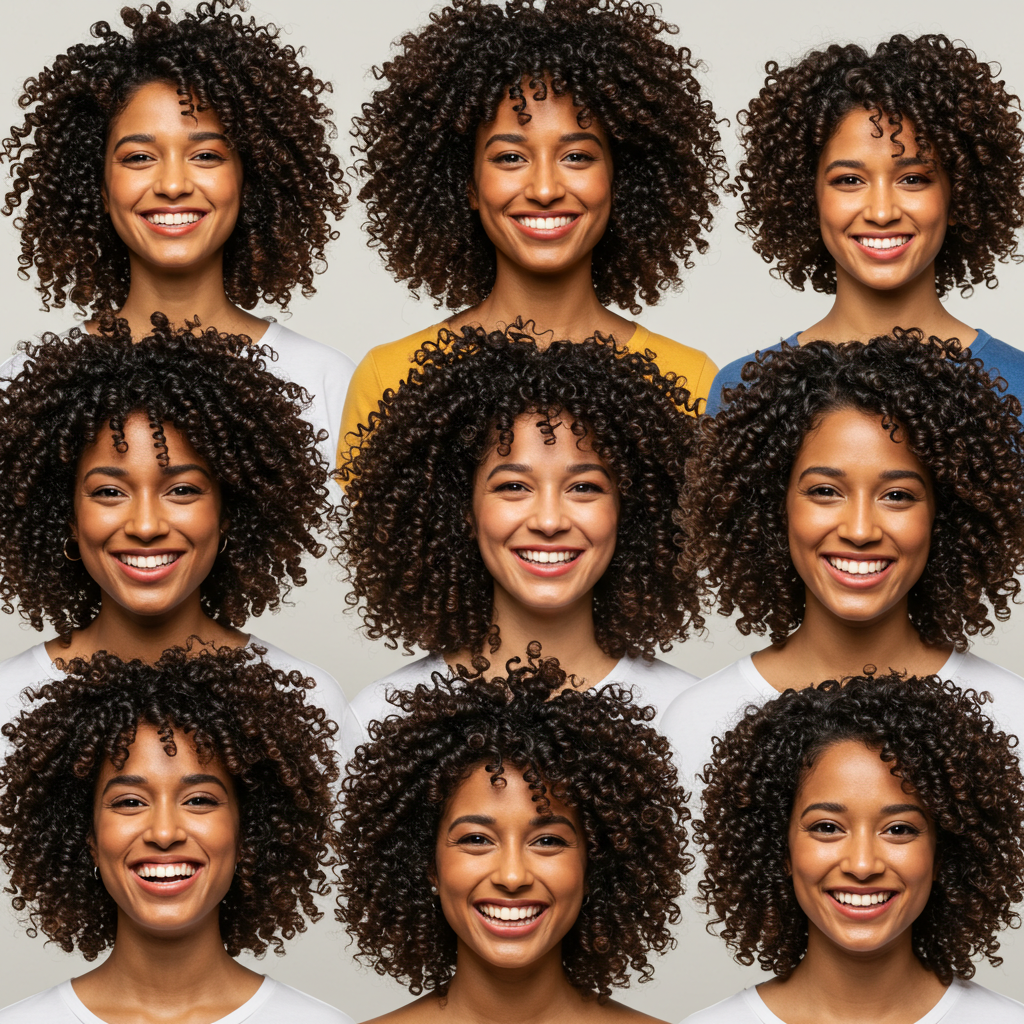
For decades, natural hair textures—particularly those common among Black individuals—have been unfairly stigmatized in workplaces, schools, and public spaces. From being told to “tame” their curls to facing outright bans on protective styles like braids and locs, many people have experienced discrimination simply because of their hair. But change is finally happening. Across the U.S. and beyond, lawmakers are recognizing hair texture discrimination as a form of racial bias and enacting laws to protect individuals from such prejudice.
In this blog post, we’ll explore the history of hair discrimination, the legal strides being made to combat it, and what these changes mean for workplace equity and personal freedom.
The History of Hair Texture Discrimination
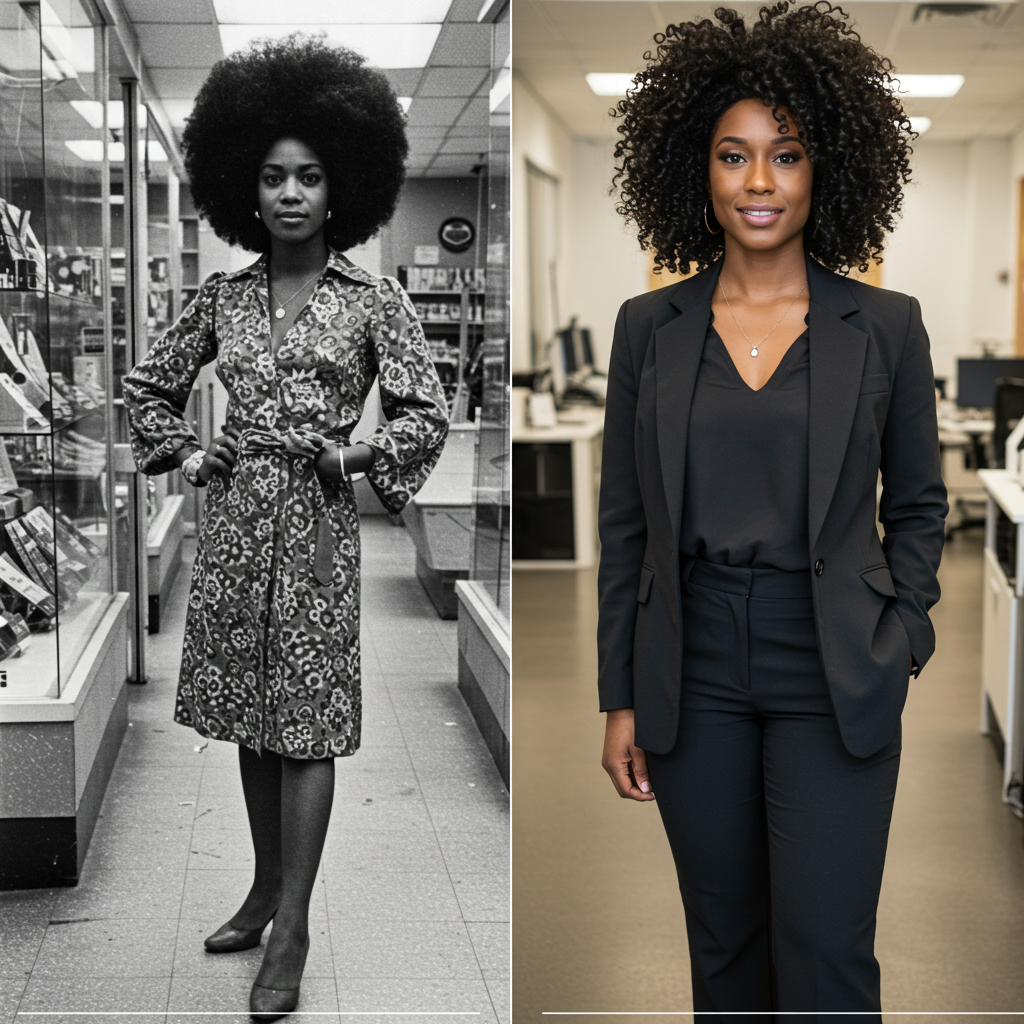
Hair texture discrimination is deeply rooted in systemic racism and Eurocentric beauty standards. For generations, Black individuals—especially women—have faced pressure to conform to straight-haired ideals, often resorting to chemical relaxers or heat styling to meet professional and social expectations. Natural hairstyles like afros, twists, and dreadlocks have been labeled as “unprofessional” or “unkempt,” leading to job terminations, school suspensions, and social ostracization.
The CROWN Act (Creating a Respectful and Open World for Natural Hair) was introduced in 2019 to challenge these biases. It explicitly prohibits discrimination based on hair texture and protective styles in workplaces and schools. Since then, multiple states and cities have adopted similar legislation, marking a significant shift in legal protections.
Landmark Legal Cases Against Hair Discrimination
Several high-profile cases have brought national attention to hair discrimination. In 2010, Chastity Jones had a job offer rescinded because she refused to cut off her dreadlocks. The case, though initially dismissed, became a rallying cry for legal reform. Similarly, in 2018, a New Jersey high school wrestler was forced to cut his locs or forfeit a match, sparking outrage and further advocacy.
These cases highlight how hair policies disproportionately affect Black individuals and reinforce harmful stereotypes. Legal victories, such as New York City’s 2019 guidelines banning hair discrimination, have set important precedents for broader change.
How the CROWN Act Is Changing the Landscape
The CROWN Act has been a game-changer in the fight against hair discrimination. As of 2023, over 20 states have passed versions of the law, with federal legislation pending. The act defines hair texture and protective styles as inherent racial characteristics, making discrimination illegal under civil rights laws.
Key impacts of the CROWN Act include:
- Protecting employees from being forced to alter their natural hair for work.
- Preventing schools from punishing students for wearing braids, twists, or afros.
- Encouraging corporate diversity policies that embrace natural hair.
Companies like Dove and LinkedIn have partnered with CROWN Coalition to promote awareness, showing growing corporate support for these changes.

What These Laws Mean for Workplace Equity
Beyond legal compliance, these laws are reshaping workplace culture. Employers are now re-evaluating dress codes and grooming policies to ensure inclusivity. Training programs on unconscious bias now often include discussions about hair discrimination, helping to dismantle long-held prejudices.
For employees, this means greater freedom to express cultural identity without fear of professional repercussions. For employers, it’s an opportunity to foster a truly inclusive environment where talent—not appearance—determines success.

Challenges and the Road Ahead
While progress is undeniable, challenges remain. Some states still resist adopting the CROWN Act, and enforcement can be inconsistent. Additionally, societal attitudes take time to shift—many people still associate natural Black hairstyles with unprofessionalism.
Advocates emphasize the need for continued education and allyship. Supporting Black-owned hair care brands, amplifying stories of discrimination, and pushing for federal legislation are all crucial steps in ensuring lasting change.
How You Can Support the Movement
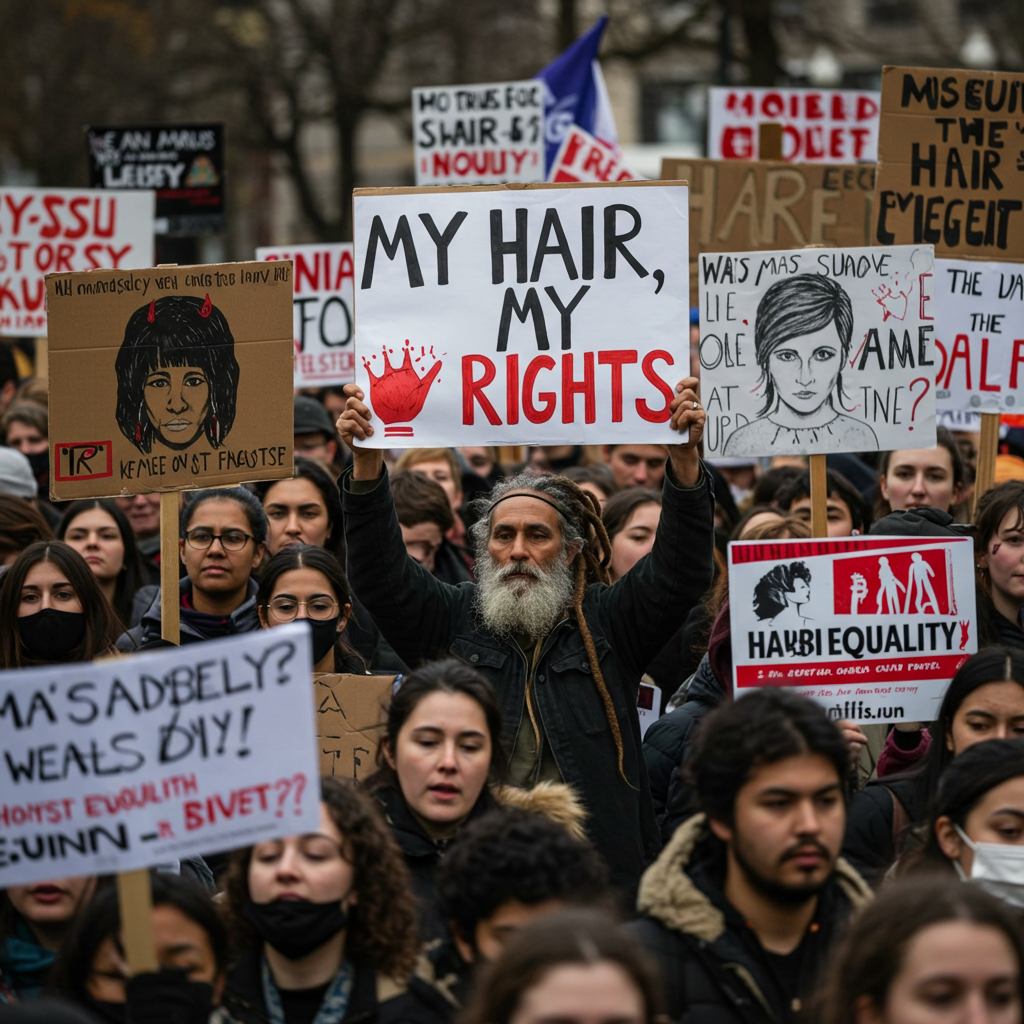
Whether you’ve experienced hair discrimination or want to be an ally, here’s how you can contribute:
- Educate yourself and others about the history and impact of hair discrimination.
- Support Black hair care businesses and brands that champion natural hair.
- Advocate for the CROWN Act in your state if it hasn’t been passed yet.
- Call out discrimination when you see it in workplaces or schools.
Together, we can ensure that hair texture discrimination becomes a thing of the past.
Hair texture discrimination is more than just a grooming issue—it’s a civil rights issue. Thanks to the tireless efforts of activists, lawmakers, and everyday advocates, legal protections are finally catching up to societal needs. While there’s still work to be done, the progress made so far offers hope for a future where everyone can wear their hair with pride.

