
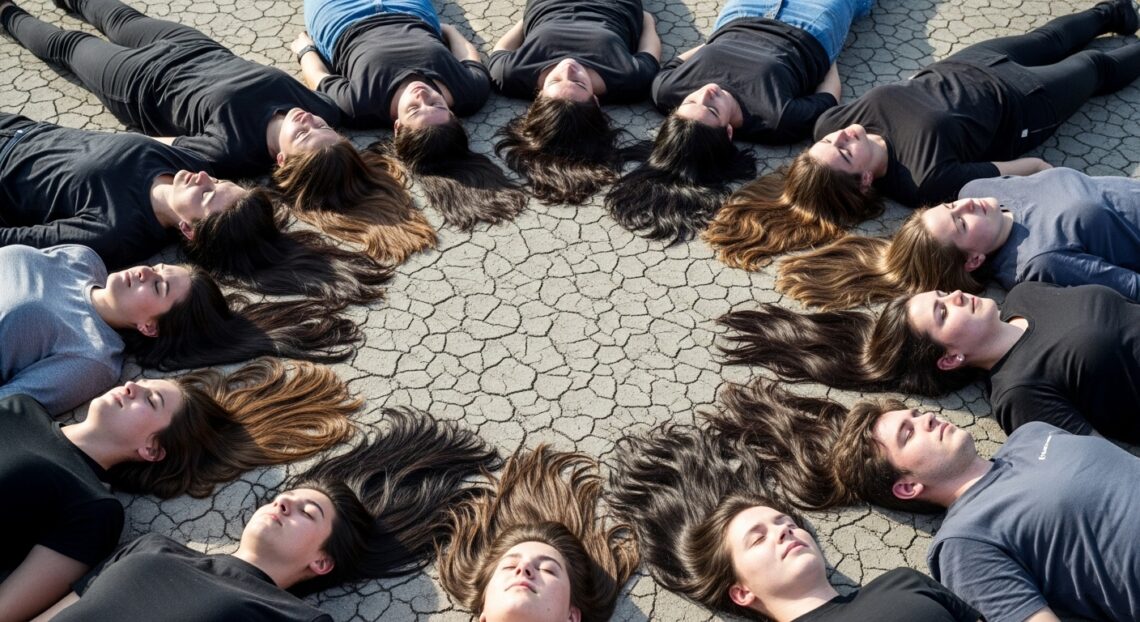
In the fight against climate change, activists are constantly innovating new ways to capture public attention and demand action. One of the most surprising and symbolic tools emerging in recent years? Human hair.
From dramatic hair-cutting protests to using hair as an eco-friendly material, activists are leveraging this deeply personal part of identity to make bold statements. This blog explores the creative and sometimes shocking ways hair is becoming a powerful weapon in the climate movement.
The Symbolism of Hair in Protest
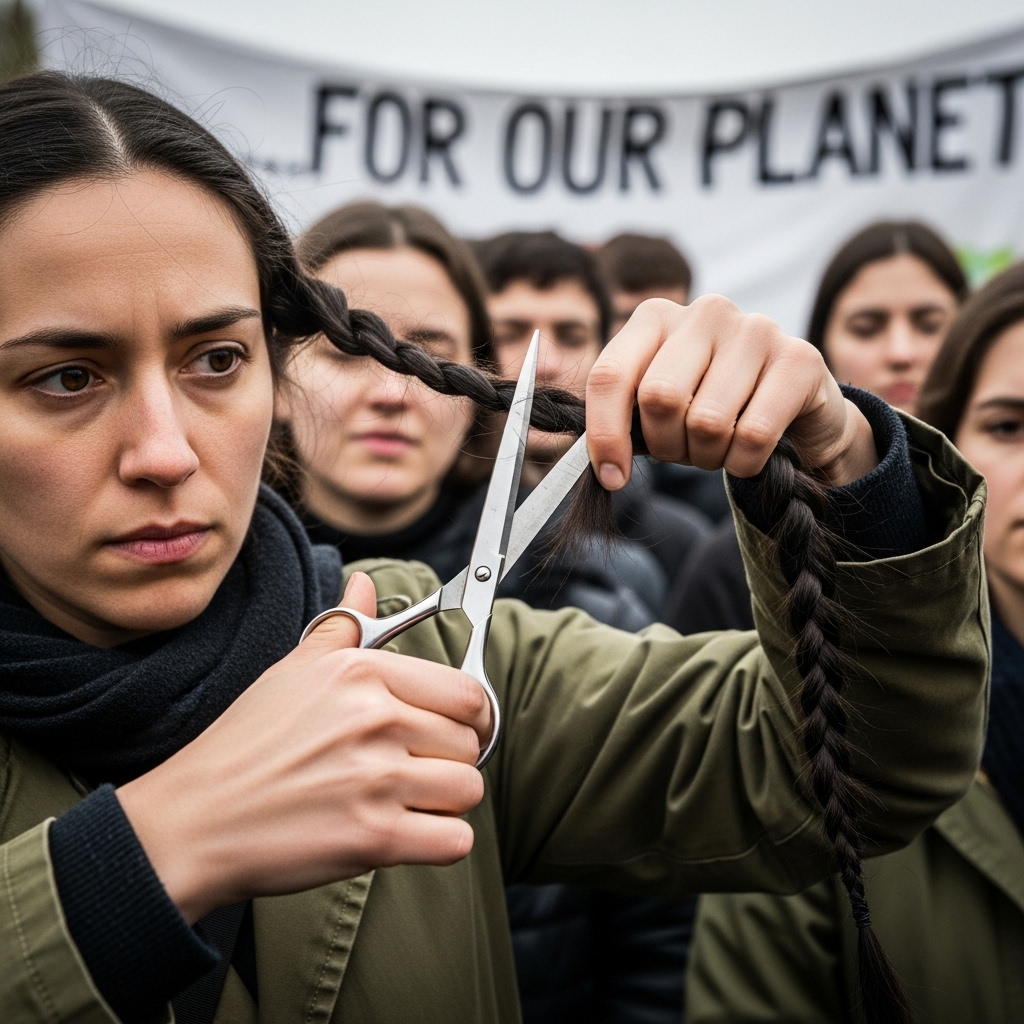
Hair has always carried deep cultural and personal significance across societies. It represents identity, beauty standards, and even political statements. By using hair in climate protests, activists tap into this rich symbolism to create emotionally powerful demonstrations.
In many traditions, cutting hair signifies mourning or sacrifice. Climate activists adopt this symbolism to mourn environmental destruction and show their willingness to make personal sacrifices for the planet. The visual impact of someone cutting their hair in protest creates an arresting image that media can’t ignore.
“When I cut my hair at the protest, I wanted to show that we’re willing to sacrifice even parts of ourselves to save the planet,” explains activist Maria Chen, who participated in a 2022 hair-cutting protest outside the UN Climate Conference.
Notable Hair Protests in Climate Activism
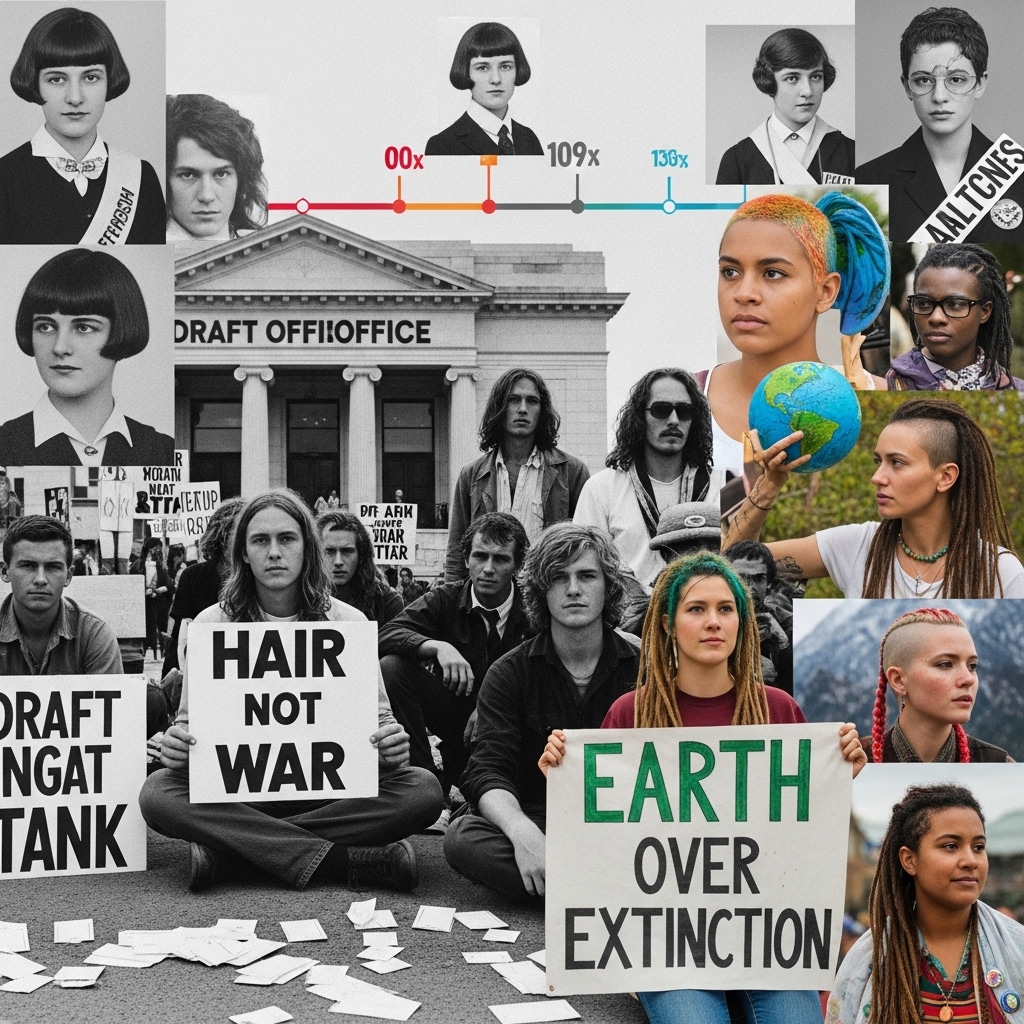
Several high-profile protests have brought this tactic into the global spotlight:
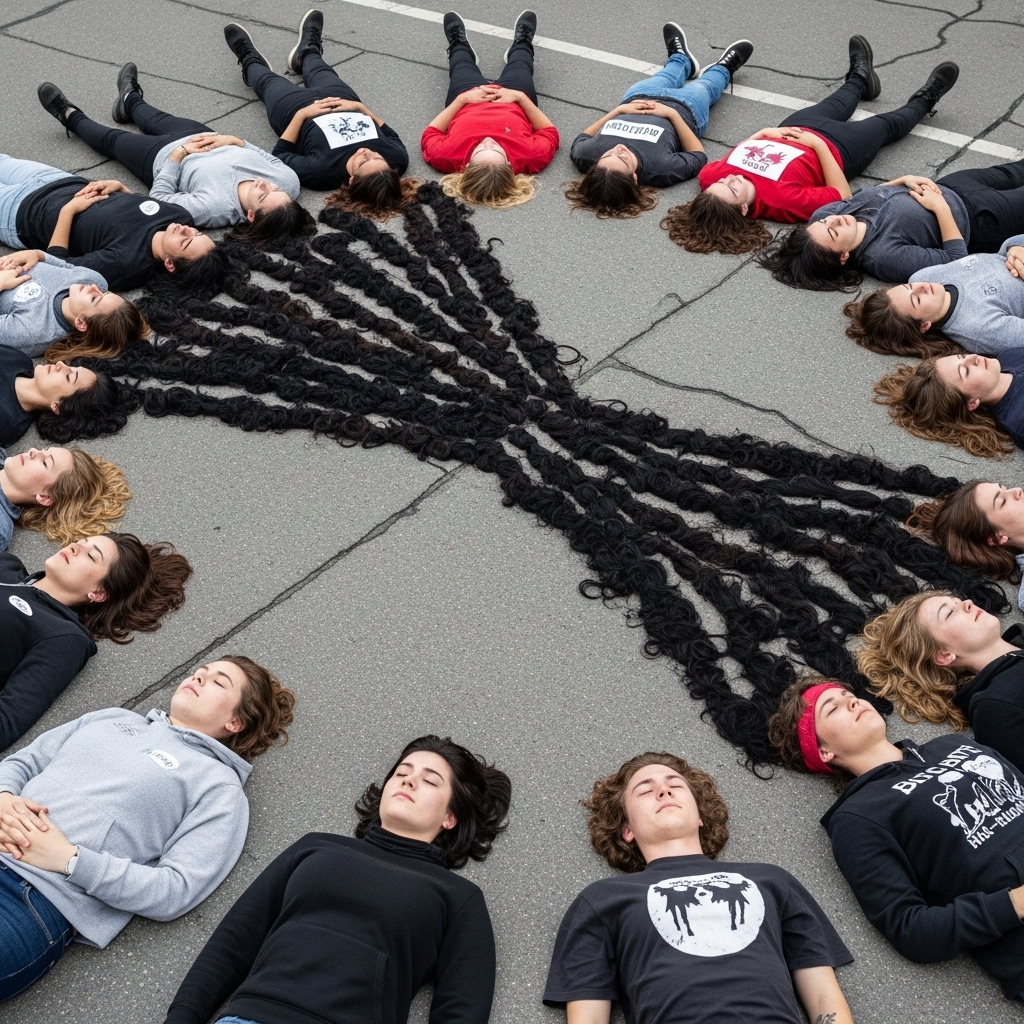
The Extinction Rebellion Hair Protests (2019-2023): Members of this activist group have staged multiple “hair die-ins” where they lie motionless surrounded by cut hair to represent the death of biodiversity.
The Oil Executive Confrontation (2021): In Norway, activists dumped bags of human hair outside an oil company’s headquarters, symbolizing how fossil fuels are “suffocating” the planet.
The “Haircut” Campaign (2022): A coordinated global protest where hundreds of activists publicly cut their hair on the same day to demand climate action, with the hashtag #HaircutForClimate trending worldwide.
Hair as an Eco-Material in Activism
Beyond symbolic gestures, activists are finding practical uses for hair in environmental projects:
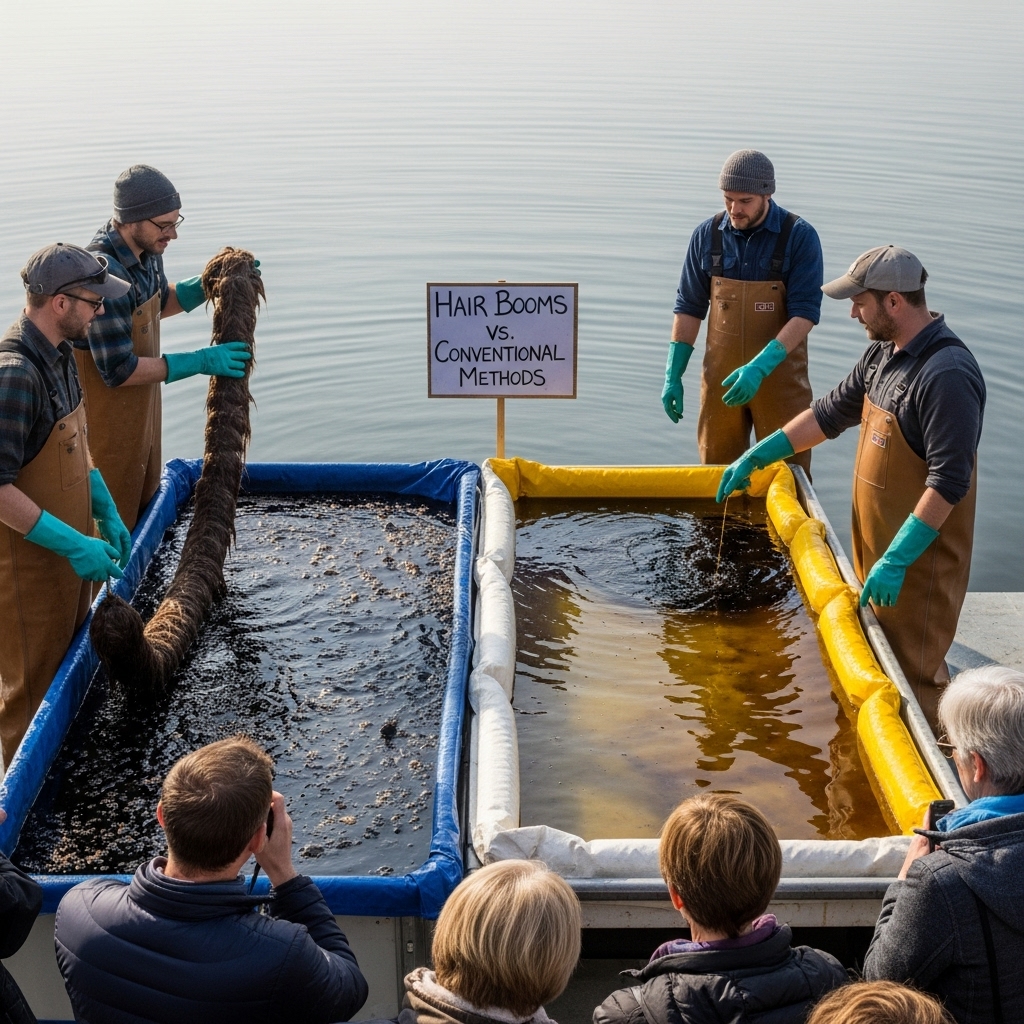
Oil Spill Cleanup: Human hair is remarkably effective at absorbing oil. Activists collect donated hair to create “hair booms” – tube-like barriers that can contain and absorb oil spills.
Composting and Gardening: Some groups use hair as a natural fertilizer or garden mulch, demonstrating sustainable alternatives to synthetic products.
Eco-Art Installations: Artists collaborating with activists create powerful installations using hair to visualize climate data or represent lost species.
“We’re showing that solutions can come from unexpected places,” says environmental engineer Jamal Wright, who helped develop hair-based filtration systems for polluted waterways.
The Psychology Behind Hair Protests
Why does this tactic resonate so powerfully? Psychologists point to several factors:
Violation of Norms: Publicly cutting or altering hair breaks social conventions, creating cognitive dissonance that makes people pay attention.
Personal Sacrifice: Unlike signs or chants, sacrificing hair represents a tangible, personal cost that demonstrates commitment.
Bodily Connection: Hair is literally part of our bodies, making the protest feel more visceral and urgent than abstract arguments.
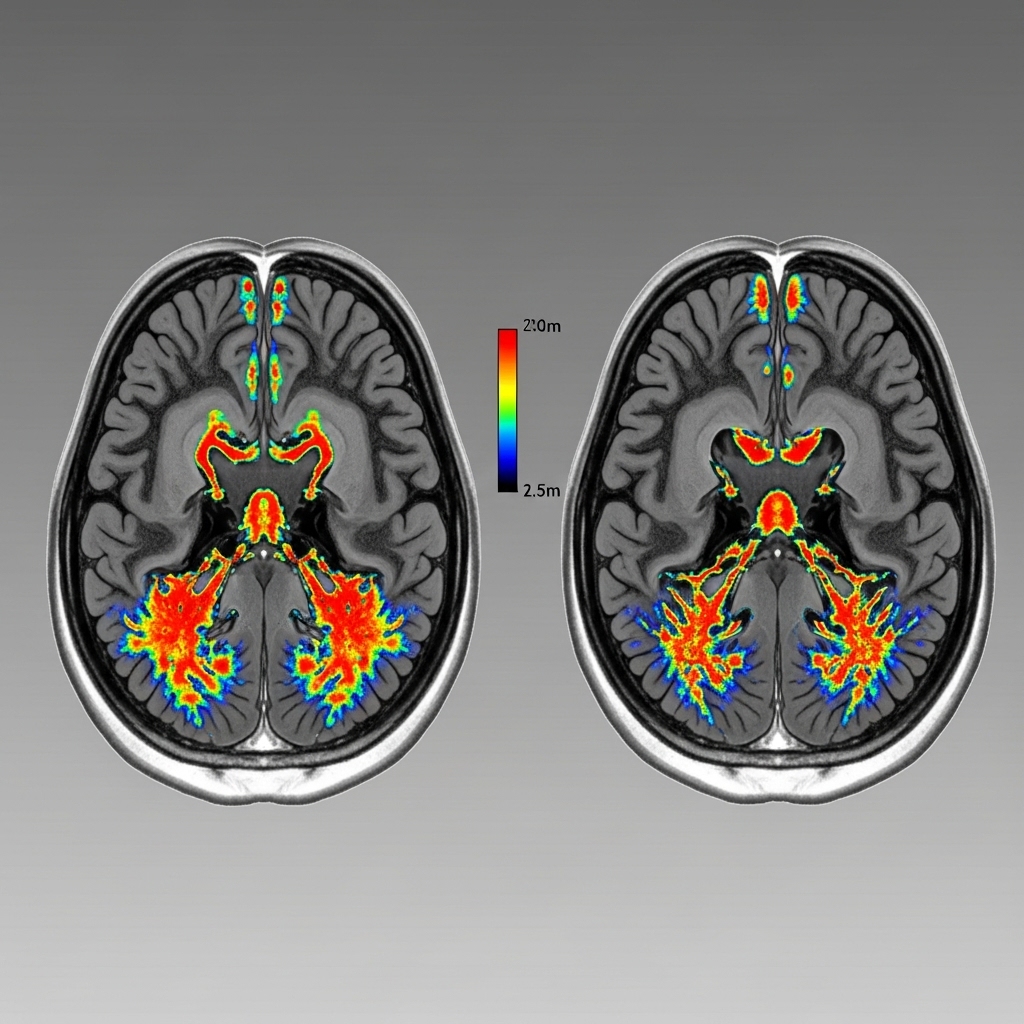
Neuroscience research shows that unconventional protests activate different brain areas than traditional demonstrations, potentially making the message more memorable.
Criticisms and Controversies
Like any protest tactic, hair demonstrations have faced criticism:
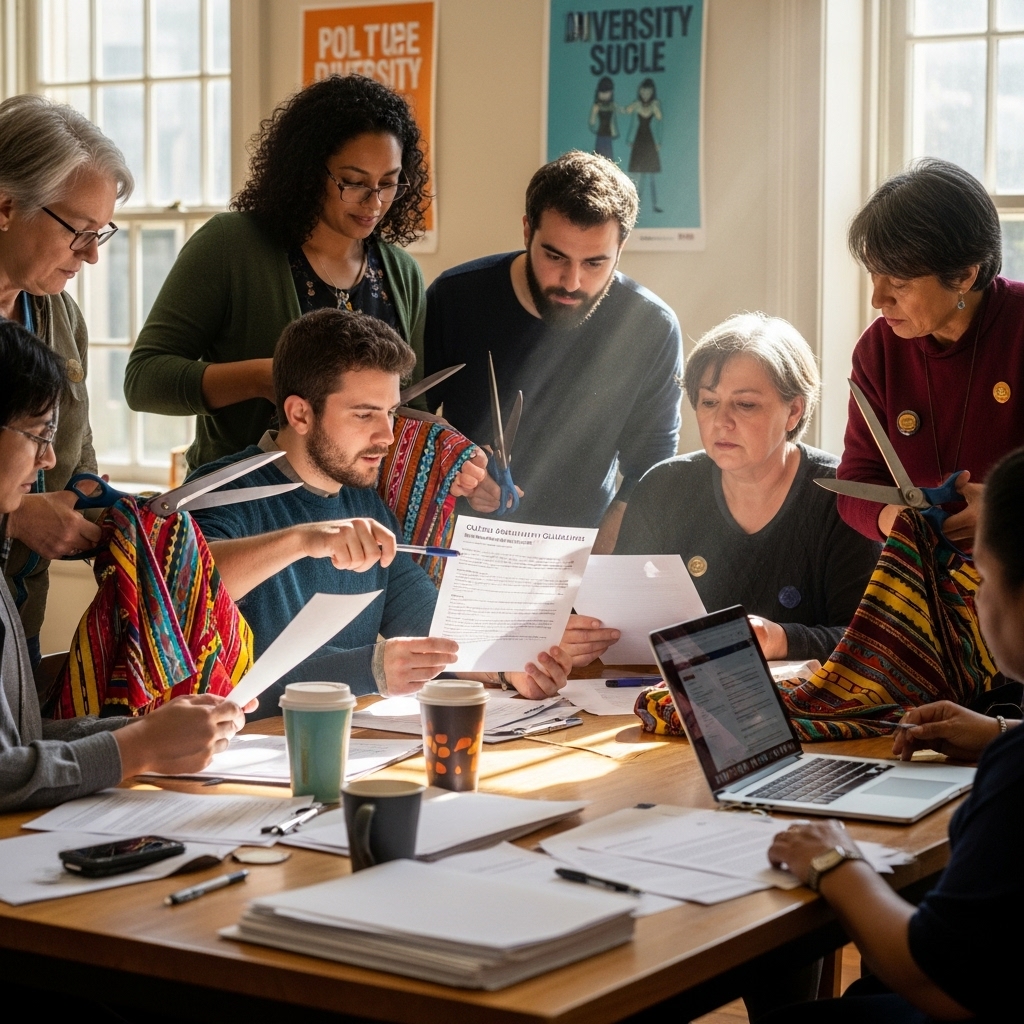
Cultural Appropriation Concerns: Some indigenous groups have objected to non-native activists adopting hair-cutting practices without understanding their cultural contexts.
Effectiveness Debates: Critics argue these protests generate more shock than substantive policy changes, though activists counter that they’re part of larger campaigns.
Safety Issues: Improperly handled hair donations for environmental projects can create hygiene problems if not managed carefully.
Most activist groups now include cultural sensitivity training and safety protocols to address these concerns.
How to Participate Responsibly
For those inspired to join this growing movement, experts recommend:
1. Educate Yourself First: Understand the history and cultural significance of hair in protest before participating.
2. Connect With Organizations: Join established groups like Matter of Trust (hair recycling) or Extinction Rebellion for guidance.
3. Consider Alternatives: If cutting hair feels too extreme, donating hair for environmental projects still makes an impact.
4. Document Thoughtfully: If sharing on social media, focus on the message rather than personal attention.

The Future of Hair in Climate Activism
As the climate crisis intensifies, experts predict we’ll see even more innovative uses of hair in protests:
Biotech Integration: Researchers are exploring how hair proteins could be used in sustainable materials science, potentially creating new protest artifacts.
Virtual Reality Protests: Some groups are developing VR experiences where users “virtually” cut their hair to understand the emotional impact.
Corporate Accountability: Activists are targeting beauty industry conventions with hair protests about unsustainable products.
“Hair protests make the climate crisis personal in a way statistics never can,” observes Dr. Elena Torres, a social movement researcher at Columbia University. “As long as the crisis continues, activists will keep finding powerful ways to use their bodies

