

Have you ever found yourself deeply invested in a relationship, only to later realize the warning signs were there all along? Many women experience this painful awakening—when the rose-colored glasses come off, and behaviors they initially excused reveal themselves as serious red flags. As a relationship psychologist, I’ve seen how easy it is to overlook concerning patterns when emotions are involved. Love can cloud judgment, but awareness empowers you to protect your heart. Whether you’re dating casually or in a committed relationship, recognizing these 22 red flags early can save you from emotional turmoil and help you build healthier connections.
1. He Disrespects Your Boundaries
Boundaries are the foundation of any healthy relationship. If he consistently ignores your “no,” pressures you into physical or emotional situations, or dismisses your comfort levels, this is a glaring red flag. Respect isn’t negotiable—it’s a requirement. Pay attention if he reacts with defensiveness or guilt-tripping when you assert your needs.

2. He’s Overly Critical or Nitpicks
Constructive feedback is normal, but constant criticism—about your appearance, career, or personality—erodes self-esteem. Psychological research shows that frequent belittling can lead to emotional abuse. Ask yourself: Do I feel uplifted or diminished after spending time with him?

3. He Avoids Accountability
Does he blame others (or even you) for his mistakes? A partner who can’t take responsibility for his actions lacks emotional maturity. This behavior often escalates into gaslighting—making you doubt your own reality.

4. He Isolates You from Loved Ones
Healthy relationships encourage outside connections. If he discourages you from seeing friends or family, monopolizes your time, or speaks negatively about your support system, this is a control tactic. Isolation makes it harder to leave toxic dynamics.

5. His Words and Actions Don’t Match
Promises without follow-through are empty. If he claims to care but behaves inconsistently (e.g., cancels plans last-minute, forgets important events), trust his actions, not his words. Patterns reveal truth.

6. He Has Explosive Anger
Occasional frustration is human, but frequent yelling, slamming objects, or intimidating behavior signals deeper issues. Anger management problems often escalate over time. Note: If you ever feel unsafe, prioritize your well-being and exit the situation.
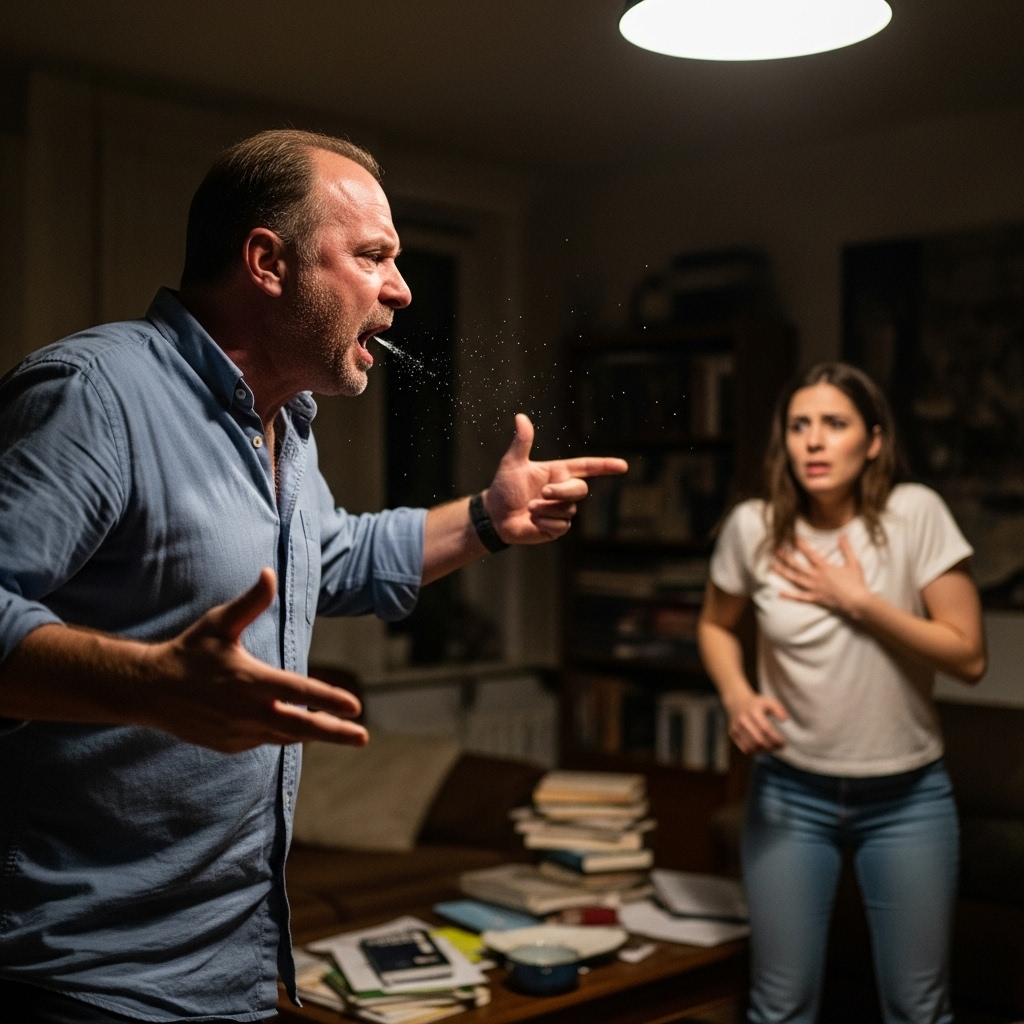
7. He Disrespects Others
Watch how he treats waitstaff, coworkers, or strangers. Rude or condescending behavior toward others often eventually turns toward you. Kindness is a character trait, not a situational performance.

8. He’s Secretive About His Life
Transparency builds trust. If he avoids questions about his past, friendships, or daily activities—or gets defensive when you ask—he may be hiding something. Trust your intuition if something feels “off.”

9. He Plays the Victim
Does every conflict become about his suffering? A perpetual victim avoids accountability and manipulates sympathy. Healthy partners acknowledge mutual responsibility in disagreements.

10. He Pressures You Sexually
Coercion isn’t consent. If he guilt-trips you (“If you loved me, you’d…”), ignores your discomfort, or retaliates when you decline intimacy, this is a serious violation. Your body, your rules—always.

11. He’s Jealous Without Cause
Occasional jealousy is normal, but accusations, monitoring your phone, or controlling who you see are signs of possessiveness, not love. Trust is the bedrock of commitment.

12. He Neglects Your Emotional Needs
Relationships thrive on mutual support. If he dismisses your feelings (“You’re too sensitive”), refuses to engage in deep conversations, or only focuses on his needs, you’ll feel lonely—even when together.

13. He Lies About Small Things
White lies can indicate bigger honesty issues. If he fibs about insignificant details (where he was, who he was with), he’ll likely lie about major things later. Truthfulness is a habit.

14. He Doesn’t Celebrate Your Wins
A loving partner cheers for your successes. If he downplays your achievements, changes the subject, or acts competitive, he may feel threatened by your growth.

15. He’s Financially Irresponsible
Money conflicts strain relationships. If he’s reckless with spending, hides debt, or expects you to fund his lifestyle, proceed cautiously. Financial compatibility matters long-term.

16. He Talks Badly About Exes
While some exes may have been difficult, if he describes all past partners as “crazy” or blames them entirely for breakups, he likely contributed to the problems. Self-awareness is key.

17. He Doesn’t Make Future Plans
If he avoids discussing the future (even casually) after months together, he may not see you in his long-term life. Note: This differs from moving at a comfortable pace—it’s about intentional avoidance.

18. He Love-Bombs Then Withdraws
Excessive early affection (gifts, declarations of love) followed by sudden coldness is a manipulation tactic. It creates an addictive push-pull dynamic that keeps you craving his approval.

19. He Crosses Lines When Angry
Name-calling, mocking vulnerabilities, or threatening to leave during arguments are toxic. Healthy partners disagree without cruelty. Ask yourself: Would I tolerate this behavior from a friend?

20. He Doesn’t Respect Your Time
Chronic lateness, last-minute cancellations, or making you wait for replies (while he’s active on social media) shows disregard. You deserve someone who prioritizes you consistently.

21. He Has No Close Friends
While introversion is normal, a complete lack of friendships may signal difficulty maintaining bonds. Observe how he treats those closest to him—it’s a preview of how he’ll treat you.

22. Your Gut Says Something’s Wrong
Intuition often picks up on subtle cues before your conscious mind does. If you feel anxious, drained, or like you’re “walking on eggshells,” don’t ignore it. Your feelings are data.
Recognizing these red flags isn’t about pessimism—it’s about self-respect. You deserve a relationship where you feel safe, valued, and empowered. If you’ve seen these patterns in your partner, consider discussing your concerns or seeking support from a therapist. And if you need to walk away, remember: Leaving a relationship that doesn’t serve you isn’t failure—it’s courage. Your heart is precious; protect it like the treasure it is.

