
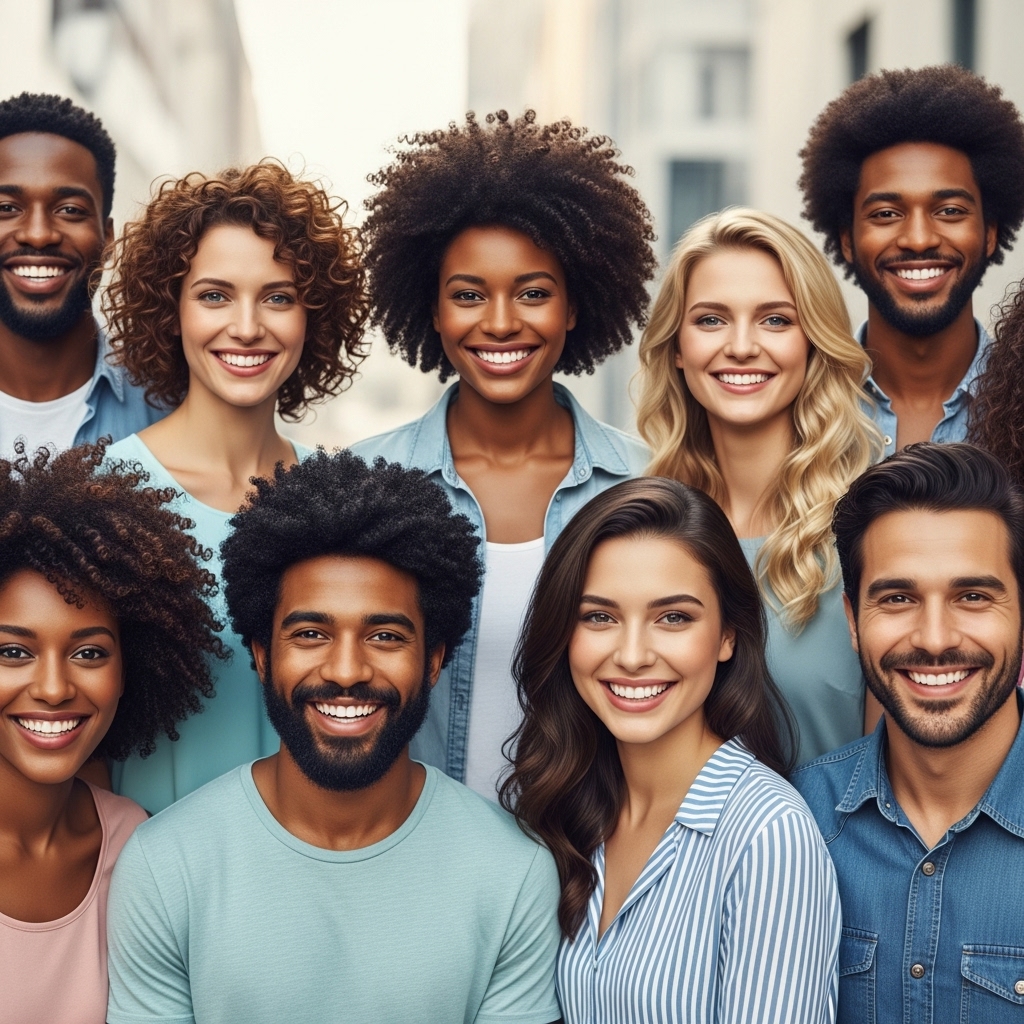
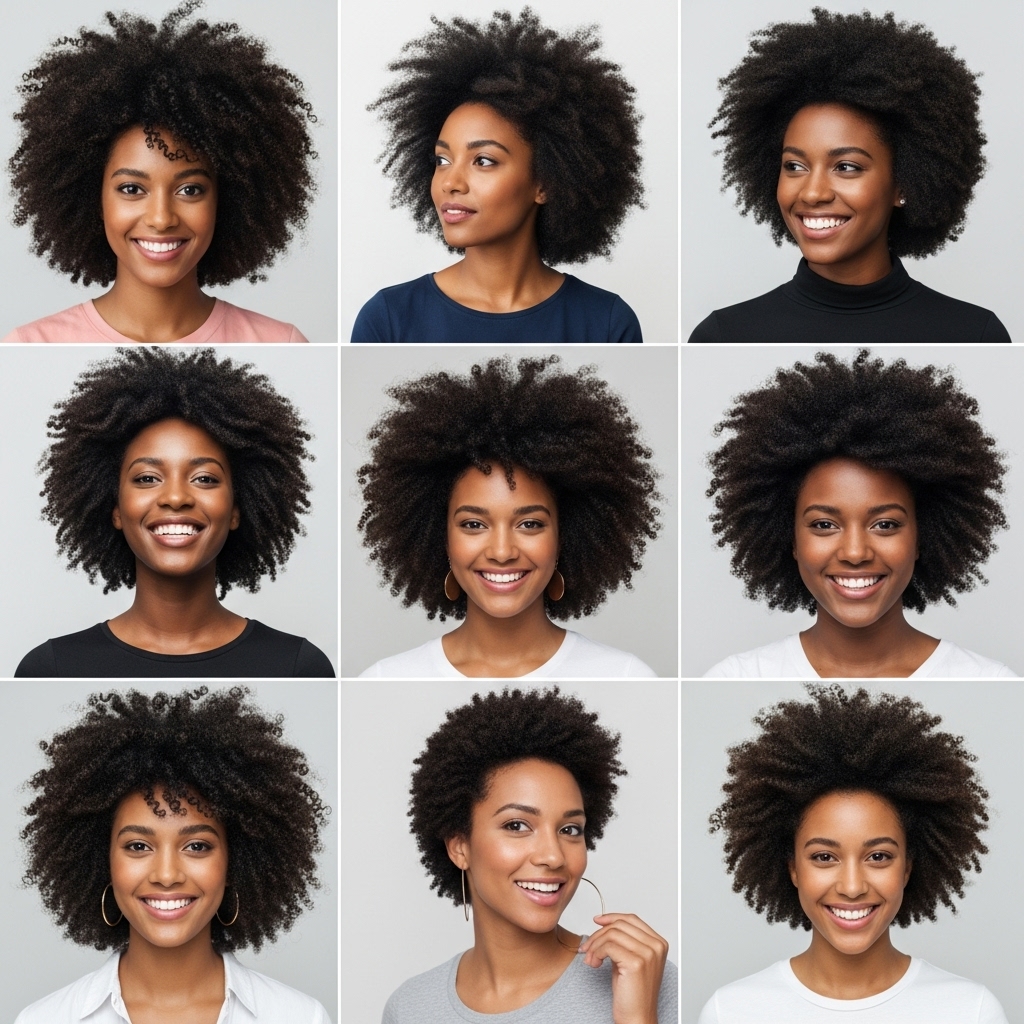
For decades, beauty standards have dictated how hair should look—straightened, sleek, and often conforming to Eurocentric ideals. But today, a powerful movement is sweeping across the globe, encouraging people to embrace their natural hair textures, defy societal norms, and reclaim their identity. From the Crown Act in the U.S. to the growing acceptance of afros, locs, and gray hair worldwide, this revolution is reshaping perceptions of beauty.
In this blog post, we’ll explore how this movement is breaking barriers, why it matters, and how you can join the wave of change.
The Roots of the Natural Hair Movement
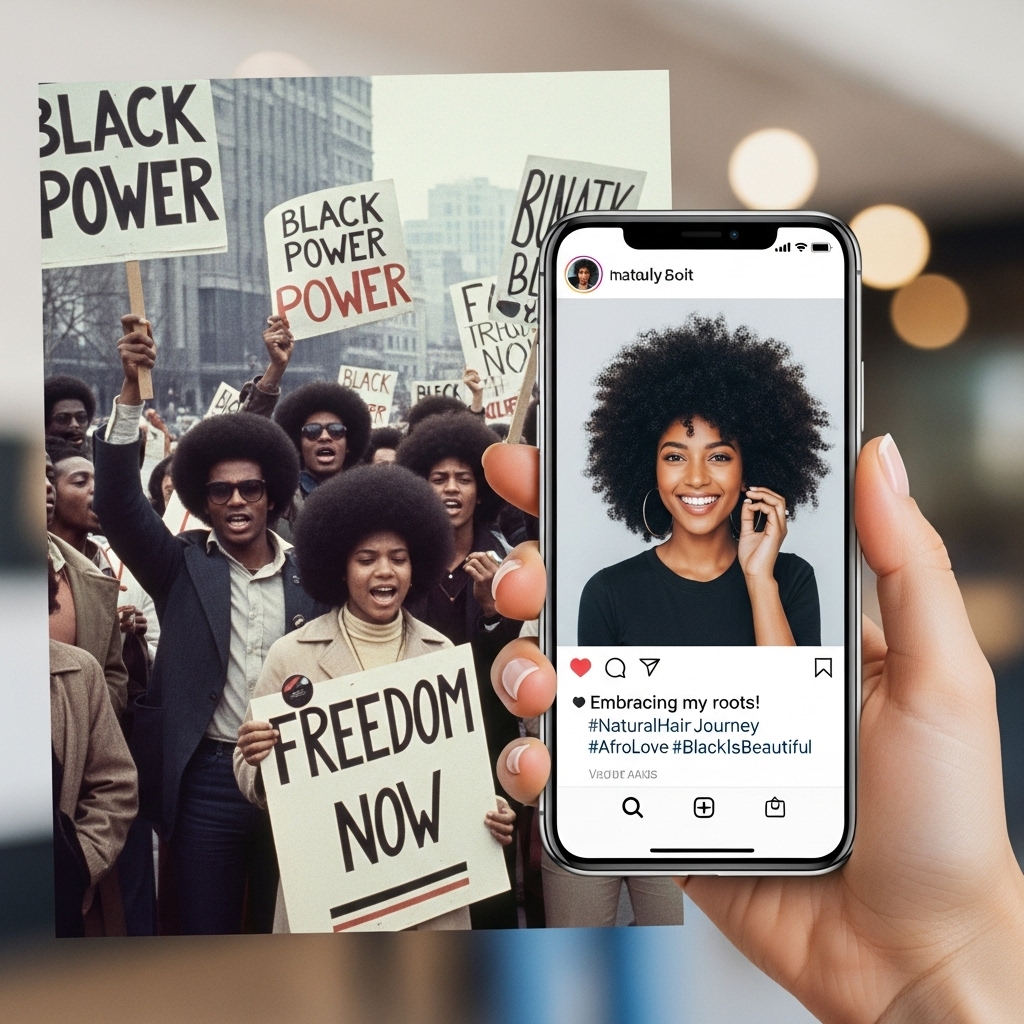
The natural hair movement isn’t just a trend—it’s a cultural shift with deep historical roots. For Black communities, it’s tied to the Civil Rights era when figures like Angela Davis made afros a symbol of resistance. Today, social media has amplified the conversation, with hashtags like #TeamNatural and #BlackGirlMagic celebrating authenticity.
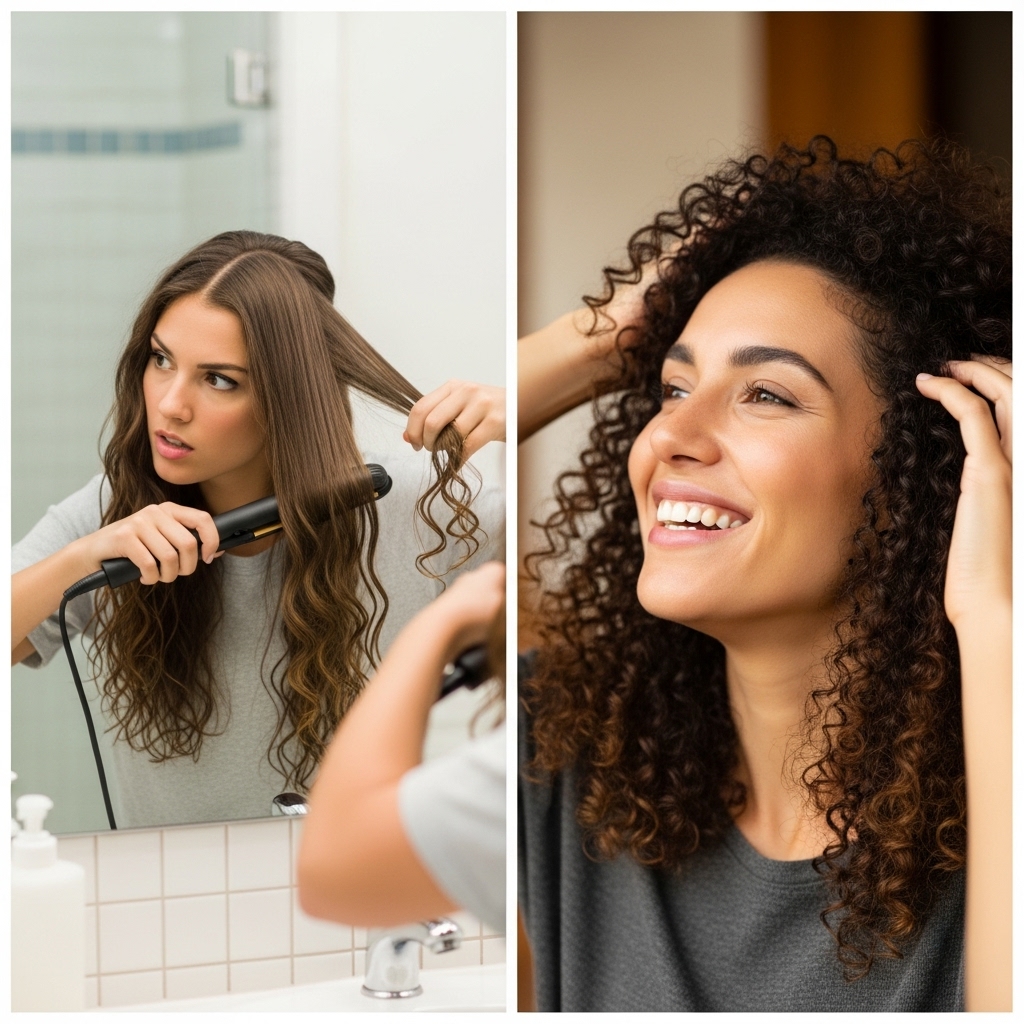
But the movement isn’t limited to any one group. People of all backgrounds are rejecting chemical treatments, heat damage, and unrealistic standards in favor of healthy, untouched hair. This isn’t just about aesthetics—it’s about freedom.
Why This Movement Matters
Hair discrimination is a real issue. Studies show that Black women are 50% more likely to be sent home from work for their natural hair. Legislation like the Crown Act, now passed in multiple U.S. states, aims to end this bias by making hair-based discrimination illegal.
Beyond policy, the movement fosters self-acceptance. For many, going natural is a journey of unlearning years of internalized beauty standards. It’s about saying, “My hair is beautiful as it is.”
Global Impact: How the World is Responding
From South Africa’s #StopTheBleach campaign to Japan’s growing acceptance of gray hair among women, the movement is worldwide. In India, the “Hair Oil Rebellion” promotes traditional haircare over chemical-laden products. Meanwhile, celebrities like Lizzo, Lupita Nyong’o, and Timothée Chalamet flaunt their natural textures on red carpets, inspiring millions.
This global shift isn’t just changing individual lives—it’s forcing industries to adapt. Brands like SheaMoisture and Pattern Beauty are leading the charge with inclusive product lines, while salons specializing in natural hair care are booming.
How to Join the Movement
Ready to embrace your natural hair? Here’s how to start:
1. Educate Yourself: Learn about your hair type and its needs. Resources like the Curly Girl Method or LOC method can help.
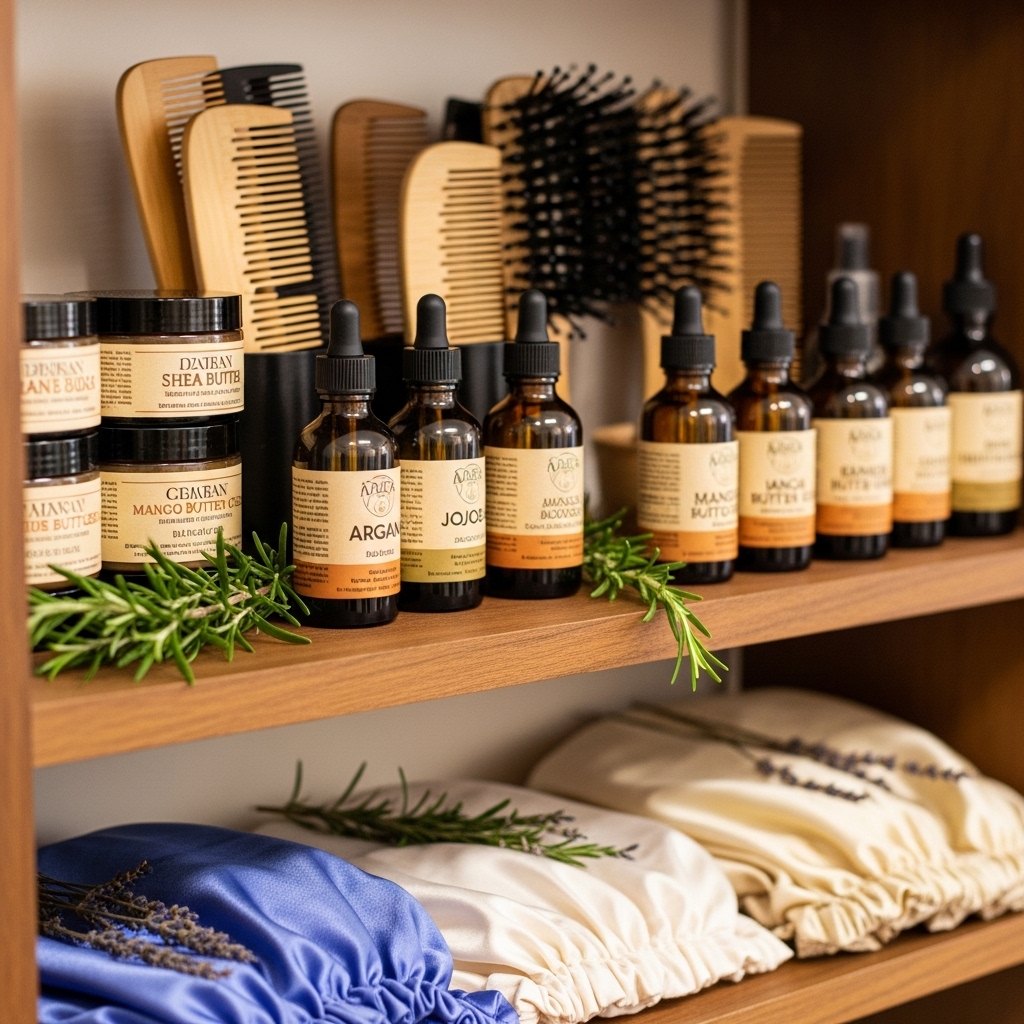
2. Ditch the Damage: Gradually reduce heat styling and harsh chemicals. Your hair will thank you.
3. Support Inclusive Brands: Vote with your wallet by choosing companies that cater to all hair types.
4. Share Your Story: Social media is a powerful tool. Post your journey and inspire others.
The Future of Hair Acceptance
As the movement grows, the definition of “professional” or “acceptable” hair continues to expand. Schools and workplaces are updating policies, and media representation is improving. But there’s still work to do.
The ultimate goal? A world where no one feels pressured to change their hair to fit in. Where curls, coils, kinks, and waves are celebrated equally. Where beauty standards aren’t rigid—but as diverse as humanity itself.

