
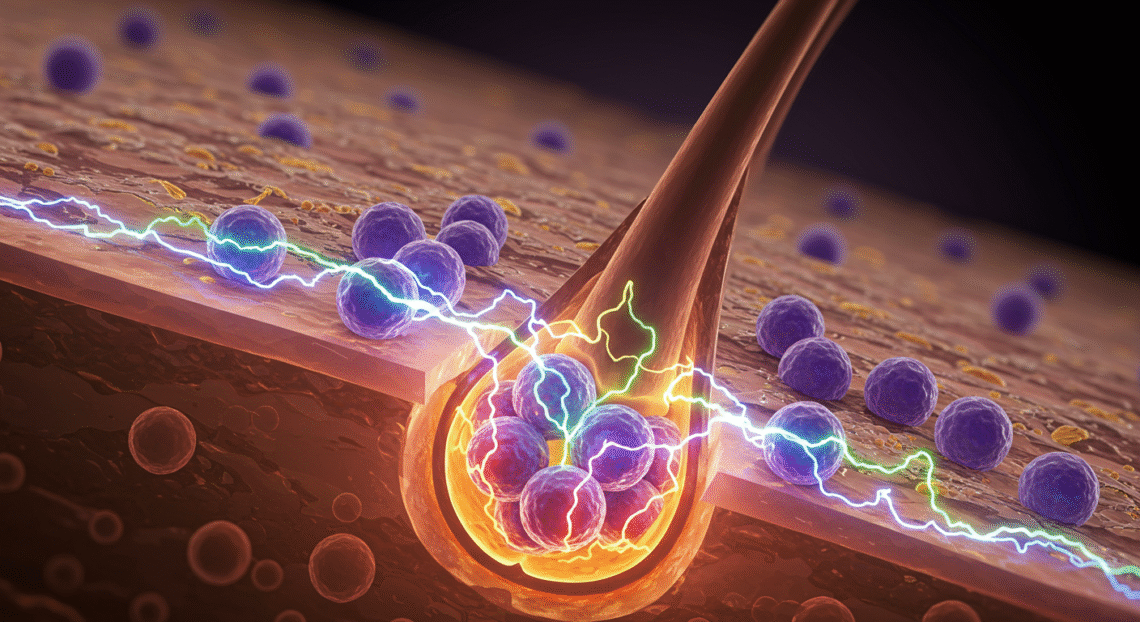
Have you ever wondered if your hair could do more than just grow and fall out? What if we told you that your hair follicles are tiny power generators, capable of producing their own electricity? It may sound like science fiction, but recent research has uncovered an astonishing biological phenomenon—hair follicles can generate electrical signals, much like mini bio-batteries.
In this article, we’ll dive deep into the science behind this discovery, explore how it works, and discuss the potential medical and technological applications that could revolutionize the future. Whether you’re a science enthusiast or just curious about the hidden abilities of the human body, this is a story you won’t want to miss.
The Science Behind Hair Follicle Electricity
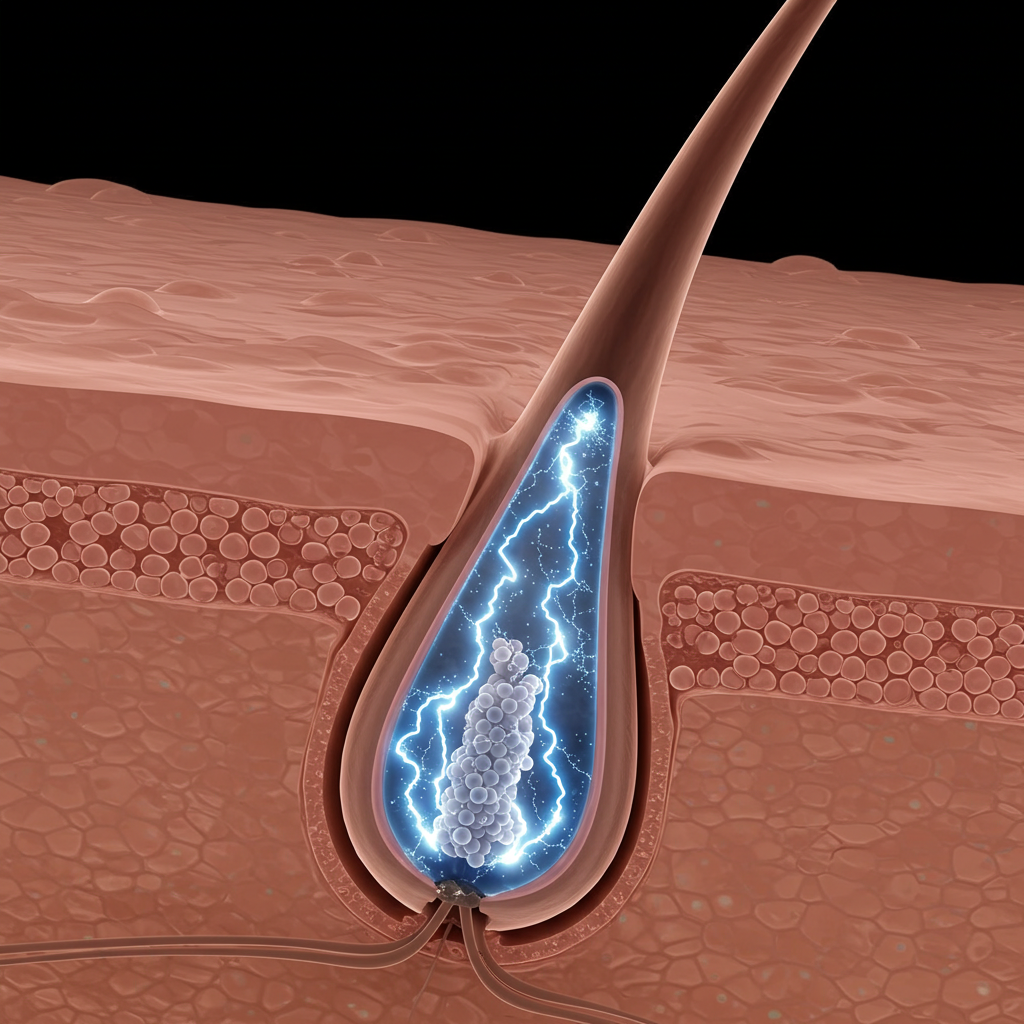
At first glance, hair follicles seem like simple structures—tiny sacs beneath the skin that produce hair. However, beneath the surface, they are bustling with biological activity. Scientists have discovered that hair follicles contain specialized cells called keratinocytes, which play a crucial role in generating electrical signals.
These cells create a small but measurable electrical charge through a process called bioelectricity. Bioelectricity is the natural electrical activity produced by living organisms, and it’s essential for many bodily functions, from nerve impulses to muscle contractions. In hair follicles, this electricity helps regulate hair growth and may even influence wound healing.
How Do Hair Follicles Produce Electricity?
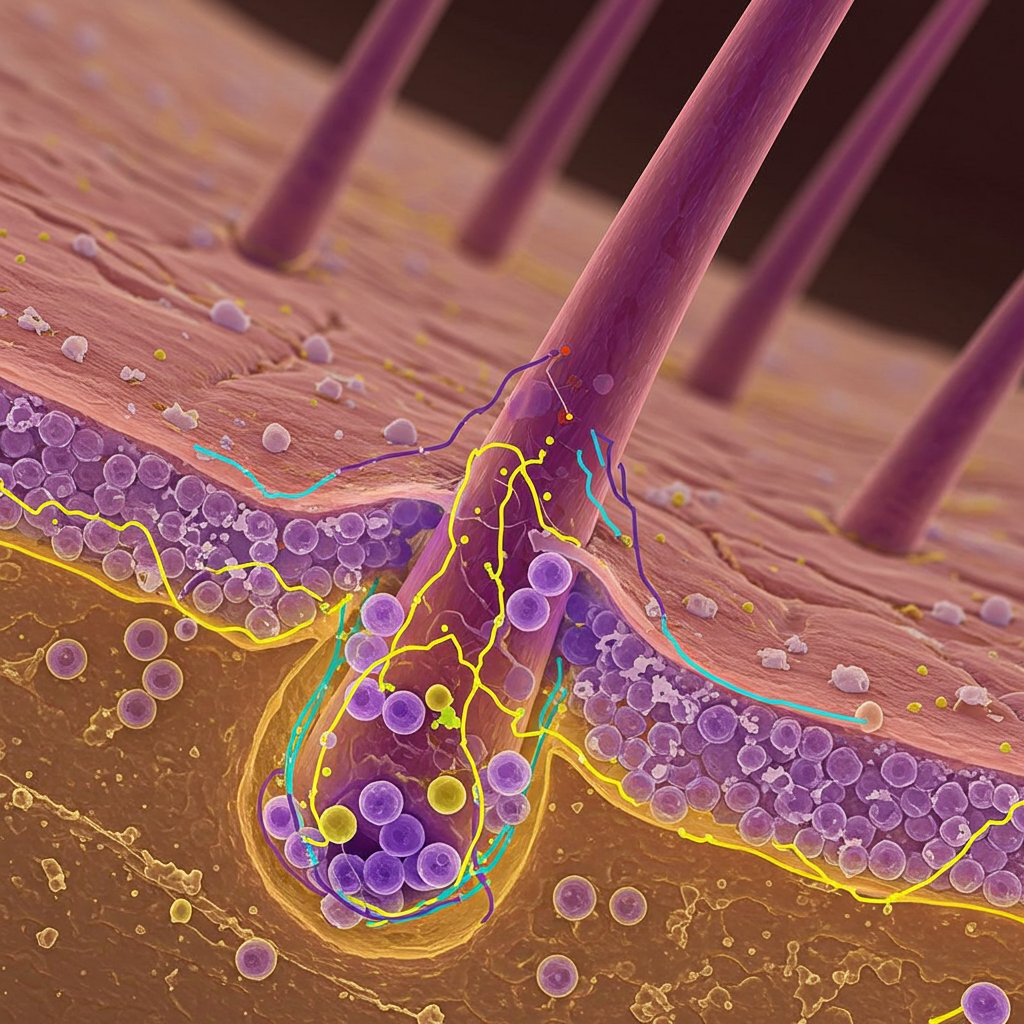
The process begins with ion channels tiny gateways in cell membranes that allow charged particles (ions) to pass through. When these ions move, they create an electrical current. In hair follicles, keratinocytes use these ion channels to generate a small but steady flow of electricity.
Researchers believe this electrical activity serves multiple purposes:
- Stimulating Hair Growth: Electrical signals may help activate stem cells in the follicle, promoting new hair growth.
- Healing and Regeneration: Bioelectricity has been linked to tissue repair, suggesting follicles could aid in skin healing.
- Sensory Functions: Hair follicles are connected to nerve endings, and their electrical activity might enhance touch sensitivity.
The Potential Medical Breakthroughs
This discovery isn’t just a fascinating biological quirk—it could lead to groundbreaking medical treatments. Scientists are exploring how harnessing hair follicle electricity might help with:
1. Hair Regrowth Therapies: By understanding how electrical signals stimulate follicles, researchers could develop new treatments for hair loss, such as bioelectric stimulation devices.
2. Wound Healing: Since bioelectricity plays a role in tissue repair, future therapies might use follicle-derived electrical signals to accelerate healing in chronic wounds.
3. Neurological Applications: The connection between hair follicles and nerves opens possibilities for bioelectric interfaces, potentially aiding in prosthetics or nerve regeneration.
Could We Harness This Energy for Technology?
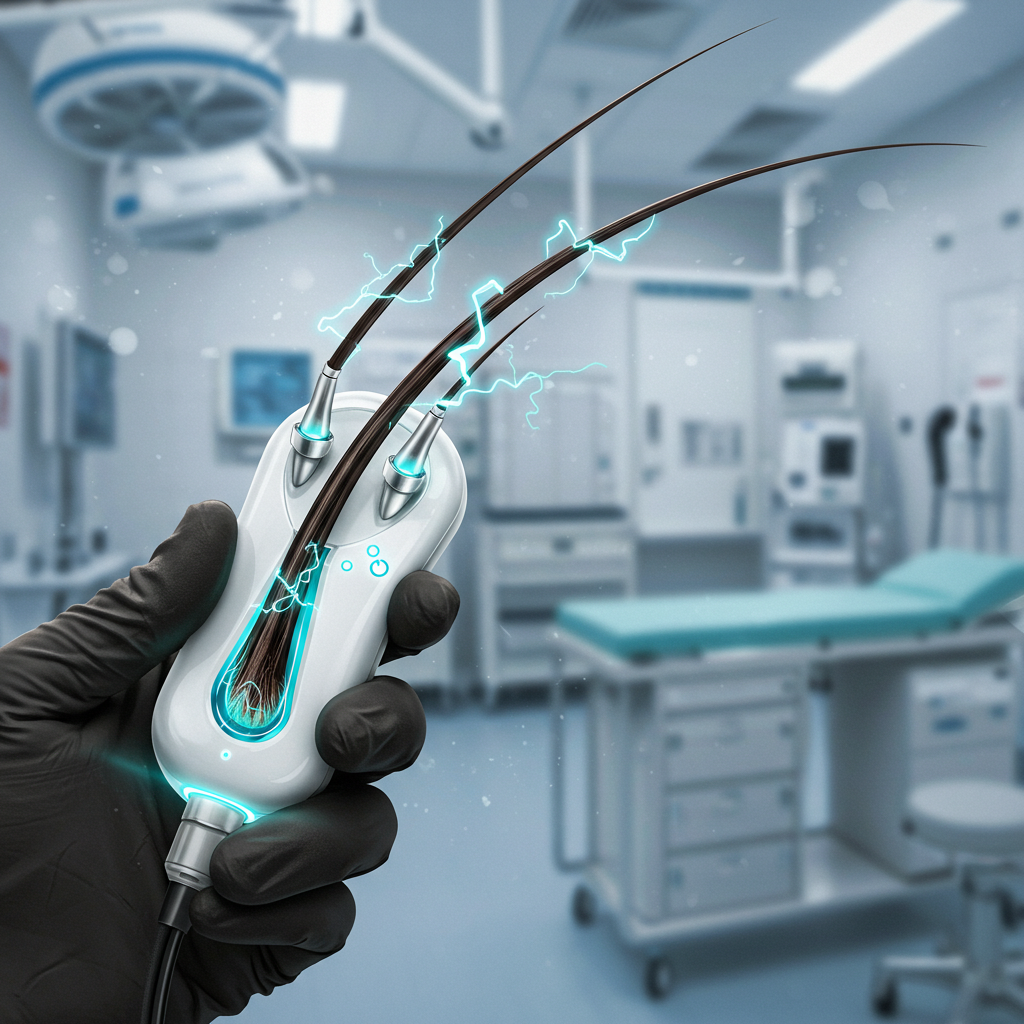
Beyond medicine, some researchers speculate whether hair follicle electricity could be tapped for small-scale energy generation. While the power output of a single follicle is minuscule, the collective energy from millions of follicles might one day contribute to bio-batteries or wearable tech.
Imagine a world where your own body helps charge your devices science is inching closer to making that a reality. However, significant technological hurdles remain before this becomes practical.
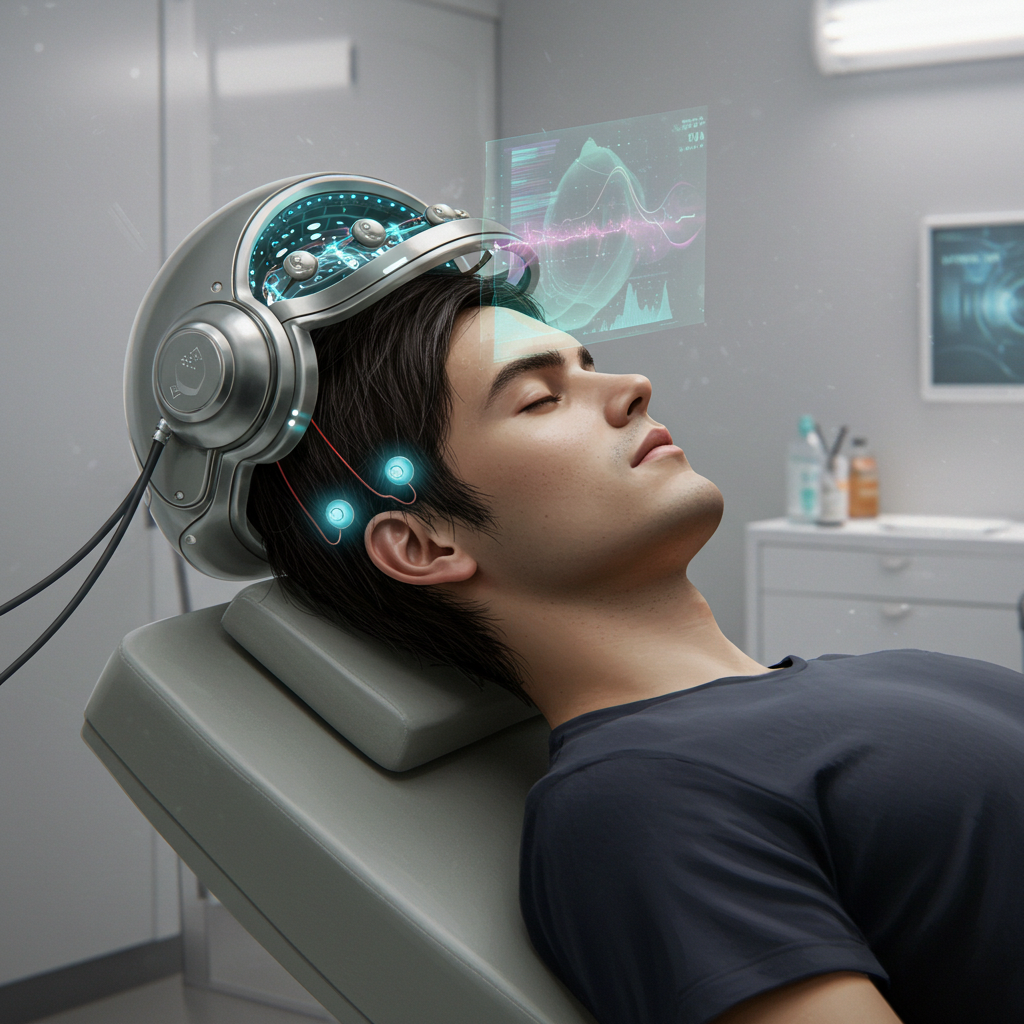
The Future of Bioelectricity
The discovery that hair follicles generate electricity is a testament to the incredible complexity of the human body. What was once thought to be a passive structure is now recognized as an active participant in our biological systems.
As research progresses, we may unlock new ways to treat hair loss, heal injuries, and even integrate bioelectricity into technology. The next time you run your fingers through your hair, remember there’s more going on beneath the surface than meets the eye.
Stay tuned for more updates on this exciting field of science!

