


Unlike blood or saliva tests that offer only a snapshot of cortisol levels, hair analysis can reveal chronic stress patterns over weeks or even months. This breakthrough could revolutionize how we understand and manage stress-related health conditions.
How Cortisol Becomes Embedded in Hair
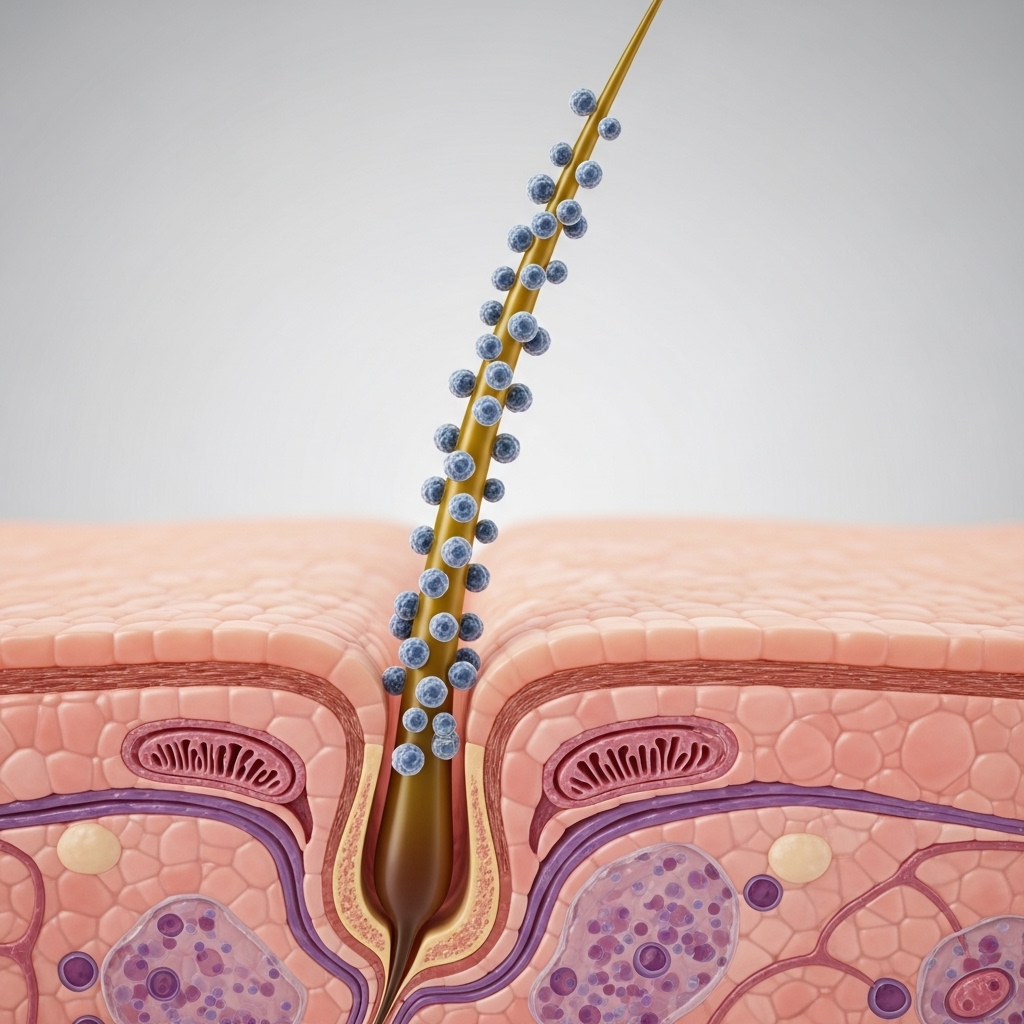
When you experience stress, your adrenal glands release cortisol into your bloodstream. This hormone circulates throughout your body and eventually becomes incorporated into growing hair follicles. As your hair grows at an average rate of 1 cm per month, each segment of hair essentially becomes a biological timeline of your stress exposure.
The process works like this:
1. Stress activation: Your body responds to stressors by producing cortisol
2. Blood circulation: Cortisol travels through your bloodstream
3. Follicle integration: The hormone becomes deposited in growing hair cells
4. Permanent record: As hair grows and hardens, the cortisol remains locked in place
The Science Behind Hair Cortisol Testing
Researchers have developed sophisticated laboratory techniques to measure cortisol concentrations in hair samples. The standard method involves:
Sample collection: A small lock of hair (about the thickness of a pencil) is cut close to the scalp from the back of the head. The first 3 cm closest to the scalp typically represents the last three months of cortisol exposure.
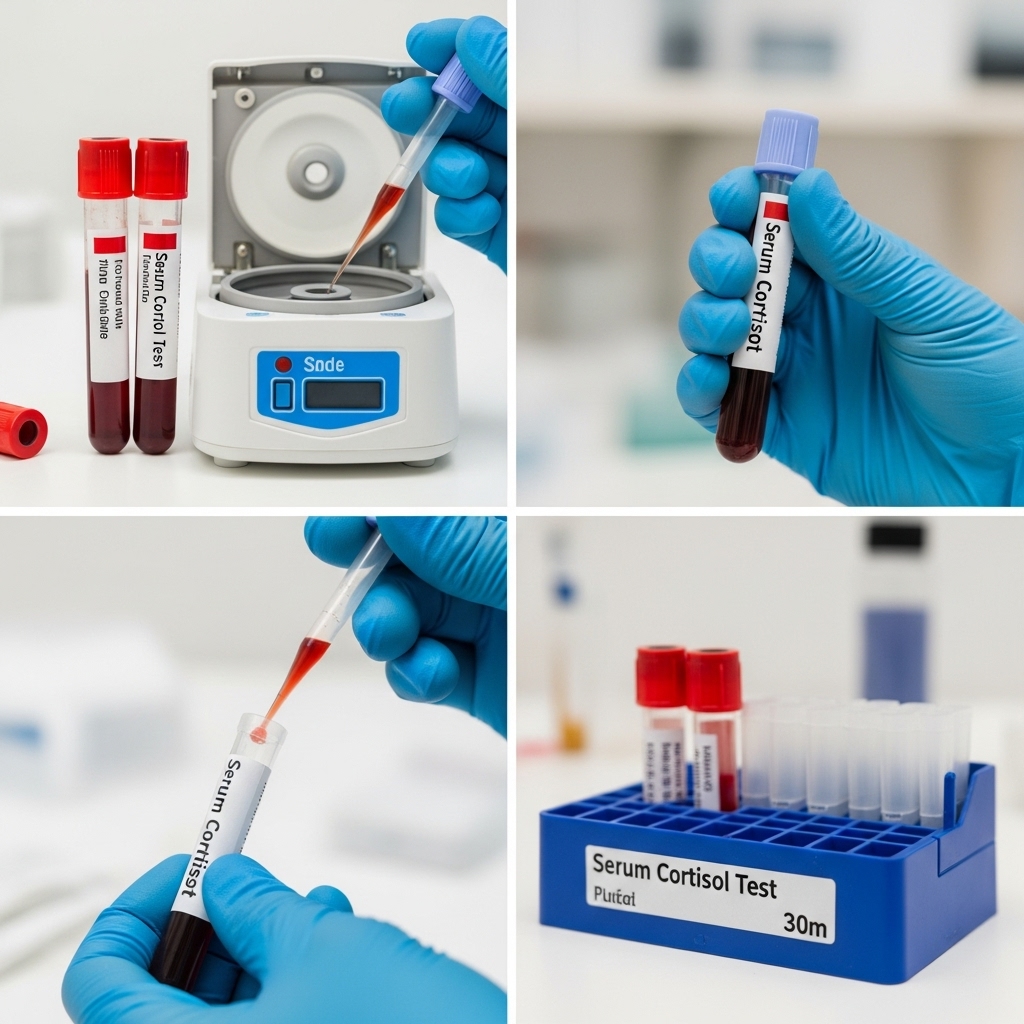
Laboratory analysis: The hair is finely ground and processed to extract cortisol molecules. Advanced techniques like enzyme immunoassay or liquid chromatography-mass spectrometry are then used to quantify cortisol levels with high precision.
Result interpretation: Cortisol concentrations are compared against established reference ranges to determine if levels fall within normal, elevated, or depleted ranges.

What Your Hair Cortisol Levels Reveal About Your Health
Chronic elevated cortisol levels in hair have been linked to numerous health conditions:
Mental health: Consistently high levels correlate with increased risk for depression, anxiety disorders, and burnout
Cardiovascular disease: Long-term cortisol elevation contributes to hypertension and heart disease
Metabolic disorders: Associated with obesity, diabetes, and metabolic syndrome
Cognitive decline: May accelerate memory problems and reduce brain volume in key areas
Conversely, abnormally low cortisol levels may indicate adrenal fatigue or other endocrine disorders.

Comparing Hair Cortisol to Other Stress Tests
Hair cortisol analysis offers distinct advantages over traditional stress measurement methods:
Blood tests: Only show cortisol levels at the moment of testing, missing long-term patterns
Saliva tests: Better for daily fluctuations but still limited to short-term assessment
Urine tests: Measure cortisol metabolites but only over 24-hour periods
Hair analysis: Provides a retrospective look at stress levels over months
The table below summarizes the key differences:
| Method | Time Frame | Stress Pattern Revealed |
|---|---|---|
| Blood Test | Minutes | Acute stress response |
| Saliva Test | Hours | Diurnal rhythm |
| Urine Test | 24 hours | Daily cortisol output |
| Hair Analysis | Months | Chronic stress exposure |
Practical Applications of Hair Cortisol Testing
This innovative biomarker analysis is being used in various fields:
Clinical medicine: Helping diagnose stress-related disorders and monitor treatment effectiveness
Workplace wellness: Assessing occupational stress levels in high-pressure jobs
Pregnancy research: Studying the impact of maternal stress on fetal development
Psychological studies: Investigating long-term stress patterns in trauma survivors
Personal health tracking: Available as a commercial test for health-conscious individuals

How to Manage Elevated Hair Cortisol Levels
If testing reveals chronically high cortisol levels, these evidence-based strategies can help:
Mind-body practices: Regular meditation, yoga, or tai chi can lower cortisol by 20-30%
Quality sleep: Prioritizing 7-9 hours nightly helps regulate HPA axis function
Physical activity: Moderate exercise (not overtraining) balances stress hormones
Nutritional support: Omega-3s, probiotics, and adaptogenic herbs may help modulate cortisol
Social connection: Positive relationships buffer against stress hormone spikes
Remember that consistency is key—since hair cortisol reflects long-term patterns, sustainable lifestyle changes will be most effective.

The Future of Stress Biomarker Research
Scientists continue to explore exciting new directions in hair biomarker analysis:
Multiple hormone profiling: Measuring other stress-related compounds like DHEA alongside cortisol
Segment analysis: Examining centimeter-by-centimeter changes in stress exposure
Environmental toxins: Studying how pollutants interact with stress hormone pathways
Epigenetic markers: Investigating how stress affects gene expression patterns in hair follicles
As research advances, hair analysis may become a standard tool for personalized stress management and preventive healthcare.

Should You Get Your Hair Cortisol Tested?
Consider hair cortisol testing if you:
Experience chronic stress symptoms (fatigue, sleep problems, weight changes)
Have risk factors for stress-related diseases
Want objective data about your long-term stress levels
Are monitoring the effectiveness of stress-reduction interventions
While not yet routinely available through standard healthcare providers, several specialized laboratories and wellness companies now offer hair cortisol testing directly to consumers.
Your hair has been quietly recording your stress story all along. With this remarkable scientific advancement, we can now read that story—and write a healthier next chapter.

