
Have you ever stopped to think about the hidden forces surrounding your hair? Beyond its aesthetic appeal, each strand of hair generates a tiny but measurable electromagnetic field. This phenomenon, often overlooked, could hold the key to understanding deeper biological and technological interactions. In this blog post, we’ll explore the science behind this fascinating discovery, its potential implications, and why it matters more than you might think.
What Is an Electromagnetic Field?
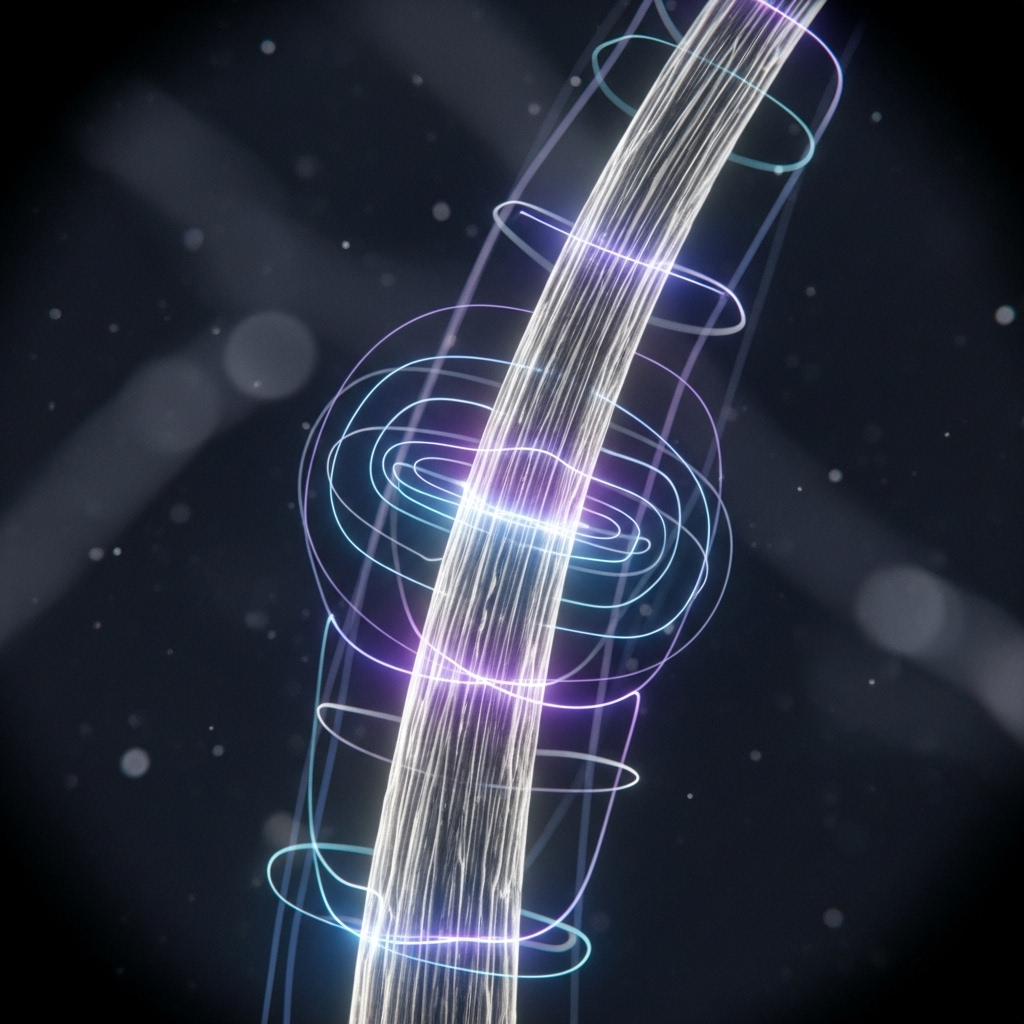
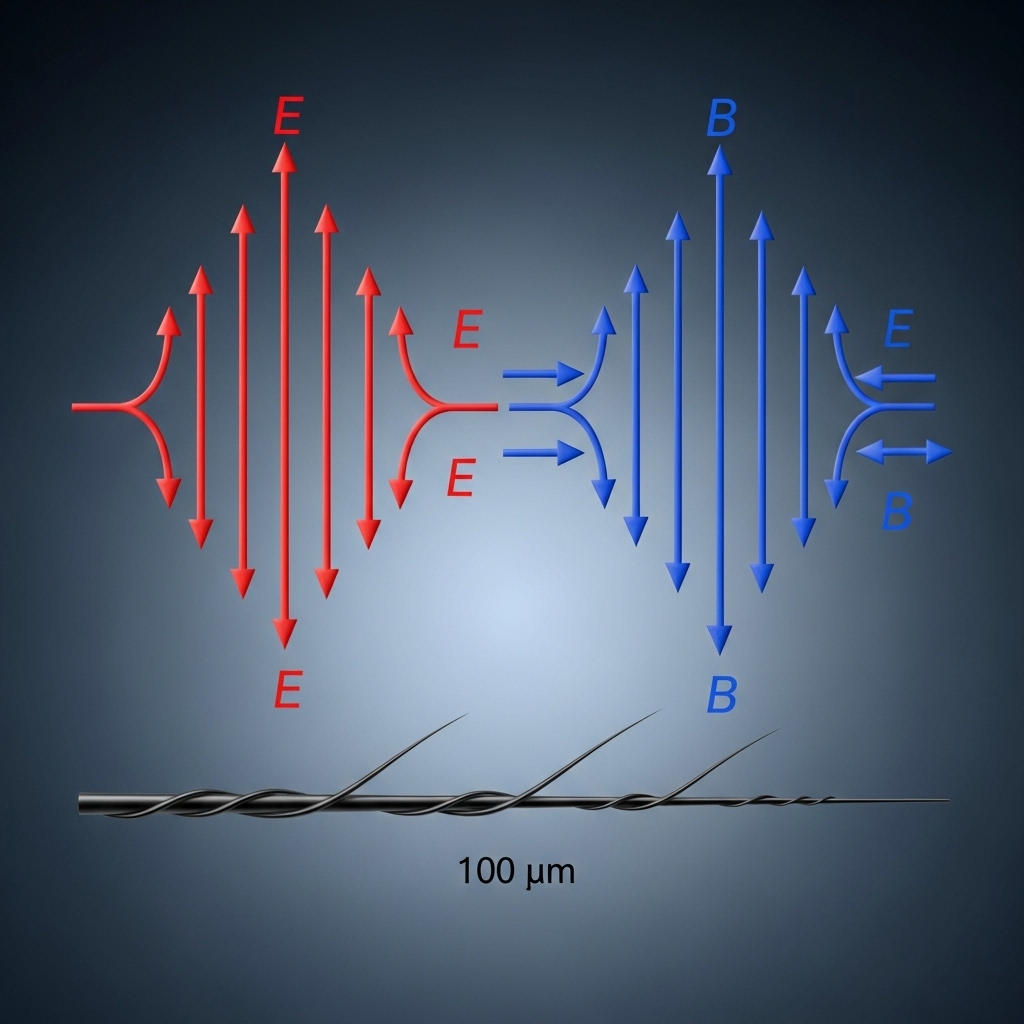
An electromagnetic field (EMF) is a physical field produced by electrically charged objects. It consists of both electric and magnetic components, which oscillate perpendicular to each other and propagate as waves. While we often associate EMFs with large-scale sources like power lines or Wi-Fi routers, they also exist at microscopic levels—including around biological structures like hair.
Every time electrons move within an atom or molecule, they generate a minuscule electromagnetic field. Since hair is composed of keratin—a protein rich in electrically charged amino acids—it naturally emits these fields, albeit on an incredibly small scale.
The Science Behind Hair’s Electromagnetic Field
Researchers have discovered that hair strands generate weak but detectable electromagnetic fields due to their molecular structure. Keratin, the primary protein in hair, contains polar amino acids that create tiny electric dipoles. When these dipoles align or shift, they produce minute electromagnetic fluctuations.
But how strong is this field? Studies using highly sensitive instruments, such as SQUID magnetometers, have measured these fields at levels far weaker than Earth’s natural magnetic field. However, the cumulative effect of millions of hair strands might have more significant implications than previously thought.

Potential Biological Implications
Could the electromagnetic fields around hair influence our health or bodily functions? Some scientists speculate that these micro-EMFs may play a role in cellular communication. For instance:
- Sensory perception: Hair follicles are connected to nerve endings, and their EMFs might interact with the nervous system.
- Regenerative processes: Weak electromagnetic fields have been shown to stimulate tissue repair in some studies.
- Environmental interactions: Hair’s EMFs might respond to external electromagnetic stimuli, such as sunlight or artificial radiation.
While research is still in its early stages, these possibilities open exciting avenues for future studies in biophysics and medicine.
Technological Applications
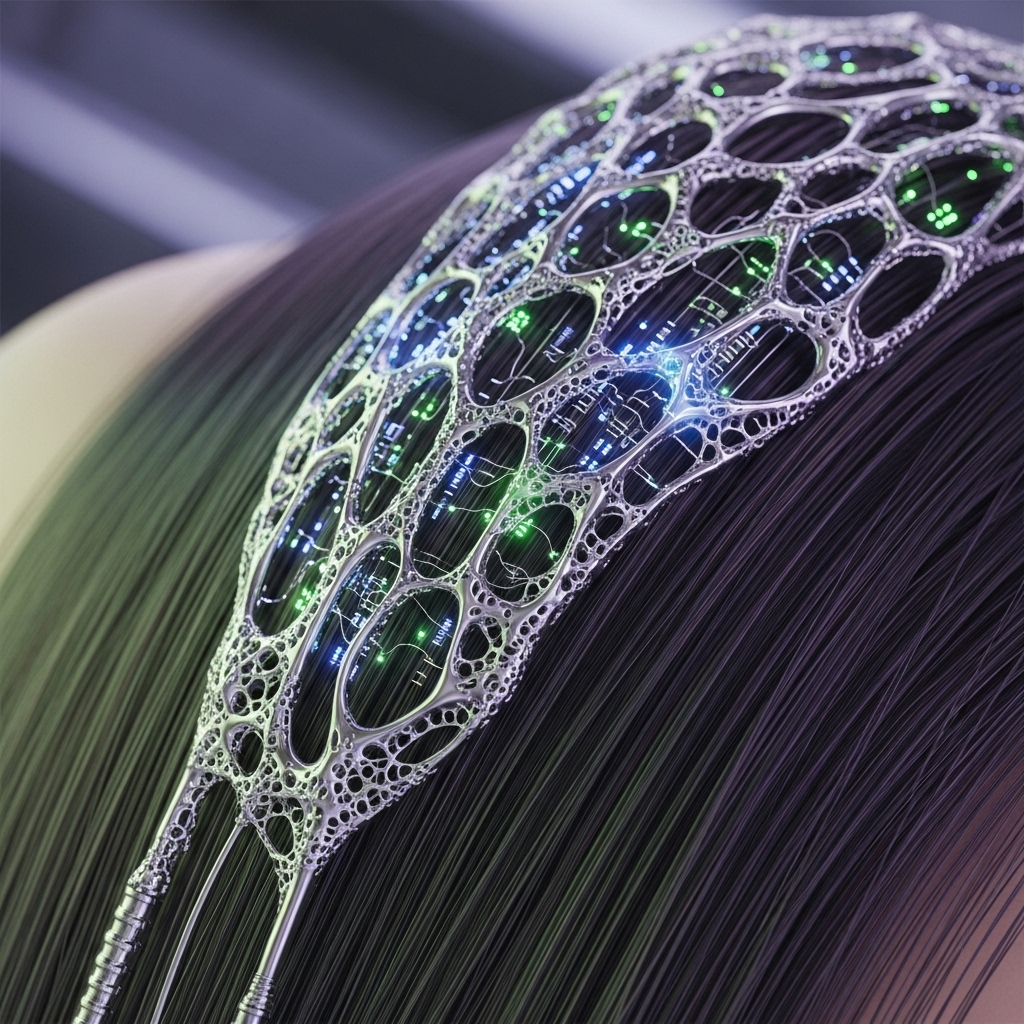
Beyond biology, the electromagnetic properties of hair could inspire innovations in technology. For example:
1. Bio-sensors: Hair-based sensors could detect environmental EMF changes or even monitor health metrics like stress hormones.
2. Energy harvesting: Researchers are exploring whether the piezoelectric properties of keratin (its ability to generate electricity under mechanical stress) could be harnessed for wearable tech.
3. Advanced materials: Synthetic fibers mimicking hair’s electromagnetic behavior might lead to new smart textiles or shielding materials.
Debunking Myths
With any emerging scientific concept, misconceptions can arise. Let’s clarify a few common myths about hair’s electromagnetic fields:
Myth: “Hair EMFs are strong enough to interfere with electronics.”
Reality: The fields are far too weak to affect devices like phones or computers.
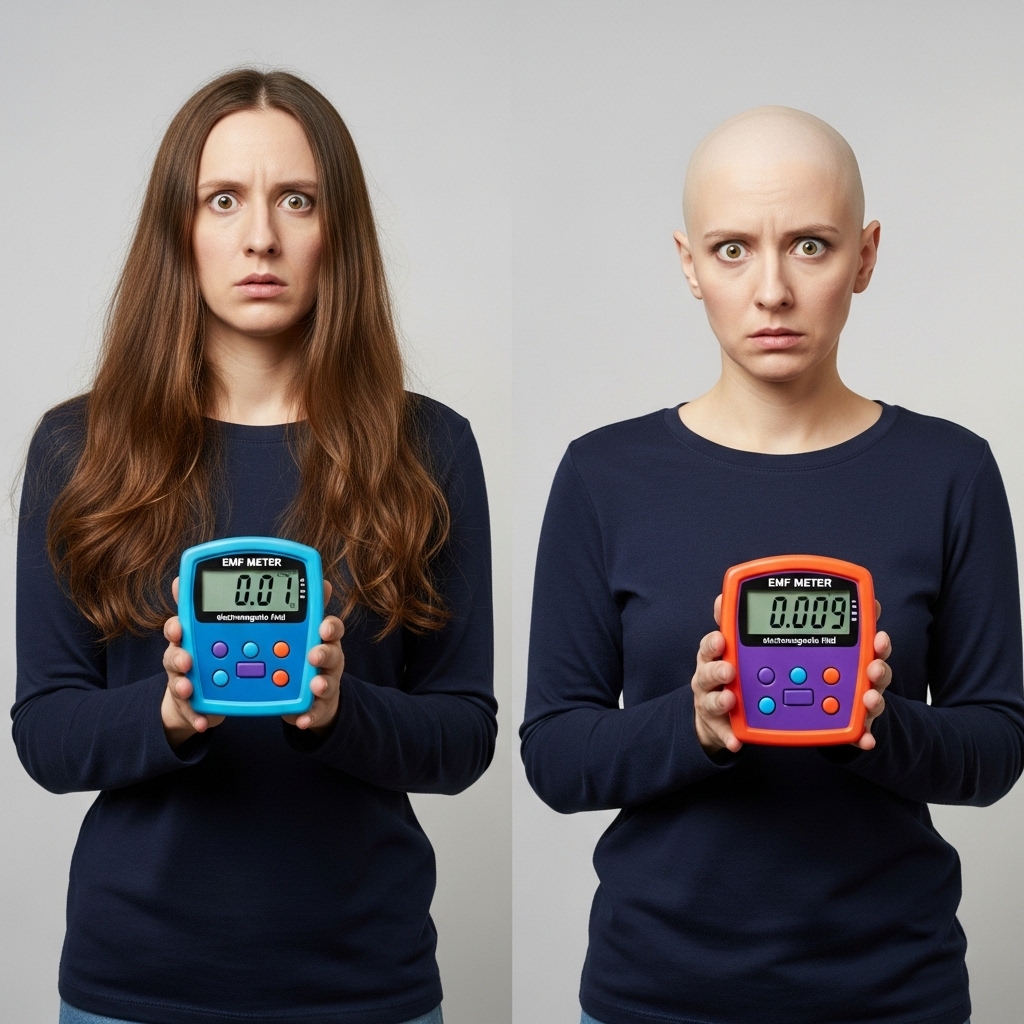
Myth: “Shaving your hair disrupts your body’s natural energy flow.”
Reality: While hair contributes to micro-EMFs, the body has many other sources of electromagnetic activity, making this effect negligible.
Future Research Directions
The study of hair’s electromagnetic fields is still in its infancy, but several promising directions are emerging:
- Quantifying effects: More precise measurements are needed to understand how these fields interact with surrounding tissues.
- Medical applications: Could controlled EMF stimulation of hair follicles enhance growth or healing?
- Environmental impact: How do external EMFs (e.g., from phones) influence hair’s natural fields?
As tools for measuring nanoscale electromagnetic activity improve, we may uncover even more surprising connections.

Conclusion
The electromagnetic fields surrounding each hair strand are a hidden marvel of biology—one that bridges the gap between the microscopic and the cosmic. While their immediate effects may be subtle, the potential implications for health, technology, and our understanding of life itself are profound. Next time you run your fingers through your hair, remember: you’re not just touching strands of keratin, but countless tiny force fields, each whispering secrets we’ve only begun to decode.

