
Have you ever wondered why your hair stands on end when you’re scared or why stress can lead to hair loss? The answer lies in an incredible biological dialogue between your hair follicles and your brain. Far from being just simple strands of protein, your hair is part of a complex communication network that sends and receives signals from your nervous system.
In this article, we’ll explore the science behind this connection, how it affects your health, and what it means for conditions like stress-related hair loss. Let’s dive into the hidden world of hair-brain communication!
The Science of Hair Follicle-Brain Communication
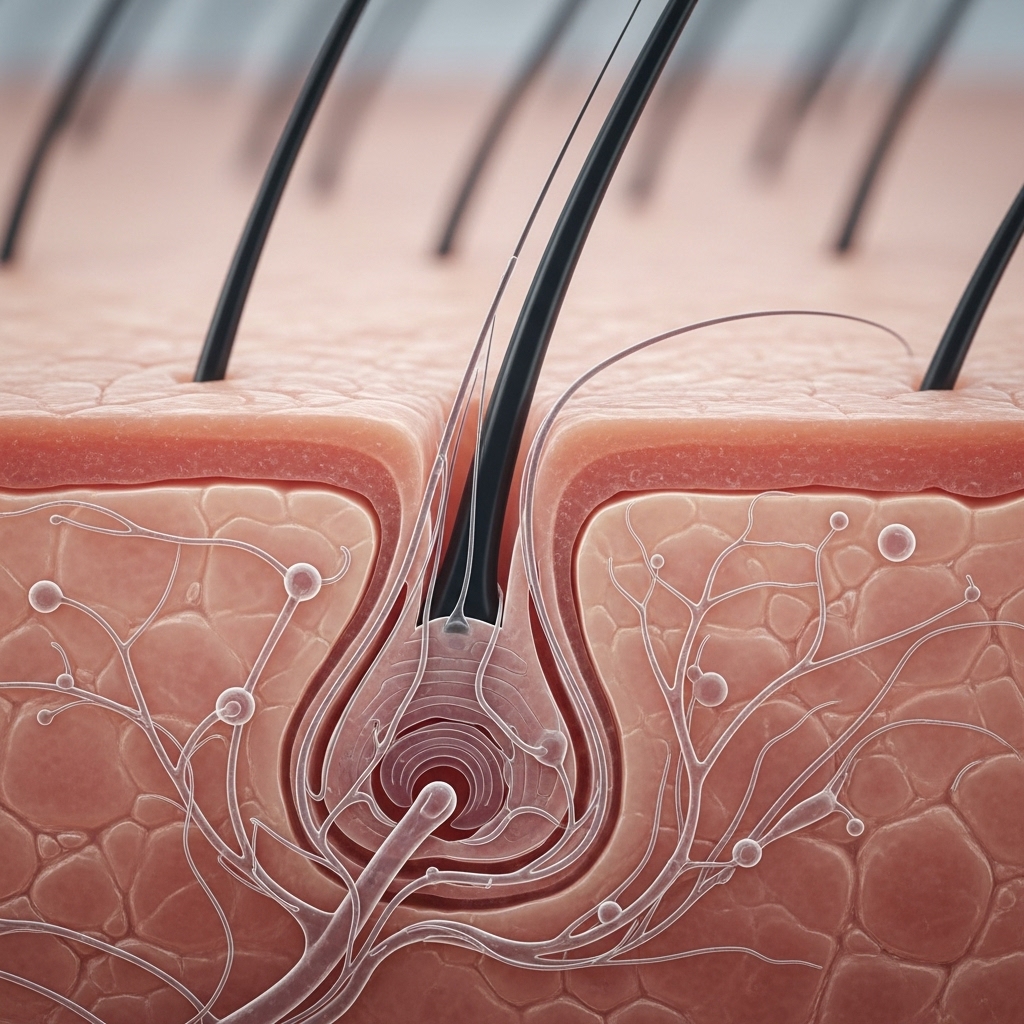
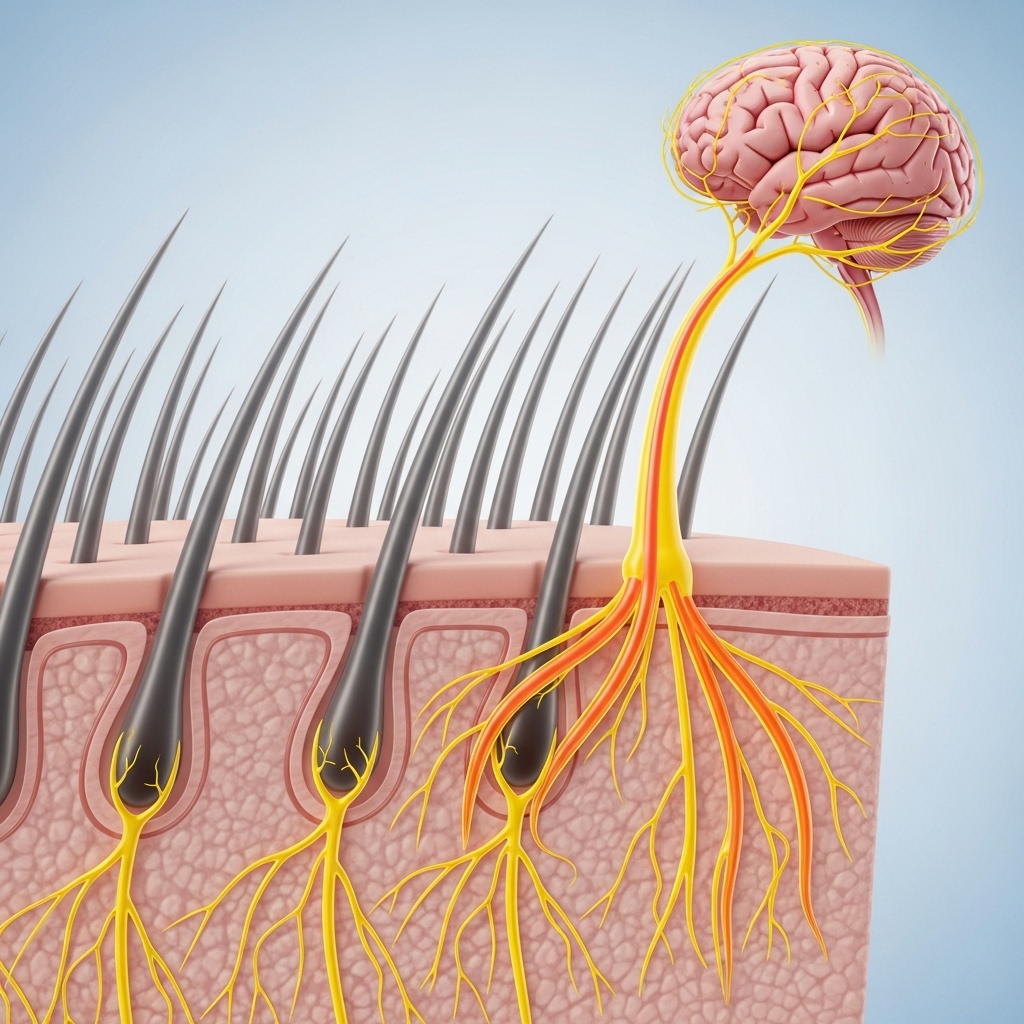
Hair follicles are more than just hair-producing factories—they are mini-organs packed with nerve endings, blood vessels, and stem cells. These follicles are densely innervated, meaning they have direct connections to sensory nerves that send signals to the brain.
Key players in this communication:
- Nerve fibers: Surrounding each follicle, these detect touch, temperature, and movement.
- Neurotransmitters: Chemicals like serotonin and dopamine influence hair growth cycles.
- Hormones: Stress hormones (like cortisol) can disrupt follicle function.
When you feel a gentle breeze or a bug crawling on your skin, it’s often these follicle-associated nerves that first alert your brain. This two-way communication helps regulate hair growth, sensitivity, and even emotional responses.
The Role of Stress in Hair-Brain Signaling
One of the most well-documented examples of hair-brain communication is the impact of stress. Chronic stress triggers the release of cortisol, which can shrink hair follicles and push them into a resting phase—leading to hair thinning or shedding (telogen effluvium).
How it happens:
- Stress activates the hypothalamic-pituitary-adrenal (HPA) axis.
- Cortisol binds to receptors in hair follicles, disrupting growth cycles.
- Inflammation from stress can damage follicle stem cells.
Interestingly, the reverse is also true: studies suggest that stimulating hair follicles (through massage or low-level laser therapy) may send calming signals back to the brain, reducing stress.

Hair Follicles as Sensory Antennas
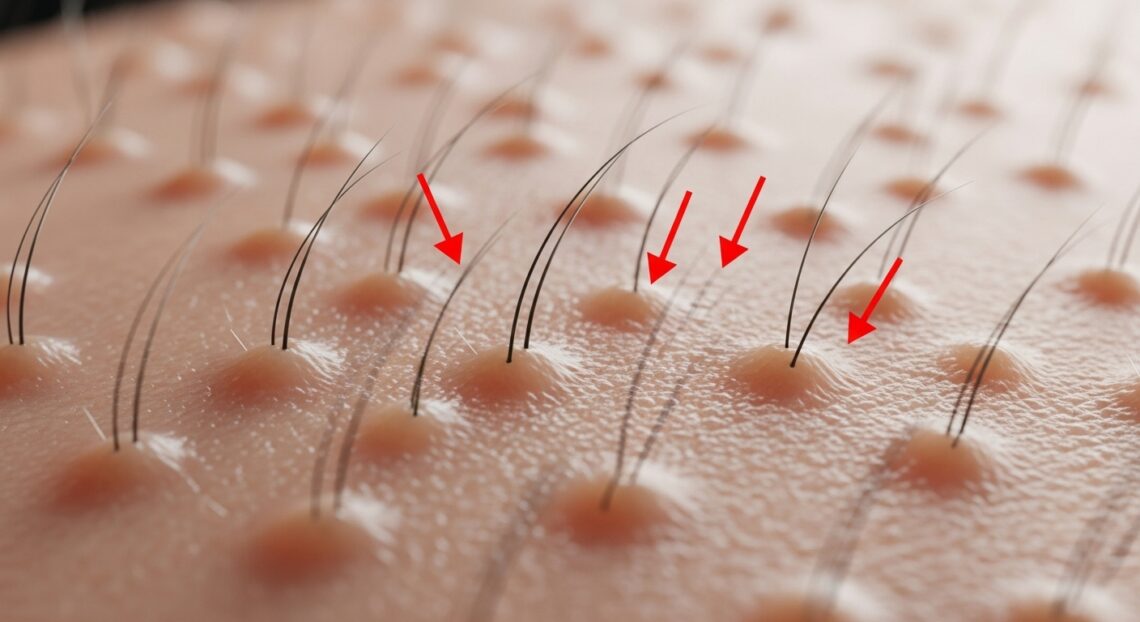
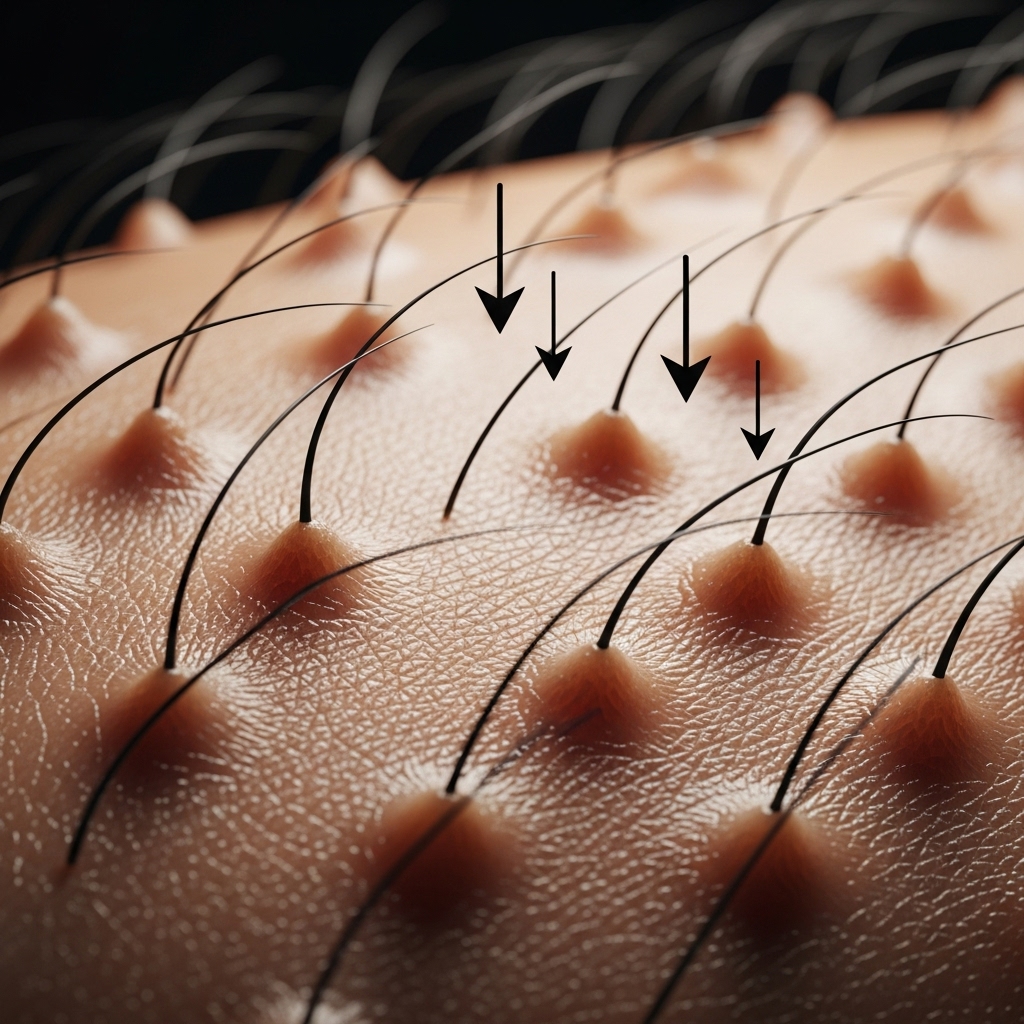
Each hair follicle acts like a tiny antenna, detecting subtle changes in the environment. This is why you get “goosebumps”—when muscles around follicles contract in response to cold or fear, they create tiny bumps and make hairs stand upright.
Evolutionarily, this response helped our ancestors appear larger to predators or trap warmth. Today, it’s a fascinating remnant of our nervous system’s direct control over hair.
Researchers are now exploring how follicle nerves contribute to:
- Touch sensitivity (e.g., feeling a light brush against your arm).
- Wound healing (follicle stem cells help regenerate skin).
- Social bonding (oxytocin release from gentle touch).
Hair Loss and Neurological Connections
Conditions like alopecia areata—an autoimmune hair loss disorder—highlight the brain-follicle link. Stress and emotional trauma often precede flare-ups, suggesting nervous system involvement.
Emerging treatments target this connection:
- Topical neuropeptide creams to calm follicle inflammation.
- Mindfulness therapies to reduce stress-induced hair loss.
- Vagus nerve stimulation to modulate immune responses.
Even common baldness (androgenetic alopecia) may have neurological ties, as male pattern baldness correlates with higher scalp tension and reduced blood flow—partly regulated by nerves.
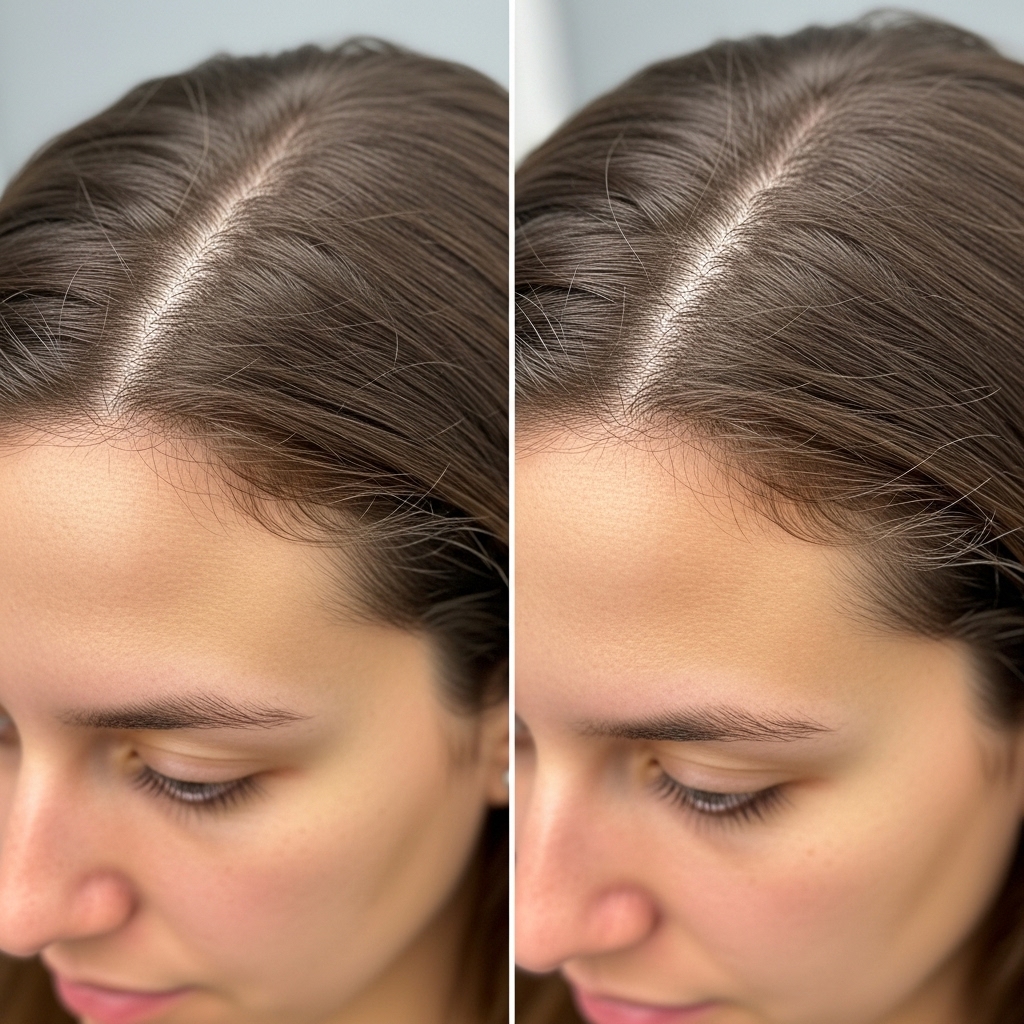
Future Research: Hair Follicles and Brain Health
Scientists are now investigating whether hair follicles could serve as “windows” into brain health. Since follicles share biochemical pathways with neurons, analyzing them might reveal insights about:
- Neurodegenerative diseases (e.g., Alzheimer’s biomarkers in follicle stem cells).
- Mental health (follicle cortisol levels as stress indicators).
- Circadian rhythms (hair growth cycles tied to sleep hormones).
One day, a simple hair analysis might help diagnose neurological conditions early—or even predict how well a patient will respond to certain medications.

Conclusion: Listening to Your Hair’s Signals
Your hair follicles are far more than cosmetic features—they’re dynamic communicators in constant dialogue with your brain. From stress responses to sensory perception, this connection influences both your appearance and overall well-being.
Key takeaways:
- Hair follicles are richly innervated and respond to brain signals (and vice versa).
- Stress management can directly improve hair health by calming this axis.
- Future medicine may use follicles to monitor neurological health.

