
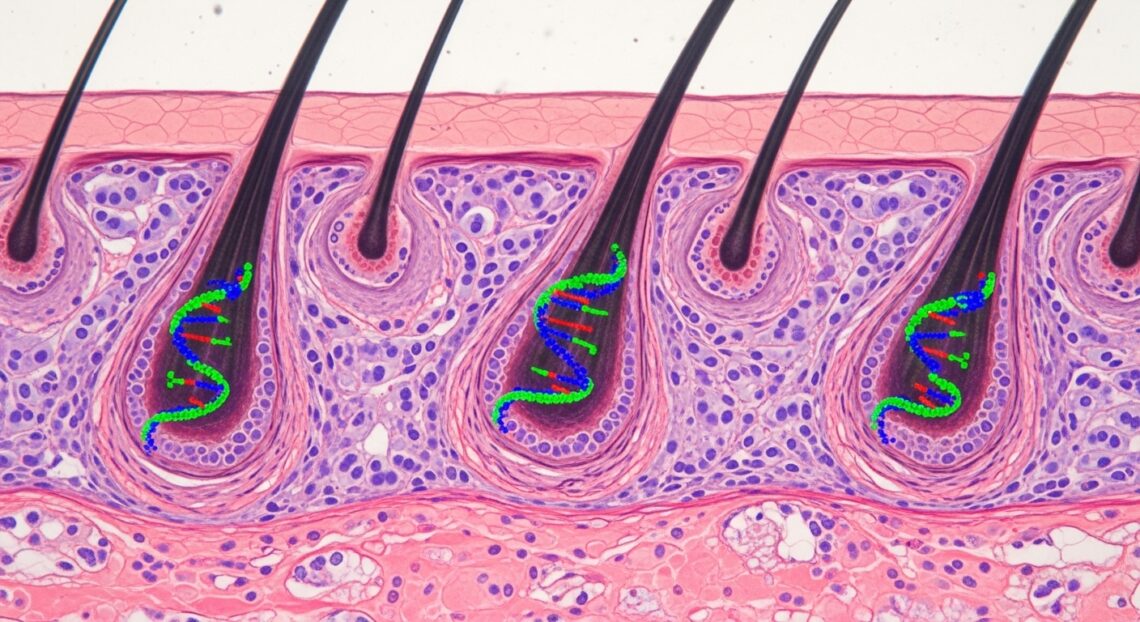
Have you ever noticed your hair thinning or graying during stressful periods? It’s not just in your head—science confirms that chronic stress can rewrite your hair’s DNA, leading to premature aging, hair loss, and even changes in texture. But how does this happen, and can you reverse the damage? Let’s dive into the fascinating connection between stress and your hair’s genetic blueprint.

The Science Behind Stress and Hair DNA
Stress doesn’t just affect your mood—it leaves a biological footprint. Research from Harvard University found that chronic stress triggers changes in the stem cells responsible for hair growth, altering their DNA expression. This process, known as epigenetic modification, can switch genes on or off, disrupting the natural hair growth cycle.
When you’re under prolonged stress, your body releases cortisol, the primary stress hormone. Elevated cortisol levels interfere with the hair follicle’s regenerative abilities, leading to:
- Telogen effluvium (excessive hair shedding)
- Premature graying (melanocyte stem cell depletion)
- Thinner hair shafts (weakened keratin production)
How Stress Accelerates Hair Aging
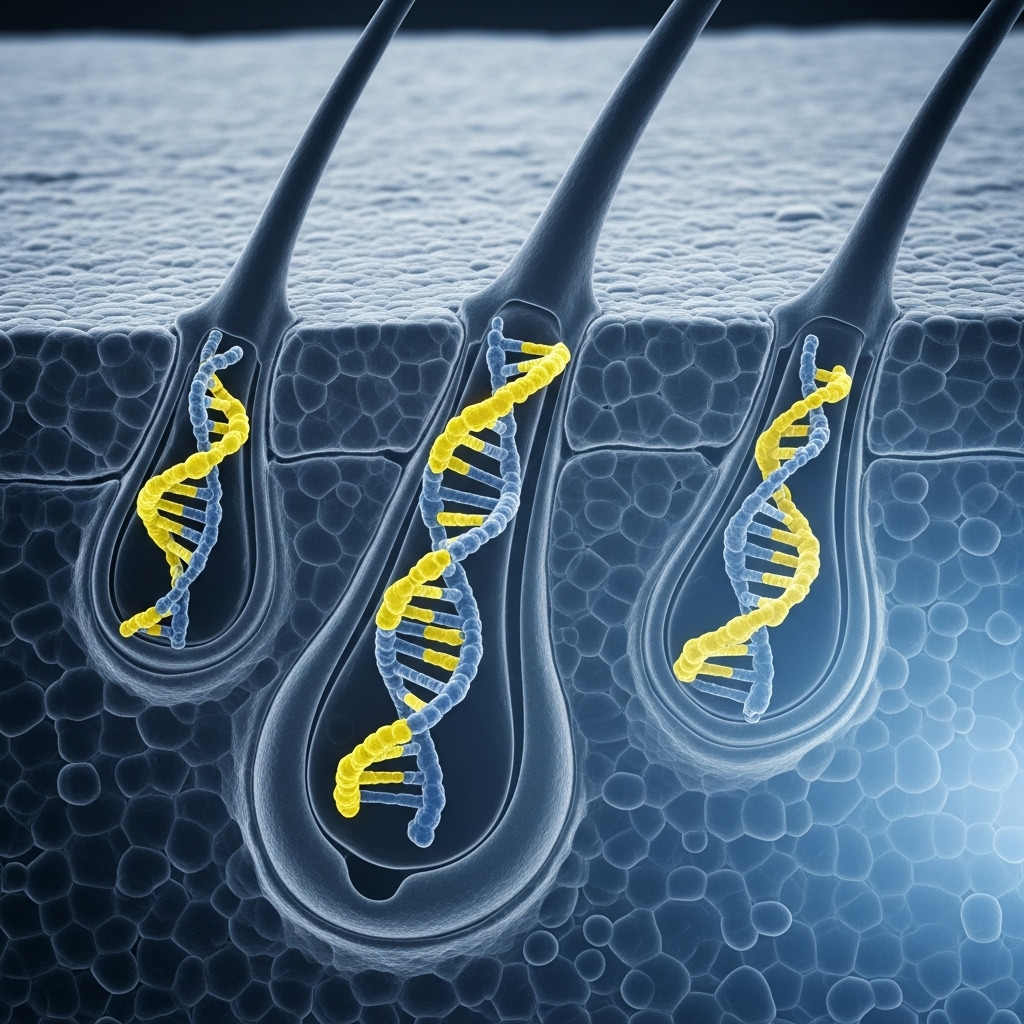
Your hair’s aging process is partly controlled by telomeres, protective caps at the end of DNA strands that shorten with age. Chronic stress accelerates telomere shortening, effectively aging your hair faster. A study in Nature revealed that individuals with high stress levels had significantly shorter telomeres, correlating with earlier hair graying and thinning.
Additionally, stress depletes key nutrients like B vitamins, zinc, and magnesium, which are essential for DNA repair and hair health. Without these nutrients, your hair follicles struggle to regenerate, leading to long-term damage.
Can You Reverse Stress-Induced Hair Damage?
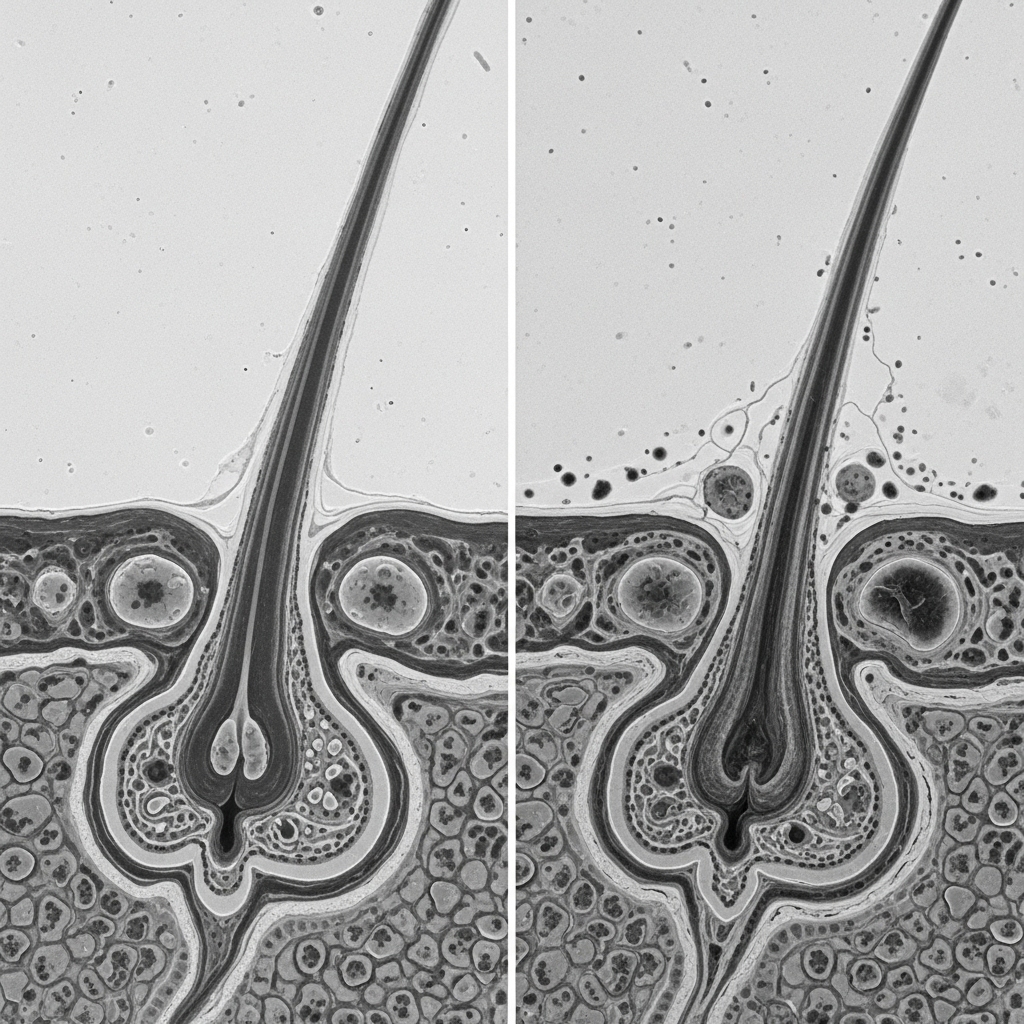
The good news? Epigenetic changes are reversible. By reducing stress and adopting healthy habits, you can restore your hair’s DNA expression. Here’s how:
1. Manage Cortisol Levels
Practices like meditation, deep breathing, and yoga lower cortisol production. Even 10 minutes of daily mindfulness can make a difference.
2. Support DNA Repair with Nutrition
Foods rich in antioxidants (berries, leafy greens) and omega-3s (salmon, walnuts) combat oxidative stress and promote hair follicle health.
3. Stimulate Hair Regrowth
Scalp massages and treatments like peppermint oil or rosemary oil improve blood flow to follicles, encouraging regeneration.

Real-Life Cases: Stress and Hair Transformation
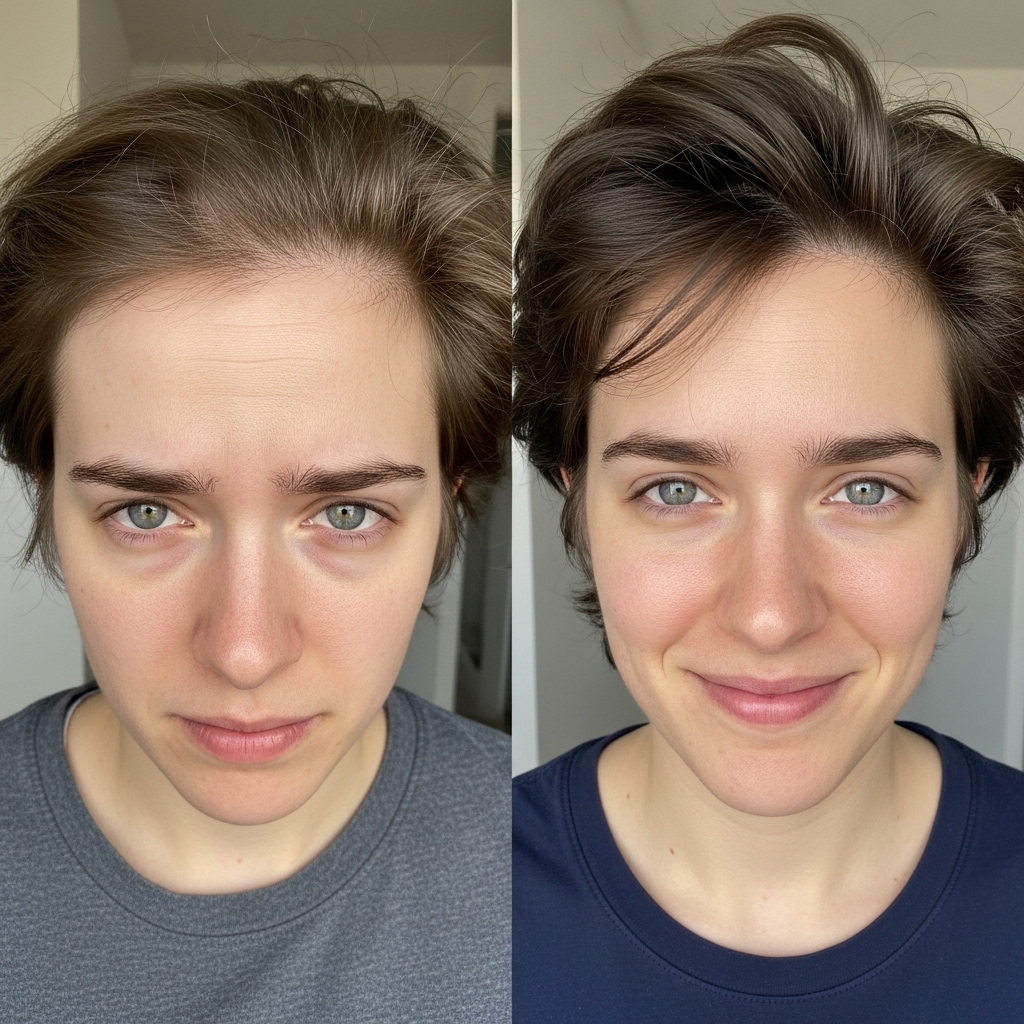
A 2022 case study followed patients who experienced significant hair regrowth after six months of stress management. Participants who combined therapy, exercise, and a nutrient-dense diet saw:
- 34% reduction in hair shedding
- Improved hair thickness (measured via trichoscopy)
- Slowed graying progression
This proves that lifestyle changes can literally rewrite your hair’s destiny.
Key Takeaways
Stress doesn’t just affect your mind—it leaves a lasting mark on your hair’s DNA. But with the right approach, you can:
- Reverse epigenetic damage through stress reduction
- Restore nutrient balance to support hair growth
- Reactivate dormant follicles with targeted care
Your hair’s health is a reflection of your inner well-being. By tackling stress at its root, you can reclaim luscious, vibrant hair—straight from the DNA up.

