
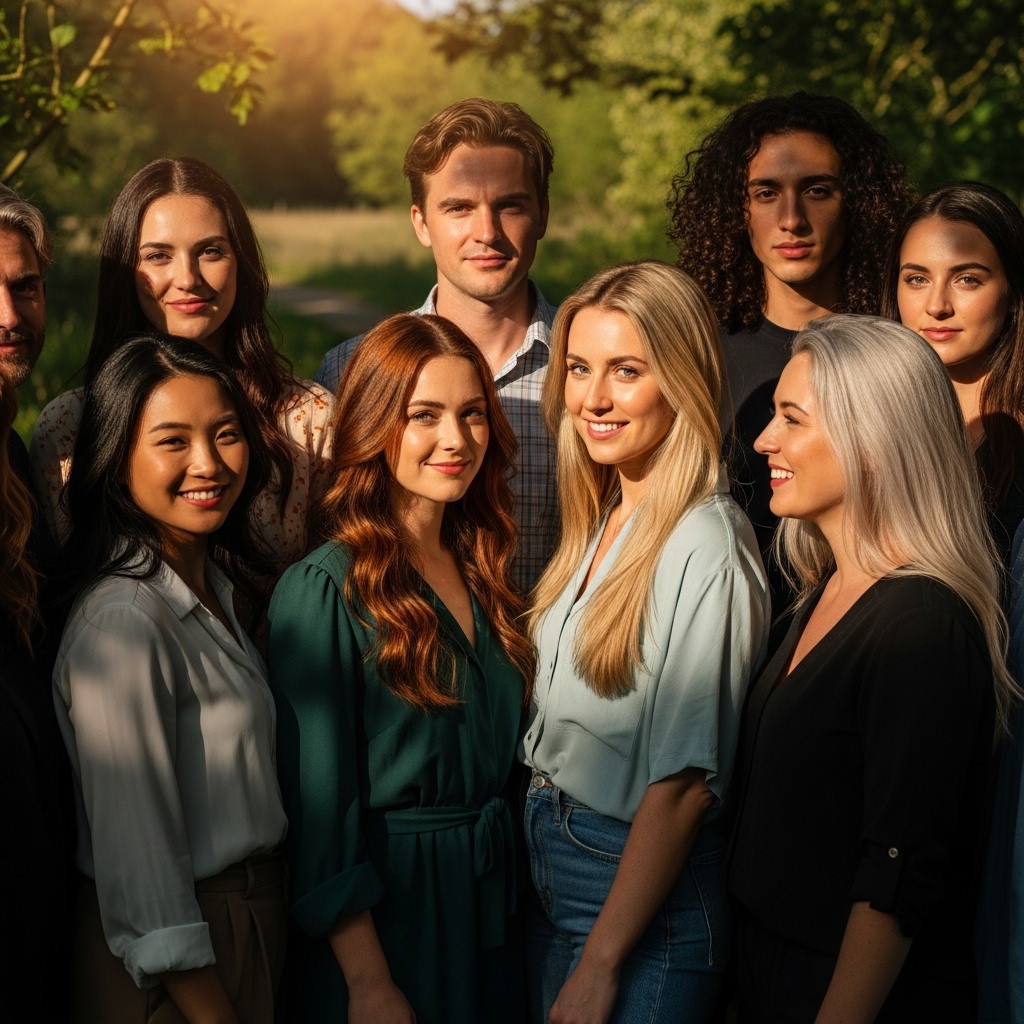
In this deep dive, we’ll explore how natural selection shaped human hair color variation across different populations and environments. You’ll discover how something as seemingly superficial as hair pigment may have played a vital role in human survival and reproduction throughout our evolutionary history.
The Science Behind Hair Color Genetics
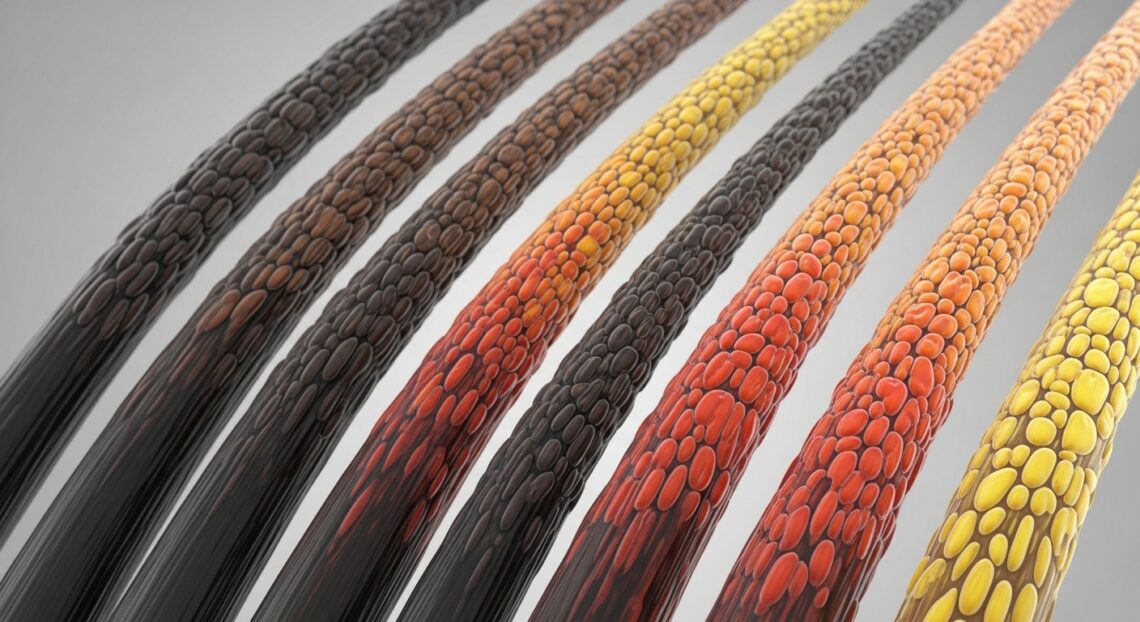
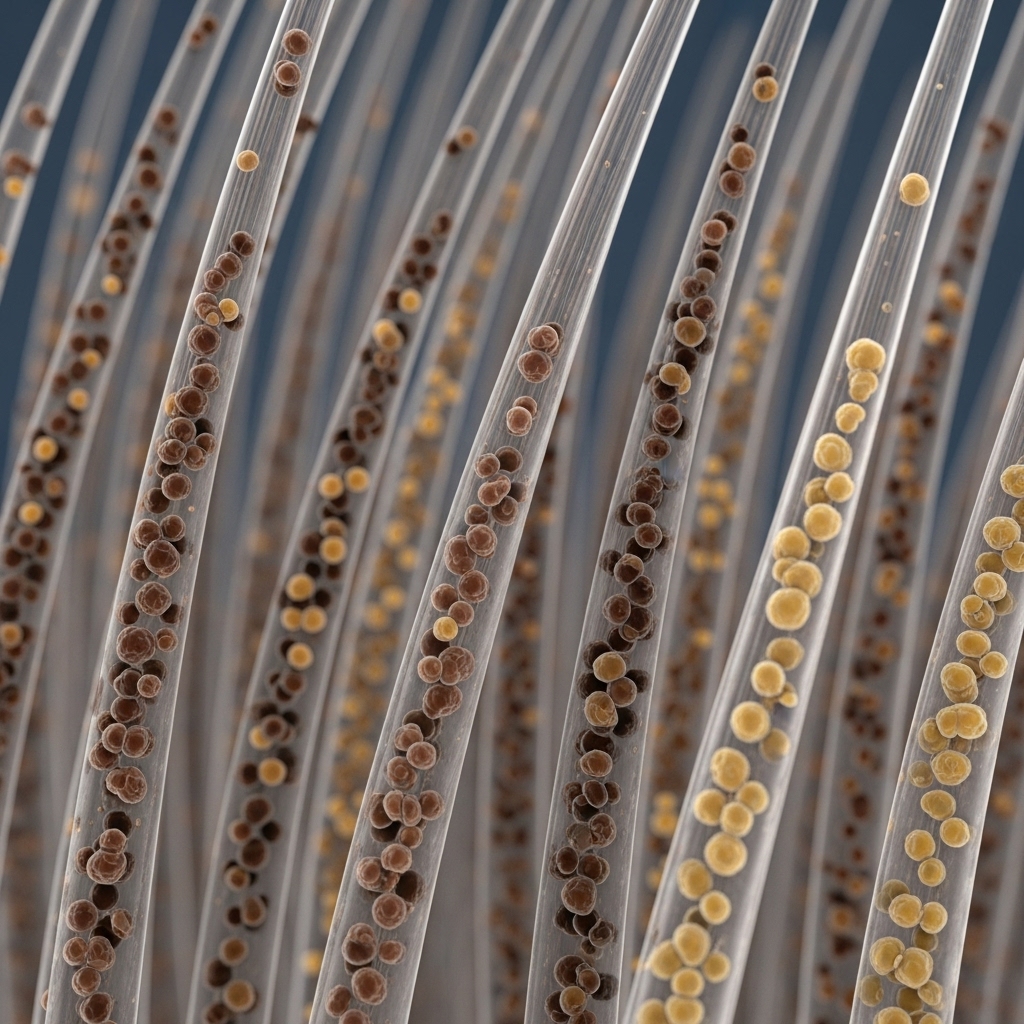
Human hair color is primarily determined by two types of melanin pigment: eumelanin (which produces black and brown colors) and pheomelanin (which produces red and yellow colors). The specific combination and concentration of these pigments create the spectrum of hair colors we see today.
Genetic research has identified several key genes that influence hair color, including MC1R, which plays a particularly important role in red hair. Interestingly, these genetic variations didn’t appear randomly – they were shaped by evolutionary pressures related to environment, sexual selection, and vitamin synthesis.
UV Radiation and the Vitamin D Connection
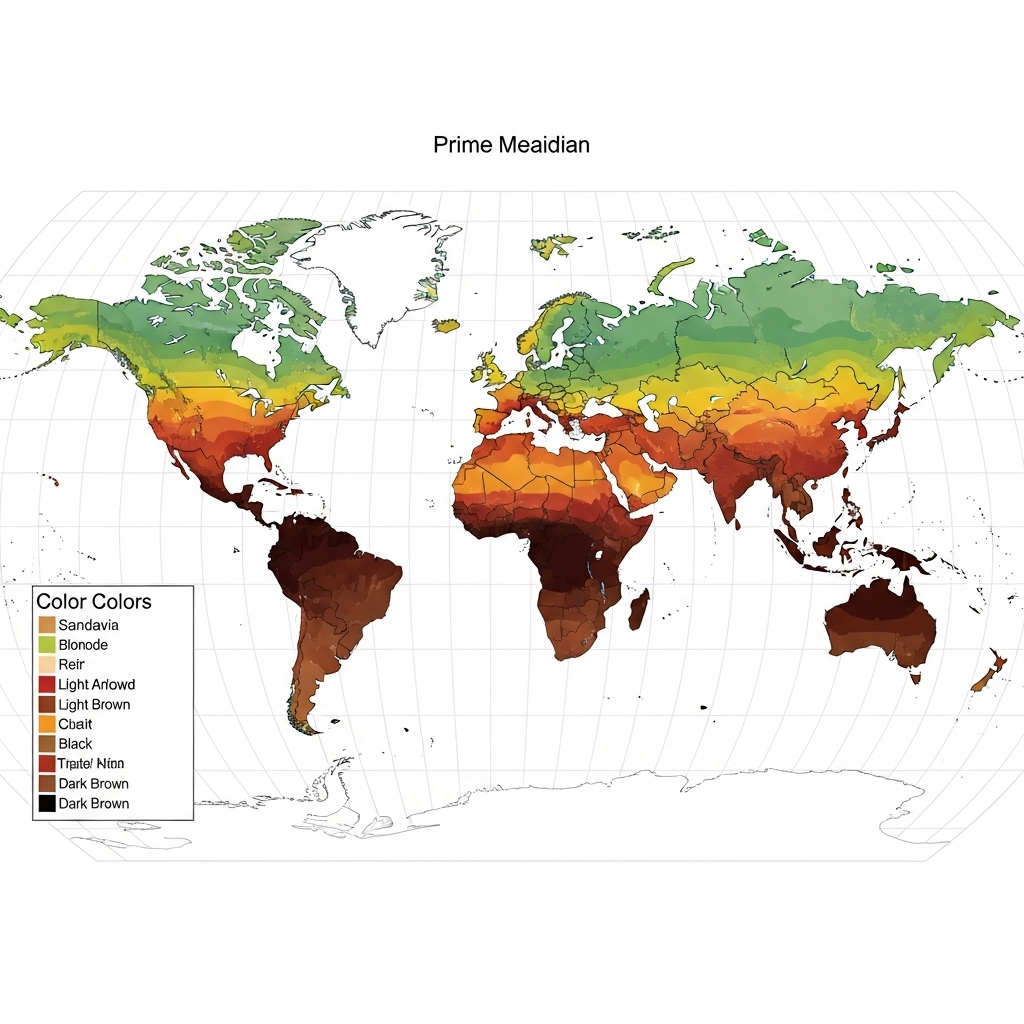
One of the most compelling evolutionary explanations for hair color variation relates to latitude and sunlight exposure. As early humans migrated out of Africa into northern latitudes with less intense sunlight, lighter hair colors may have provided a survival advantage.
Darker hair provides better protection against UV radiation damage, which was advantageous near the equator. However, in northern regions, lighter hair allowed more UV penetration to the scalp, facilitating vitamin D production – crucial for bone development and immune function in low-sunlight environments.
This explains why the lightest hair colors evolved independently in different northern populations, from Scandinavian blondes to some indigenous Siberian groups with naturally light hair.
The Mysterious Case of Red Hair
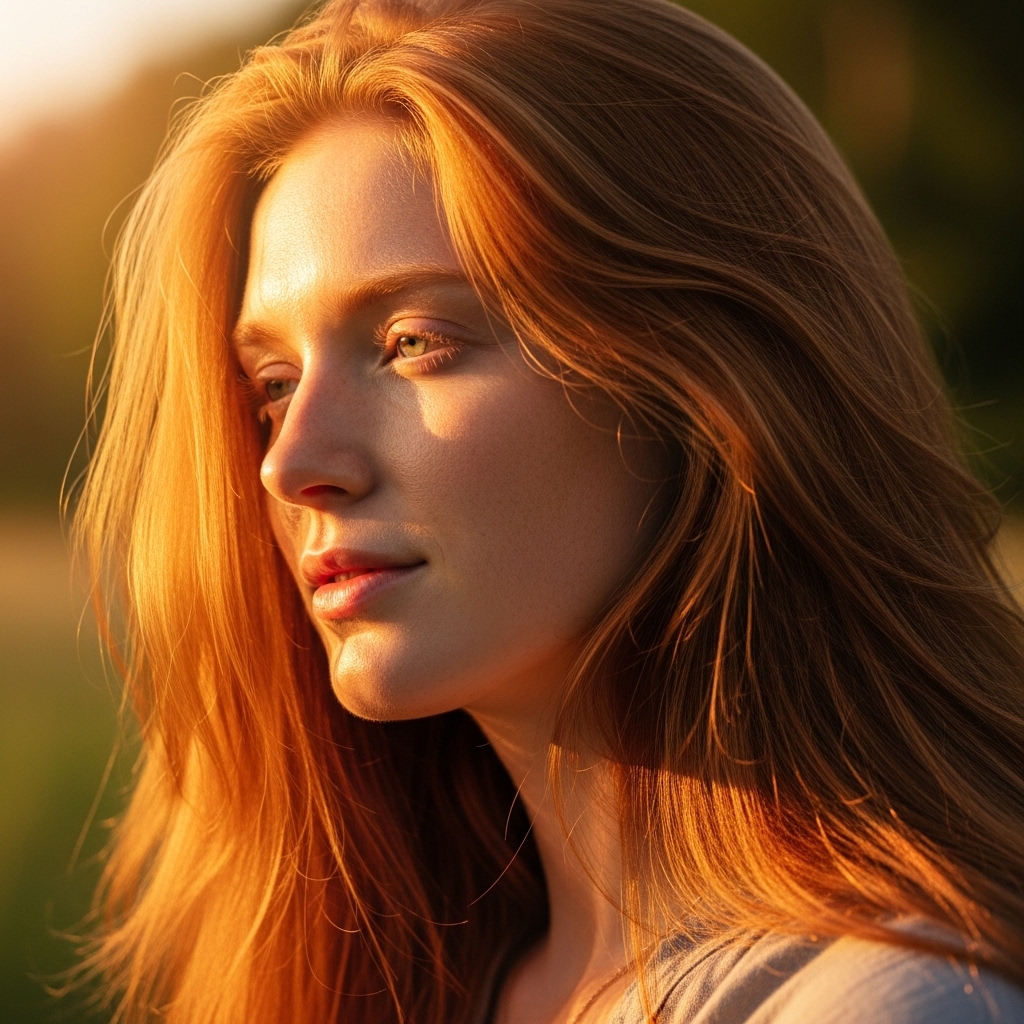
Red hair, occurring in only 1-2% of the global population, presents a particularly fascinating evolutionary puzzle. The MC1R gene variant responsible for red hair is most common in northern and western Europe, especially Scotland and Ireland.
Scientists propose several possible advantages that may have maintained this rare trait:
1. Vitamin D efficiency: Redheads may produce vitamin D more efficiently in low-light conditions.
2. Pain tolerance: Some studies suggest redheads have higher pain thresholds to certain stimuli.
3. Sexual selection: The rarity of red hair may have made it more attractive to potential mates.
Hair Color and Sexual Selection
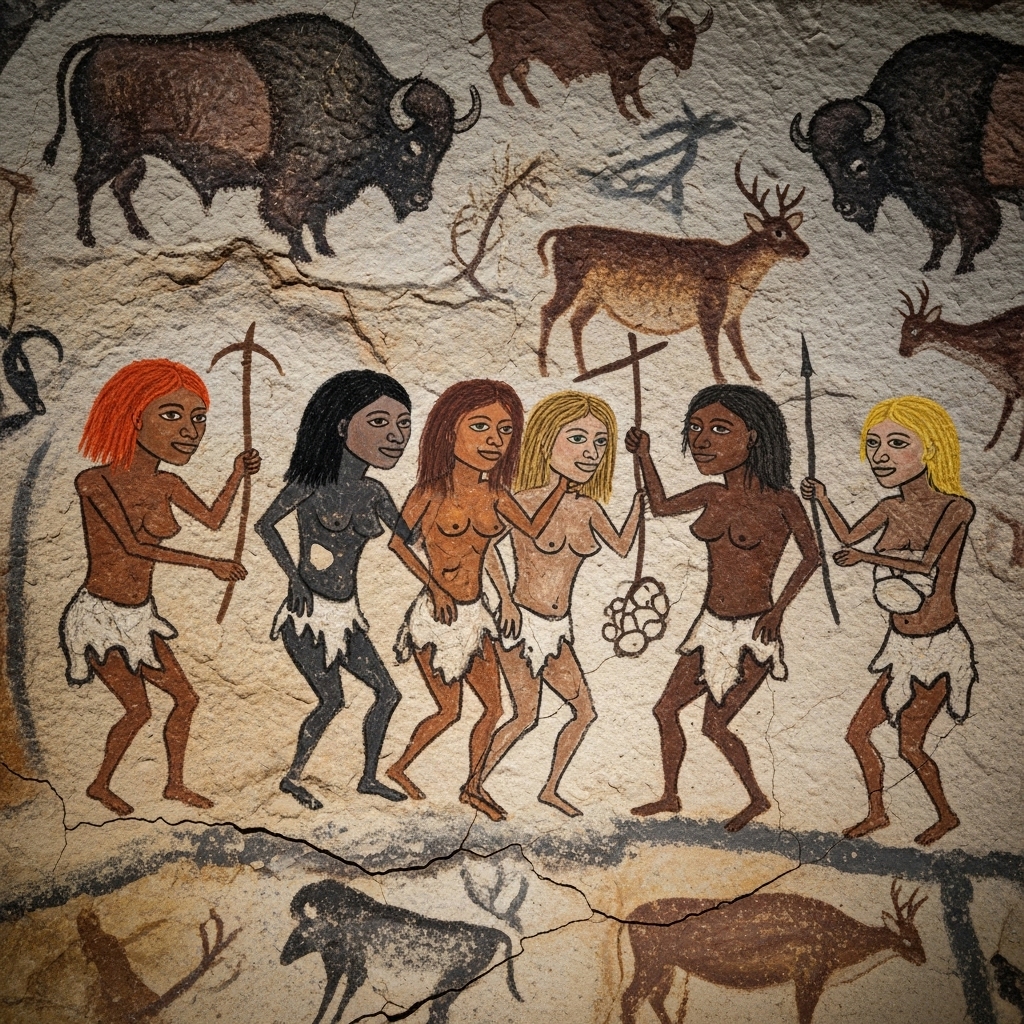
Beyond practical survival advantages, hair color likely played a significant role in human mate selection. Distinctive hair colors may have served as visible markers of genetic fitness or reproductive potential.
Some evolutionary psychologists suggest that blonde hair in women may have been sexually selected because it:
– Signals youth (hair often darkens with age)
– Stands out as visually distinctive
– May correlate with estrogen levels
Similarly, dark hair may have been selected for its association with maturity and dominance in some cultural contexts. These preferences would have varied across different populations and time periods.
Modern Implications of Hair Color Evolution
While our ancestors’ environment shaped hair color genetics, today’s globalized world presents new evolutionary dynamics. With increased migration and mixed ancestry, we’re seeing new combinations of hair color genes emerging.
Interestingly, some research suggests that:
– Natural blondes may become increasingly rare as populations mix
– The MC1R red hair variant persists despite its rarity
– Cultural preferences continue to influence perceptions of different hair colors
Understanding the evolutionary roots of hair color helps us appreciate this aspect of human diversity beyond mere fashion or aesthetics. Our hair tells a story of adaptation, survival, and sexual selection stretching back thousands of generations.

Conclusion: Hair Color as Evolutionary Canvas
The rainbow of human hair colors represents one of nature’s most visible examples of evolutionary adaptation. What began as practical responses to sunlight exposure and mate selection has given rise to one of our most distinctive physical features.
Next time you notice someone’s hair color, remember – you’re seeing the living result of countless generations of human adaptation. Whether black, brown, blonde, or red, every shade carries echoes of our ancestors’ journeys across continents and through millennia of evolutionary pressure.
Far from being just “skin deep,” hair color diversity is a remarkable testament to the power of natural selection in shaping human biology and appearance.

