
When you think of the microbiome, your gut probably comes to mind—but did you know your hair has its own bustling ecosystem of microorganisms? Just like your gut, your scalp and hair follicles host a diverse community of bacteria, fungi, and even tiny mites. And no, this isn’t a sign of poor hygiene—it’s completely natural.
In fact, these microscopic residents play a crucial role in maintaining healthy hair and scalp. From influencing oil production to protecting against infections, the hair microbiome is far more fascinating (and important) than you might realize. Let’s dive into this hidden world and uncover what’s really living on your head.
What Is the Hair Microbiome?
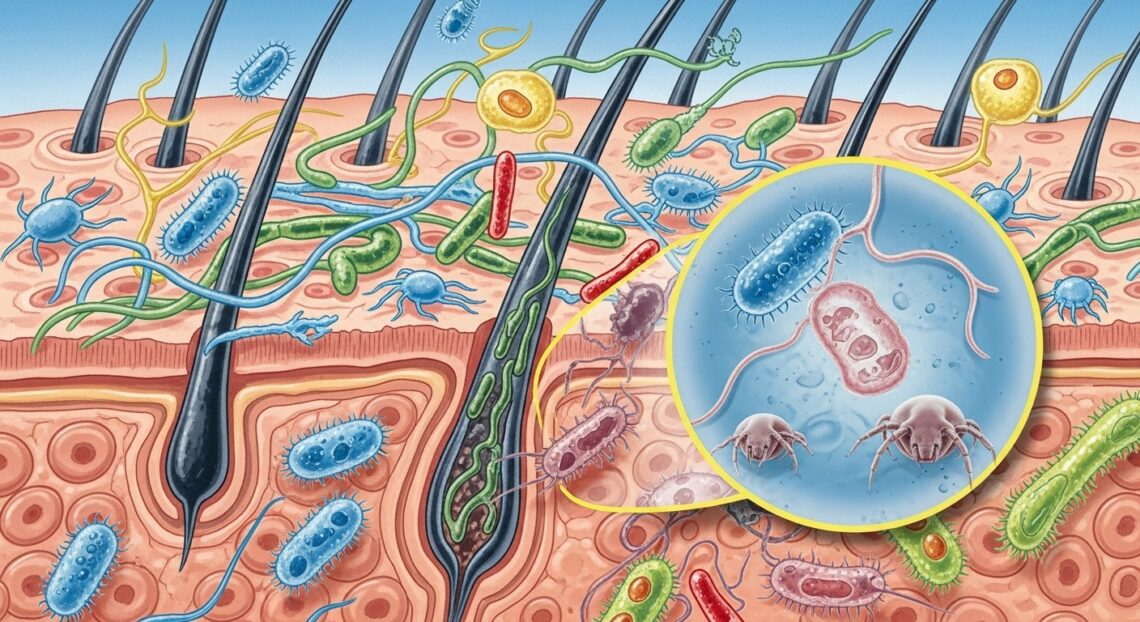
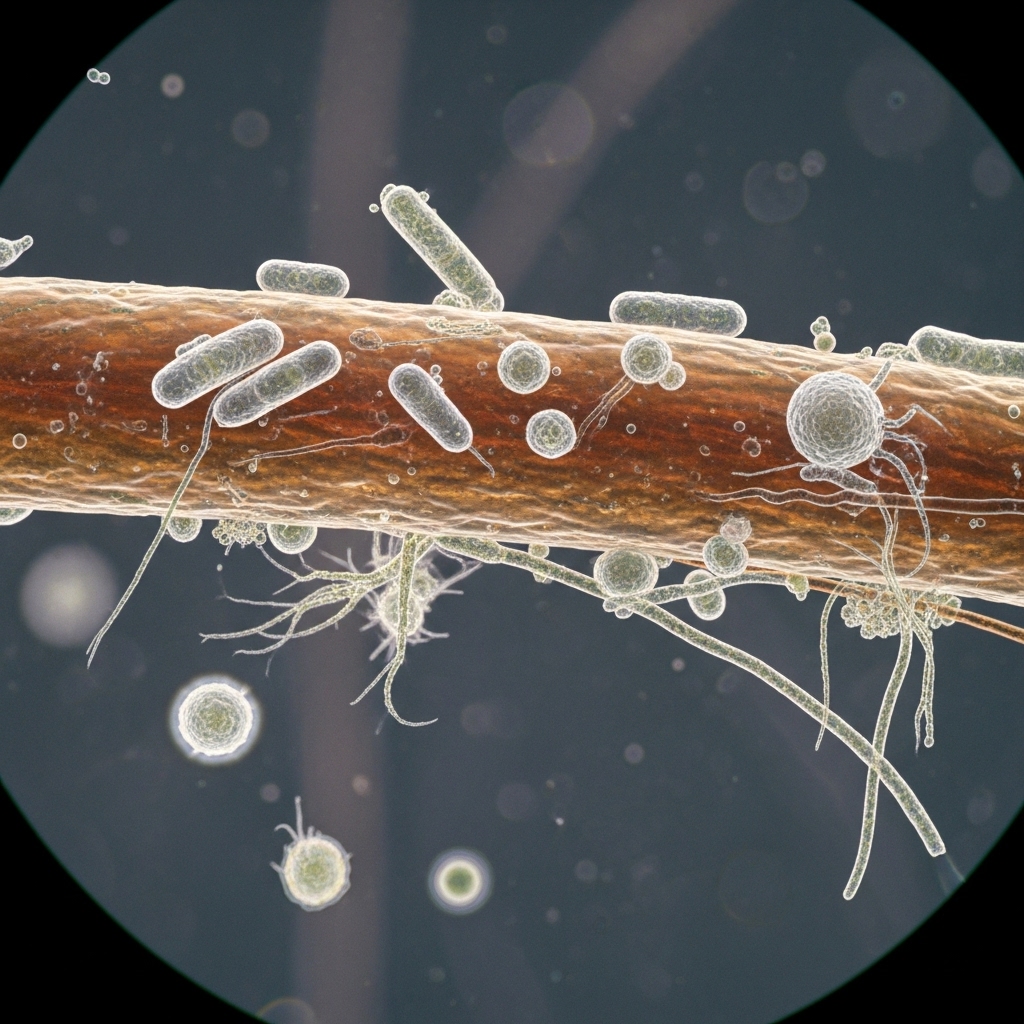
The hair microbiome refers to the collection of microorganisms—bacteria, fungi, viruses, and even microscopic mites—that naturally inhabit your scalp and hair. These tiny inhabitants form a delicate balance, much like the gut microbiome, and their presence is essential for maintaining healthy hair and skin.
Key players in the hair microbiome include:
- Staphylococcus and Propionibacterium bacteria (common skin residents)
- Malassezia fungi (which can influence dandruff)
- Demodex mites (tiny, harmless creatures that live in hair follicles)
While the idea of microscopic life on your scalp might sound unsettling, these organisms are usually harmless—and in many cases, beneficial.
How Does the Hair Microbiome Affect Your Hair Health?
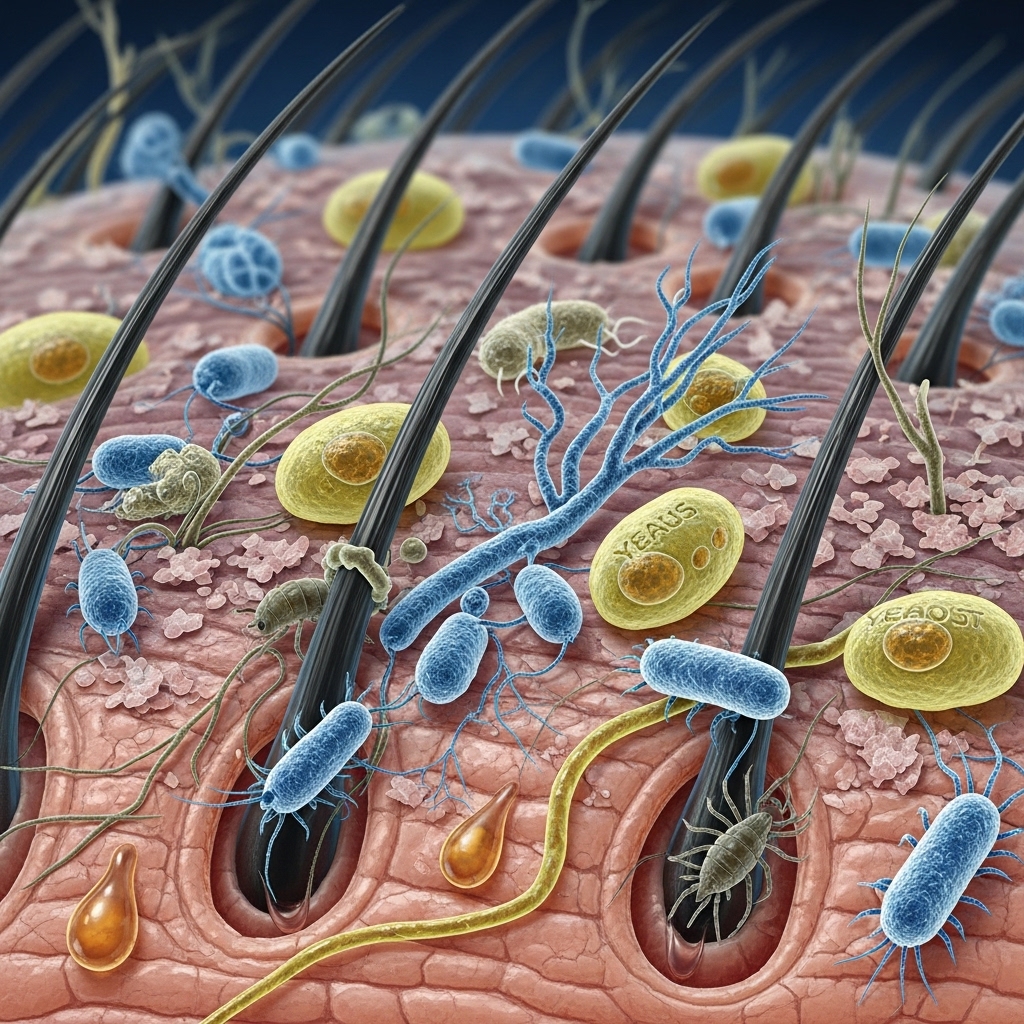
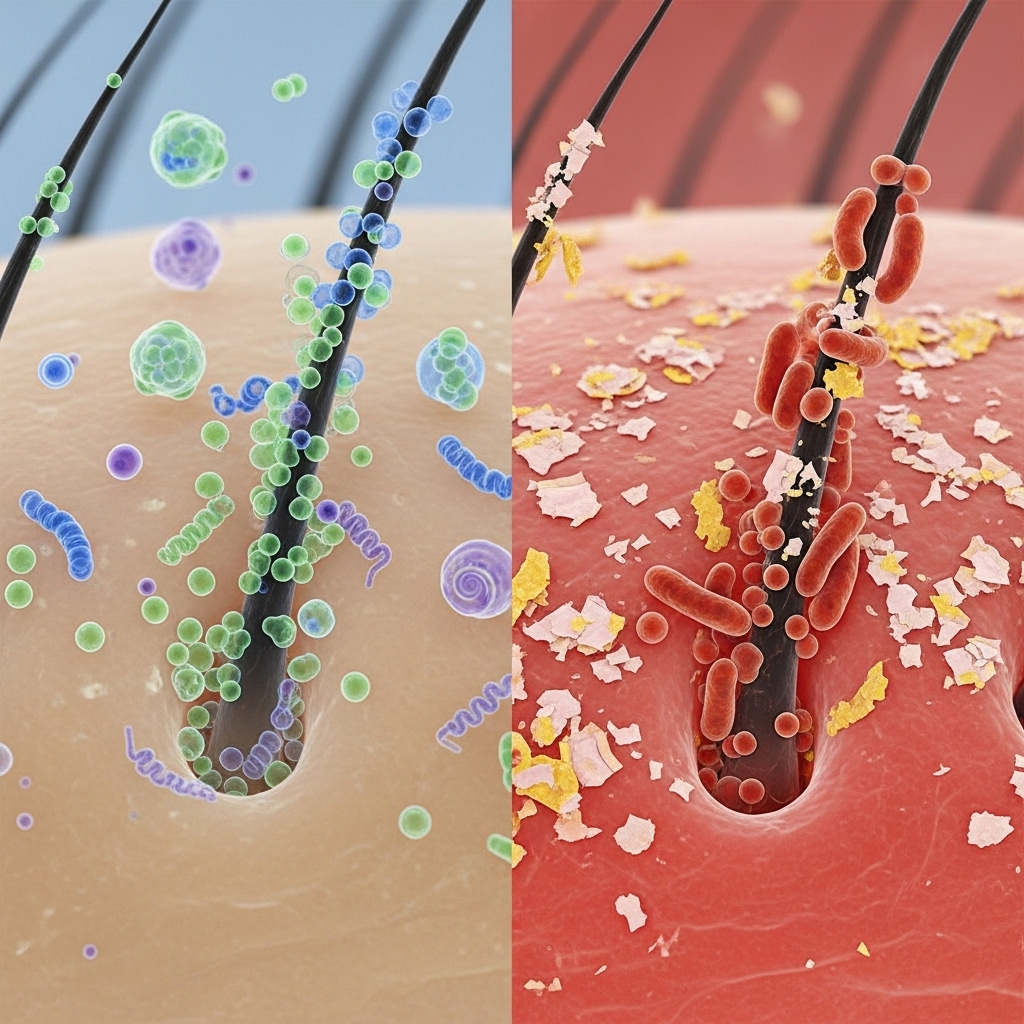
A balanced hair microbiome helps regulate oil production, supports the skin barrier, and even defends against harmful pathogens. But when this balance is disrupted, problems like dandruff, itching, and hair loss can arise.
Here’s how the microbiome influences your hair:
1. Sebum Regulation: Certain bacteria help break down excess oils, preventing clogged follicles and greasy hair.
2. Protection Against Infections: Beneficial microbes compete with harmful ones, reducing the risk of fungal or bacterial infections.
3. Inflammation Control: An imbalanced microbiome can trigger scalp inflammation, leading to conditions like seborrheic dermatitis.
Understanding this delicate ecosystem can help you make better choices for your hair care routine—without accidentally harming the good microbes.
Common Myths About the Hair Microbiome
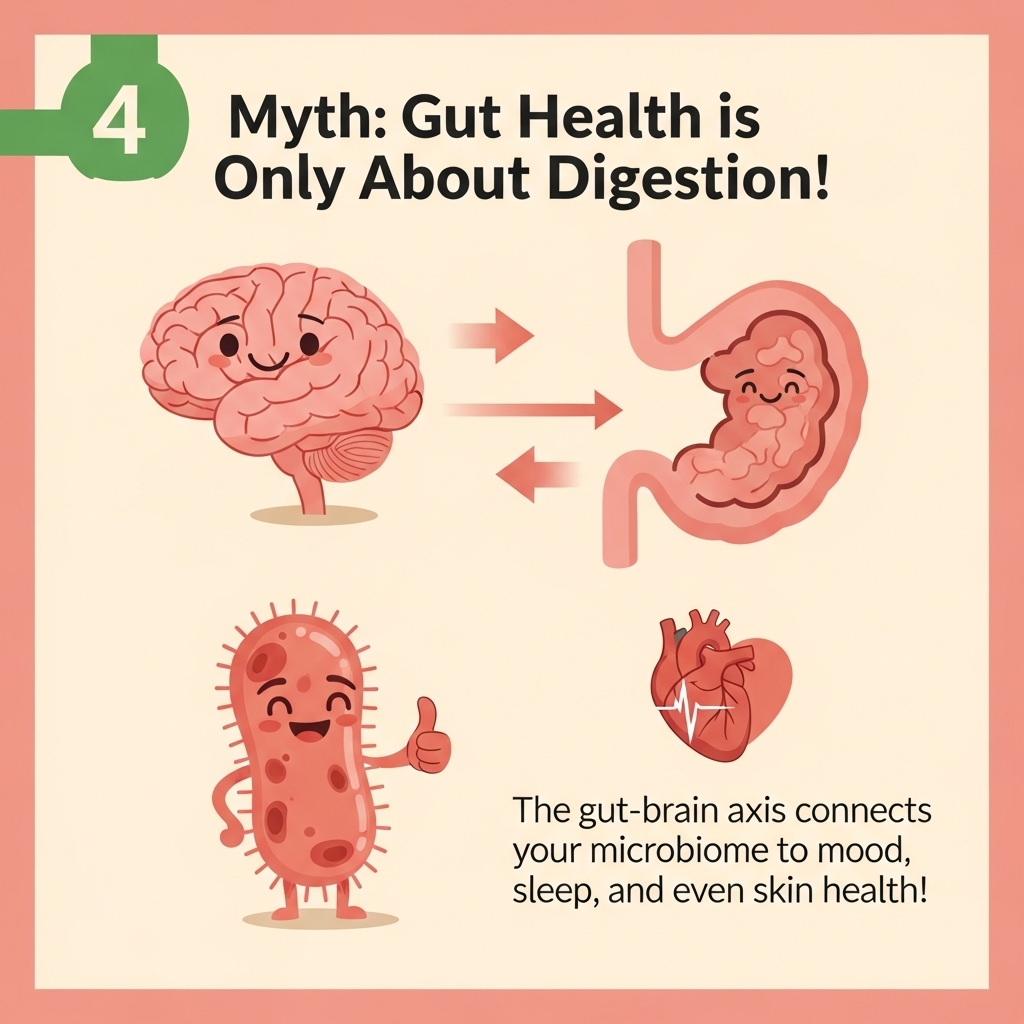
Many people assume that all microbes on the scalp are bad—but that’s far from the truth. Let’s debunk some common misconceptions:
Myth 1: “Microbes on your scalp mean you’re dirty.”
False! Everyone has a hair microbiome, regardless of hygiene. These microbes are natural and often beneficial.
Myth 2: “All fungi cause dandruff.”
While Malassezia is linked to dandruff, it’s only a problem when it overgrows. In normal amounts, it’s harmless.
Myth 3: “You should sterilize your scalp.”
Overwashing or using harsh antiseptics can strip away beneficial microbes, leading to dryness and irritation.
The key is balance—not elimination.
How to Support a Healthy Hair Microbiome
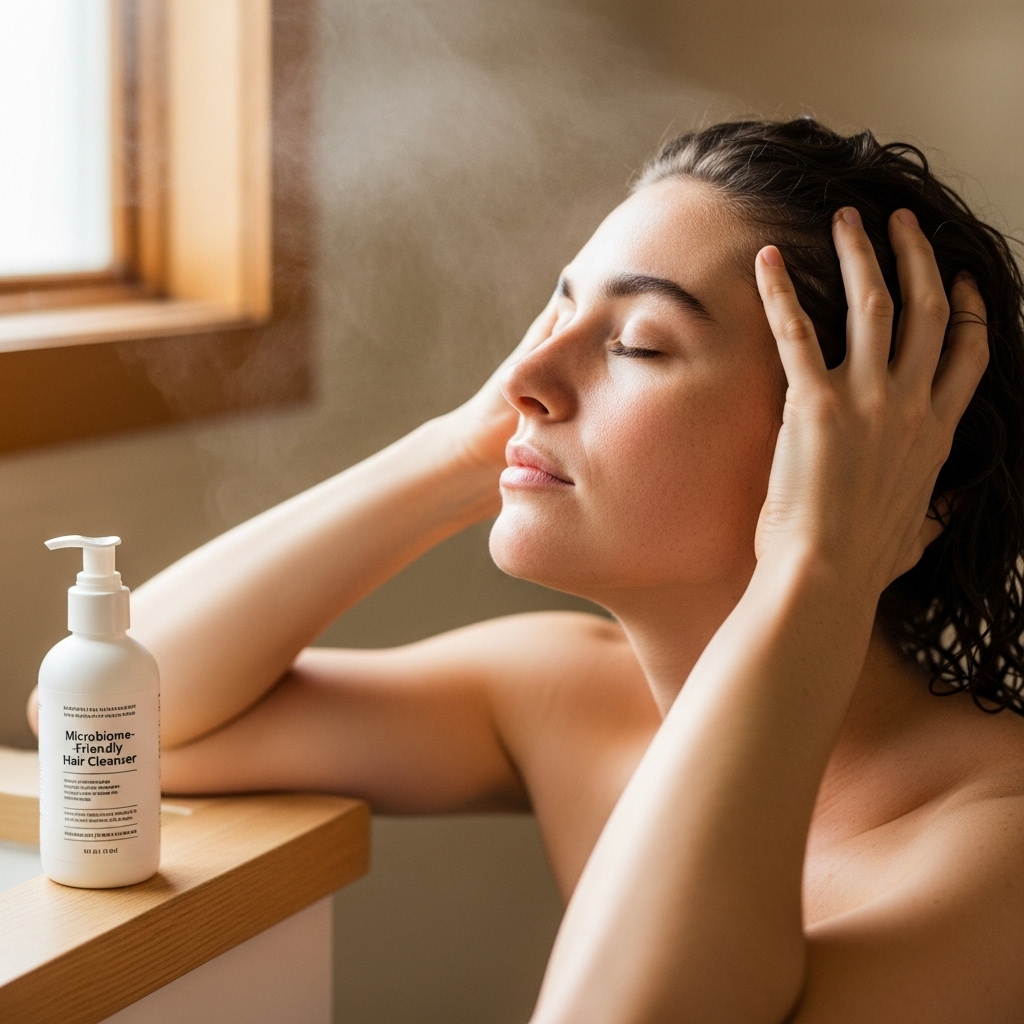
Want to keep your scalp’s tiny residents happy? Here are some science-backed tips:
1. Avoid Overwashing: Shampooing too often can strip natural oils and disrupt microbial balance. Aim for 2-3 times a week.
2. Use Gentle, pH-Balanced Products: Harsh sulfates and alcohols can kill beneficial bacteria. Look for microbiome-friendly shampoos.
3. Eat a Diverse Diet: Just like your gut, your scalp microbiome thrives on nutrients like omega-3s, probiotics, and antioxidants.
4. Reduce Stress: Stress alters your body’s microbial composition, so relaxation techniques can help maintain balance.
By nurturing your hair microbiome, you’ll promote healthier, shinier hair—naturally.
When Should You Worry About Your Hair Microbiome?
While most microbiome imbalances resolve on their own, some signs may indicate a deeper issue:
- Persistent itching or flaking
- Unusual hair loss or thinning
- Redness, sores, or excessive oiliness
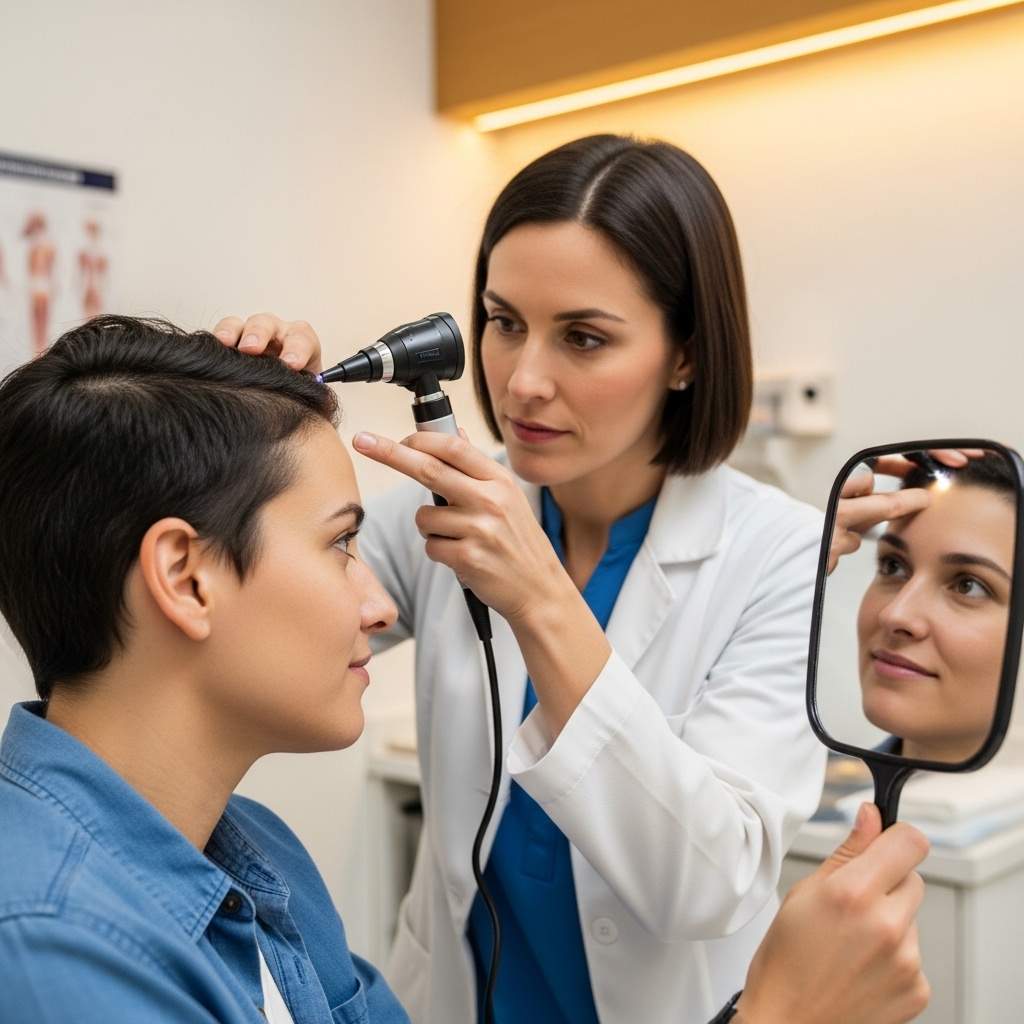
If these symptoms persist, consult a dermatologist. They can recommend treatments like antifungal shampoos or probiotic therapies to restore balance.
The Future of Hair Care: Probiotics and Prebiotics
Scientists are now exploring ways to harness the power of the hair microbiome for better hair care. Emerging trends include:
Probiotic Hair Products: Shampoos and conditioners infused with beneficial bacteria to support scalp health.
Prebiotic Treatments: Ingredients that feed good microbes, helping them thrive.
Personalized Hair Care: Future products may be tailored to your unique microbiome profile.
This exciting field could revolutionize how we think about hair health—moving beyond just cleansing to truly nurturing our scalp’s ecosystem.

Final Thoughts: Embrace Your Microscopic Hair Allies
Your hair microbiome is a hidden world of tiny allies working to keep your scalp healthy. Instead of fearing these microorganisms, we should appreciate their role in maintaining strong, vibrant hair.
By making mindful choices—like using gentle products and eating a balanced diet—you can support this delicate ecosystem. And who knows? The next big breakthrough in hair care might just come from understanding these microscopic inhabitants better.
So the next time you wash your hair, remember: you’re not just cleansing—you’re tending to an entire microscopic community.

