
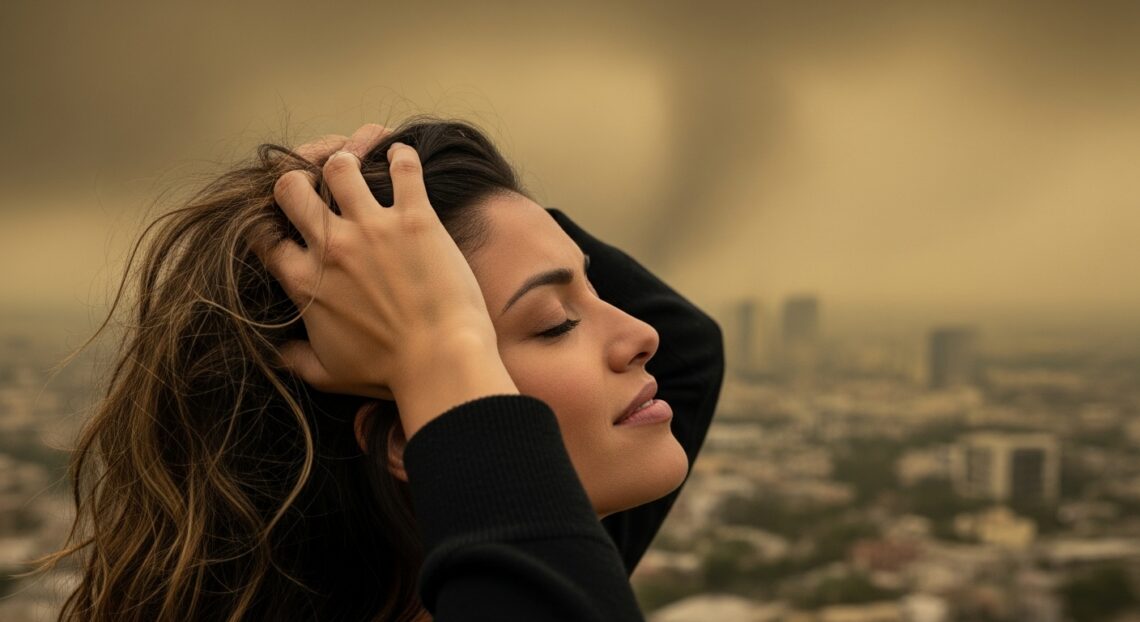
You’ve noticed your hair acting differently lately – maybe it’s frizzier, drier, or just won’t hold a style like it used to. While your haircare routine might share some blame, there’s another surprising culprit: climate change. That’s right – rising temperatures, humidity fluctuations, and pollution aren’t just affecting our planet, they’re transforming our hair at a fundamental level.
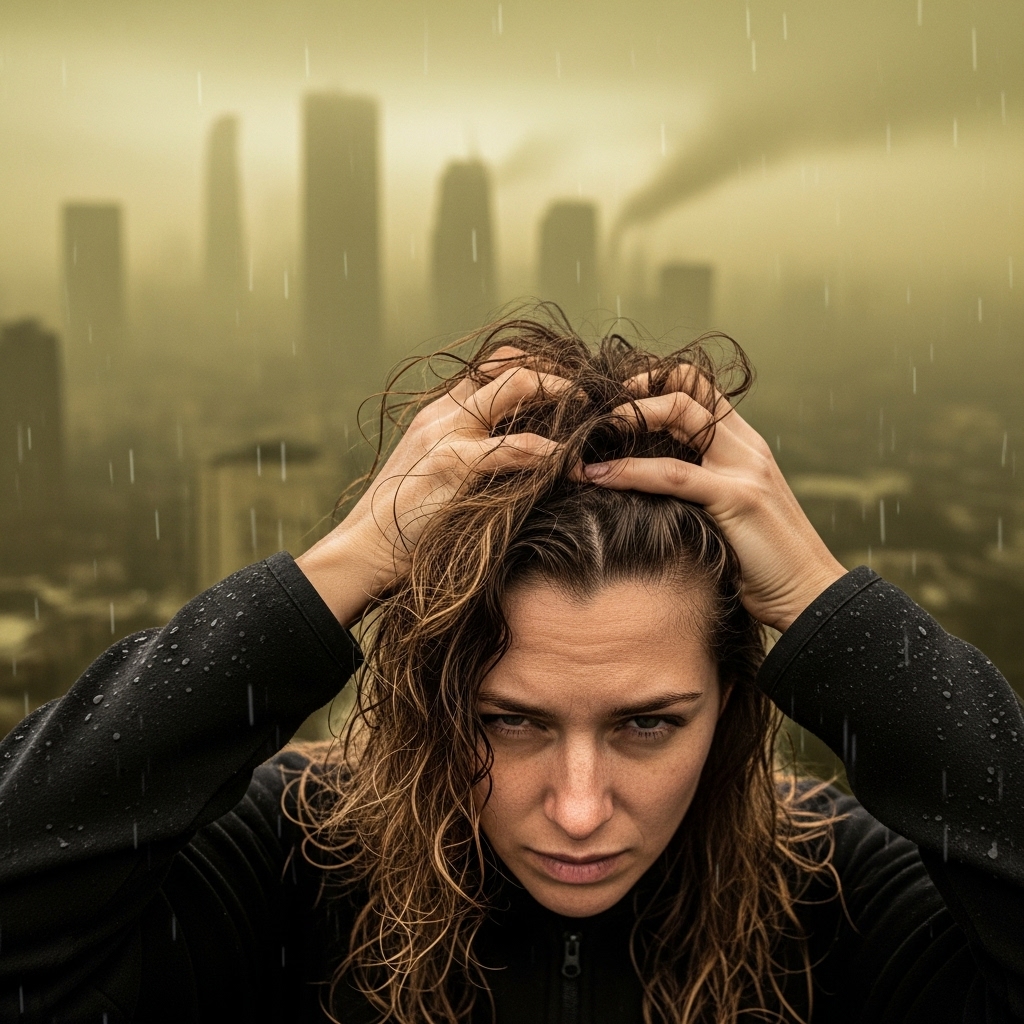
The Science Behind Hair and Environmental Changes
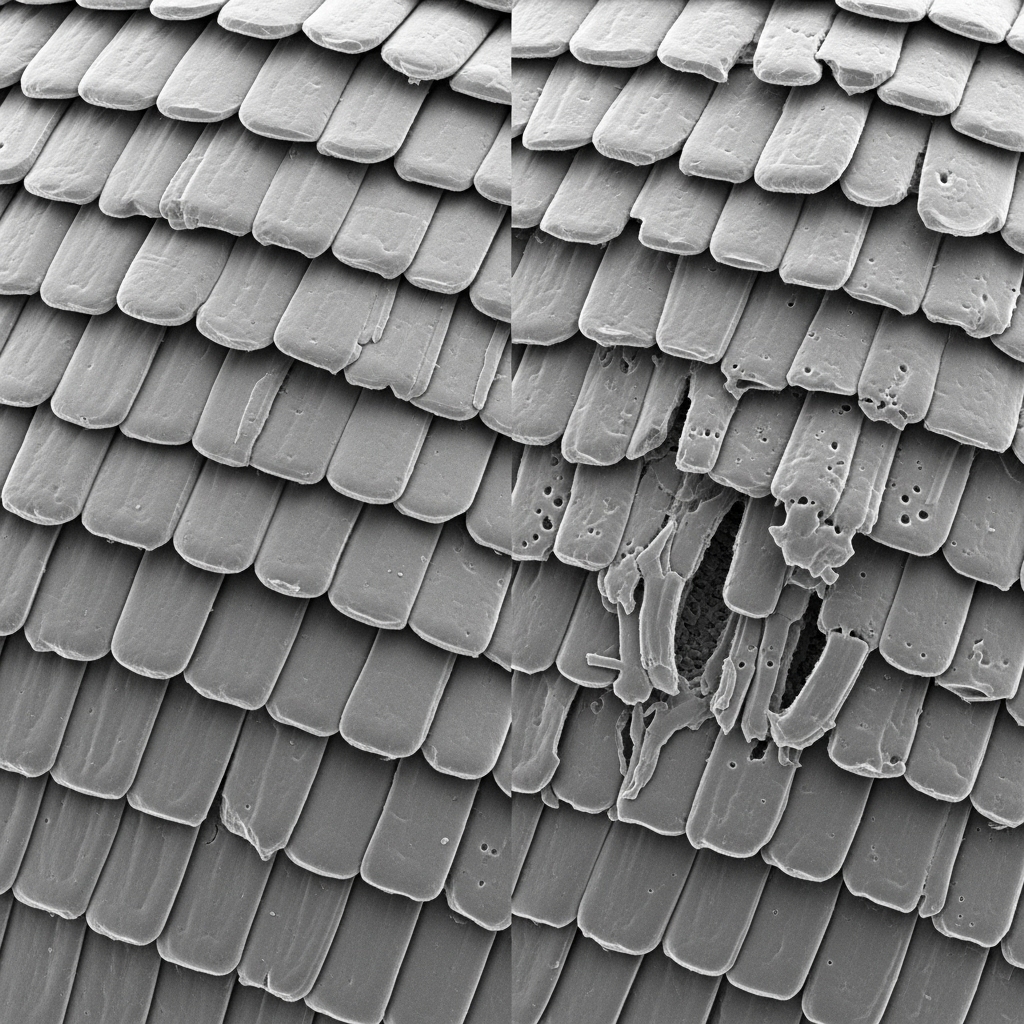
Your hair is more sensitive to environmental changes than you might realize. Each strand is covered with microscopic scales called cuticles that act as protective shields. When these cuticles are healthy, they lay flat, giving hair its smooth appearance. However, climate-related factors can damage these cuticles, altering your hair’s texture permanently.
Three key climate factors affect your hair:
1. Humidity changes: As global weather patterns shift, humidity levels become more extreme. High humidity causes hair to absorb moisture from the air, swelling the hair shaft and creating frizz. Low humidity has the opposite effect, drying out strands.
2. Pollution increase: Rising air pollution deposits microscopic particles on hair that can break down keratin proteins over time.
3. UV radiation: With thinning ozone layers, more UV rays reach your hair, damaging its protein structure similarly to how it affects your skin.
How Different Hair Types Are Affected
Not all hair responds to climate change equally. Your natural hair type determines how dramatically these environmental shifts will impact you:
Curly and coily hair: These textures are most vulnerable to humidity changes. The more pronounced your curl pattern, the more moisture your hair absorbs from the air. Many curly-haired individuals report their ringlets becoming looser or completely losing definition in humid climates.
Straight hair: While less prone to frizz, straight hair shows damage from pollution and UV exposure more visibly. You might notice increased oiliness as your scalp produces more sebum to compensate for environmental stressors.
Color-treated hair: Any chemical processing makes hair more porous and therefore more susceptible to climate damage. Those with bleached or highlighted hair report faster fading and increased brittleness.
The Surprising Role of Water Quality
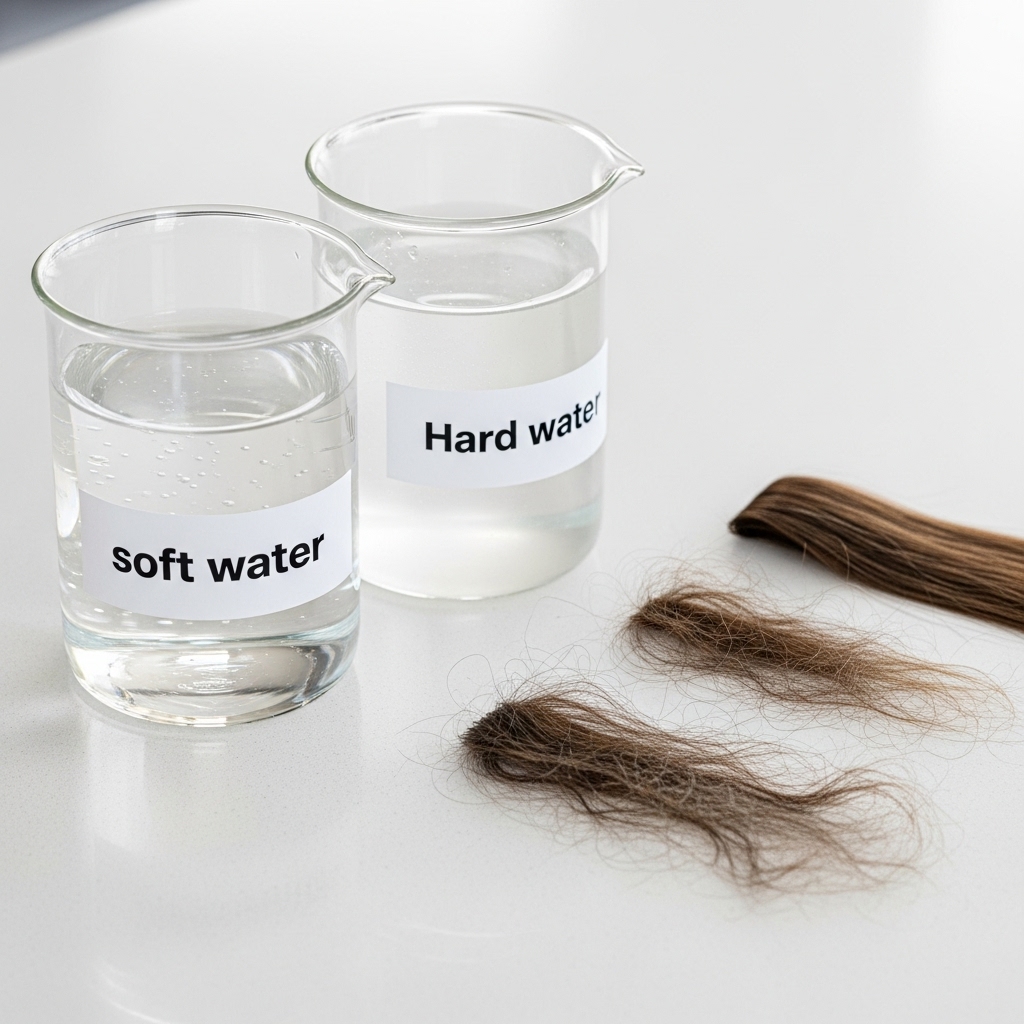
Climate change isn’t just affecting the air – it’s altering water composition too. As droughts become more common, many municipalities are using harder water sources or recycling water with higher mineral content.
“I moved from Seattle to Phoenix and my hair completely changed texture within six months,” reports Sarah K., 34. “My stylist explained it was the combination of hard water and intense sun exposure literally restructuring my hair proteins.”
Hard water contains minerals like calcium and magnesium that build up on hair, making it feel rough and look dull. This mineral buildup can actually change how your hair responds to products and styling over time.
Seasonal Changes Are Becoming More Extreme
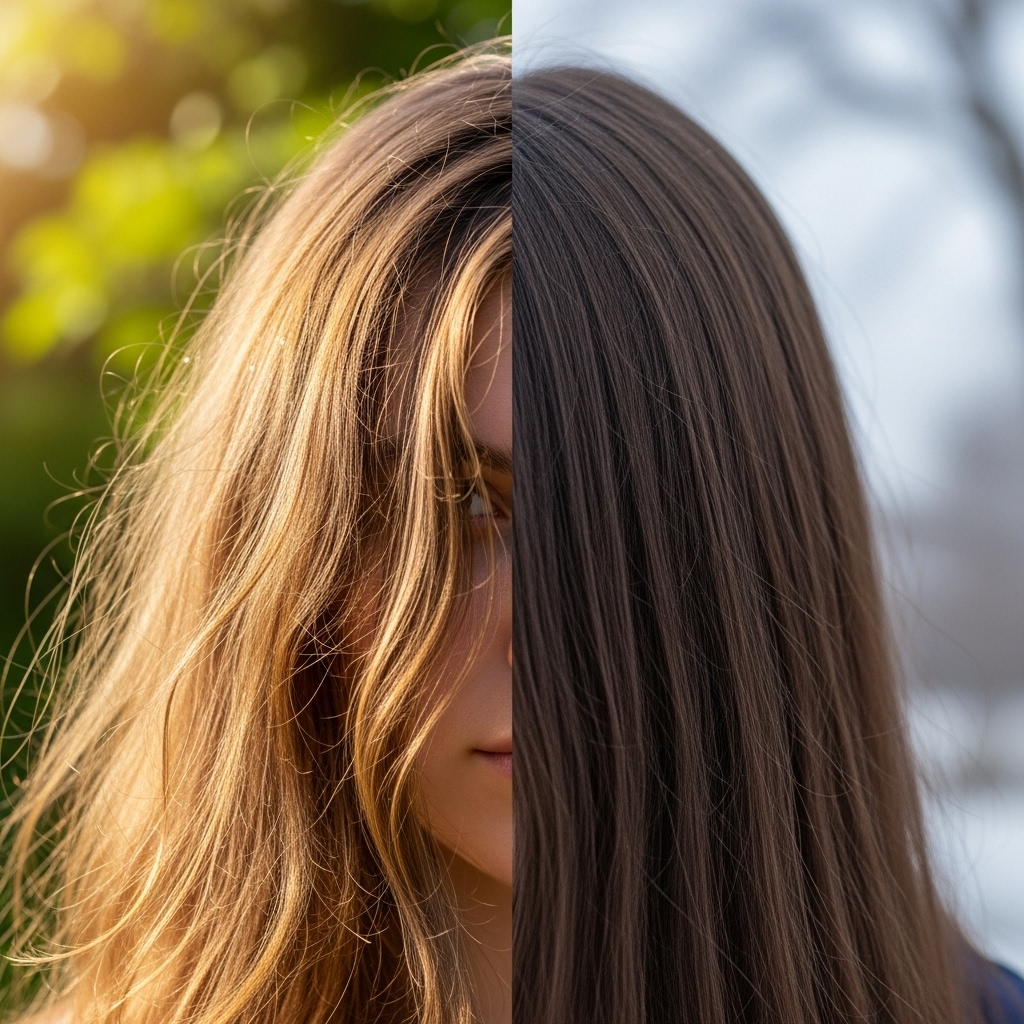
Remember when seasons changed gradually? Now, many regions experience dramatic temperature swings within days. These abrupt changes shock your hair just like they shock your skin.
Winter hair changes:
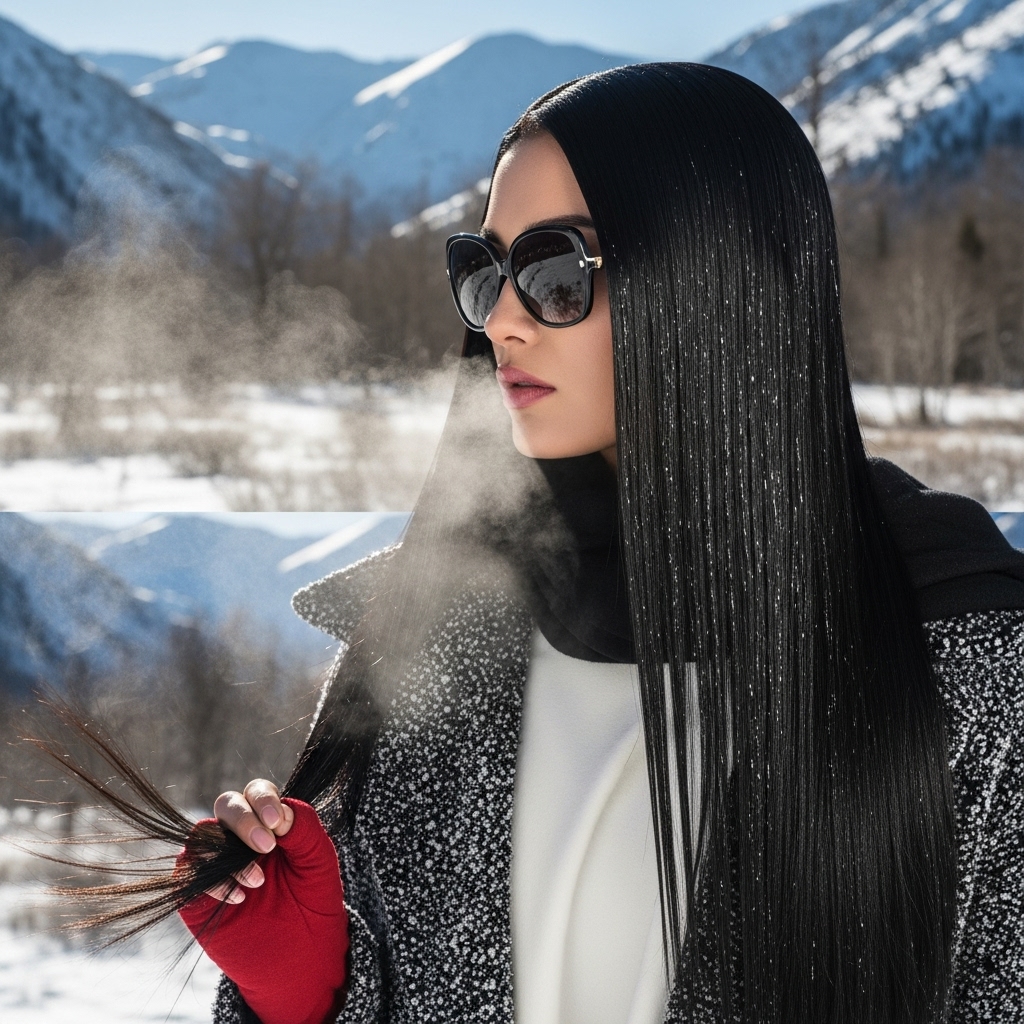
– Cold snaps dehydrate hair
– Indoor heating creates artificial dry environments
– Wind damages cuticles
Summer hair changes:
– Heat waves weaken protein bonds
– Humidity causes hygral fatigue (repeated swelling/drying)
– Chlorine and saltwater exposure increases
With climate change making seasonal transitions more severe, your hair has less time to adapt between extremes.
How to Protect Your Hair from Climate Damage
While we can’t single-handedly stop climate change, we can adapt our haircare routines to protect our strands:
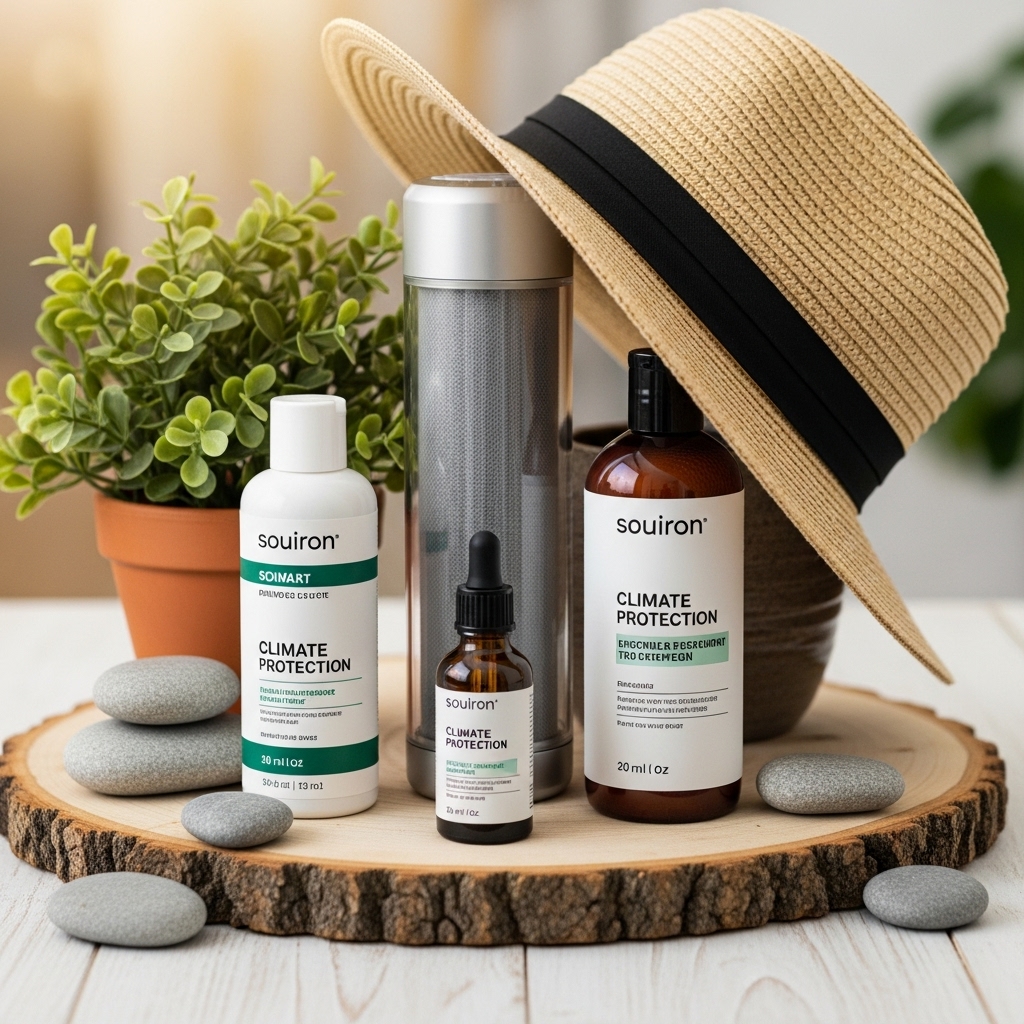
1. Climate-appropriate products: Switch your products seasonally (not just by hair type). Look for humectants in humid climates and emollients in dry ones.
2. Water filters: Install a shower filter to remove minerals and chemicals. This can make a noticeable difference in just weeks.
3. Protective styles: When extreme weather hits, opt for braids, buns, or hats to minimize exposure.
4. Protein treatments: Replenish what climate stressors deplete with monthly protein masks.
5. Antioxidant protection: Use products with vitamin E or green tea to combat pollution damage.
The Future of Hair in a Changing Climate
Dermatologists predict we’ll see more people experiencing permanent texture changes as climate patterns continue shifting. Some experts even suggest that within decades, certain hair types may evolve to better suit their environments.
Cosmetic chemists are already developing “climate armor” haircare lines with stronger UV filters and pollution-blocking technology. Meanwhile, stylists report increasing requests for treatments that restore hair’s pre-climate-damage state.
Your hair’s changing texture might be one of the most personal ways you’re experiencing climate change. By understanding these shifts and adapting your routine, you can help your hair weather the storm – literally.

