
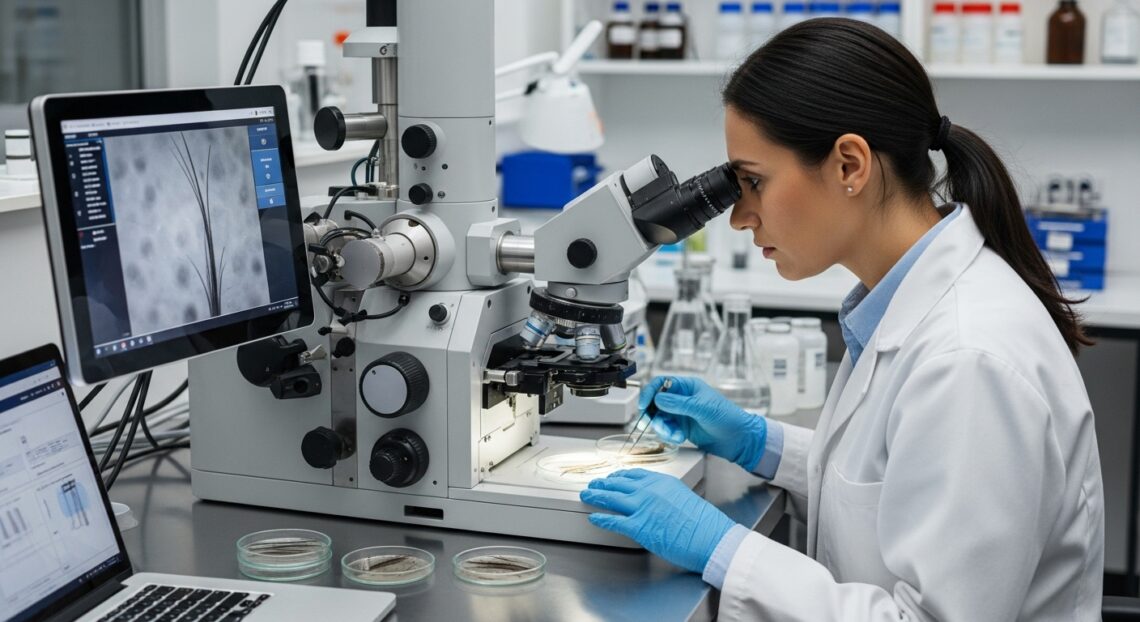
Have you ever wondered why some people seem to have hair that never breaks, no matter how much they style, color, or heat-treat it? While most of us struggle with split ends and breakage, a rare few possess hair so strong it appears almost indestructible. The secret lies deep within their DNA—a genetic mutation that gives them an extraordinary advantage in hair resilience.
In this article, we’ll explore the science behind this fascinating mutation, how it affects hair structure, and whether this superhuman trait could one day be replicated for the rest of us.
The Science Behind Unbreakable Hair
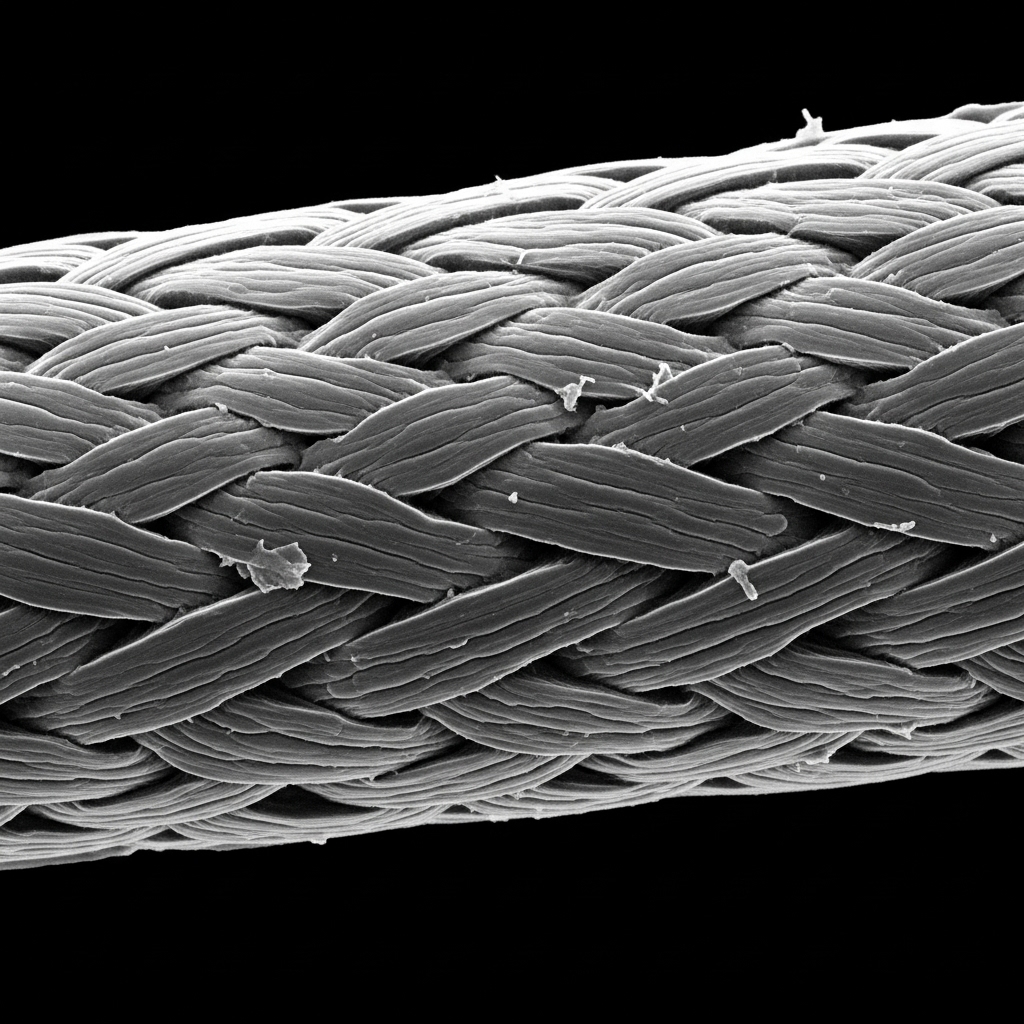
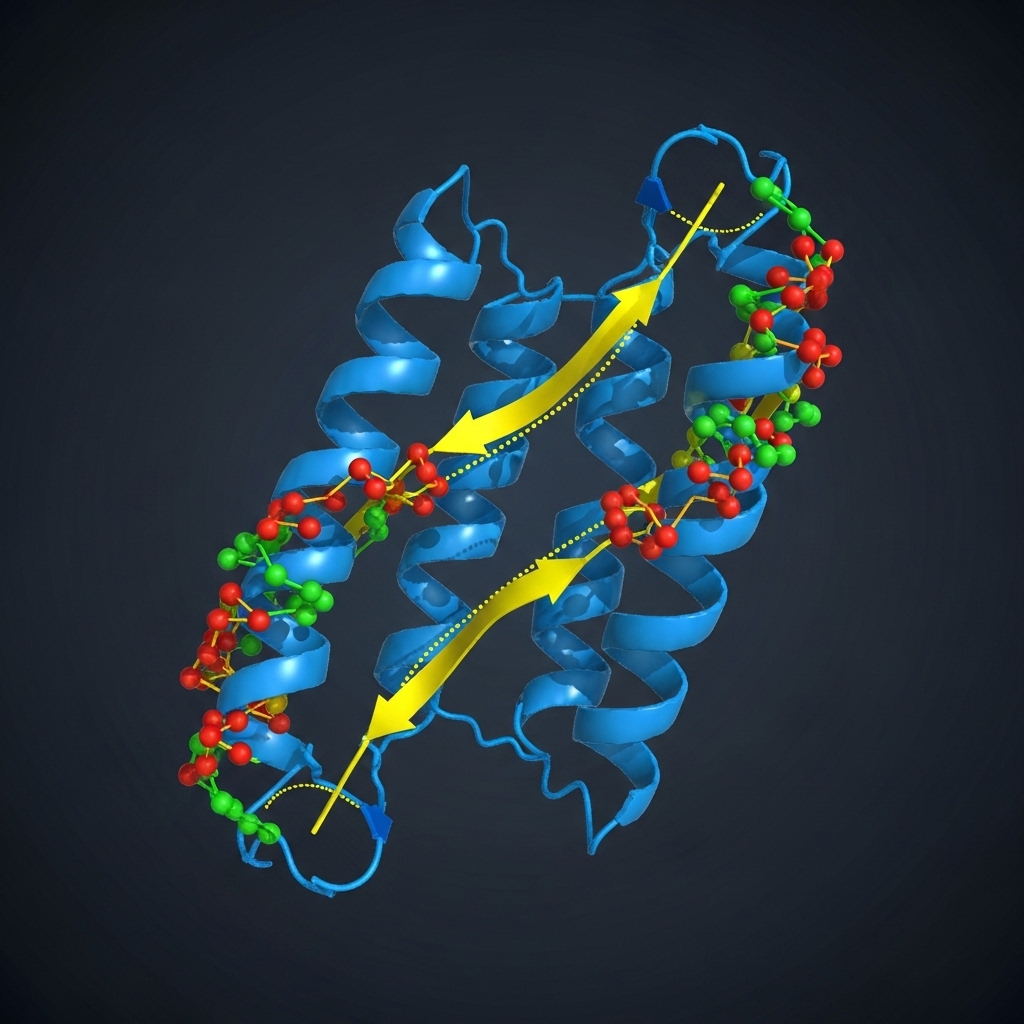
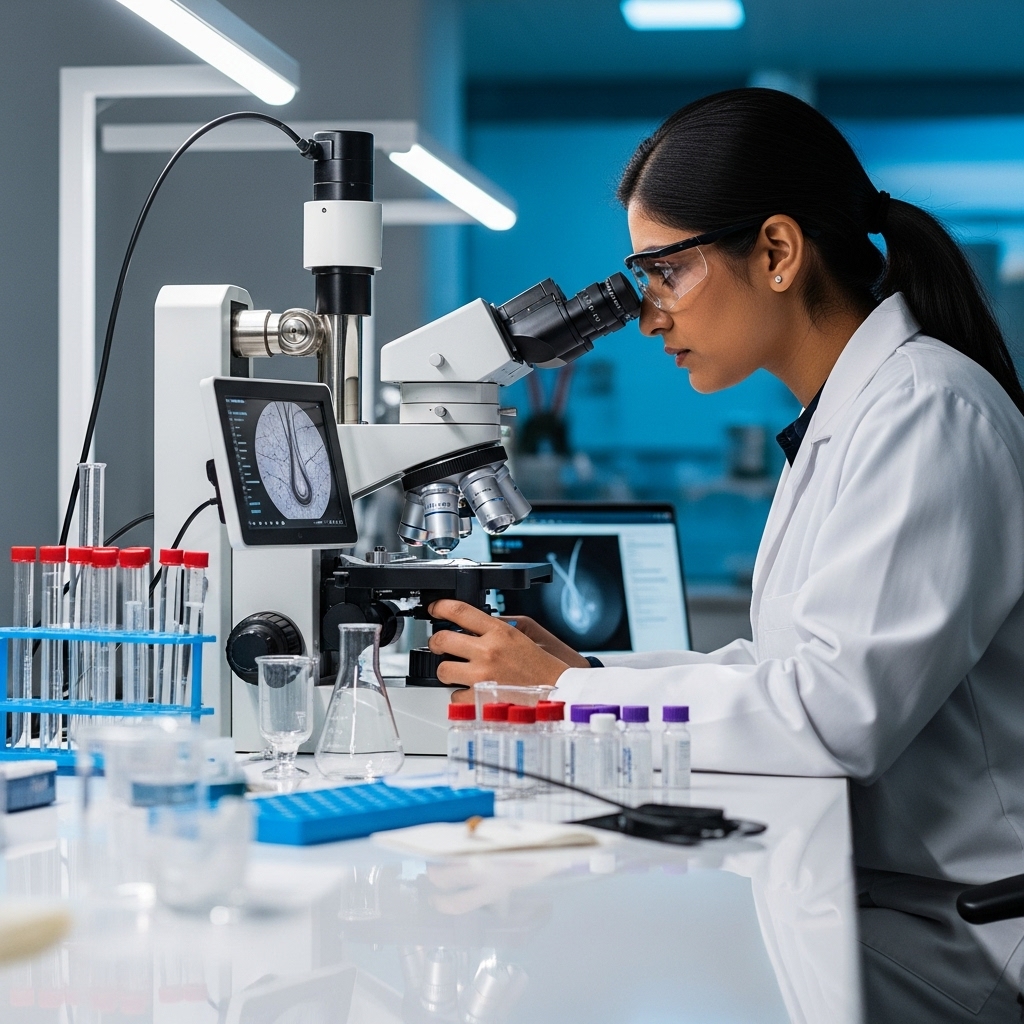
Hair strength is primarily determined by its protein structure, specifically keratin, a fibrous protein that forms the building blocks of hair, nails, and skin. Keratin molecules bond together in a helical structure, creating a durable yet flexible fiber. However, not all keratin is created equal.
Researchers have discovered that individuals with unbreakable hair possess a rare mutation in the KRT75 gene, which encodes a specific type of keratin. This mutation alters the protein’s structure, making it more resistant to mechanical stress, heat, and chemical damage.
Studies suggest that this mutation increases the number of disulfide bonds—strong sulfur-based connections—between keratin molecules. These extra bonds reinforce the hair shaft, preventing fractures even under extreme conditions.
Who Has This Mutation?
The mutation is exceptionally rare, found in less than 1% of the global population. Interestingly, it appears more frequently in certain ethnic groups, particularly those with naturally thick, coarse hair textures. Some indigenous populations in Africa and Asia show higher prevalence, suggesting an evolutionary advantage in specific environments.
People with this mutation often report:
- Minimal breakage even with frequent styling
- Resistance to heat damage from straighteners or curling irons
- Slower hair thinning with age
However, there’s a trade-off—hair with this mutation tends to be less flexible, making it harder to style in certain ways.
Could We Replicate This Mutation?
With such impressive benefits, scientists are exploring whether we can artificially induce or mimic this mutation. Current research focuses on two approaches:
1. Gene Therapy: Experimental techniques aim to edit hair follicle cells to express the modified KRT75 gene. While promising, this technology is still in early stages and faces ethical and safety hurdles.
2. Keratin Treatments: Some cosmetic companies are developing fortified keratin treatments that attempt to recreate the extra disulfide bonds artificially. Results so far show improved strength but fall short of the natural mutation’s effects.
The Evolutionary Advantage
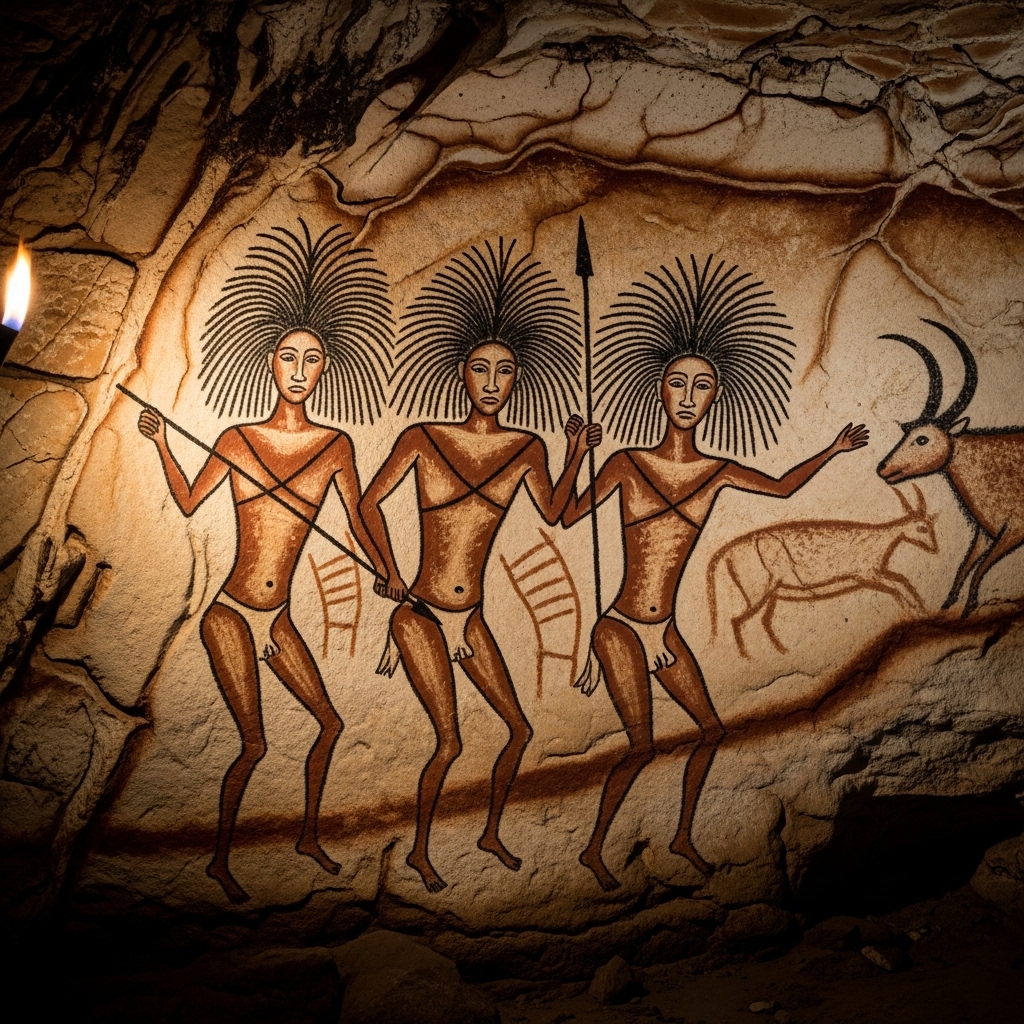
Why would such a mutation develop in the first place? Anthropologists propose several theories:
Sun Protection: In high-UV environments, thicker, more resilient hair may have provided better scalp protection against sun damage.
Thermoregulation: Denser hair could help regulate temperature in extreme climates, both hot and cold.
Cultural Significance: In some cultures, hair plays important social roles—stronger hair may have been sexually selected for its aesthetic appeal.
Caring for Ultra-Strong Hair
If you’re among the lucky few with this mutation, your hair still requires proper care:
Moisture Balance: While resistant to breakage, the hair can become dry due to its density. Regular deep conditioning is essential.
Scalp Health: The weight of dense hair can strain follicles. Gentle scalp massages and avoiding tight styles prevent traction alopecia.
Professional Styling: Standard tools may not work effectively. Seek stylists experienced with ultra-thick hair textures.
The Future of Hair Science
Understanding this mutation opens exciting possibilities for hair care innovation. Researchers are studying how to:
Develop better treatments for hair loss by understanding follicle resilience
Create safer styling tools that work with various hair structures
Engineer synthetic hair for medical wigs that mimics this natural strength
As genetic science advances, we may one day unlock the secret to giving everyone stronger, healthier hair—no mutations required.

Conclusion
The unbreakable hair mutation represents one of nature’s fascinating quirks—a genetic lottery win for those who have it. While most of us aren’t born with this biological advantage, understanding it brings us closer to developing better hair care solutions for all hair types.
Next time you see someone with seemingly indestructible locks, remember: their superpower lies in their DNA. And who knows? With scientific progress, we might all have access to stronger hair in the future.

