

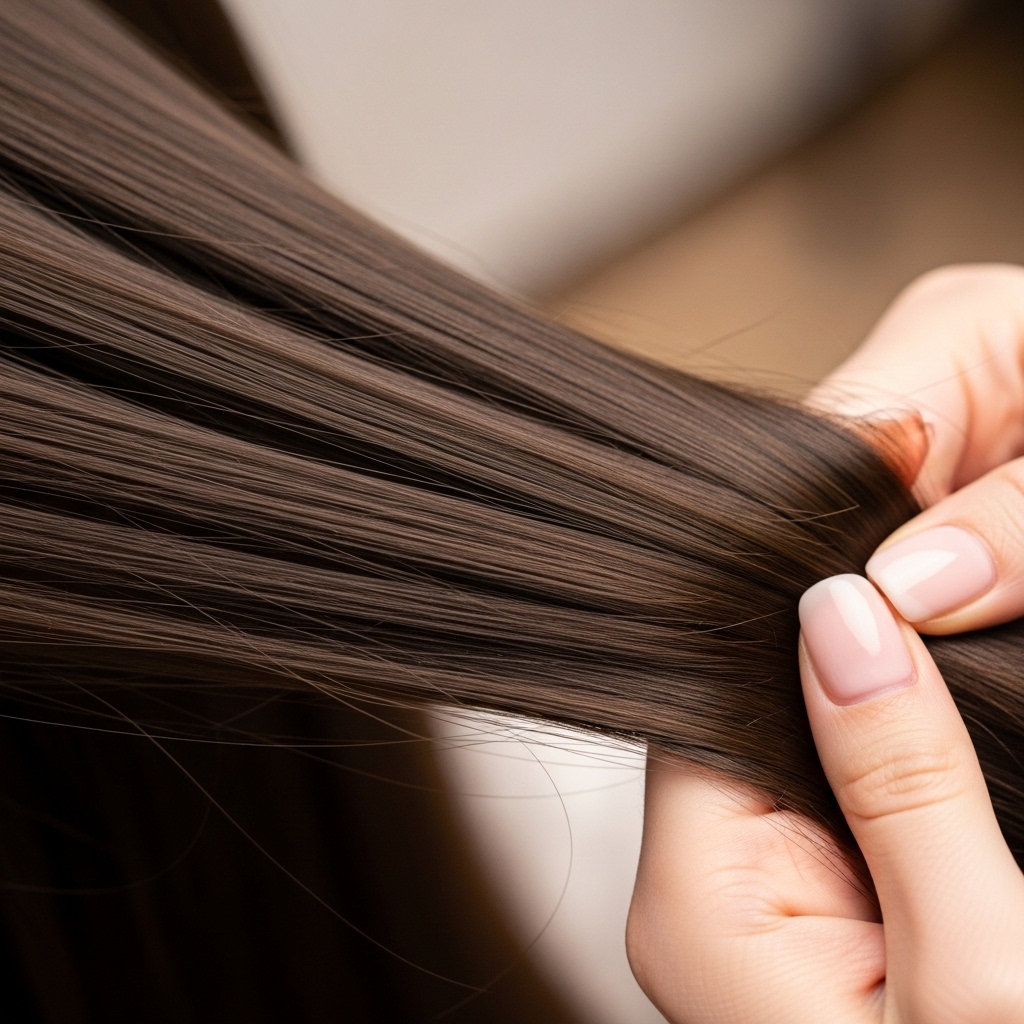
Have you ever wondered why some people seem to have hair that never breaks, no matter how much they style, color, or heat-treat it? While most of us struggle with split ends and brittle strands, a rare group of individuals possesses hair so strong it appears almost indestructible. The secret lies in their DNA—a unique mutation that alters the very structure of their hair. In this blog post, we’ll dive into the science behind this fascinating genetic quirk, explore how it works, and discuss what it could mean for the future of hair care.
The Science Behind Unbreakable Hair
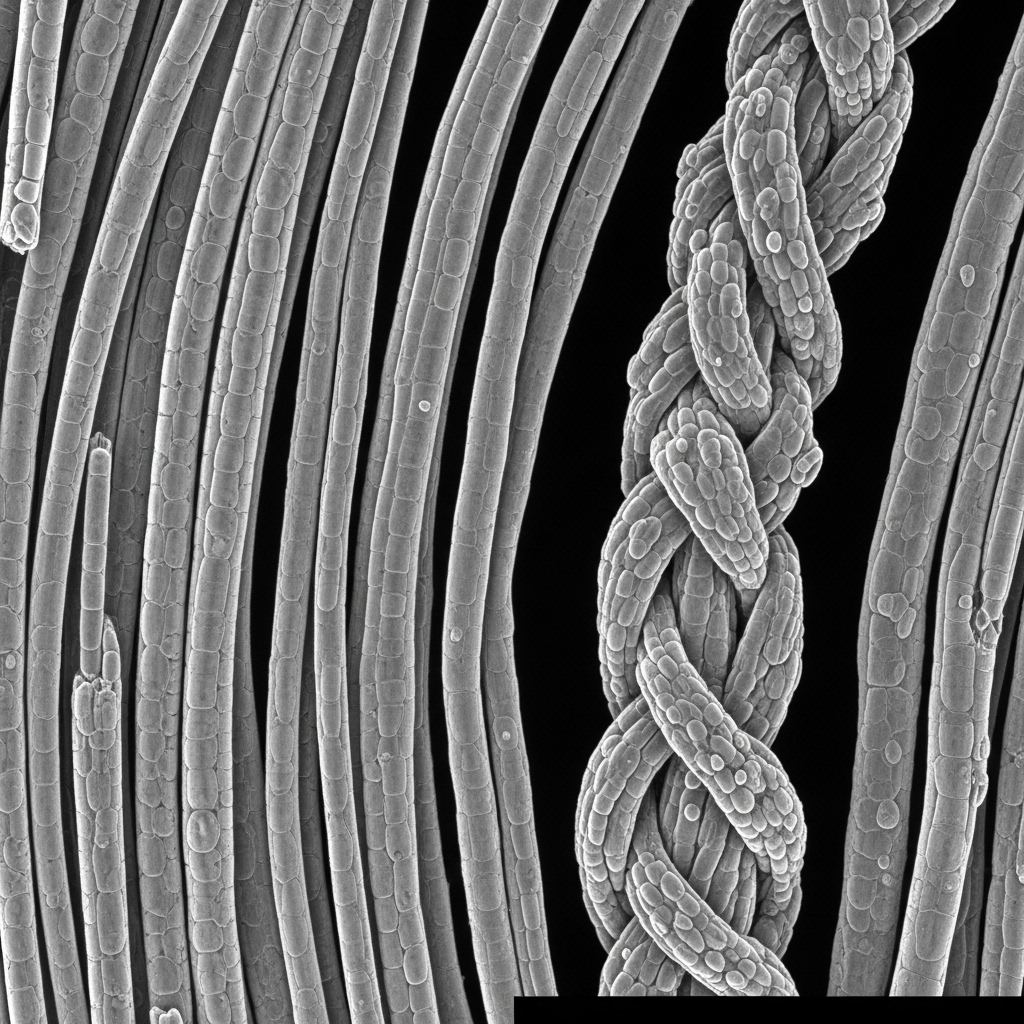
At the core of this phenomenon is a mutation in the KRT75 gene, which codes for keratin—the protein that makes up hair, nails, and the outer layer of skin. Keratin is responsible for hair’s strength and elasticity, but in most people, it can still weaken over time due to environmental factors or mechanical stress. However, individuals with a specific mutation in KRT75 produce a modified form of keratin that is exceptionally resilient.
How does this mutation work? Normally, keratin proteins form long, fibrous structures that interlock like a chain. The mutation alters the way these proteins bond, creating a tighter, more durable network. This makes the hair shaft less prone to damage from brushing, heat styling, or chemical treatments. Researchers first discovered this mutation while studying families with unusually strong hair, and the findings were published in the Journal of Investigative Dermatology.
Who Has This Mutation?
This genetic trait is incredibly rare, appearing in less than 1% of the global population. It’s most commonly found in certain isolated communities where intermarriage has preserved the mutation over generations. For example, a small village in Ecuador gained scientific attention when researchers noticed that many residents had hair that was nearly impossible to break, even under laboratory conditions.
Could you have this mutation? If your hair rarely splits, doesn’t break easily, and remains strong despite frequent styling, you might carry this genetic variation. However, the only way to confirm it is through genetic testing. Most people won’t have it, but understanding how it works could still help scientists develop better hair care products for everyone.
What This Means for Hair Care
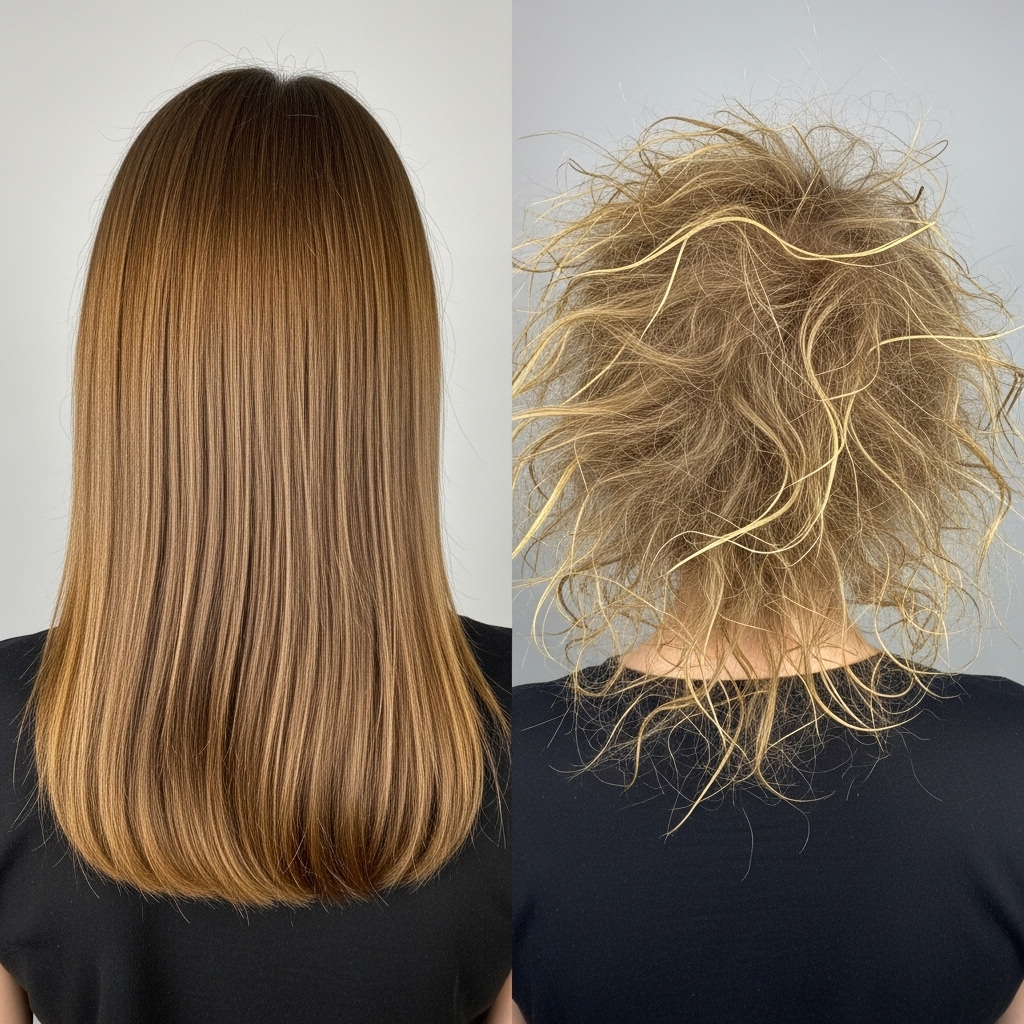
While most of us aren’t lucky enough to have this mutation naturally, scientists are studying it to develop advanced hair treatments. By mimicking the effects of the KRT75 mutation, researchers hope to create products that reinforce hair structure, making it more resistant to damage. Some experimental keratin-based serums and bond-building treatments already show promise in clinical trials.
Could unbreakable hair become a reality for everyone? It’s still early, but the potential is exciting. Imagine a future where split ends and breakage are a thing of the past, thanks to science unlocking the secrets of this rare genetic advantage.

How to Protect Your Hair (Even Without the Mutation)
Until science catches up, there are proven ways to keep your hair as strong and healthy as possible:
1. Minimize Heat Styling: Excessive use of flat irons and blow dryers weakens hair over time. Use heat protectant sprays and lower temperature settings when possible.
2. Avoid Over-Processing: Frequent coloring or chemical treatments can strip hair of its natural proteins. Opt for gentler alternatives or extend the time between treatments.
3. Eat a Hair-Healthy Diet: Foods rich in biotin (eggs, nuts), omega-3s (salmon, flaxseeds), and protein (lean meats, beans) support keratin production.
4. Use Strengthening Products: Look for shampoos and conditioners containing keratin, amino acids, or bond-repairing technology.

The Future of Genetic Hair Research
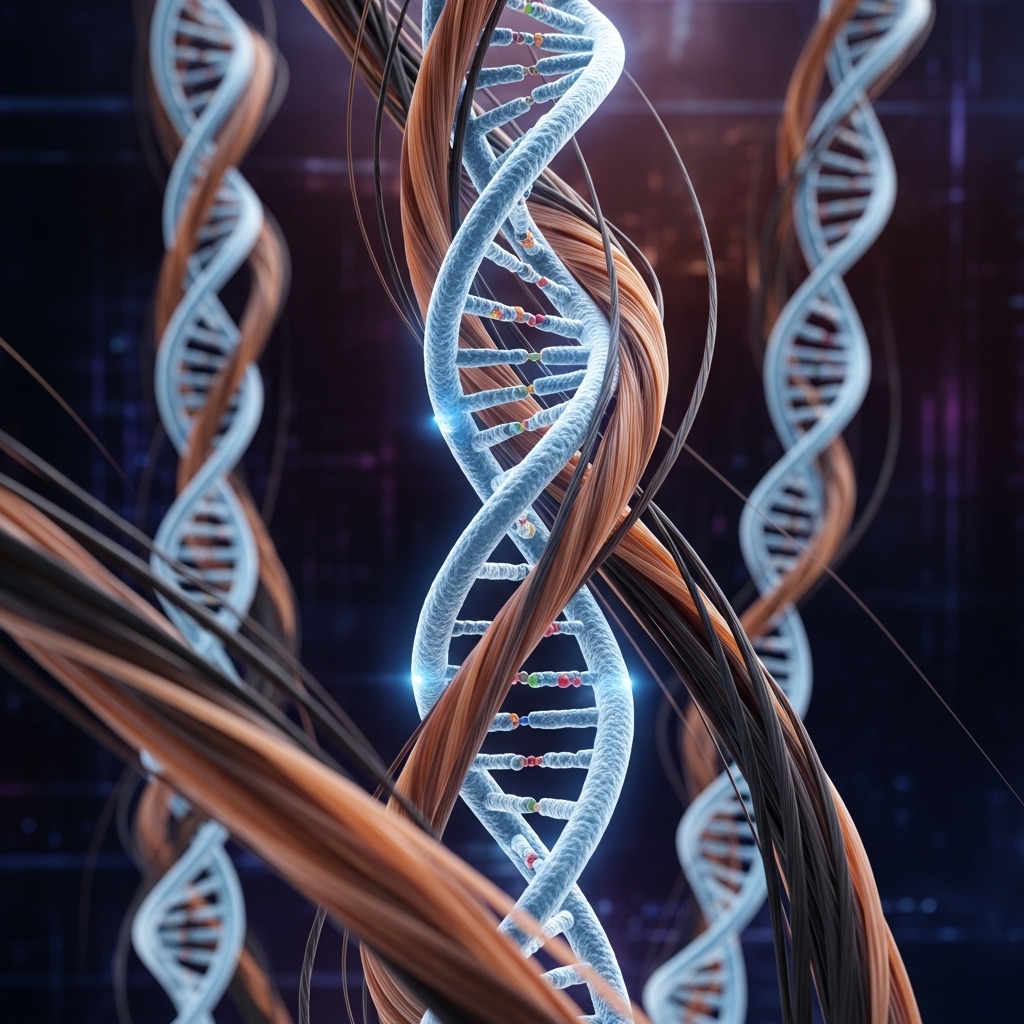
Beyond the KRT75 mutation, scientists are exploring other genetic factors that influence hair strength, texture, and growth. CRISPR gene-editing technology could one day allow for precise modifications to enhance hair durability, though ethical and safety concerns remain. For now, the focus is on harnessing these discoveries to develop non-invasive treatments that strengthen hair from the outside.
As research progresses, we may unlock even more secrets about how DNA shapes our hair—and how we can work with our genetics to achieve healthier, more resilient strands.
Conclusion
The discovery of the KRT75 mutation has opened new doors in understanding hair strength at a molecular level. While only a tiny fraction of people have naturally unbreakable hair, this genetic insight offers hope for revolutionary hair care advancements. Whether through cutting-edge treatments or simple protective habits, the dream of stronger, healthier hair is within reach—even for those of us without the lucky DNA.
What do you think? Would you undergo genetic testing to see if you have this mutation? Share your thoughts in the comments!

