
Have you ever stopped to think about the incredible story woven into every strand of your hair? What if I told you that your locks hold secrets about your ancestors, your health, and even the future of technology? This isn’t just another haircare article – this is a journey through time, science, and culture that will fundamentally change how you view those strands on your head.
The Ancient Language of Hair
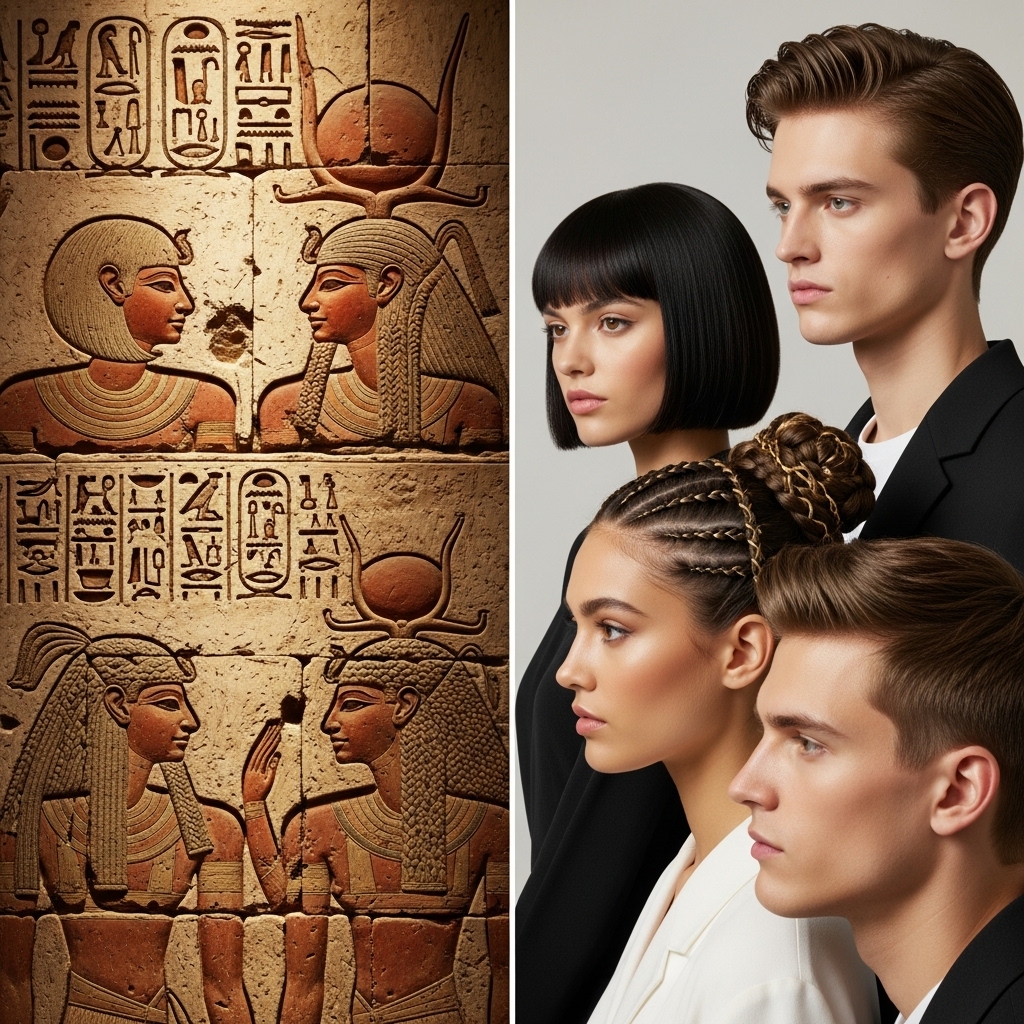
Long before written language, humans communicated through their hair. Archaeological evidence shows that Neanderthals used primitive combs 50,000 years ago. Ancient Egyptians created elaborate wigs not just for beauty, but as social status markers – the more intricate the hairstyle, the higher your position in society.
In many indigenous cultures, hair was (and still is) considered sacred. The Navajo believe hair stores spiritual energy, which is why they traditionally avoid cutting it. Sikhs maintain uncut hair as a symbol of their faith. These traditions point to a universal human understanding that hair is far more than dead protein.
The Science Behind Your Strands
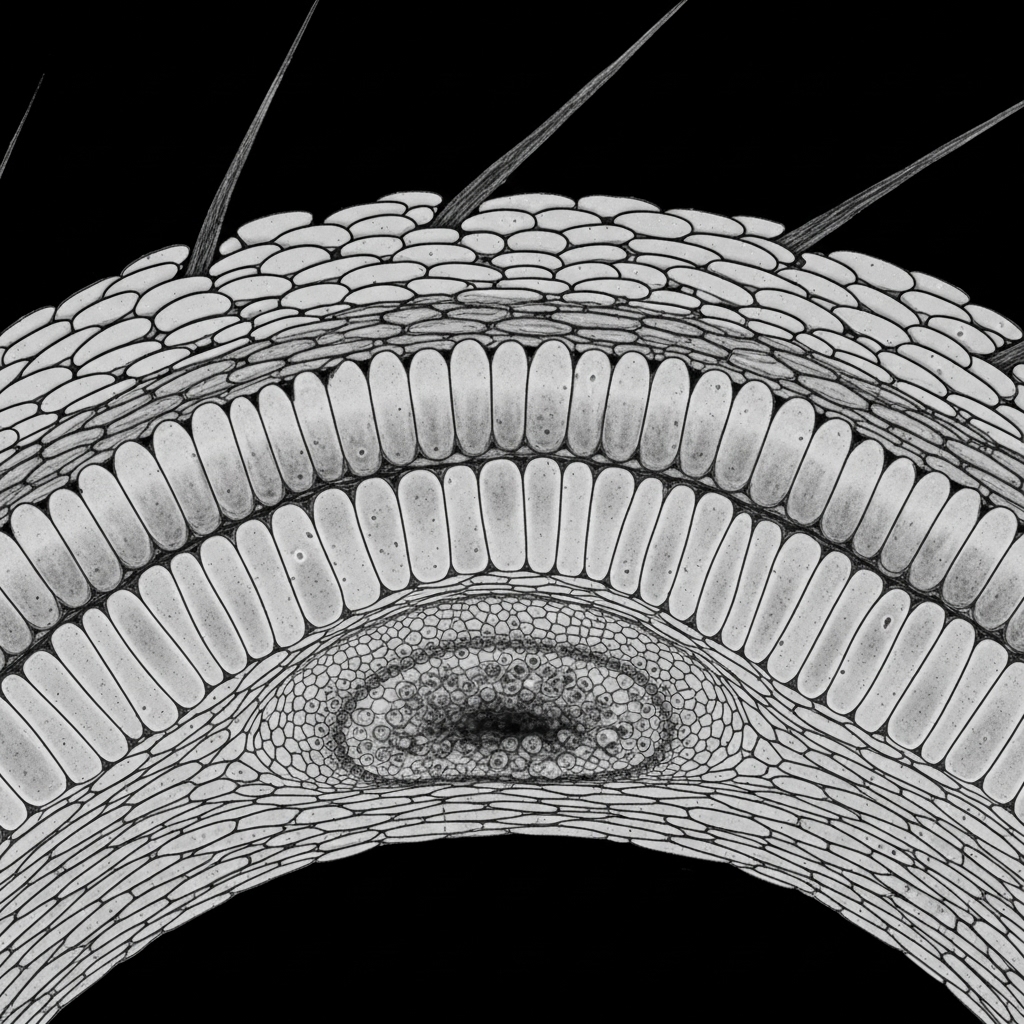
Each hair on your head is a biological marvel. The average person has 100,000-150,000 hair follicles, each capable of producing about 20 individual hairs in a lifetime. Your hair grows about 6 inches per year, making it one of the fastest growing tissues in your body.
But here’s what will really blow your mind: a single strand of hair can reveal:
- Your nutritional deficiencies
- Exposure to toxins
- Stress levels from months ago
- Even geographical movements based on isotopic signatures
Forensic scientists regularly use hair analysis to solve crimes, and archaeologists study ancient hair to understand historical diets and migrations. Your shower drain holds more information than you ever imagined!
Hair Through the Ages: A Cultural Revolution
The 20th century alone saw hair become a powerful political and cultural symbol. The 1920s flapper bob represented women’s liberation. The afro became a statement of Black pride in the 1960s. Punk hairstyles of the 1970s-80s rebelled against societal norms.
Today, the natural hair movement continues to challenge beauty standards, while gray hair acceptance campaigns fight ageism. Your hairstyle choices are never just about aesthetics – they’re part of an ongoing cultural conversation about identity and values.
The Future of Hair: Beyond Beauty
Emerging technologies are taking hair science into science fiction territory. Researchers are developing:
- Hair-based biosensors that monitor health
- Self-repairing hair products using nanotechnology
- Lab-grown hair follicles for regenerative medicine
- Even attempts to encode data in synthetic hair strands
Meanwhile, the haircare industry is undergoing a sustainability revolution, with innovations like waterless shampoos and compostable hair extensions. The future of hair isn’t just about looking good – it’s about changing the world.

Your Hair, Your Story
Every time you brush your hair or get a haircut, you’re interacting with an ancient biological legacy. Those strands contain memories of your childhood nutrition, your grandparents’ genetic heritage, and even environmental changes you’ve lived through.
So the next time you find a hair in your soup or clogging your drain, remember: you’re not looking at a nuisance, but at a remarkable piece of natural engineering with stories to tell. Your hair is quite literally a living history book – and the next chapters are still being written.

