
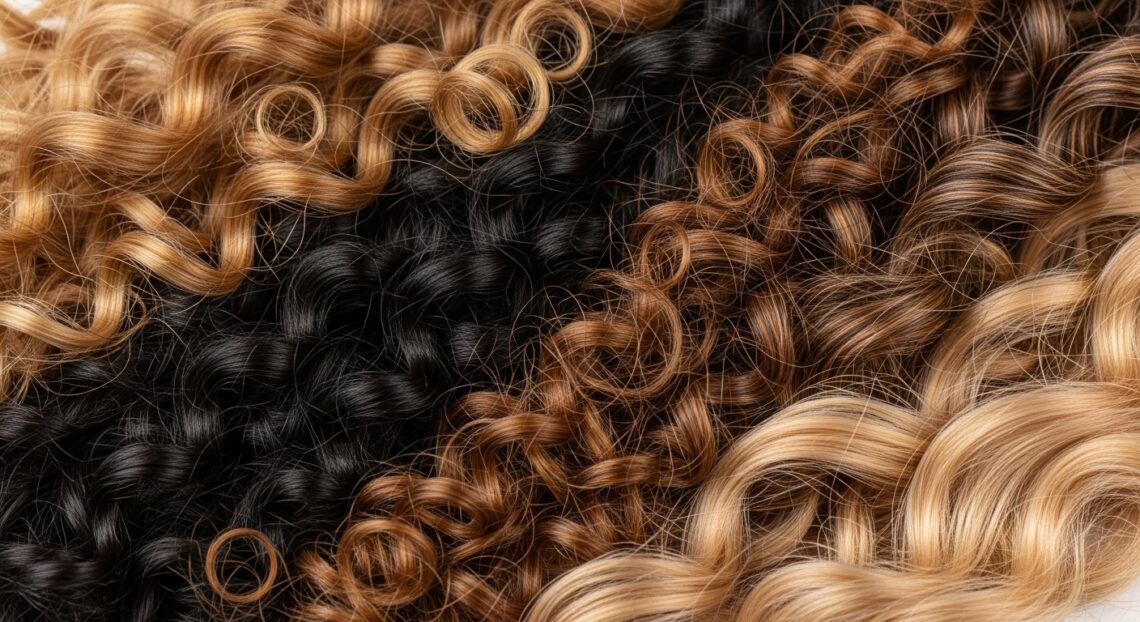
For years, I struggled with my hair. Not because it was unruly or hard to manage—though it certainly had its moments—but because it didn’t fit the mold of what I thought “beautiful” hair should look like. Growing up, I straightened, relaxed, and tucked away my natural curls, believing they were something to be fixed. But as I grew older, my hair became more than just strands on my head; it became a mirror reflecting my journey toward self-acceptance, cultural pride, and identity.
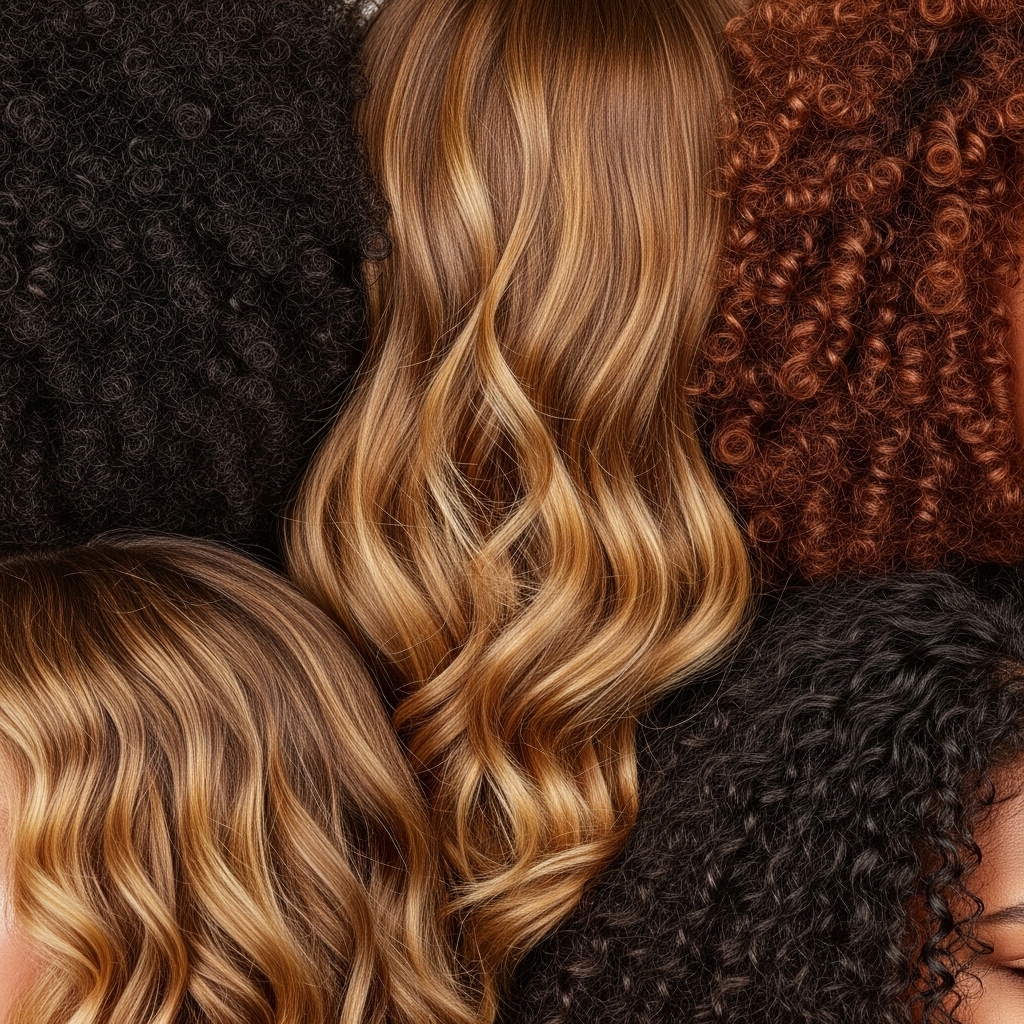
The Early Years: Fighting Against My Roots
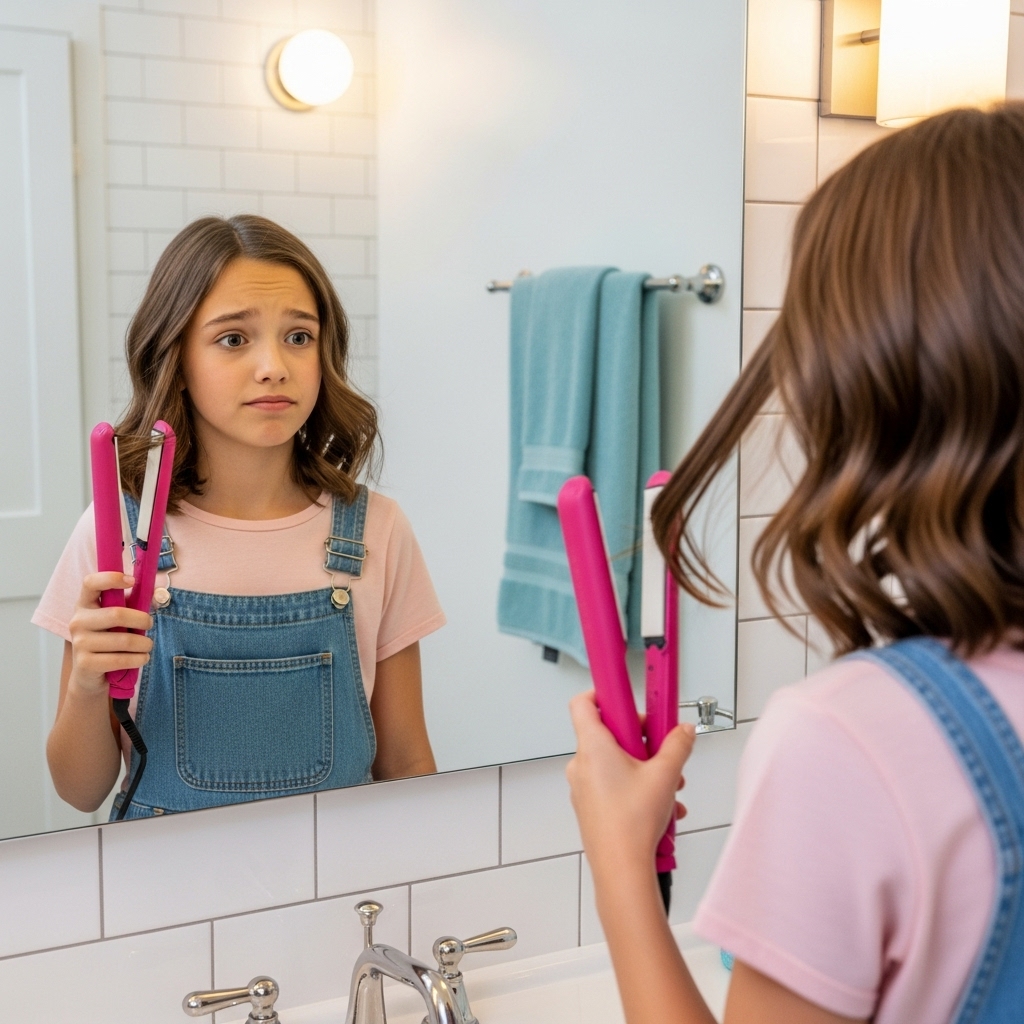
As a child, I remember sitting between my mother’s knees as she meticulously straightened my hair with a hot comb. The sizzle of heat, the smell of burning oil, and the occasional sting on my scalp were all part of the ritual. I thought this was normal—necessary, even. After all, every woman in my family did the same. My hair was “too thick,” “too coarse,” and “too much” to be left in its natural state.
School didn’t help. Classmates would ask why my hair looked “messy” when I wore it curly or why I didn’t just “brush it out.” The media reinforced these ideas, showcasing sleek, straight hair as the epitome of beauty. I internalized these messages, believing my natural texture was a flaw to be corrected.
The Awakening: Discovering Natural Hair Communities
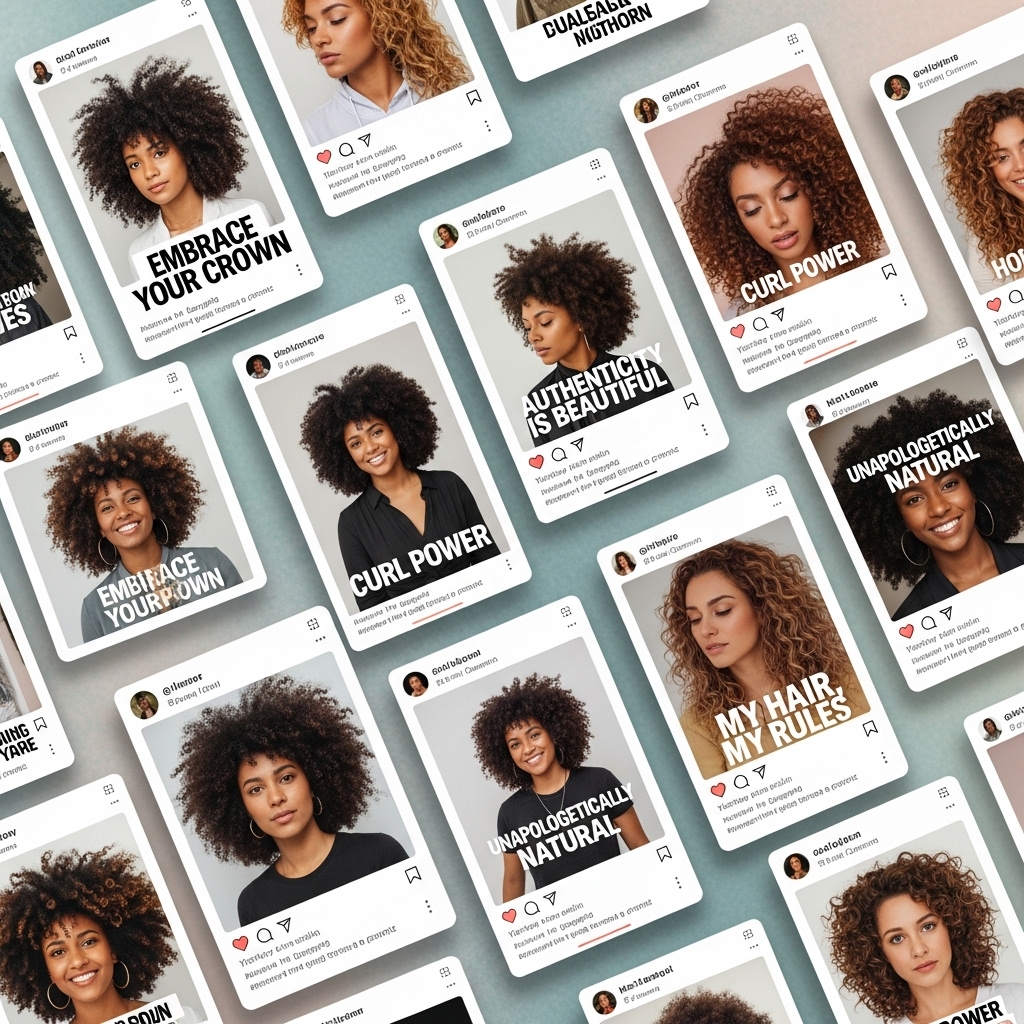
Everything changed in college. For the first time, I met women who wore their curls and coils with pride. They spoke of “big chops,” protective styles, and the importance of moisture—terms I’d never heard before. I stumbled upon online communities where Black women shared their hair journeys, celebrating every twist, kink, and coil.
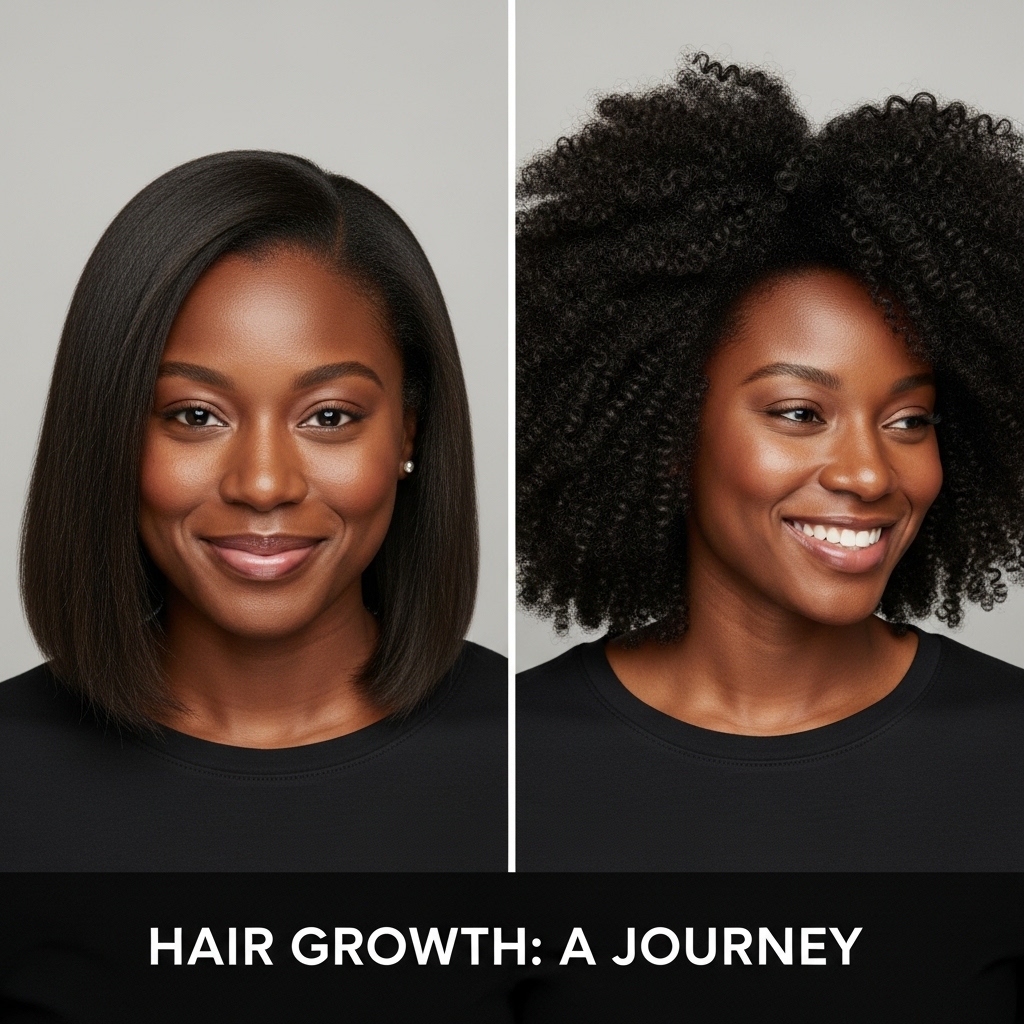
Slowly, I began to question why I’d spent so much time fighting my hair. Was it really about manageability, or was it about conforming to a standard that wasn’t made for me? I decided to stop relaxing my hair and embrace its natural texture. The transition wasn’t easy—there were awkward phases, bad hair days, and moments of doubt—but with each step, I felt closer to my true self.
Hair as a Cultural Statement
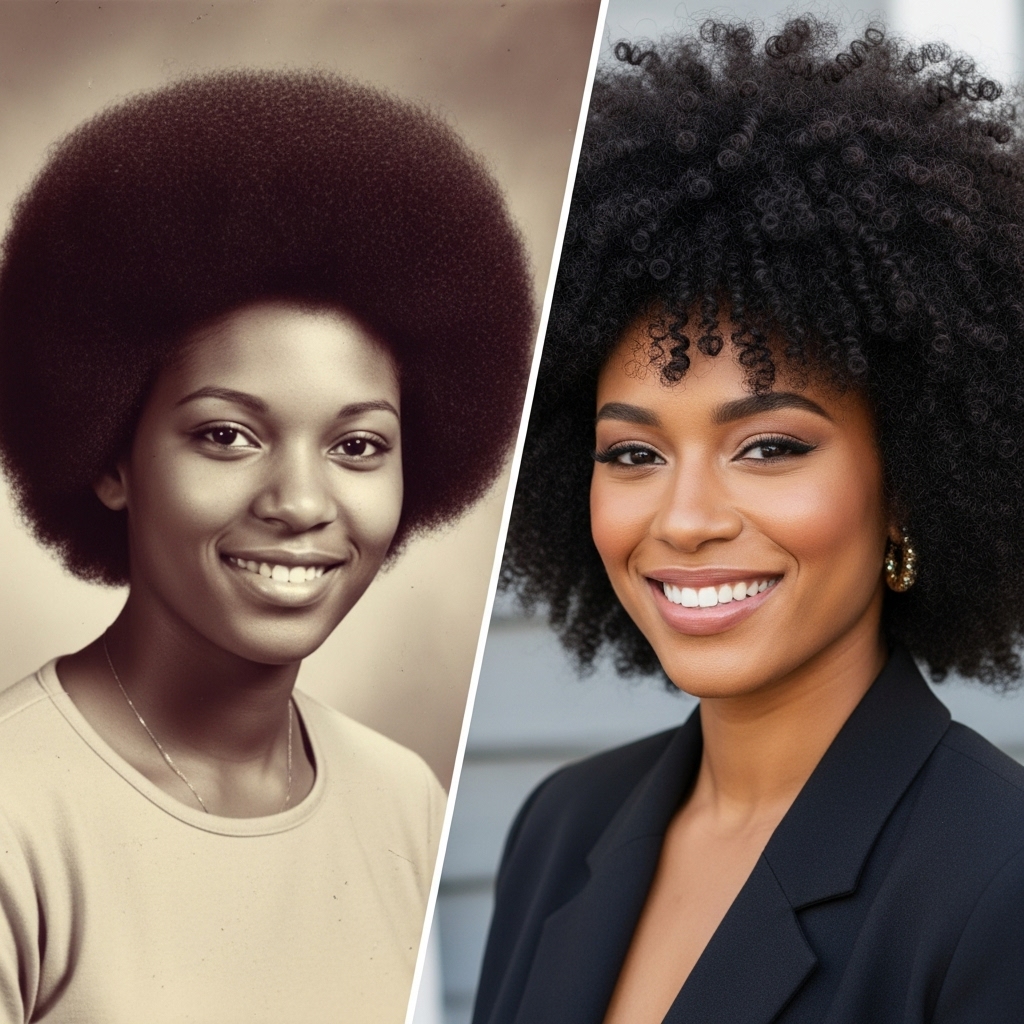
As I learned to care for my natural hair, I also uncovered its deeper significance. My curls weren’t just a personal trait—they were tied to my heritage, my ancestors, and a history of resilience. I read about how enslaved Africans used braids as maps to freedom, how the Afro became a symbol of Black pride in the 1960s, and how natural hair is still politicized today.
Wearing my hair naturally became an act of defiance against Eurocentric beauty standards. It was a way to honor the women in my lineage who had no choice but to conform. For the first time, I felt connected to something bigger than myself.
The Emotional Weight of Hair
Letting go of societal expectations wasn’t just a physical transformation—it was emotional, too. I had to unlearn years of conditioning that told me my natural hair was unprofessional, unattractive, or unworthy. There were moments when I hesitated before job interviews or social events, wondering if my curls would be “too much.”
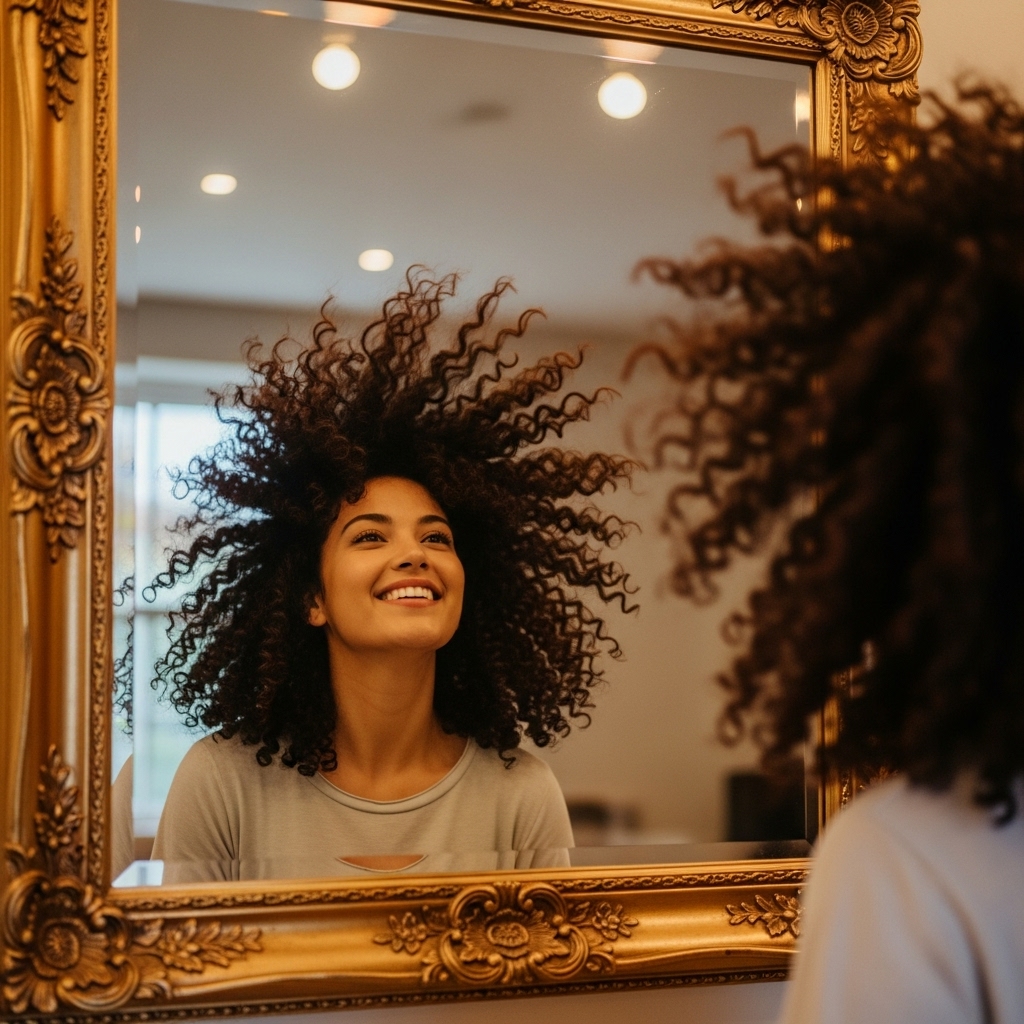
But with time, I realized that my hair wasn’t the problem. The problem was a world that taught me to see myself as lacking. Embracing my texture became a radical act of self-love. Every coil was a reminder that I didn’t have to shrink to fit someone else’s idea of beauty.
Lessons Beyond the Mirror
My hair journey taught me more than just how to style curls—it taught me about identity. Here’s what I learned:
1. Authenticity is freeing. Trying to fit into a mold is exhausting. When I stopped fighting my hair, I stopped fighting myself.
2. Beauty standards are subjective. What’s considered “beautiful” is shaped by culture, history, and power—not by any inherent truth.
3. Self-acceptance is a process. Some days, I still struggle. But every small victory—whether it’s trying a new style or simply letting my hair be—adds up.
Final Thoughts: More Than Just Hair
Today, my hair is more than just a part of my appearance—it’s a statement, a celebration, and a reminder of who I am. It’s taught me that identity isn’t static; it’s something we explore, challenge, and redefine over time.
If you’re on your own journey—whether it’s with your hair, your body, or your sense of self—remember this: you don’t have to conform to be worthy. Your uniqueness is your power. And sometimes, the things we’re taught to hide are the very things that make us whole.

