
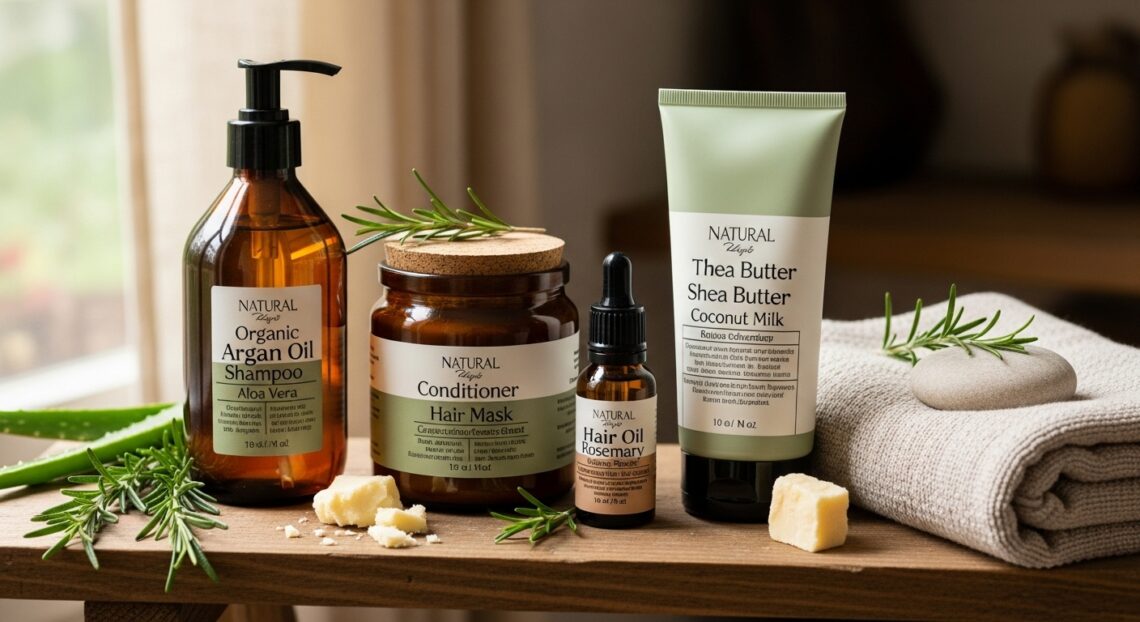

I used to believe perfect hair was the key to confidence. Silky, shiny, Instagram-worthy locks that would turn heads wherever I went. What started as innocent styling quickly spiraled into an obsessive, expensive, and ultimately destructive journey that left my hair – and self-esteem – in ruins.
This is my cautionary tale about how the pursuit of perfection became my biggest beauty regret.
The Allure of the Perfect Hair Dream
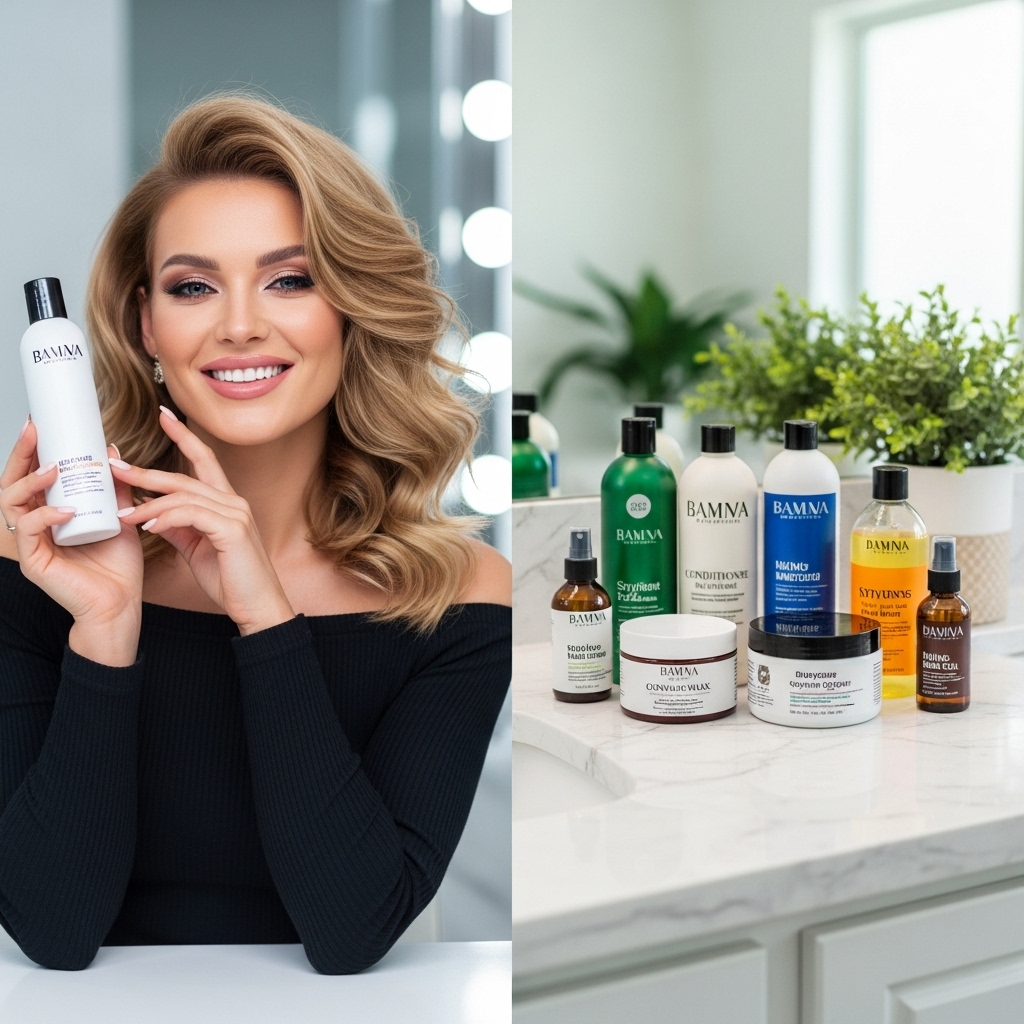
It began in college when I first discovered hair influencers on social media. Their flawless blowouts, beachy waves, and glass-like straight hair seemed to promise happiness in every strand. I spent hours watching tutorials, convinced that if I could just achieve that level of perfection, my life would magically improve.
I invested in expensive flat irons, volumizing products, and weekly salon treatments. At first, the compliments were intoxicating. “Your hair looks amazing!” became my favorite phrase. But beneath the surface, trouble was brewing.
The First Signs of Trouble
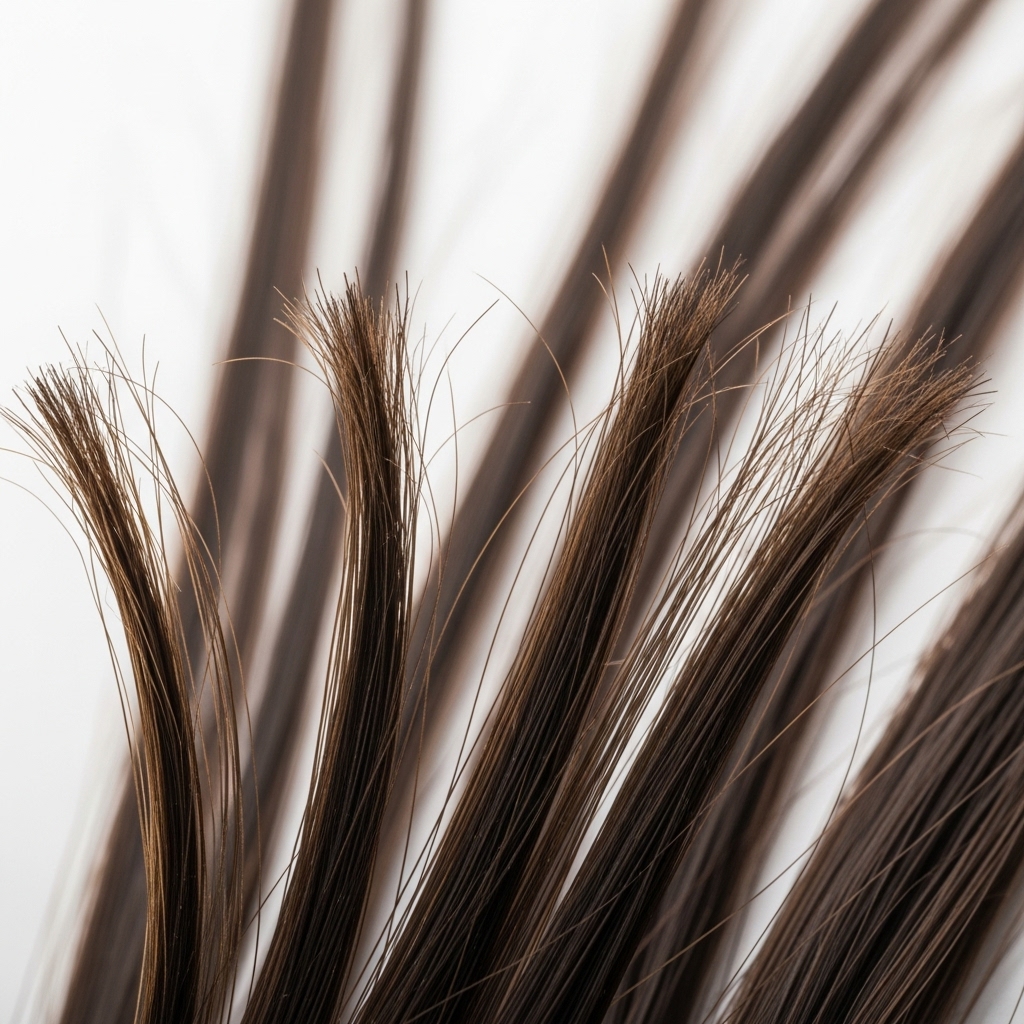
After six months of daily heat styling and chemical treatments, I noticed my hair didn’t feel right anymore. What was once soft became brittle. Where it used to shine, it now looked dull. The ends split faster than I could trim them, yet I convinced myself this was normal – the price of beauty.
My stylist warned me to slow down, but I dismissed her concerns. “I know my hair,” I’d say while secretly booking extra conditioning treatments to counteract the damage I was causing.
The Breaking Point
The wake-up call came during what should have been a special occasion. Preparing for a friend’s wedding, I reached for my trusted flat iron only to watch in horror as an entire section of hair snapped off mid-styling. The mirror reflected patchy, uneven lengths where healthy hair used to be.
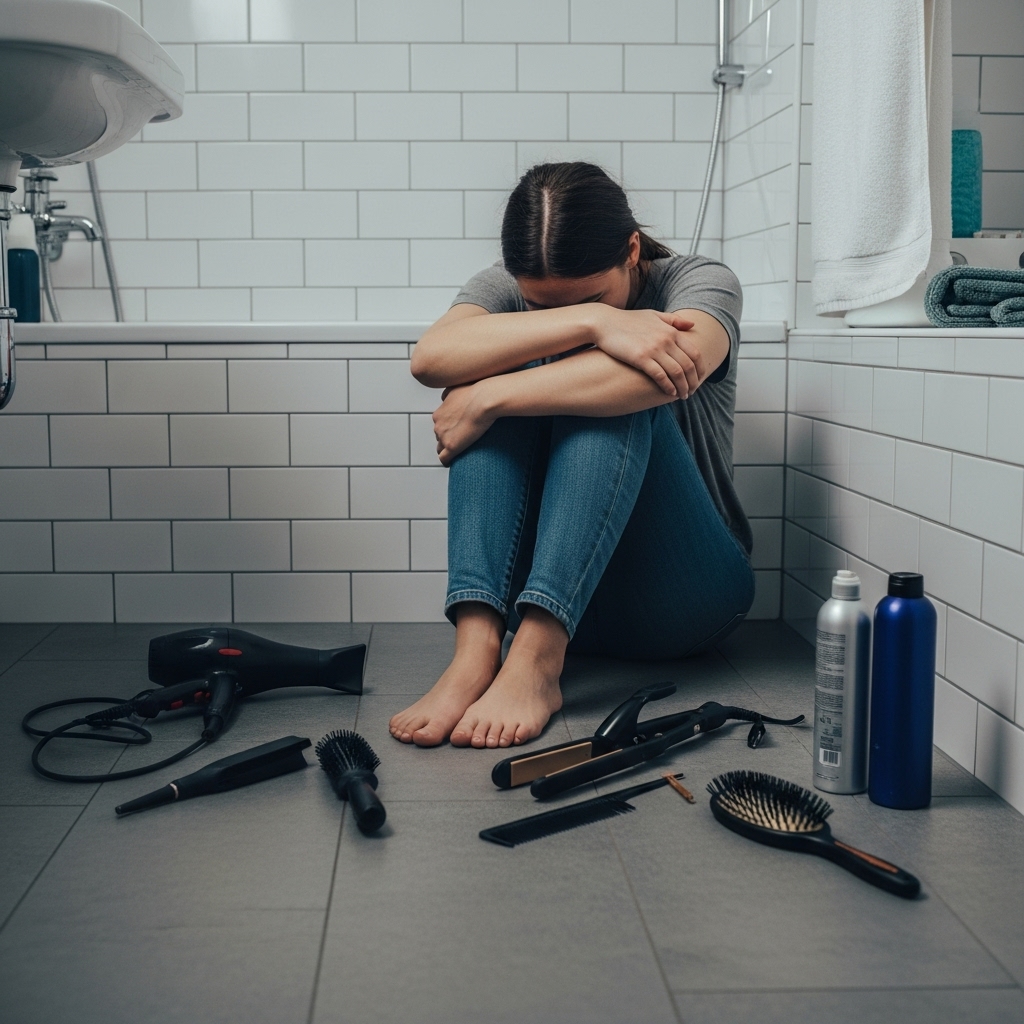
In that moment, I realized I’d crossed from maintenance into madness. My quest for perfect hair had destroyed the very thing I cherished. The worst part? I didn’t even recognize myself anymore – not just physically, but in how much mental space this obsession consumed.
The Road to Recovery
Rebuilding my hair health required complete lifestyle changes:
1. The No-Heat Challenge: I committed to six months without hot tools, learning to embrace my natural texture for the first time in years.
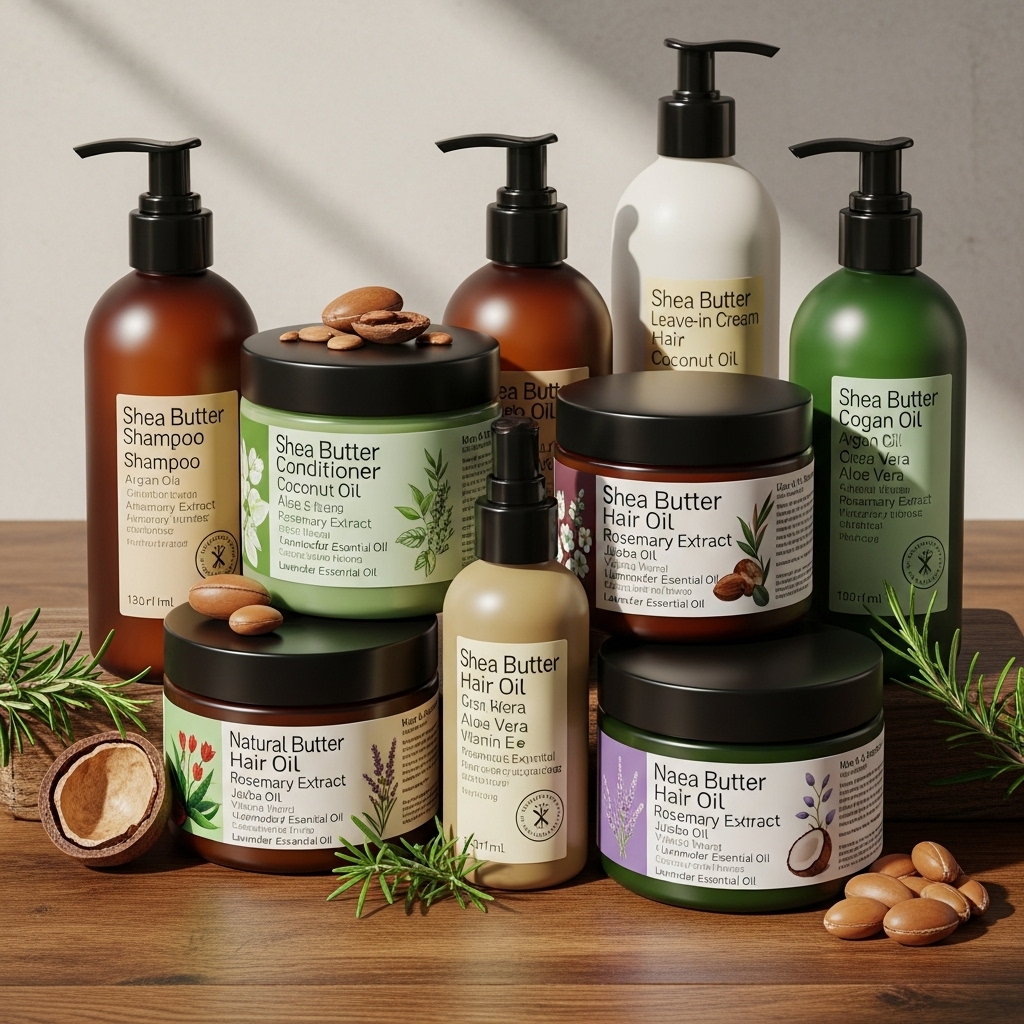
2. Ingredient Awareness: I became obsessive about reading labels, eliminating sulfates, parabens, and silicones from my routine.
3. Professional Intervention: A trusted trichologist helped assess the damage and create a realistic recovery plan.
Most importantly, I had to redefine what “perfect hair” meant – shifting from an external ideal to internal health as the true measure of beauty.
Lessons Learned the Hard Way
Looking back, I wish someone had told me:
• Social media lies: Most “perfect hair” posts involve extensions, filters, and professional styling you don’t see behind the scenes.
• Damage compounds silently: Hair shows stress gradually, then all at once when it’s often too late to prevent drastic measures.
• Confidence comes from within: No hairstyle can compensate for self-worth issues – that’s a journey no product can shortcut.
Where I’m At Now
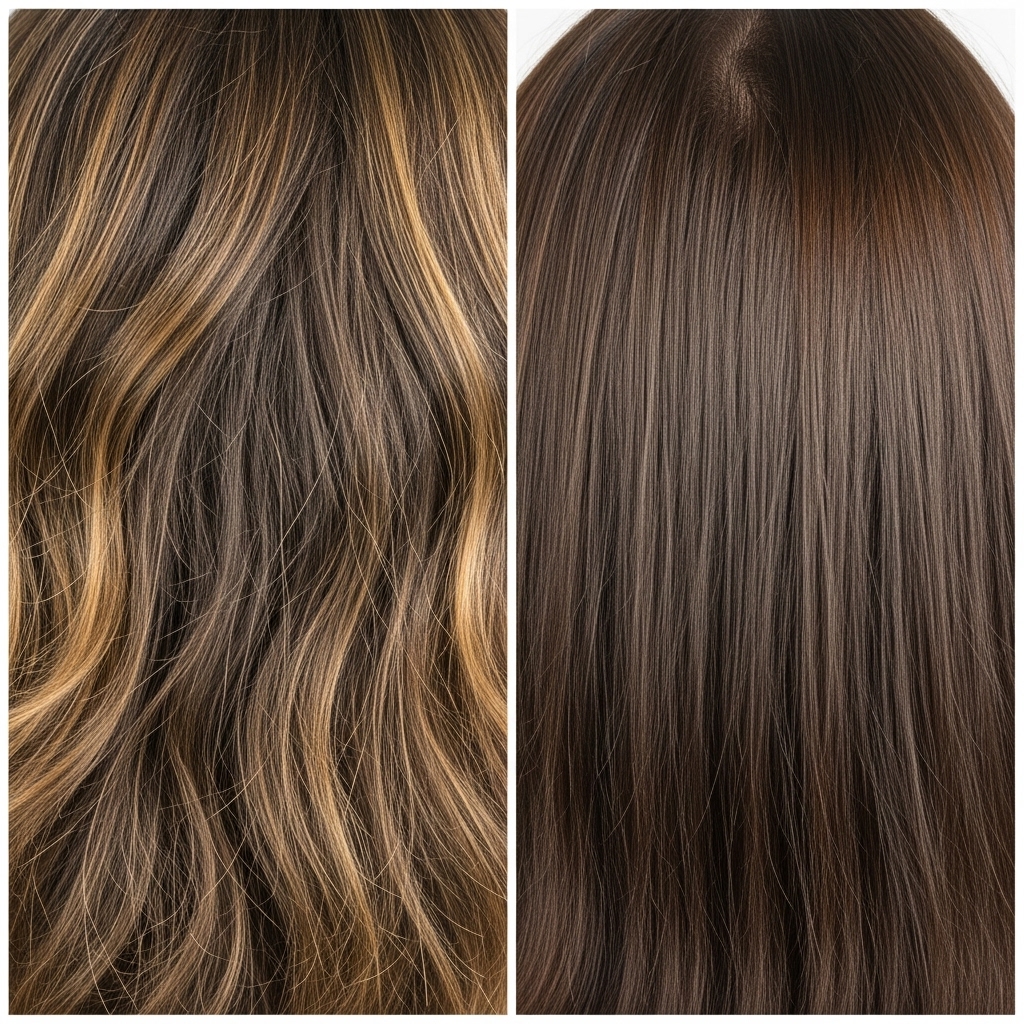
Two years later, my hair has recovered about 80% of its former health. I still have moments of frustration with its limitations, but I’ve developed a healthier relationship with my appearance. Some unexpected positives emerged:
• I save nearly $200/month on salon visits and products
• My mornings are quicker without elaborate styling routines
• I’ve discovered beautiful textures I never knew my hair could achieve naturally
Most importantly, I’ve learned that true beauty doesn’t come from perfection, but from working with what you have in ways that celebrate rather than punish your natural features.

A Message to Anyone on This Path
If you recognize yourself in my story, please know:
1. Your hair’s health matters more than any temporary style.
2. Professional help is worth investing in before damage occurs.
3. Social media comparisons will always leave you feeling inadequate.
4. True confidence comes from self-acceptance, not external validation.

