
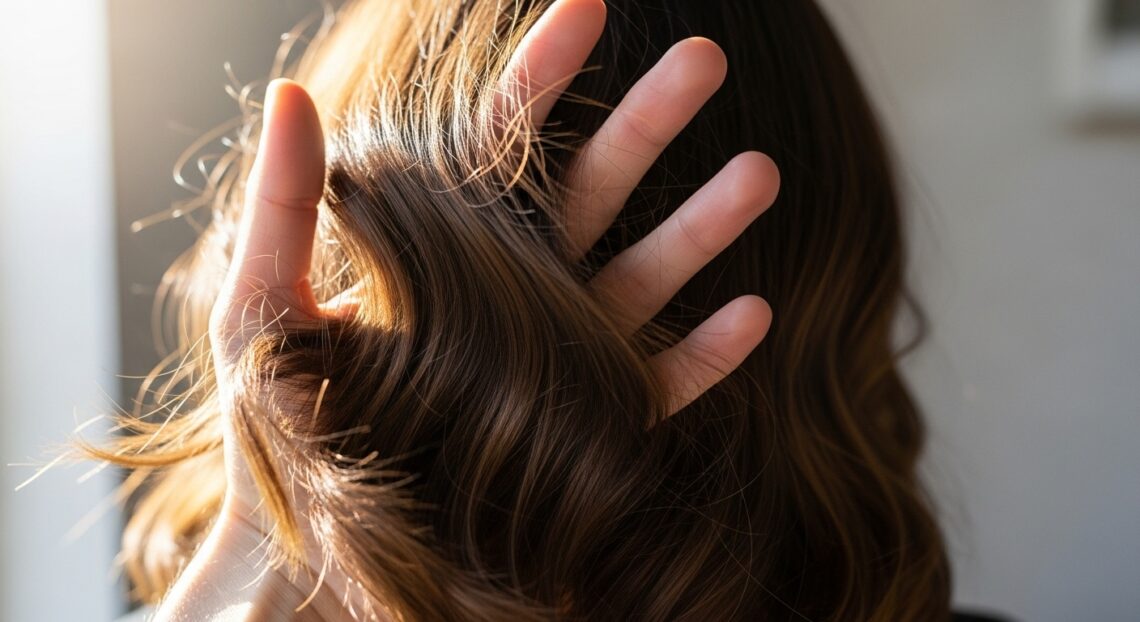

Have you ever wondered why your hair grows the way it does? Whether it’s curly, straight, thinning, or growing in unexpected directions, your hair growth pattern might hold clues about your health, genetics, and even your future. While hair is often seen as a purely aesthetic feature, science and folklore suggest that it can reveal much more.
In this blog post, we’ll explore the fascinating connections between hair growth patterns and various aspects of life—from health indicators to personality traits. By the end, you might look at your locks in a whole new light!
The Science Behind Hair Growth Patterns
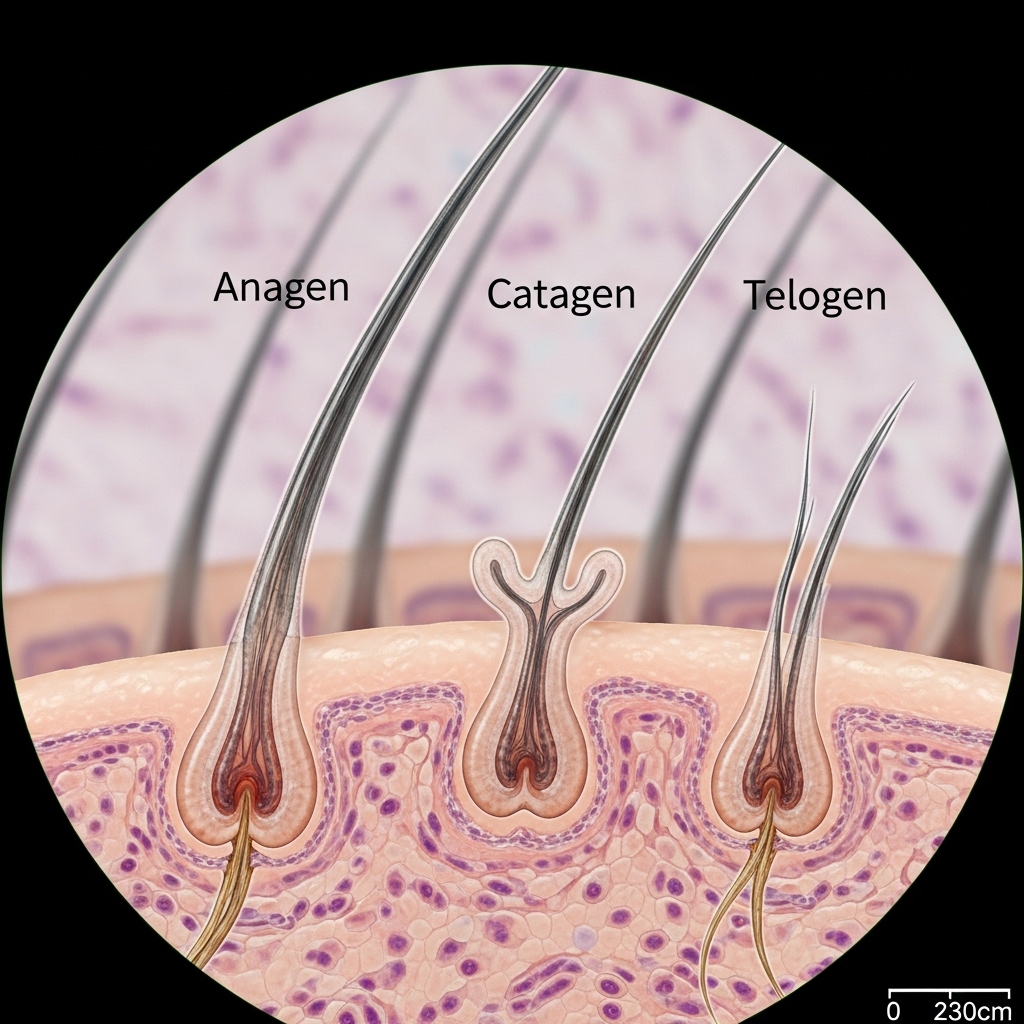
Hair growth is influenced by a combination of genetics, hormones, and environmental factors. The shape of your hair follicles determines whether your hair is straight, wavy, or curly. Meanwhile, growth cycles—anagen (growth), catagen (transition), and telogen (resting)—dictate how long and thick your hair becomes.
Key factors affecting hair growth:
- Genetics: Your DNA largely determines texture, density, and growth rate.
- Hormones: Androgens like testosterone can influence hair thickness and balding patterns.
- Nutrition: Deficiencies in vitamins (e.g., biotin, iron) can slow growth or cause hair loss.
- Stress: Chronic stress may trigger excessive shedding or premature graying.
Understanding these factors can help you decode what your hair might be telling you about your overall well-being.
What Your Hair Type Reveals About You
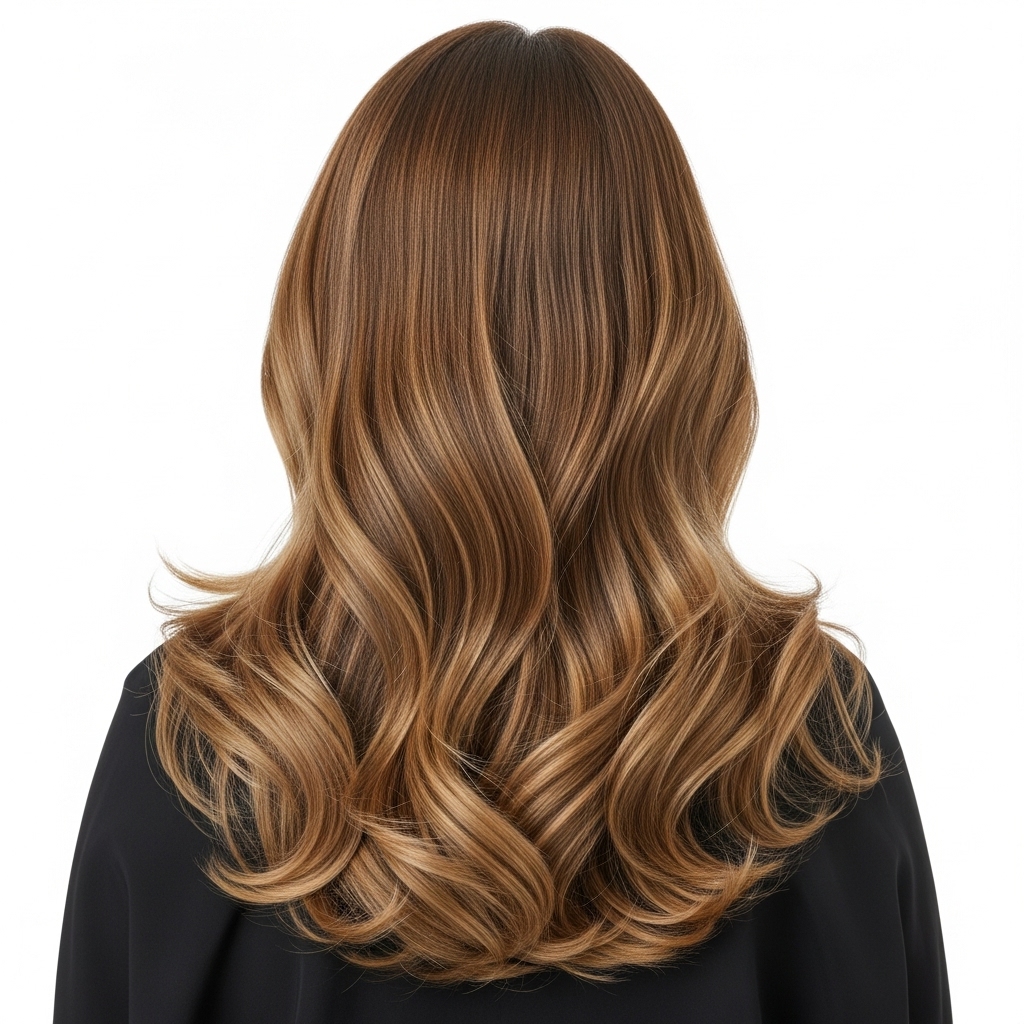
Different hair textures have been linked to distinct personality traits and health predispositions. While these associations aren’t definitive, they offer intriguing insights.
Straight Hair: Often associated with resilience and adaptability. Some studies suggest straight-haired individuals may have oilier scalps, requiring frequent cleansing.
Wavy Hair: Symbolizes balance—neither too rigid nor too loose. People with wavy hair are often seen as creative and flexible.
Curly Hair: Linked to high energy and vivacious personalities. Curly hair is also more prone to dryness, requiring extra moisture.
Coily/Kinky Hair: Represents strength and versatility. This hair type is often more fragile and benefits from protective styling.
Hair Thickness and Density: Health Clues
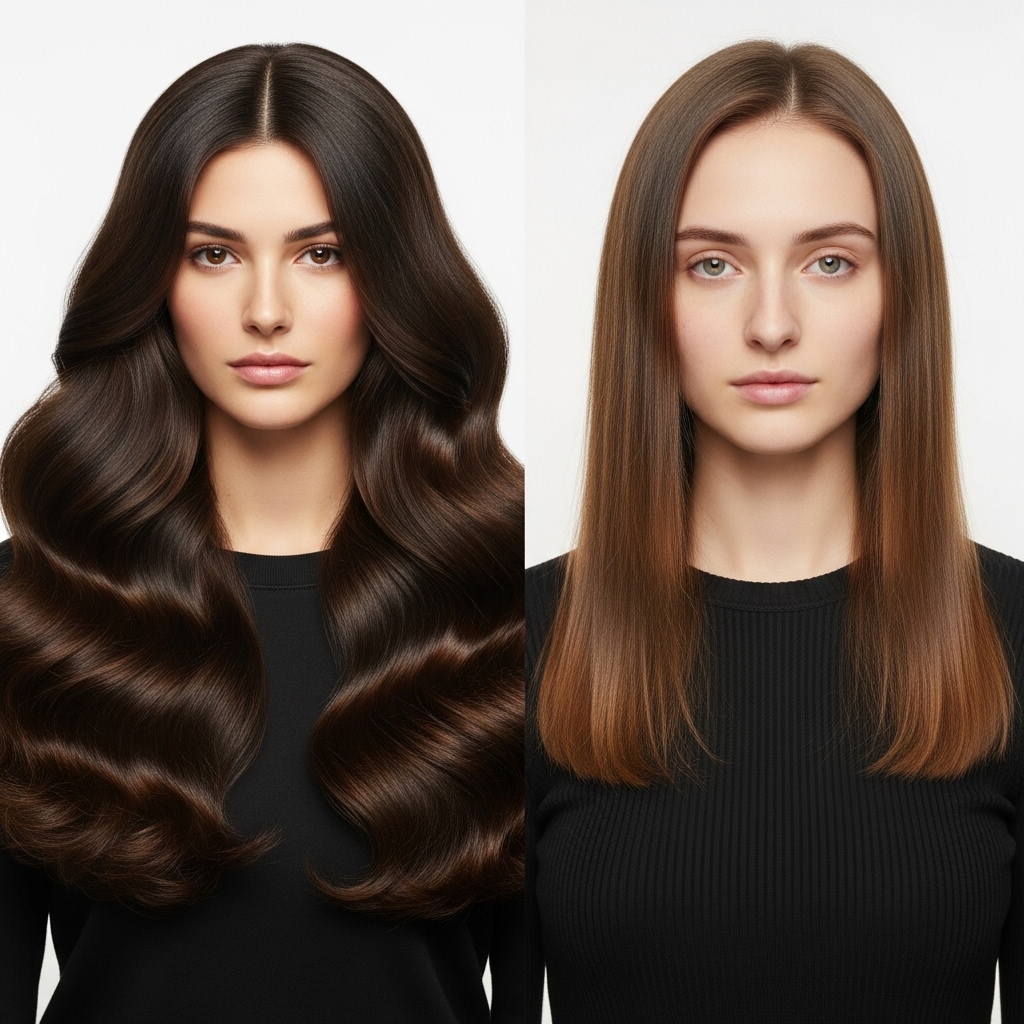
Is your hair thick and lush, or fine and sparse? Your hair’s density could hint at underlying health conditions.
Thick Hair: Generally indicates good nutrition and hormonal balance. However, sudden thickness could signal hormonal fluctuations (e.g., pregnancy).
Thin or Sparse Hair: May point to deficiencies (iron, vitamin D), thyroid issues, or genetic predispositions like androgenetic alopecia.
If you notice sudden changes in hair thickness, consulting a healthcare provider is wise.
Receding Hairlines and Balding: Myths vs. Facts
Male- and female-pattern baldness are often tied to genetics, but they’ve also been the subject of myths. For instance, the old belief that bald men are more virile has some scientific backing—higher testosterone levels can accelerate hair loss.
Common patterns:
- Widow’s Peak: A V-shaped hairline often inherited genetically, not necessarily linked to future baldness.
- Temple Recession: Common in male-pattern baldness, sometimes starting as early as the 20s.
- Crown Thinning: Often seen in women with hormonal imbalances or aging.
While balding is largely genetic, treatments like minoxidil or lifestyle changes can slow progression.
Gray Hair: Wisdom or Stress?
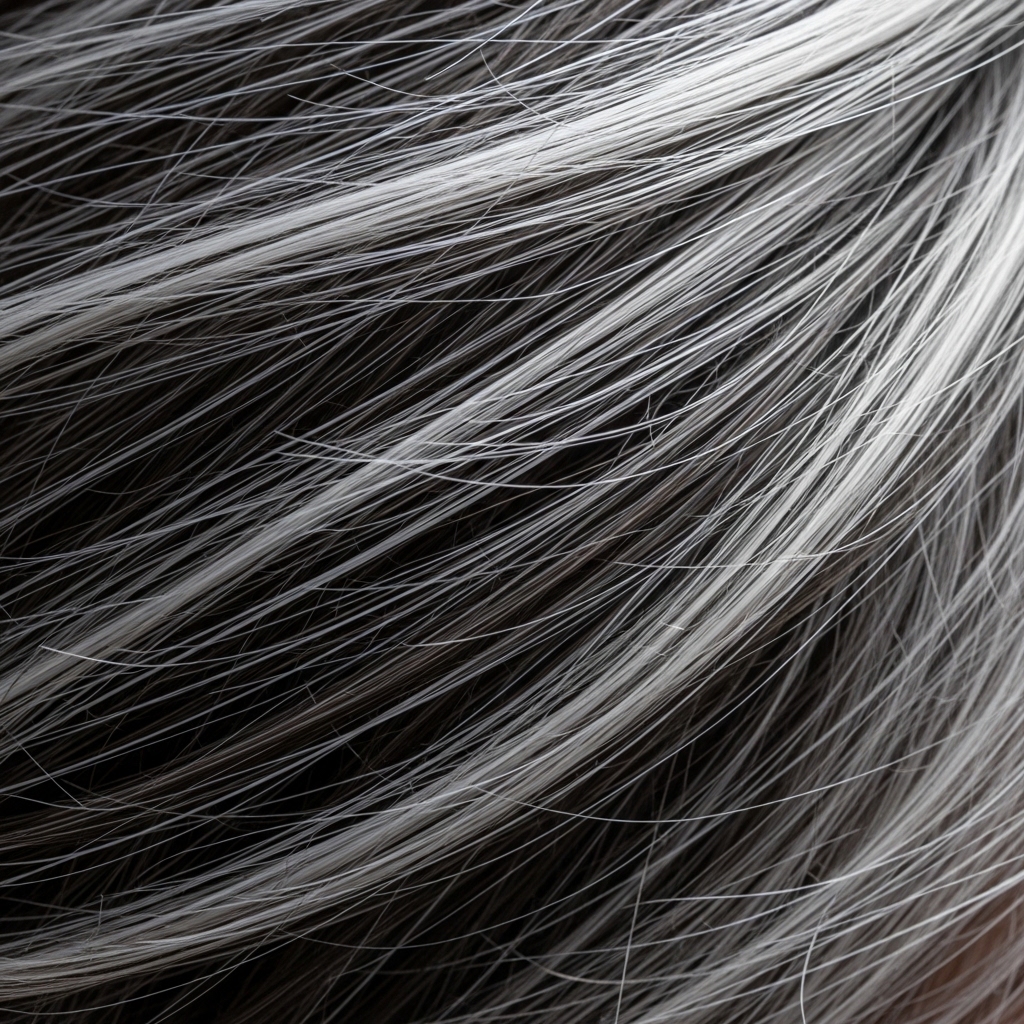
Graying is inevitable, but when and how it happens varies. Contrary to popular belief, stress can accelerate graying by depleting pigment-producing cells.
Early Graying: Could indicate autoimmune conditions or vitamin B12 deficiency, but often it’s just genetics.
Patchy Graying: Sometimes linked to vitiligo or thyroid disorders.
Embracing silver strands? You’re in good company—many see gray hair as a badge of wisdom and confidence.
Folklore and Cultural Beliefs About Hair

Throughout history, hair has been steeped in symbolism. In some cultures:
- Long hair represents vitality and spiritual strength (e.g., Native American traditions).
- Cutting hair signifies renewal or mourning (e.g., Buddhist monks shaving their heads).
- Red hair was once thought to mark witches or vampires in European folklore.
While these beliefs aren’t scientifically proven, they highlight hair’s deep cultural significance.
How to Improve Your Hair’s Health—and Future

Want to ensure your hair stays vibrant? Follow these tips:
- Eat a balanced diet: Prioritize protein, omega-3s, and vitamins A, C, and E.
- Reduce heat styling: Excessive heat damages follicles over time.
- Manage stress: Practice mindfulness or yoga to minimize hair fallout.
- Consult a specialist: For sudden changes, a dermatologist can help identify causes.
Conclusion: Listen to Your Locks
Your hair growth pattern is more than just a style statement—it’s a reflection of your genetics, health, and even personality. While it’s not a crystal ball, paying attention to changes in your hair can help you address underlying issues early.
Whether you’re rocking curls, combating grays, or embracing a receding hairline, remember: your hair tells a story. What’s yours saying?

