
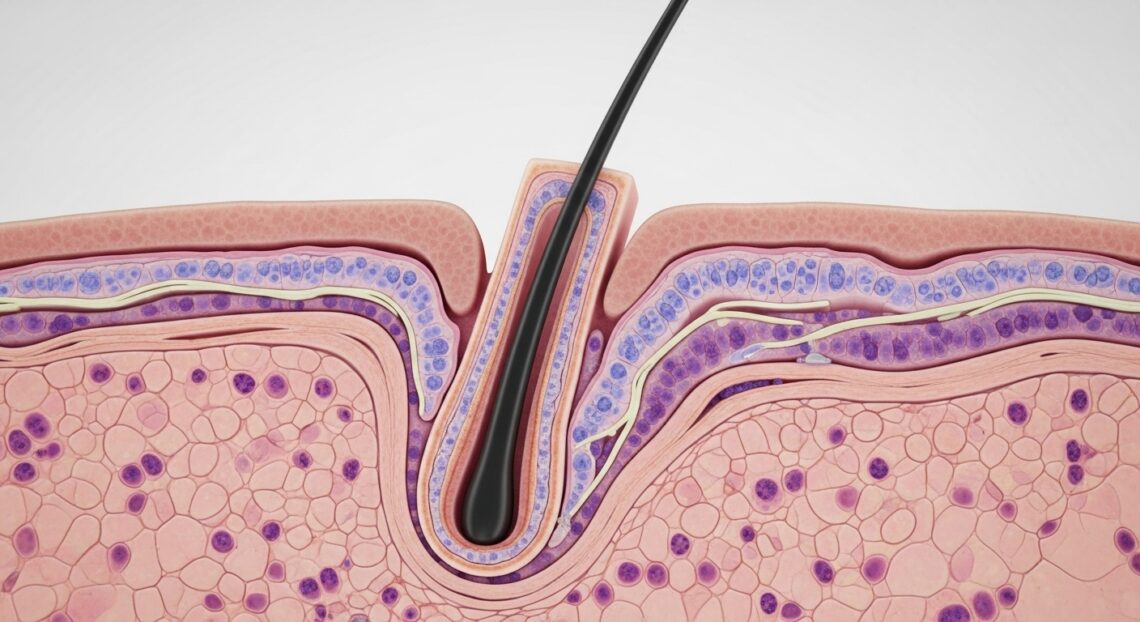
In the world of medical research, breakthroughs often come from the most unexpected places. But few could have predicted that something as ordinary as human hair would become the center of a discovery so profound it’s forcing scientists to rethink long-held biological principles.
Recent studies have uncovered a hidden function of hair follicles that challenges our understanding of human physiology. This revelation isn’t just academic—it could lead to revolutionary treatments for conditions ranging from chronic pain to neurodegenerative diseases.
The Unexpected Role of Hair in Human Physiology
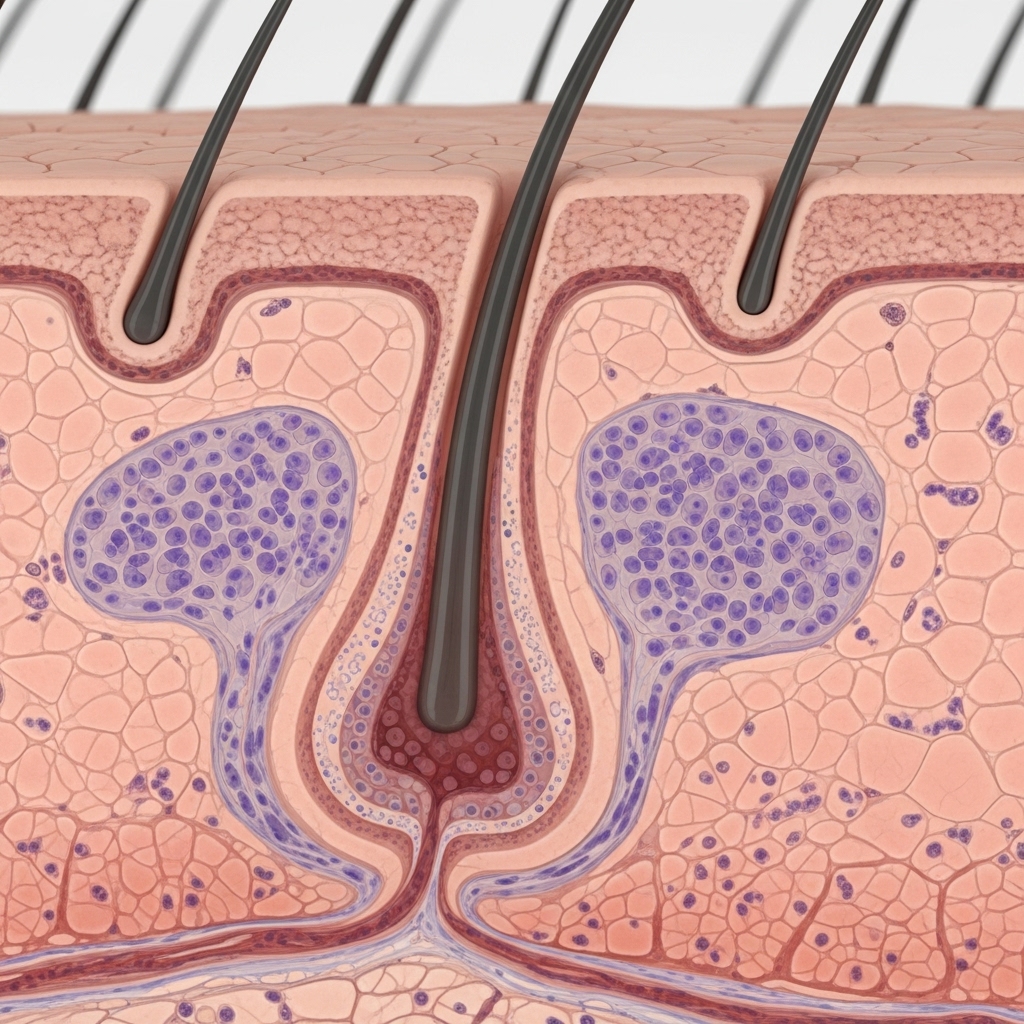
For centuries, hair was considered primarily a cosmetic feature—a remnant of our evolutionary past with limited biological significance. But researchers at Stanford University have made a startling discovery: hair follicles serve as sophisticated sensory organs that communicate directly with the nervous system in ways previously unrecognized.
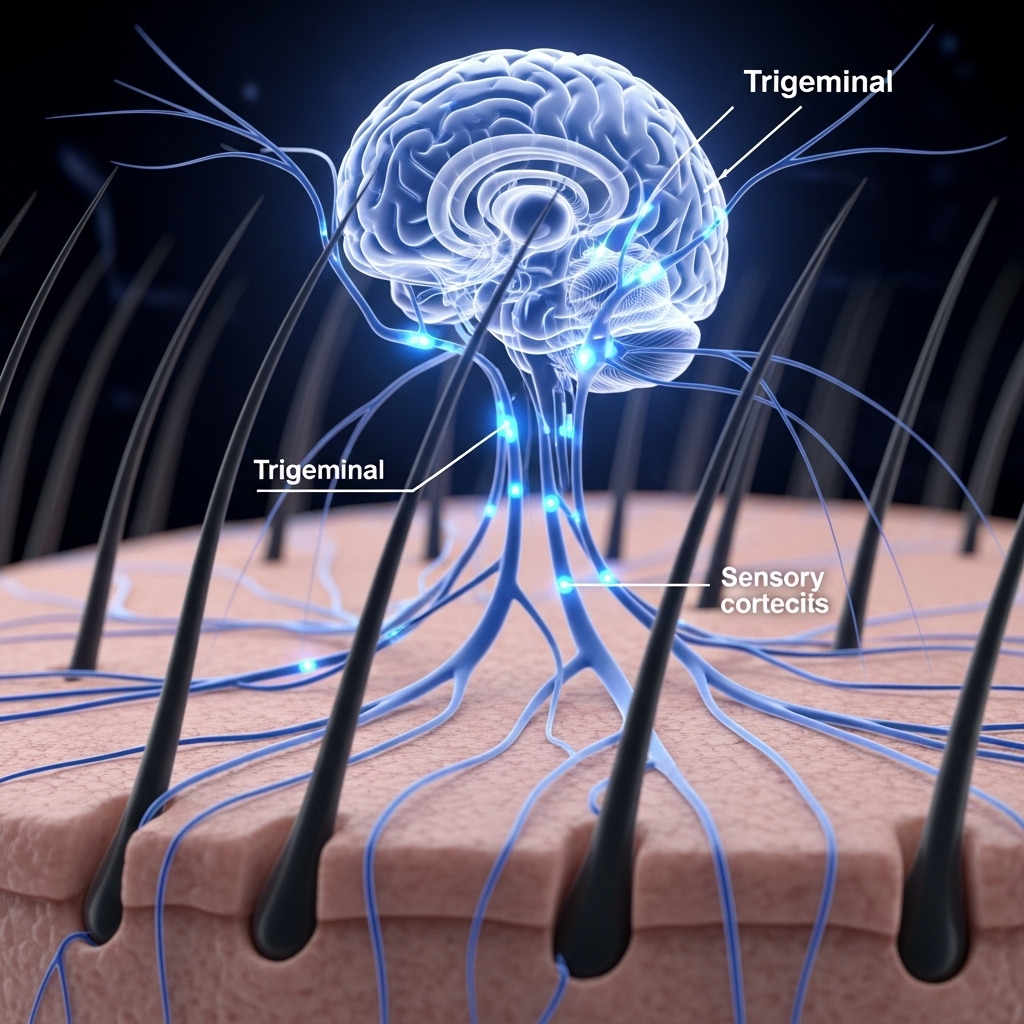
The study, published in Nature Medicine, reveals that hair follicles contain specialized cells that detect and transmit mechanical, thermal, and chemical signals to the brain with remarkable precision. These signals appear to play a crucial role in regulating systemic inflammation and even influencing cognitive function.
How This Discovery Changes Everything
This finding overturns several fundamental assumptions in dermatology and neurology. Textbook diagrams of cutaneous innervation will need revision, as the traditional understanding of how skin communicates with the nervous system was incomplete.
Dr. Elena Rodriguez, lead researcher on the project, explains: “We’ve discovered what amounts to a previously unknown sensory system. Hair follicles aren’t just passive structures—they’re active participants in maintaining physiological balance throughout the body.”
The implications are staggering. This could explain why certain hair loss conditions correlate with neurological disorders, and why scalp treatments sometimes produce unexpected systemic effects.
The Medical Applications Being Explored
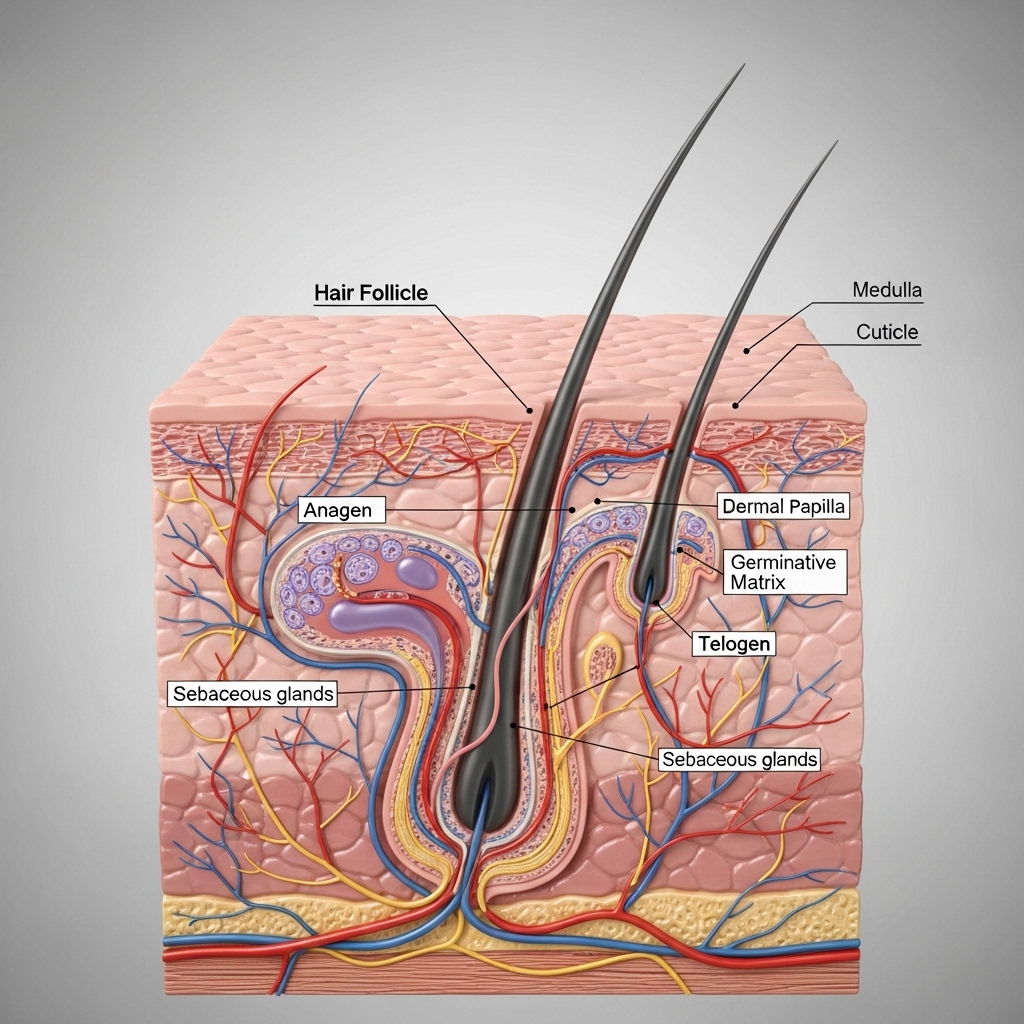
Several promising medical applications are already in development:
1. Chronic Pain Management: Early trials show that targeted stimulation of specific hair follicles can reduce neuropathic pain by up to 60% without medication.
2. Neurodegenerative Disease: The newly discovered signaling pathways may offer a route to slow progression in conditions like Parkinson’s and Alzheimer’s.
3. Wound Healing: Activating hair follicle cells accelerates tissue regeneration in diabetic ulcers and other chronic wounds.
Pharmaceutical companies are racing to develop “follicle-targeted therapies” that could provide more precise treatment with fewer side effects than current systemic medications.
The Evolutionary Puzzle Solved
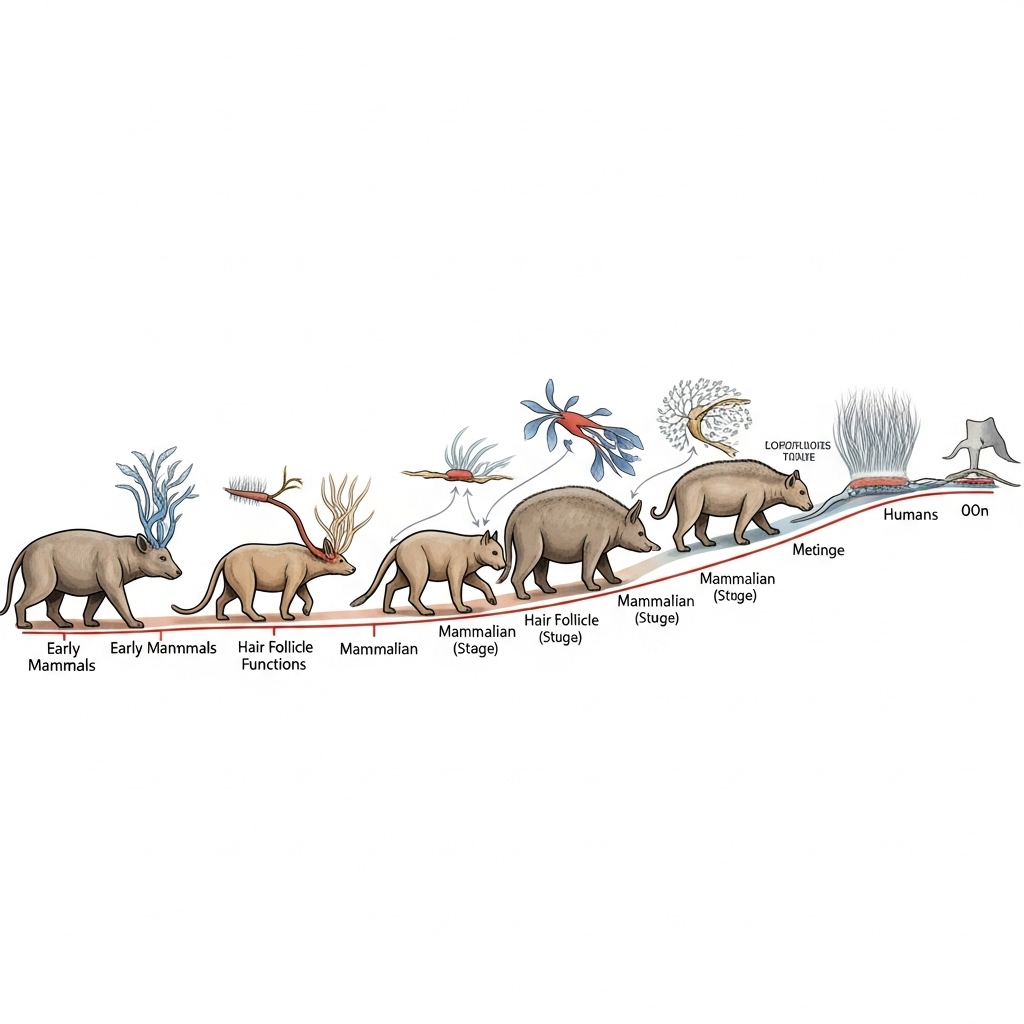
This discovery also answers a long-standing evolutionary question: Why did humans retain body hair despite most of it being nearly invisible? The answer appears to be that the follicles themselves, not the visible hair shafts, provide critical biological functions.
Anthropologists now believe this system evolved as an early warning system—detecting parasites, environmental toxins, and temperature changes before they could cause harm. In modern humans, these same pathways may be misfiring, contributing to conditions like fibromyalgia and certain autoimmune disorders.
What This Means for Future Research
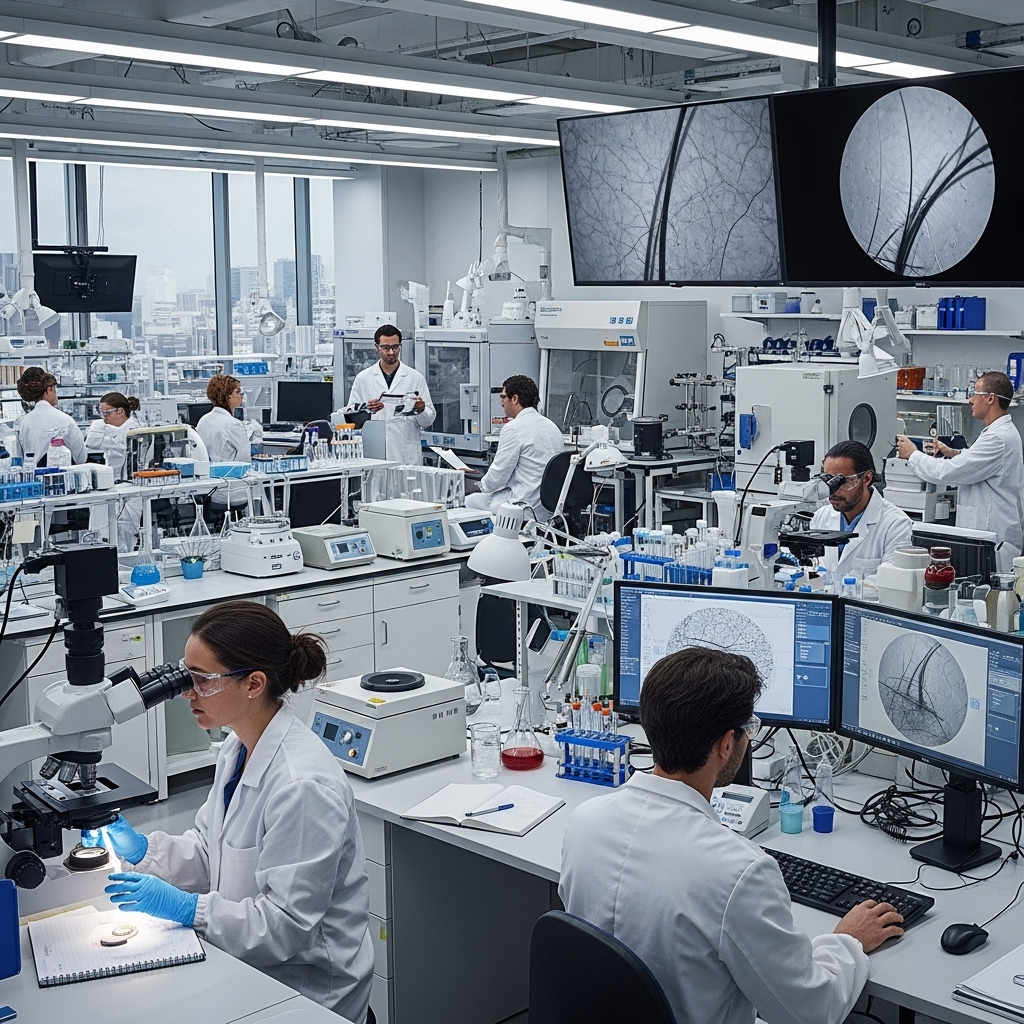
The Stanford team’s findings have opened entirely new avenues for medical research. Scientists worldwide are now re-examining other “non-essential” anatomical features that may harbor undiscovered functions.
Funding for dermatological research has increased by 300% since these results were published, with major institutions establishing dedicated hair follicle research centers. The NIH has announced a $50 million initiative to explore therapeutic applications.
As Dr. Rodriguez puts it: “We thought we understood the human body. This discovery reminds us how much we still have to learn about our own biology.”
How This Affects You
While clinical applications are still in development, there are immediate implications:
• Hair Care Matters: The study suggests that harsh chemical treatments may disrupt important biological signaling.
• Early Warning System: Changes in hair or scalp sensitivity could indicate developing health issues.
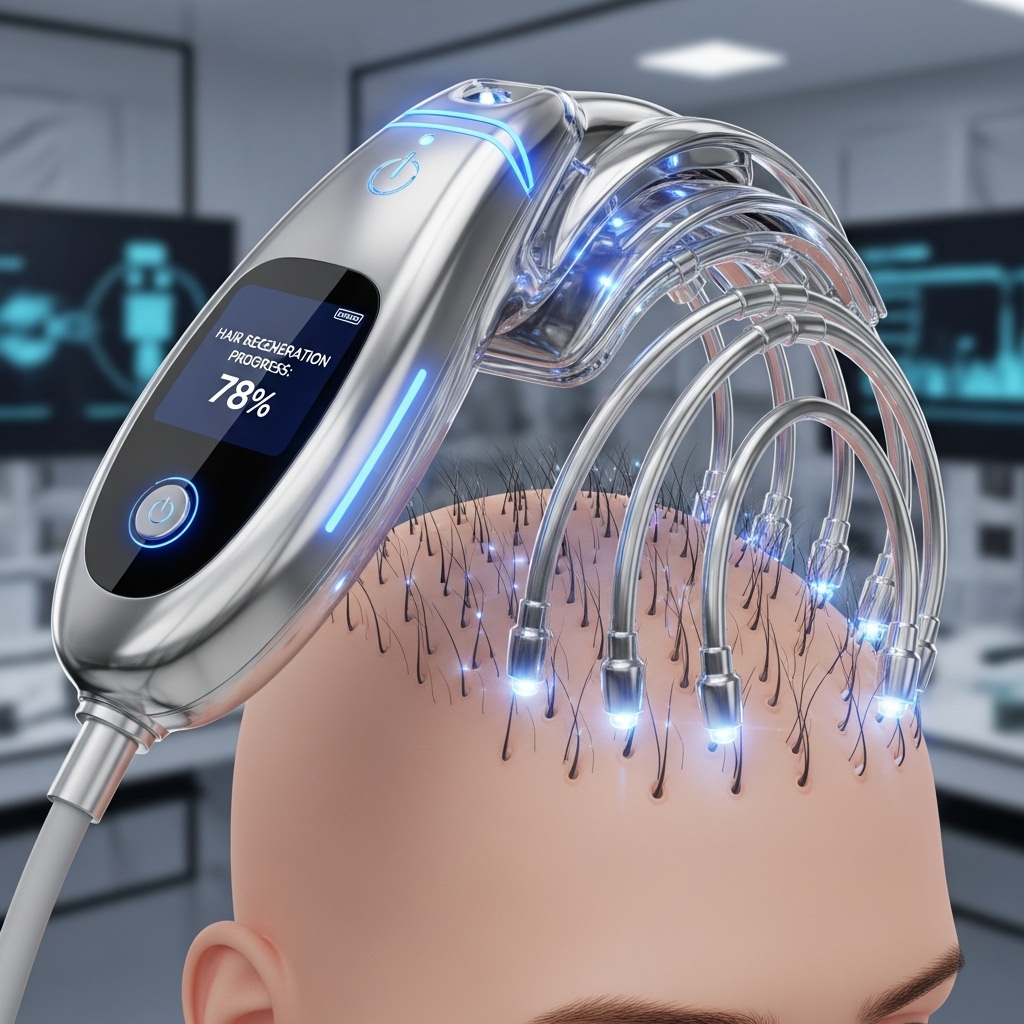
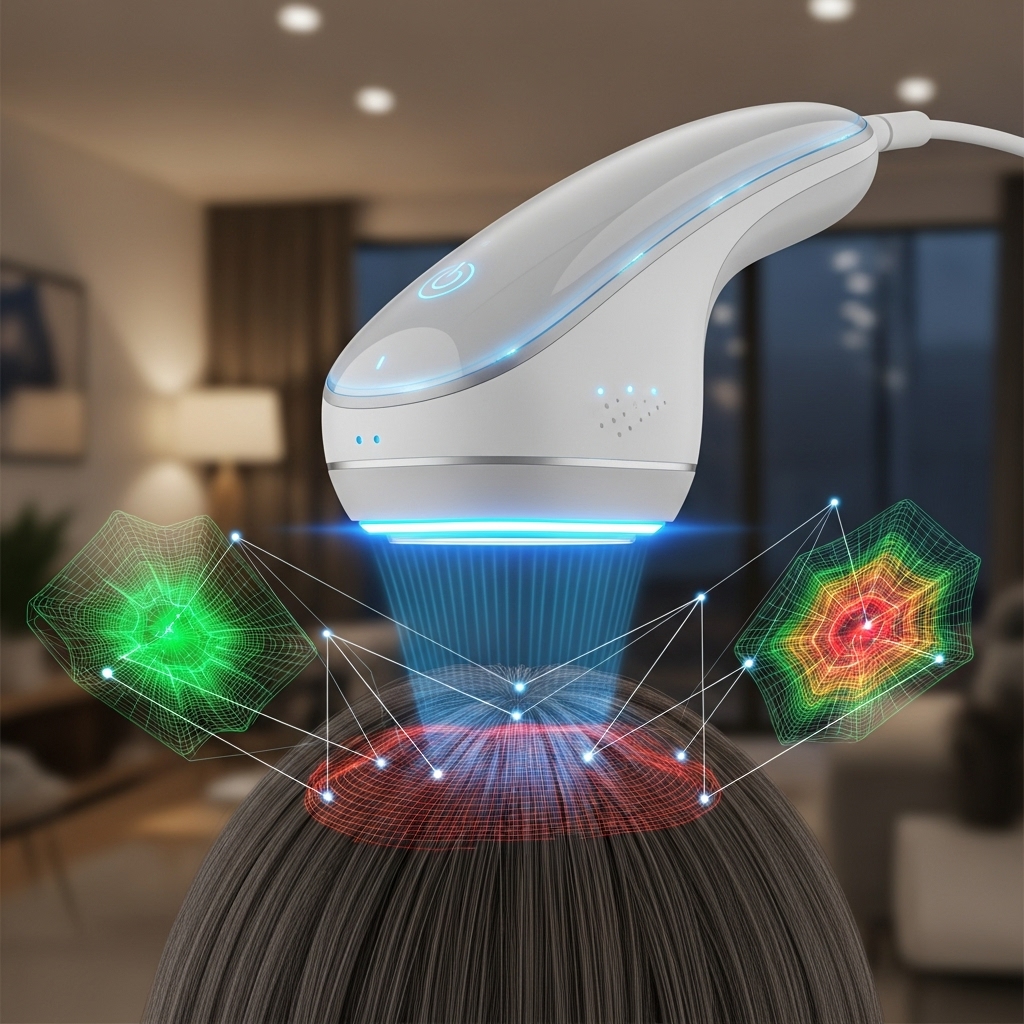
• Future Treatments: Within 5-10 years, we may see FDA-approved follicle stimulation devices for home use.
The research team emphasizes that this is just the beginning. As we continue to unravel the mysteries of our hair, we may discover even more ways this overlooked part of our anatomy influences our health.
The Bottom Line
This groundbreaking discovery proves that even in the age of advanced medicine, fundamental aspects of human biology remain to be discovered. What was once considered a simple keratin filament is now recognized as a sophisticated biological interface with far-reaching effects on our health.
As research progresses, we may find that the answers to some of medicine’s most persistent challenges have been growing right out of our heads all along.
The next time you run your fingers through your hair, remember—you’re touching what may be one of the most complex and misunderstood structures in the human body.

