
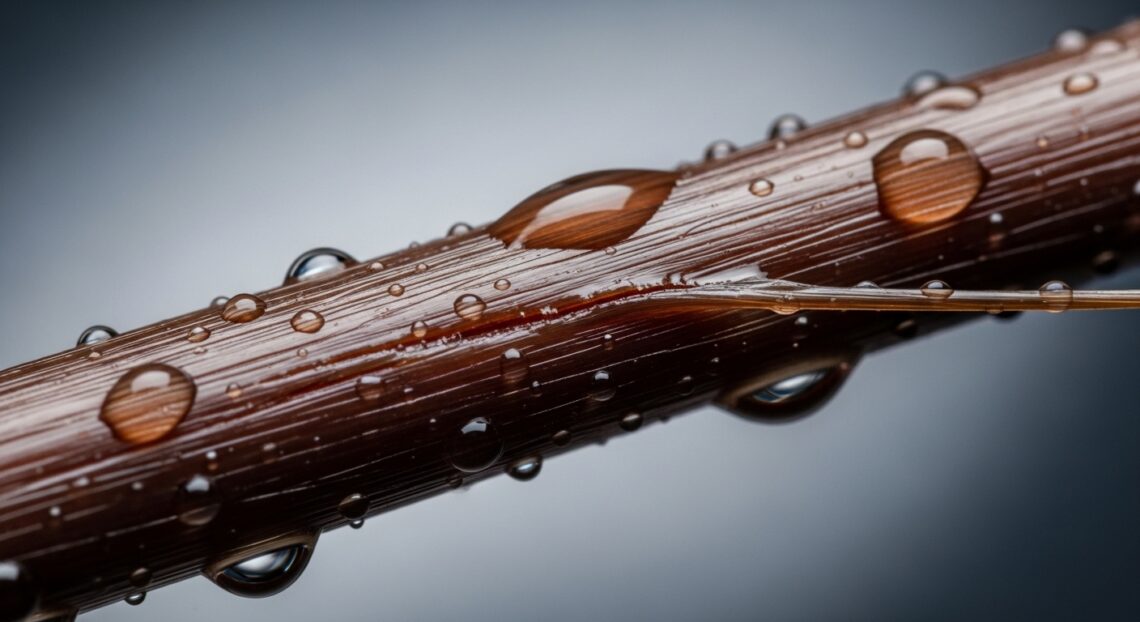
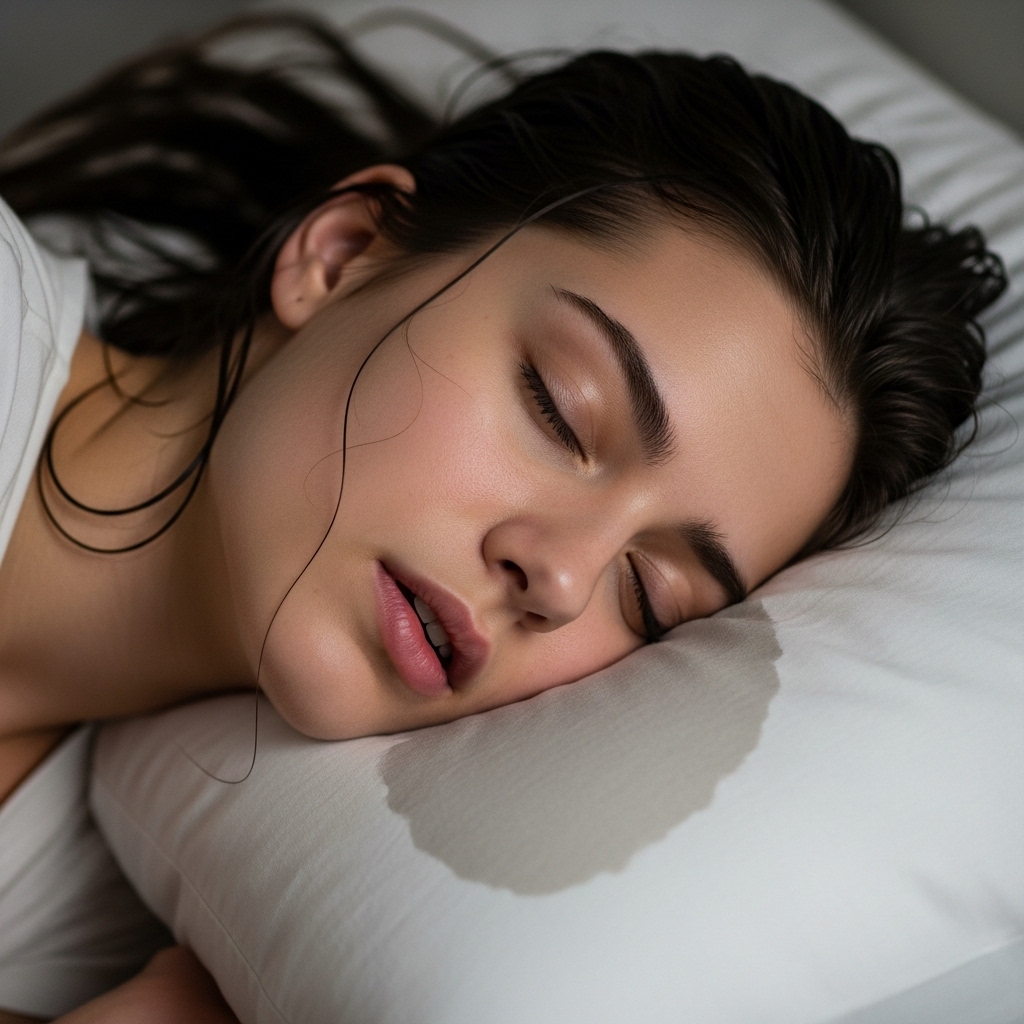
We’ve all been there—too tired to blow-dry our hair after a late-night shower, so we hit the pillow with damp locks, thinking, “It’s just one night, what’s the harm?” But the truth is, sleeping with wet hair can lead to a host of problems, from hair damage to scalp infections. In this post, we’ll uncover the hidden consequences of this common habit and share tips to keep your hair healthy.
Why Sleeping with Wet Hair is a Bad Idea
Your hair is at its most vulnerable when wet. The water swells the hair shaft, making it weaker and more prone to damage. Combine that with the friction from your pillowcase, and you’ve got a recipe for disaster. Here’s what really happens when you sleep with wet hair—and why you should avoid it.
1. Increased Hair Breakage and Split Ends
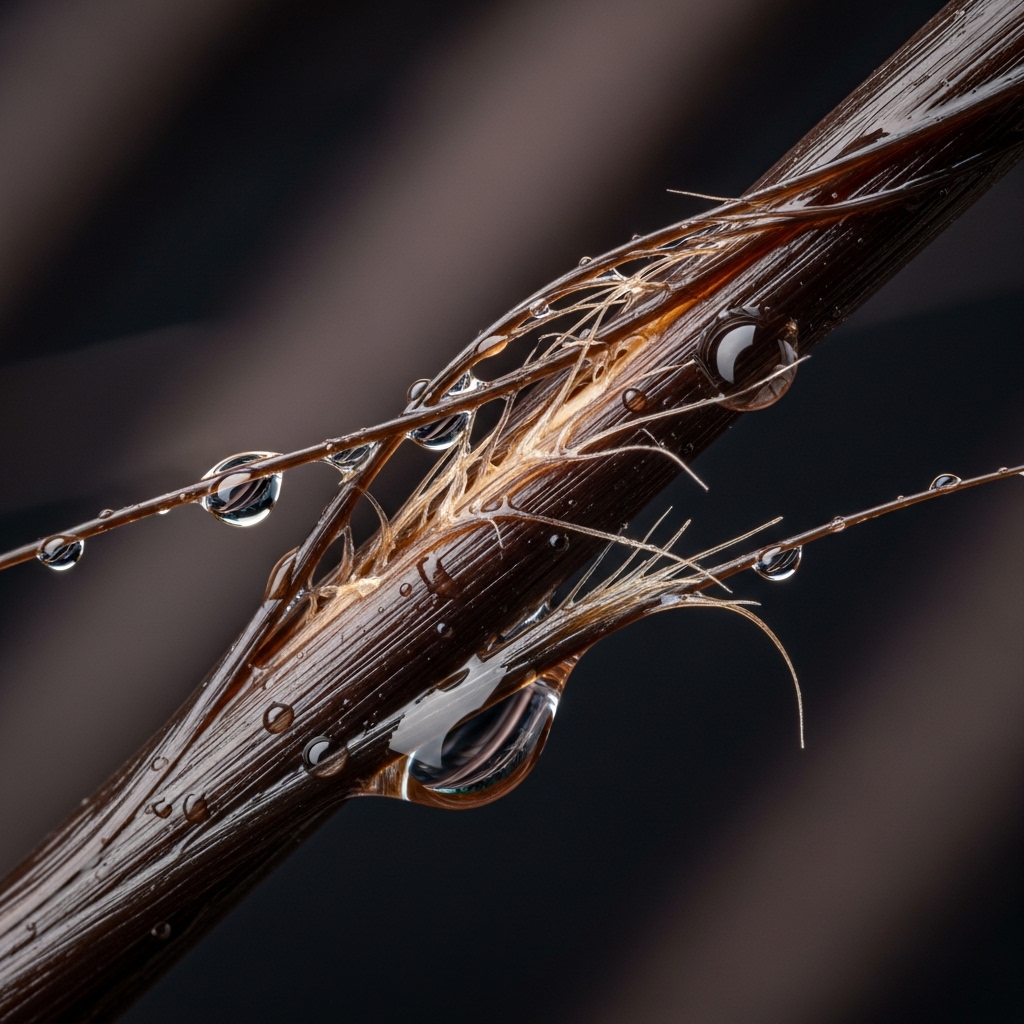
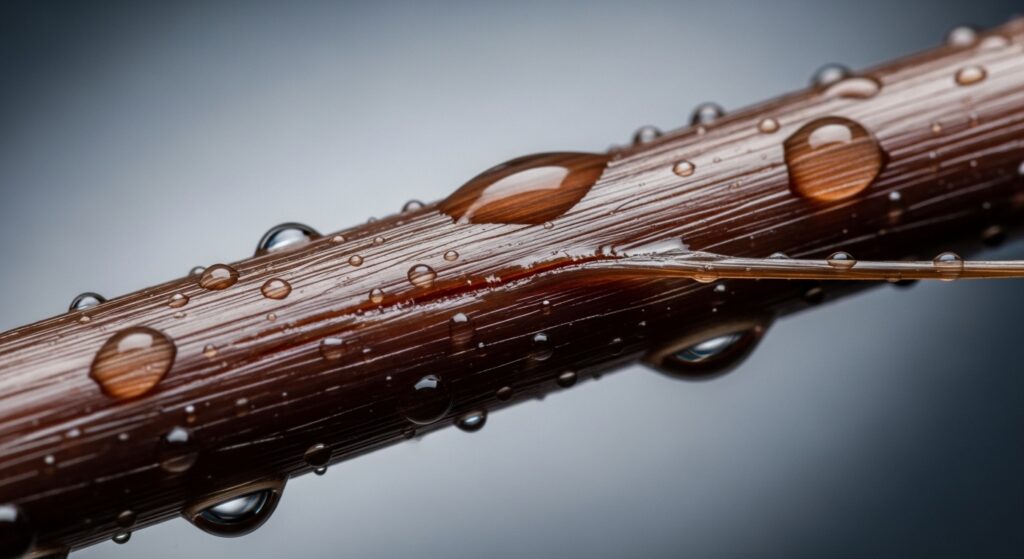
Wet hair is up to 3 times weaker than dry hair, making it more susceptible to breakage. When you toss and turn at night, the friction between your damp strands and the pillowcase causes tiny tears in the hair cuticle. Over time, this leads to split ends, frizz, and overall dullness.
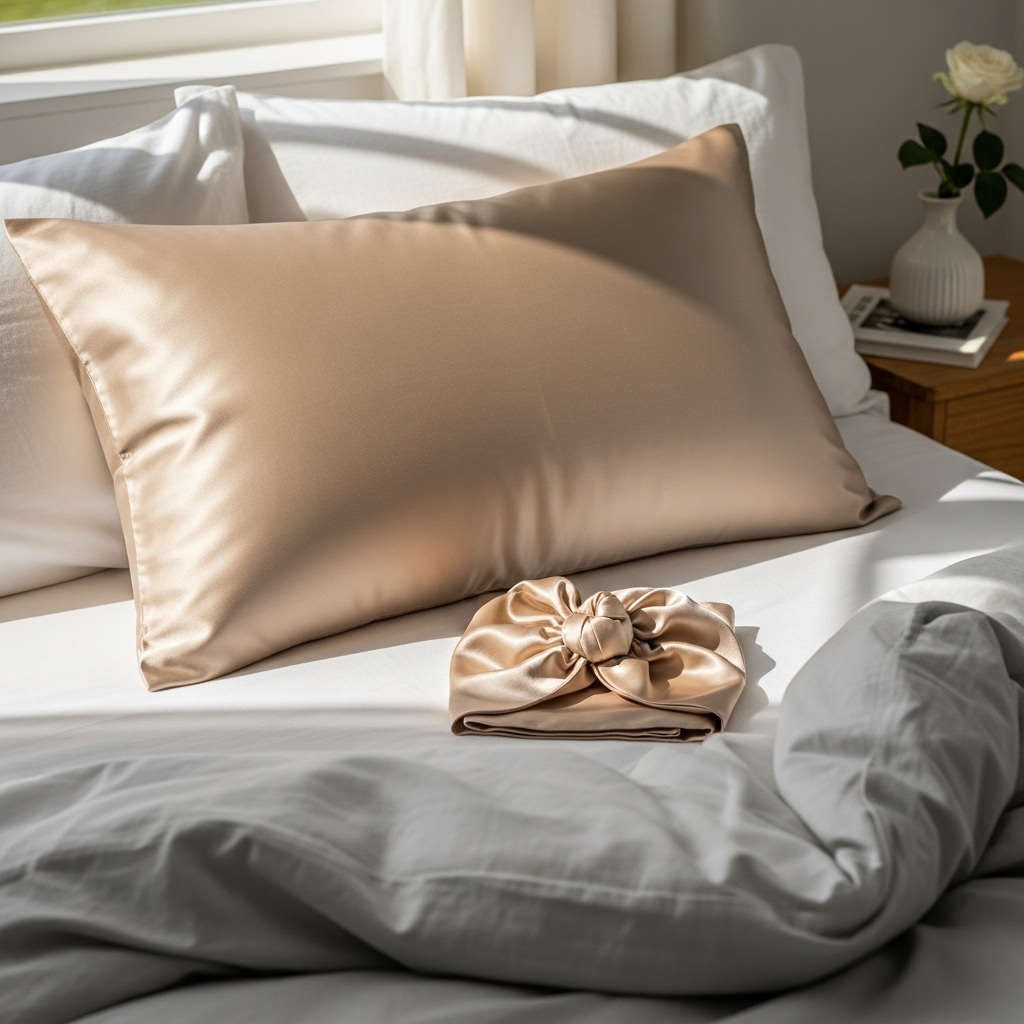
Pro Tip: If you must sleep with damp hair, wrap it in a silk or satin scarf to minimize friction.
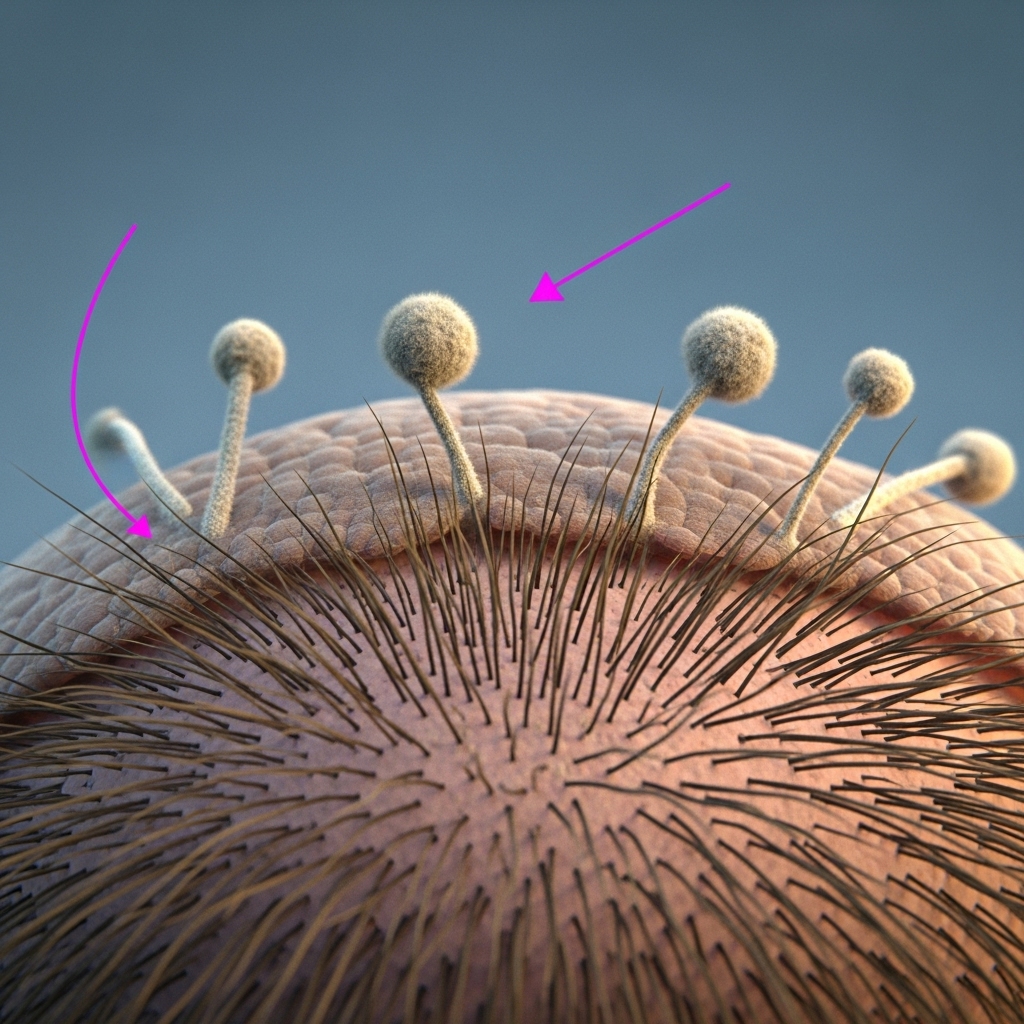
2. Fungal and Bacterial Infections
A damp scalp is the perfect breeding ground for fungi like Malassezia, which can cause dandruff, itching, and even fungal infections. Bacteria also thrive in moist environments, increasing the risk of scalp acne or folliculitis (inflamed hair follicles).
Warning Sign: If your scalp feels itchy or smells musty after sleeping with wet hair, it’s time to change your routine.
3. Cold and Sinus Issues
Sleeping with wet hair in a cold room can lower your body temperature, making you more susceptible to catching a cold. Additionally, damp hair pressed against your neck and shoulders can lead to stiffness or even sinus congestion from prolonged moisture exposure.
Quick Fix: If you’re stuck with wet hair, at least towel-dry it thoroughly and keep your bedroom warm.

4. Unpleasant Bedding and Odors
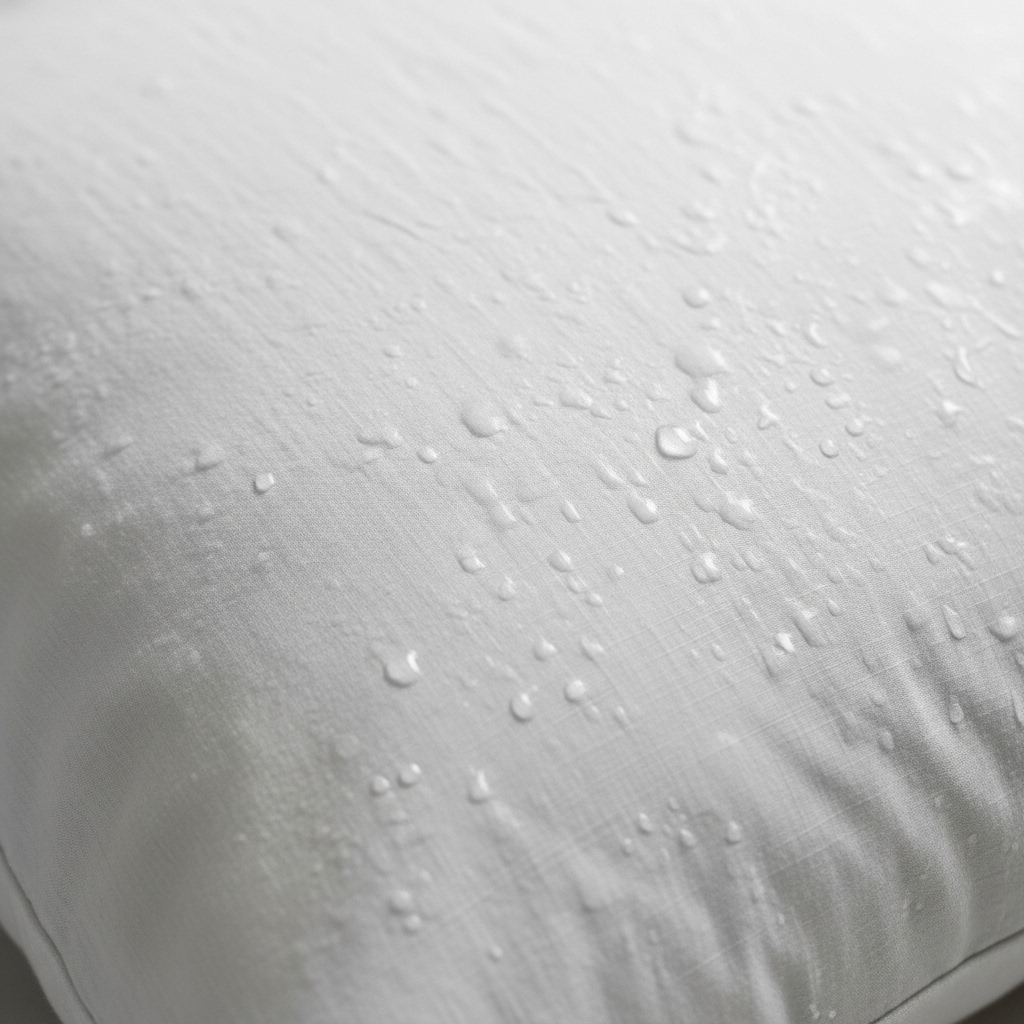
Moisture from your hair seeps into your pillow, creating a damp environment that attracts dust mites and mold. Over time, this can lead to a musty smell and even trigger allergies or respiratory issues.
Solution: Use moisture-wicking pillowcases and wash your bedding more frequently if you often sleep with damp hair.
5. Worsened Hair Texture and Frizz
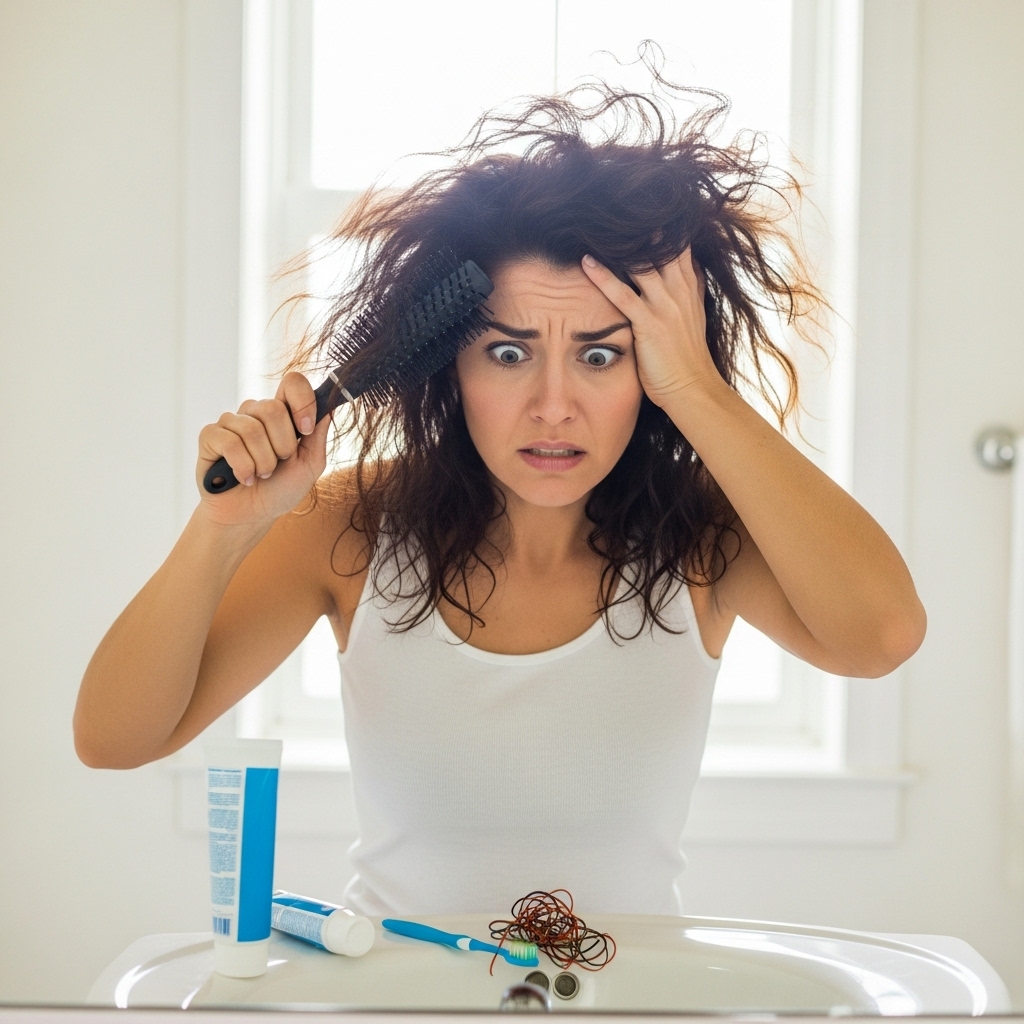
When wet hair dries while pressed against a pillow, it sets in odd shapes and kinks, leading to uncontrollable frizz and a messy morning look. This is especially problematic for curly or wavy hair types.
Stylist’s Advice: Braid damp hair loosely or use a microfiber towel to absorb excess water before bed.
How to Protect Your Hair If You Must Sleep with It Wet
Sometimes, life happens, and you can’t avoid going to bed with wet hair. Here’s how to minimize the damage:
- Use a silk or satin pillowcase – Reduces friction and absorbs less moisture.
- Towel-dry gently – Avoid rubbing; instead, blot excess water with a microfiber towel.
- Apply a leave-in conditioner – Helps protect hair from breakage.
- Braid or twist hair loosely – Prevents tangles and reduces frizz.
Final Thoughts
While sleeping with wet hair might seem harmless, the long-term effects—breakage, infections, and frizz—are far from pretty. If you can, always dry your hair before bed. But if you’re in a pinch, follow the tips above to keep your locks healthy and happy.
Do you sleep with wet hair often? Share your experiences in the comments!

