
In this eye-opening exposé, we’ll uncover the hidden ingredients, misleading marketing tactics, and the real science behind healthy hair. Buckle up—this is the truth they don’t want you to know.
The Illusion of “Luxury” Ingredients
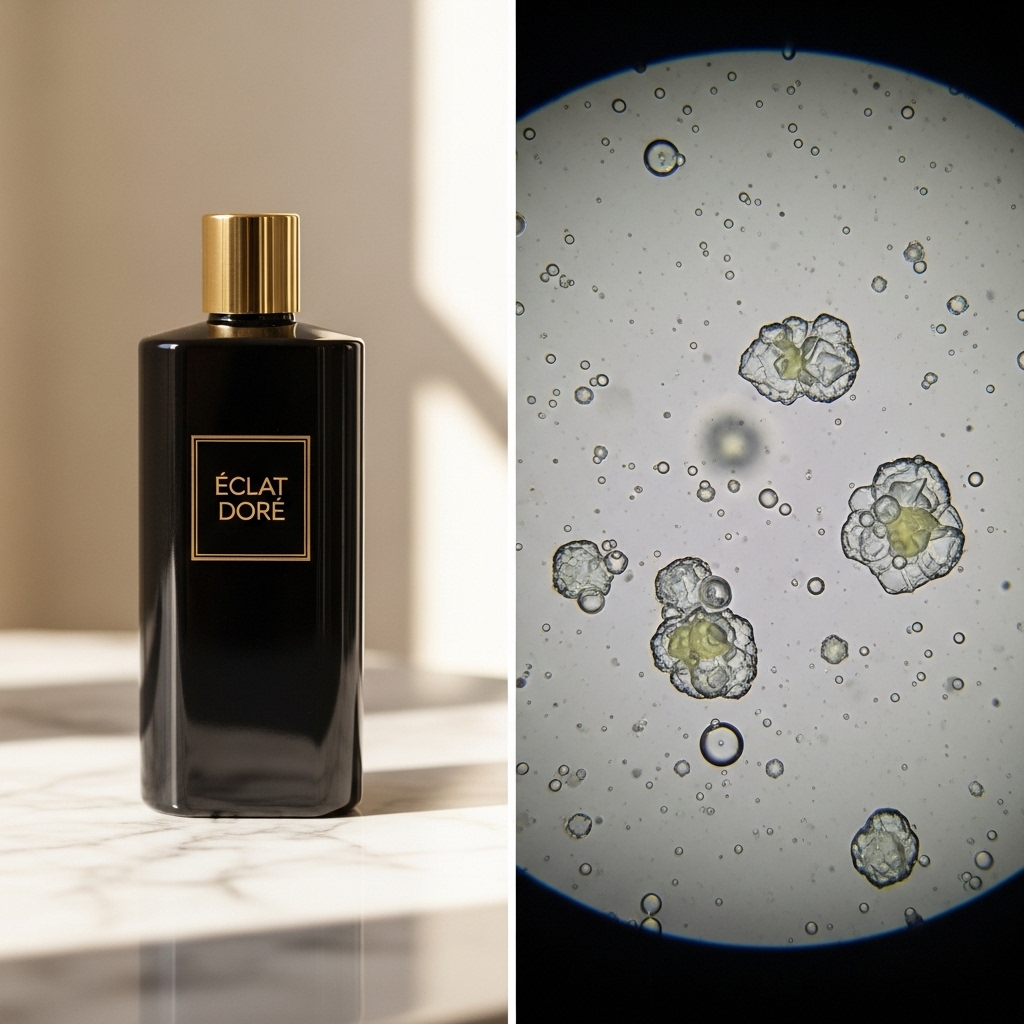
Walk down any hair care aisle, and you’ll see products boasting “argan oil,” “keratin,” and “collagen-infused” formulas. But here’s the catch: many of these “premium” ingredients are present in minuscule amounts, just enough to legally claim them on the label. The rest? A cocktail of cheap fillers, sulfates, and silicones that do more harm than good.
For example, a leading brand’s “$50 keratin shampoo” may contain less than 1% actual keratin—hardly enough to repair damaged hair. Meanwhile, the sulfates strip your scalp of natural oils, forcing you to buy more products to compensate for the dryness.
The Dependency Cycle: How Brands Keep You Hooked
Big beauty companies aren’t in the business of curing your hair woes—they’re in the business of creating repeat customers. Here’s how they do it:
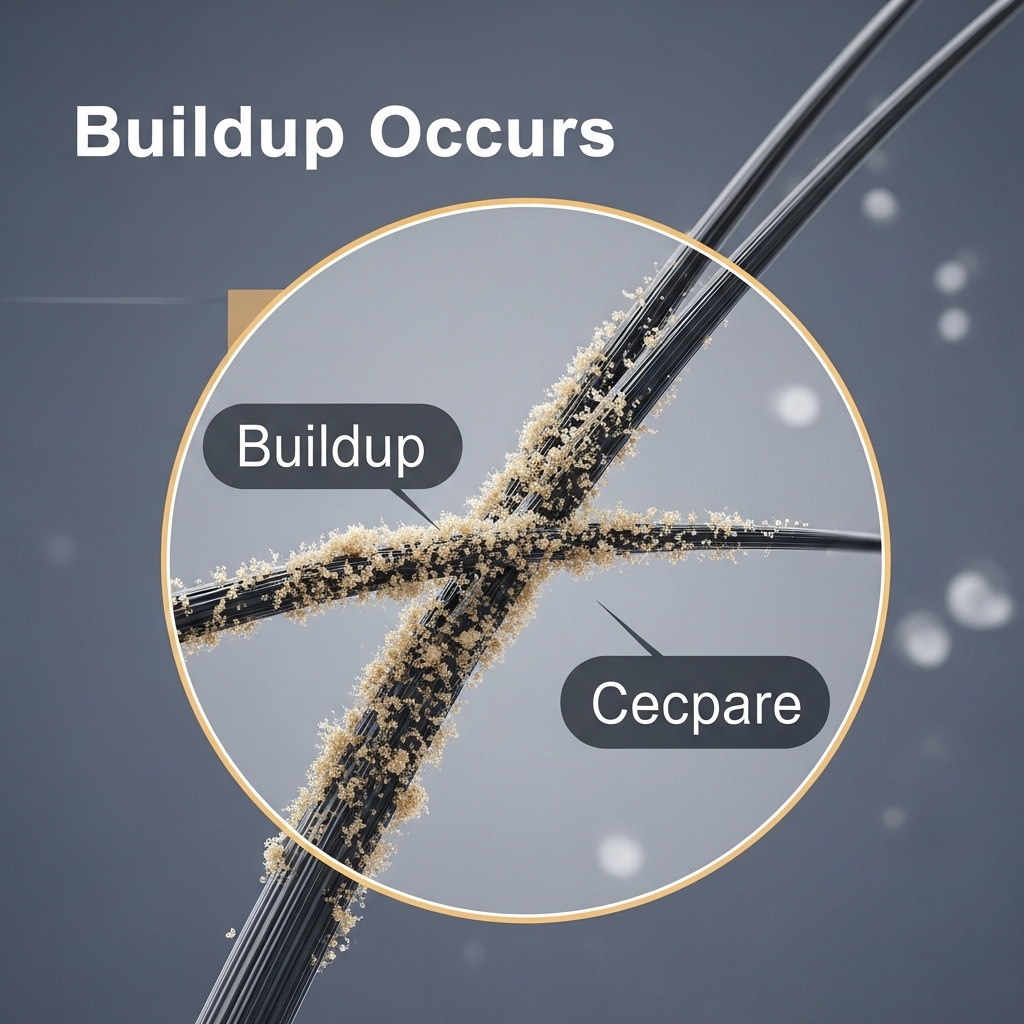
- Silicone Buildup: Many conditioners use silicones to create an artificial shine. Over time, these coat your hair, blocking nutrients and making it brittle. The “solution”? A clarifying shampoo (sold by the same brand).
- pH Imbalance: Most commercial shampoos are overly alkaline, disrupting your scalp’s natural pH. This leads to irritation, oiliness, or dryness—problems their other products “fix.”
- Fragrance Addiction: Ever noticed how hair loses its scent quickly? Synthetic fragrances are designed to fade, making you reapply products more often.
The Natural Hair Movement They Fear
As consumers wake up to these tactics, a natural hair revolution is brewing. Brands are scrambling to release “clean” product lines—but even these often contain hidden synthetics. The real threat to their profits? People realizing they don’t need most commercial products at all.
Historical and cultural practices reveal the truth:
- Ancient Ayurveda: Used herbs like shikakai and amla for cleansing without stripping oils.
- African Hair Traditions: Relied on shea butter and coconut oil for moisture—no silicones needed.
- Viking Haircare: Used fermented rye flour washes that balanced scalp microbiome naturally.
Breaking Free: How to Detox Your Hair Routine
Ready to escape the conspiracy? Here’s your action plan:
1. Read Labels Like a Pro: Avoid these top offenders:
- Sodium Lauryl Sulfate (SLS) – Harsh detergent
- Dimethicone – Silicone that causes buildup
- Parabens – Preservatives linked to hormone disruption
2. Try the “No-Poo” Method: Transition to washing with:
- Apple cider vinegar rinses (balances pH)
- Baking soda (occasional deep clean)
- Aloe vera gel (gentle cleansing)
3. Feed Your Hair from Within: The best hair products aren’t bottled—they’re on your plate:
- Biotin-rich foods (eggs, nuts)
- Omega-3s (salmon, flaxseeds)
- Zinc (spinach, lentils)

The Future of Hair Care: Transparency or Bust
As awareness grows, brands face a choice: adapt or become obsolete. Some promising developments include:
- Waterless Products: Concentrated formulas that reduce plastic waste and ingredient dilution.
- Microbiome-Friendly Formulas: Supporting scalp bacteria rather than sterilizing it.
- Customized Hair Care: DNA-based regimens tailored to your unique needs.
But the real power lies with you. Every time you choose a simple, natural alternative over a cleverly marketed bottle, you vote for an industry that prioritizes hair health over profits.

Your Hair, Your Revolution
The greatest secret big brands hide? Your hair was perfect all along. Those bad hair days weren’t your failure—they were by design. Now that you know the truth, you hold the power to break free.
Share this article with someone who deserves to know. Together, we can wash away the lies—one clean, healthy strand at a time.

