
Have you ever wondered what would happen if you stopped brushing your hair for an entire month? Would it turn into a tangled mess, or could there be unexpected benefits? Many people assume that daily brushing is essential for healthy hair, but some swear by skipping the brush altogether. In this blog post, we’ll explore the real consequences—both good and bad—of abandoning your hairbrush for 30 days.
The First Few Days: The Early Stages of Neglect
In the first few days of not brushing your hair, you might not notice much of a difference—especially if you have straight or fine hair. However, those with curly or thick hair may start to feel slight tangles forming. Your scalp’s natural oils, which usually get distributed by brushing, may stay concentrated at the roots, making your hair look greasier than usual.
What’s happening beneath the surface? Without brushing, dead skin cells and product buildup can accumulate, potentially leading to itchiness or dandruff. Some people, however, find that their hair feels softer as the natural oils aren’t being stripped away by excessive brushing.
Week One: Tangles and Texture Changes
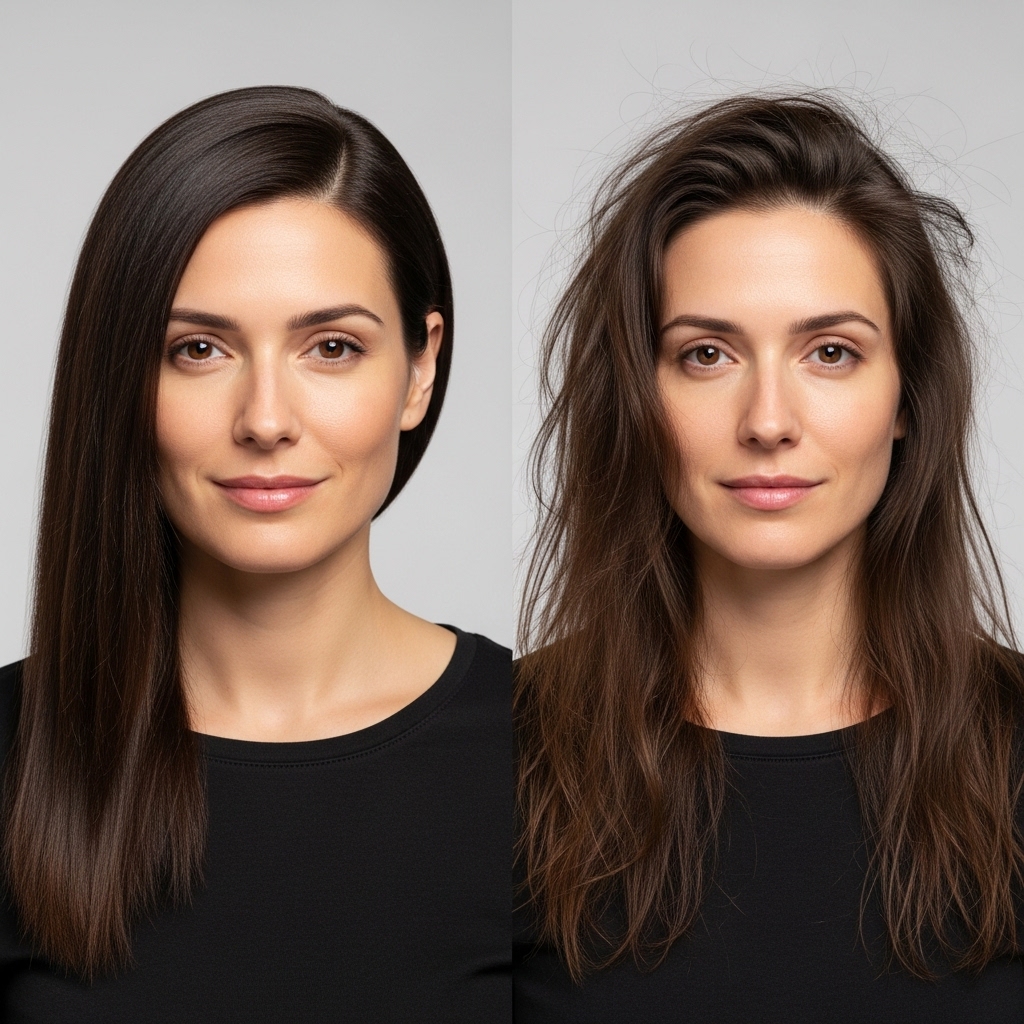
By the end of the first week, tangles become more noticeable. If you’re used to brushing daily, your hair may start to feel rougher and less manageable. Curly-haired individuals might experience more defined curls, but also more knots. Meanwhile, straight-haired folks could see their strands clumping together in odd ways.
Is detangling possible without a brush? Some people switch to finger-combing to minimize breakage, but this method requires patience. Without proper detangling, hair can start to mat, especially at the nape of the neck where friction from clothing worsens the problem.
Week Two: The Matting Begins
If you’ve made it to week two without brushing, your hair is likely forming small mats—tight knots that are difficult to separate. Sleeping on unbrushed hair accelerates this process, as movement against a pillow creates friction. At this stage, washing your hair becomes tricky because water can tighten the tangles further.
Can you salvage your hair? Deep conditioning treatments and wide-tooth combs may help, but aggressive brushing could cause breakage. Some people embrace the matted look, while others find it unbearable.
Week Three: The Dreadlock Effect
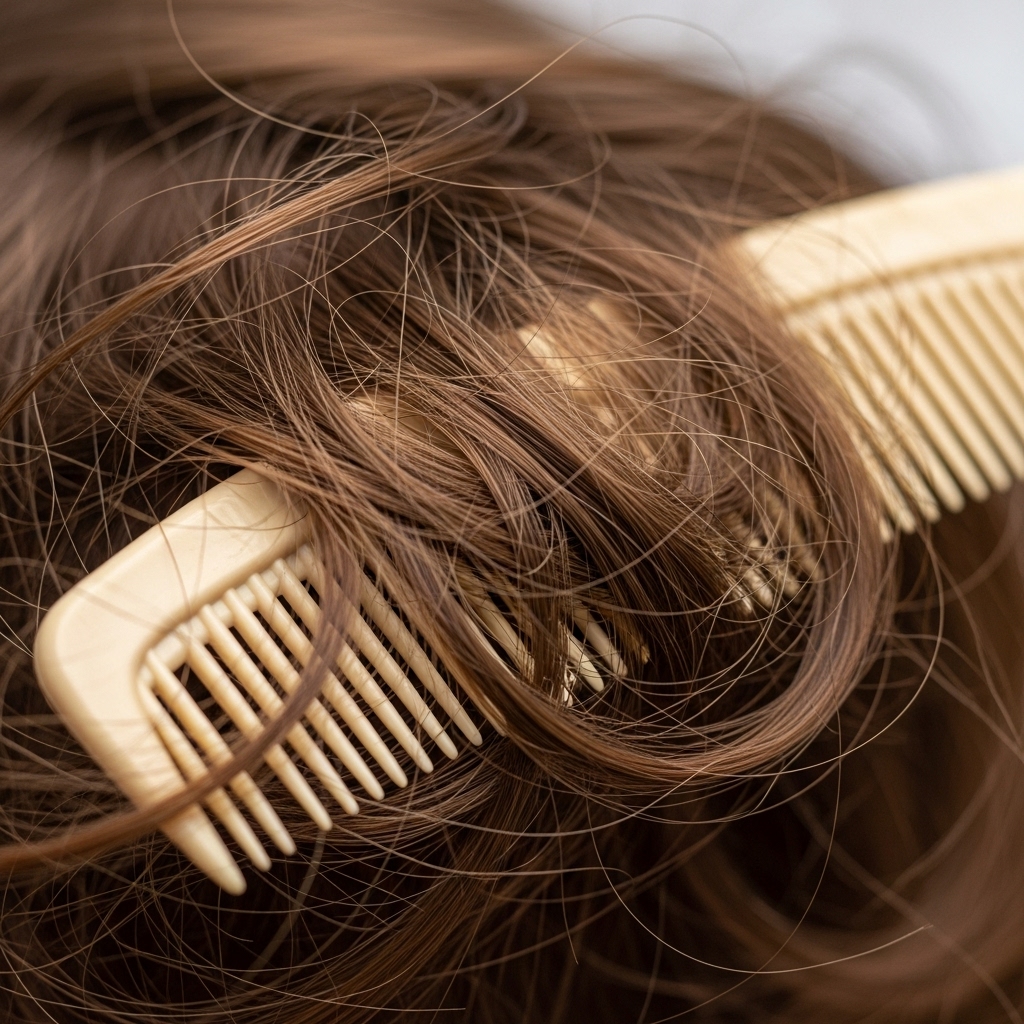
By week three, your hair might start resembling loose dreadlocks—especially if it’s curly or coily. Natural oils and dirt can bind strands together, making sections of hair clump into rope-like tangles. This stage is a turning point: some people love the volume and texture, while others panic at the difficulty of reversing the damage.
Is this reversible? Yes, but it requires time and gentle care. Using a detangling spray and working in small sections can help, but be prepared for some hair loss from breakage.

Week Four: Full-On Mats and Potential Scalp Issues
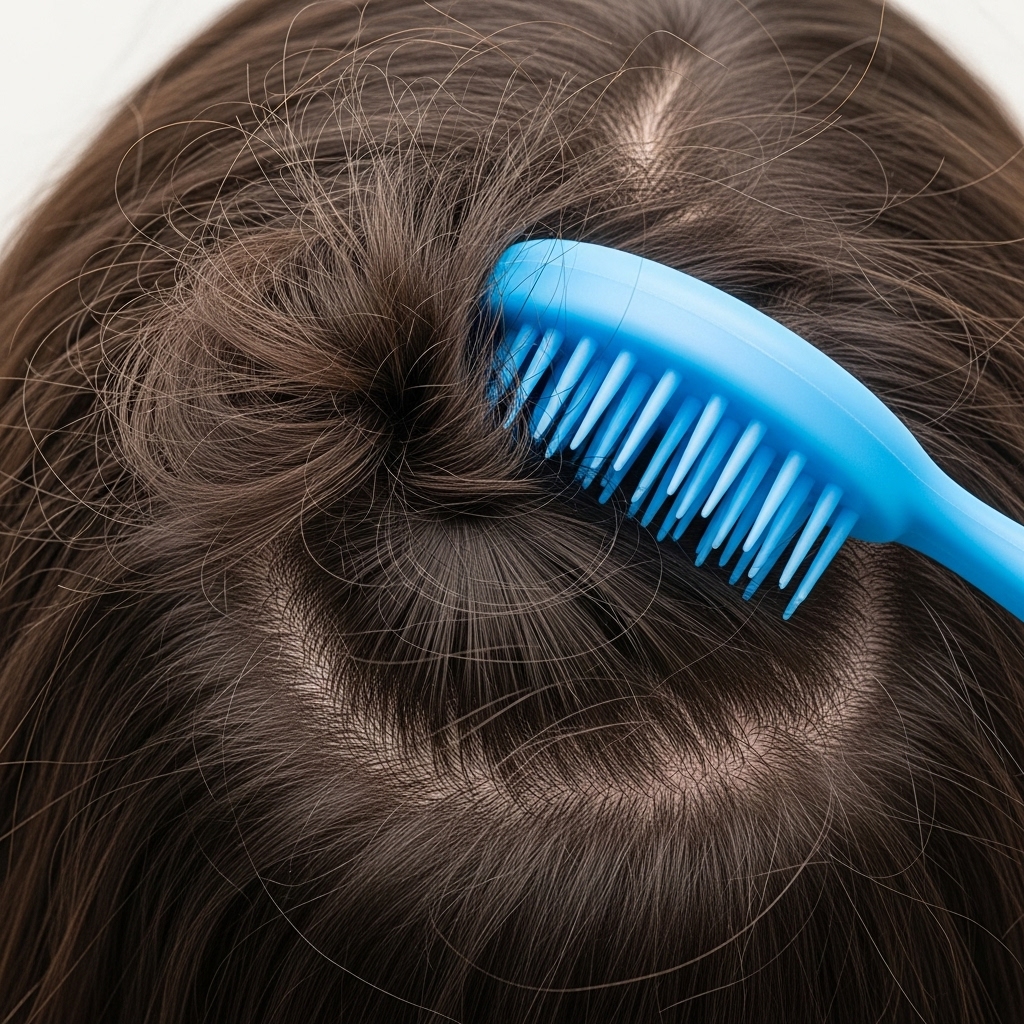
At the 30-day mark, unbrushed hair can become severely matted, especially near the scalp. Tight mats can pull on hair follicles, causing discomfort and even traction alopecia in extreme cases. Scalp health may also decline due to trapped sweat, oil, and dead skin cells.
Unexpected benefits? Some report that their hair feels thicker because less brushing means less breakage. Others notice their curls are more defined without daily manipulation. However, the cons—such as odor, difficulty washing, and potential long-term damage—often outweigh the pros.
What Experts Say About Not Brushing Your Hair
Dermatologists and hairstylists generally recommend brushing hair regularly—but not excessively. Over-brushing can cause split ends and breakage, while under-brushing leads to tangles and matting. The key is finding a balance based on your hair type:
- Straight hair: Benefits from gentle brushing to distribute oils.
- Curly/coily hair: May need less frequent brushing but more moisturizing and finger-detangling.
- Thick hair: Requires wide-tooth combs to prevent breakage.
Final Verdict: Should You Stop Brushing Your Hair?
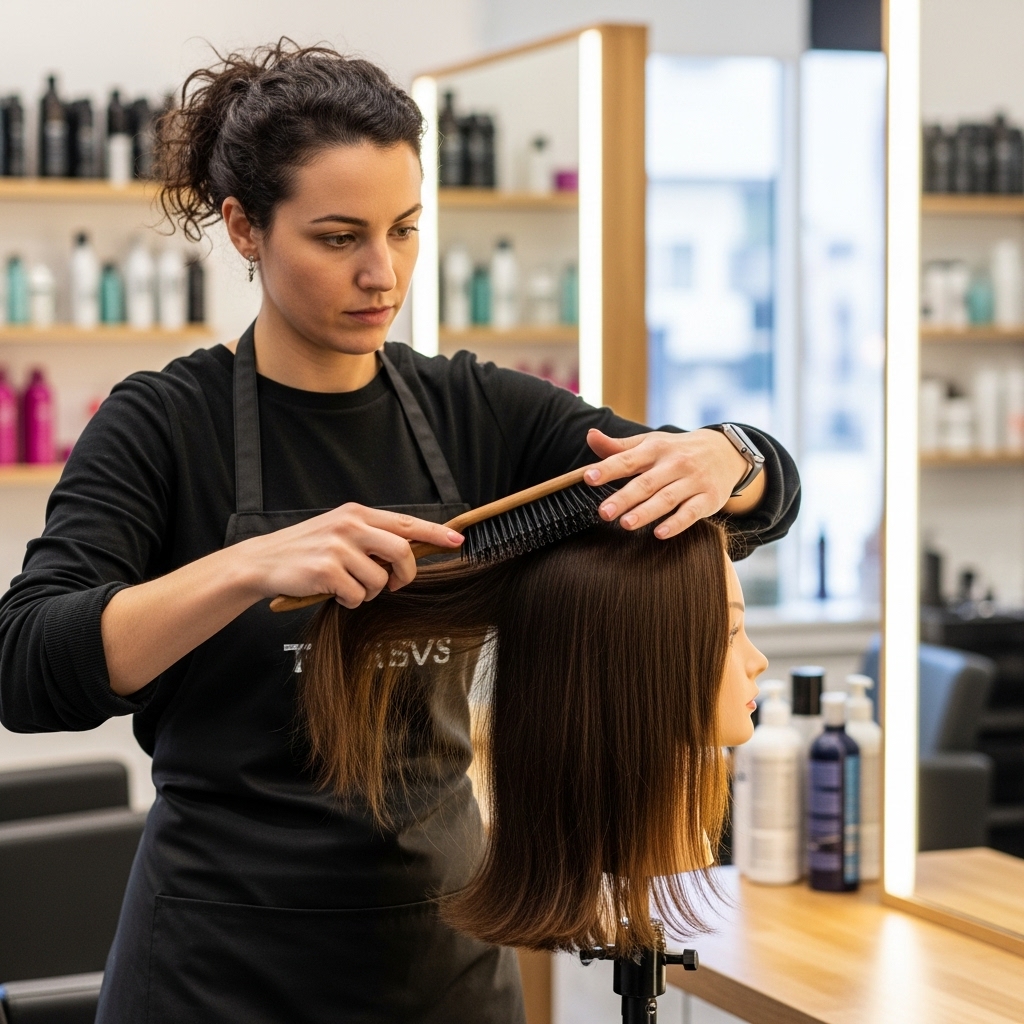
While skipping the brush for 30 days might sound like an interesting experiment, the reality is that most hair types need some level of detangling to stay healthy. If you’re considering reducing brushing, alternatives like wide-tooth combs, boar bristle brushes, or finger-combing can help maintain hair health without causing excessive damage.
The bottom line? Listen to your hair. If it feels better with less brushing, adjust your routine—but don’t abandon hair care altogether unless you’re prepared for the consequences!

