
Have you ever heard the curious saying that European women avoid washing their hair on Wednesdays? This intriguing tradition spans generations and cultures, rooted in folklore, superstition, and even practical wisdom. While it may sound like an old wives’ tale, there’s more to this custom than meets the eye. In this article, we’ll uncover the origins, myths, and modern interpretations of this unique practice.
The Origins of the Wednesday Hair-Washing Taboo
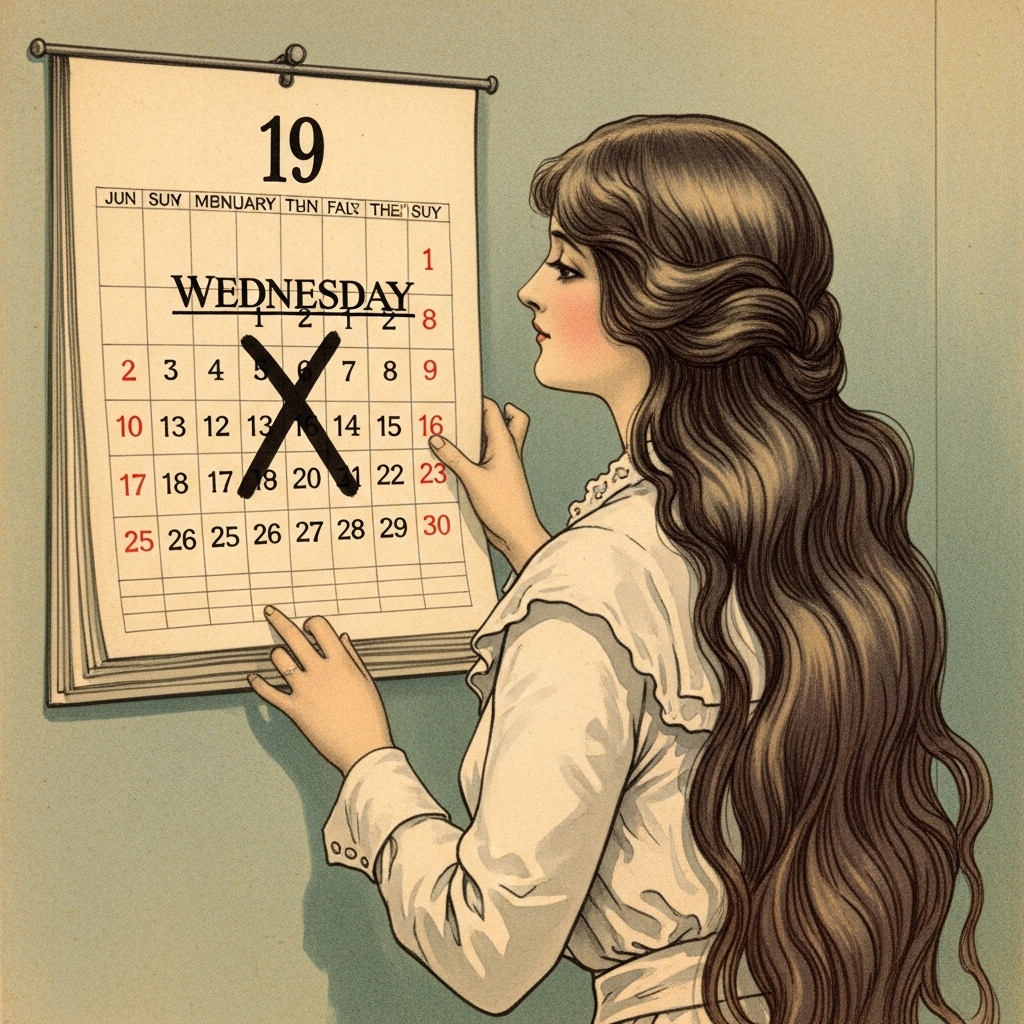
The tradition of avoiding hair washing on Wednesdates back centuries, with roots in both pagan and Christian beliefs. In many European cultures, Wednesday was considered an unlucky day for certain activities, including grooming rituals. Some historians trace this belief to Norse mythology, where Wednesday (named after Odin, or “Woden’s Day”) was associated with wisdom but also with caution.
In Slavic folklore, Wednesday was linked to the mythical figure of Midweek, a spirit who could bring misfortune if provoked by vanity. Women who washed their hair on this day were thought to invite bad luck, illness, or even the wrath of supernatural beings.
Interestingly, similar taboos existed in Mediterranean cultures, where Wednesday was sometimes called “Mercury’s Day” and associated with unpredictability—making it an unfavorable time for beauty routines.

Superstitions and Symbolism Behind the Tradition
Beyond historical roots, many superstitions reinforced the Wednesday hair-washing taboo. Some believed that washing hair on this day could lead to:
- Hair loss or thinning: A common fear was that Wednesday washing weakened hair follicles.
- Bad luck in love: Young women were warned that Wednesday hair care might repel suitors.
- Financial misfortune: In some regions, it was thought to “wash away” prosperity.
These beliefs were often passed down through generations, blending with local customs. For example, in rural France, some grandmothers still advise against Wednesday hair washing, claiming it disrupts the hair’s “natural balance.”

The Practical Reasons Behind the Myth
While superstition played a role, practical considerations also contributed to this tradition. In pre-modern Europe:
Water scarcity was a real concern, especially in colder months. Limiting hair washing to certain days helped conserve resources. Wednesday, as the midweek point, may have been chosen to space out grooming routines.
Haircare methods were time-consuming before modern shampoos. Women often used heavy oils or lye-based soaps that required lengthy rinsing—something impractical midweek when chores piled up.
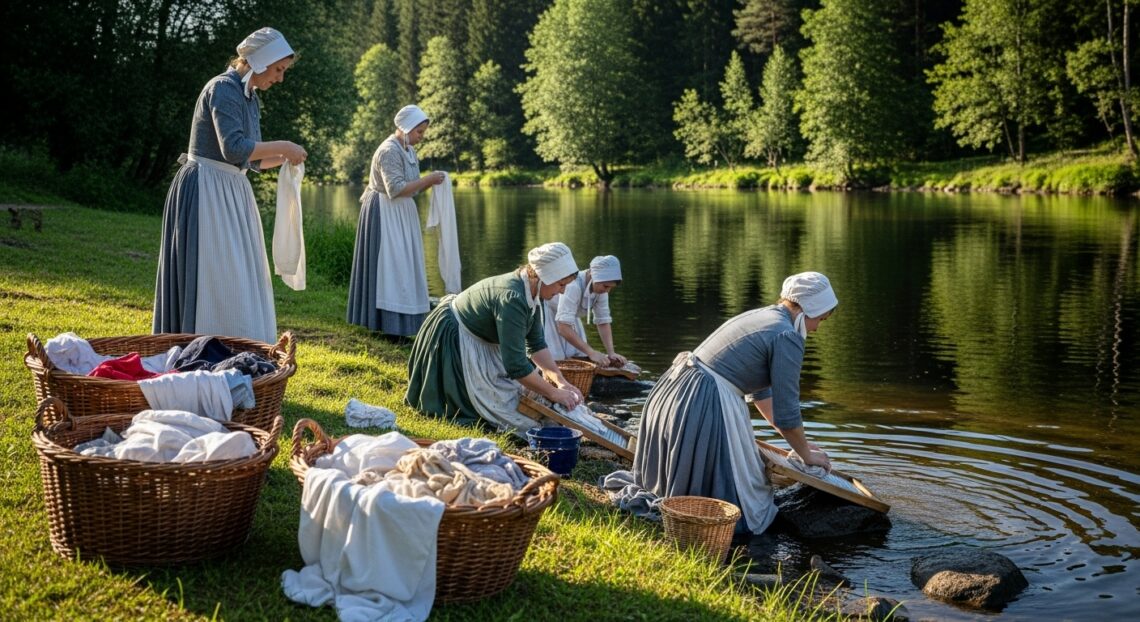
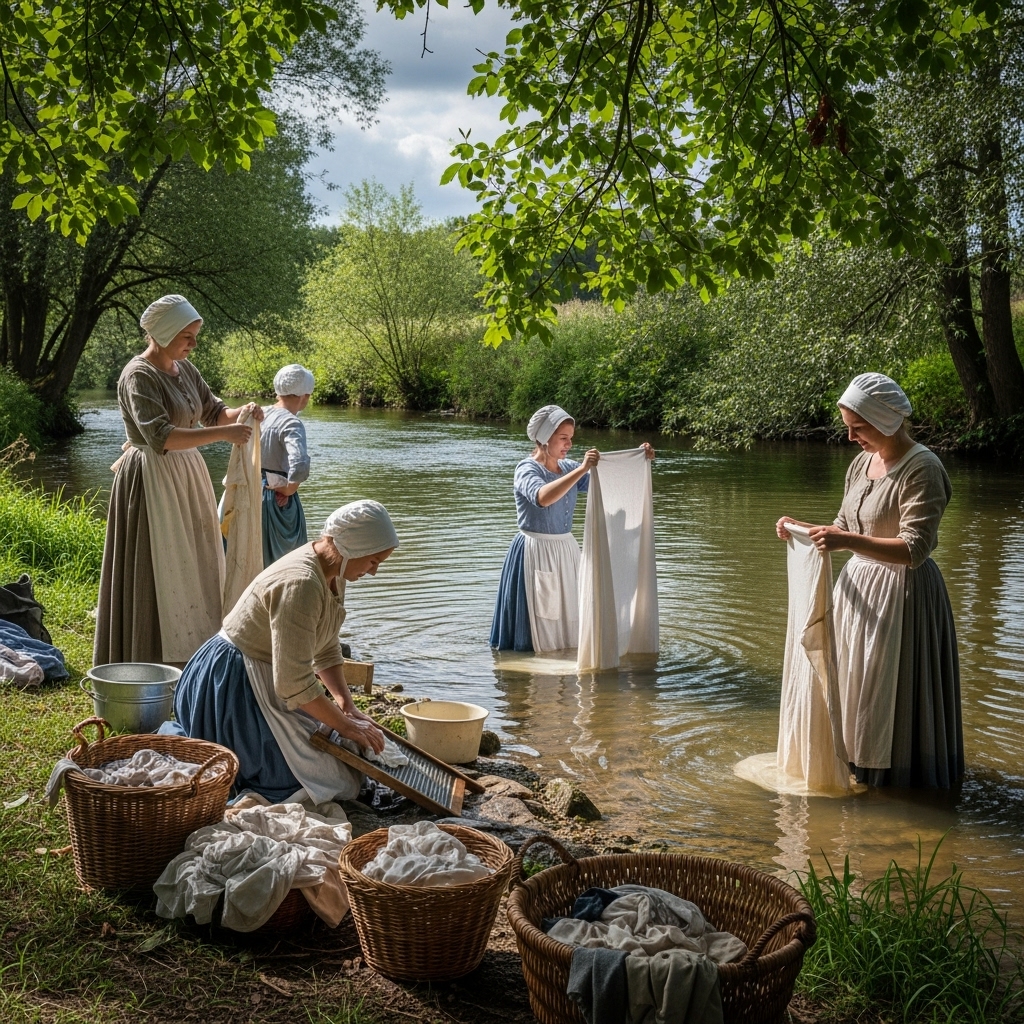
Additionally, many European cultures had designated laundry days (often Monday or Tuesday), leaving Wednesday as a day to focus on other tasks.
Modern Interpretations and Hair Health Benefits
Today, while few Europeans strictly avoid Wednesday hair washing, some still follow adapted versions of the tradition—often for hair health reasons. Dermatologists note that:
- Over-washing can strip natural oils, making midweek breaks beneficial.
- Scalp health may improve with less frequent washing, especially for curly or thick hair types.
Modern influencers have rebranded the practice as “Midweek Hair Resting,” aligning it with contemporary wellness trends. Some even recommend Wednesday as the ideal day for deep conditioning treatments instead of washing.

Regional Variations Across Europe
The Wednesday hair-washing taboo manifests differently across the continent:
Eastern Europe: In Poland and Ukraine, some older generations still avoid Wednesday washing, believing it may cause headaches.
Southern Europe: In Italy, the focus shifts to Friday (another traditionally unlucky day for haircare), though Wednesday remains less favored.
Nordic Countries: Here, the tradition has largely faded but resurfaces in rural areas during winter, when harsh weather makes hair more fragile.

How to Incorporate This Tradition Today
Interested in trying the “No Wednesday Wash” rule? Here’s how to adapt it:
- Start gradually: If you wash daily, begin by skipping every other Wednesday.
- Use dry shampoo: A modern solution for midweek freshness.
- Embrace protective styles: Braids or buns can extend time between washes.
Remember, hair needs vary—listen to your scalp and adjust accordingly. What worked for European grandmothers might not suit your lifestyle, but the principle of mindful haircare remains valuable.

Conclusion: A Tradition Worth Remembering
Whether driven by superstition, practicality, or haircare science, the European Wednesday hair-washing taboo offers a fascinating glimpse into cultural history. While few still follow it strictly, its legacy reminds us that beauty rituals have always blended tradition, environment, and self-care. Next time Wednesday rolls around, you might just think twice before reaching for the shampoo—if only to honor centuries of women who came before.

