

Words matter in relationships, but sometimes actions speak louder than verbal declarations. If you or your partner struggle with expressing affection verbally—or if you simply want to deepen your emotional connection beyond words—you’re not alone. Research in relationship psychology shows that consistent, intentional behaviors often build stronger bonds than repetitive phrases. Whether you’re navigating love languages, healing from past communication wounds, or seeking fresh ways to nurture your relationship, these non-verbal expressions of love can transform how you connect.
1. Practice Active Listening Without Solutions
When your partner shares their struggles, resist the urge to problem-solve immediately. Psychology studies reveal that feeling heard activates the same neural pathways as physical safety. Nodding, maintaining eye contact, and paraphrasing (“It sounds like that really hurt you”) validates emotions more powerfully than advice.

2. Anticipate Needs Before They’re Spoken
Notice patterns in your partner’s daily stresses. Does their shoulders tense every Sunday evening? Bring them tea before the workweek anxiety hits. Relationship expert Dr. John Gottman calls these “bids for attention”—small moments where proactive care builds emotional security.

3. Create Rituals of Connection
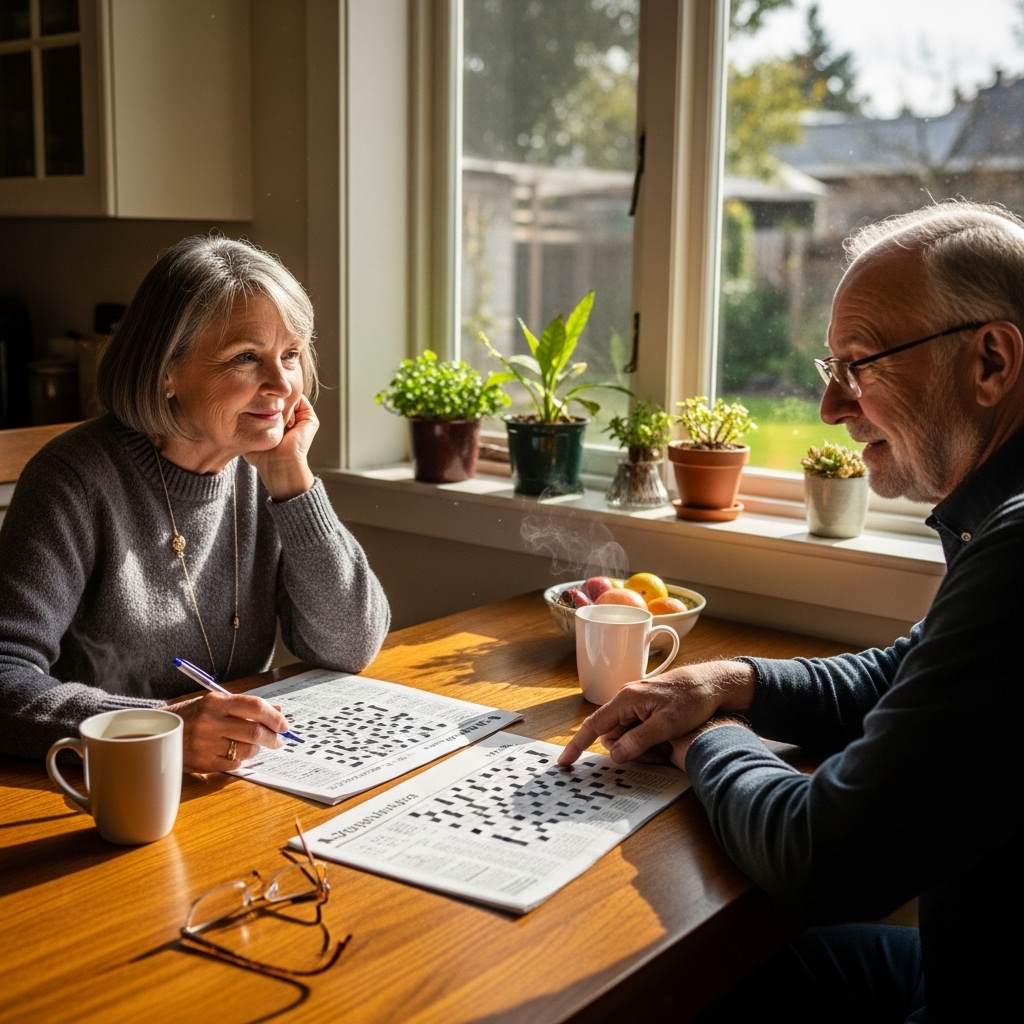
Neurologically, rituals create emotional anchors. A six-month study on couples found those with small daily rituals (like a 2-minute morning hug or coffee-sharing silence) reported 23% higher relationship satisfaction. The key? Consistency over grandeur.
4. Offer Non-Sexual Physical Touch
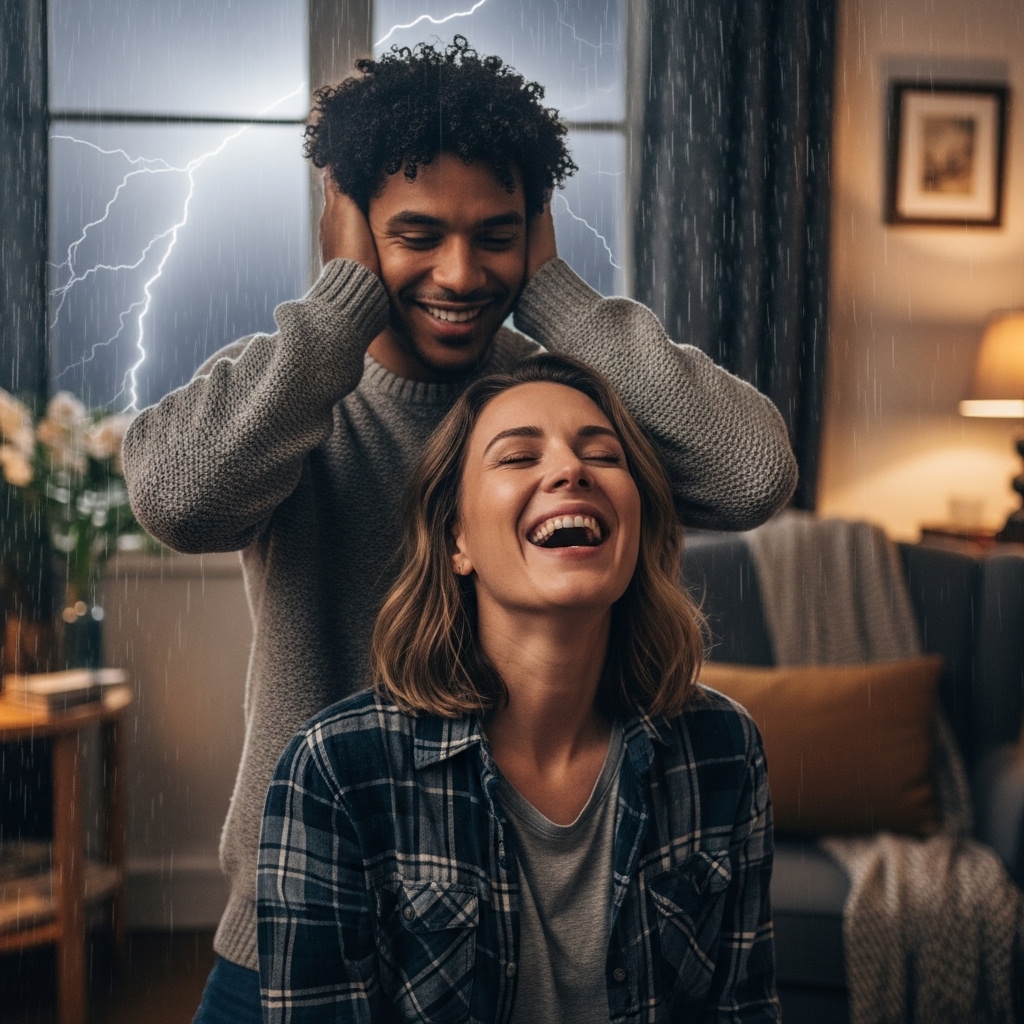
Oxytocin—the “bonding hormone”—isn’t just released during intimacy. A 2022 study showed that 15 seconds of platonic touch (hand-holding, shoulder squeezes) lowers cortisol levels more effectively than verbal reassurance. Try the “3-Touch Rule”: intentional contact at three different moments daily.

5. Protect Their Vulnerabilities
Love shines when you don’t use their insecurities against them, even in arguments. If they’re sensitive about their cooking skills, compliment their effort when they try new recipes. This builds what psychologists call “secure attachment scaffolding.”
6. Celebrate Their “Solo Wins” Authentically
When your partner achieves something unrelated to you (a promotion, hobby milestone), celebrate with specific enthusiasm. Relationship researcher Dr. Sue Johnson notes that external cheerleading demonstrates love more profoundly than romantic gestures because it shows you see them as a whole person.

7. Take Over a Chore They Dread
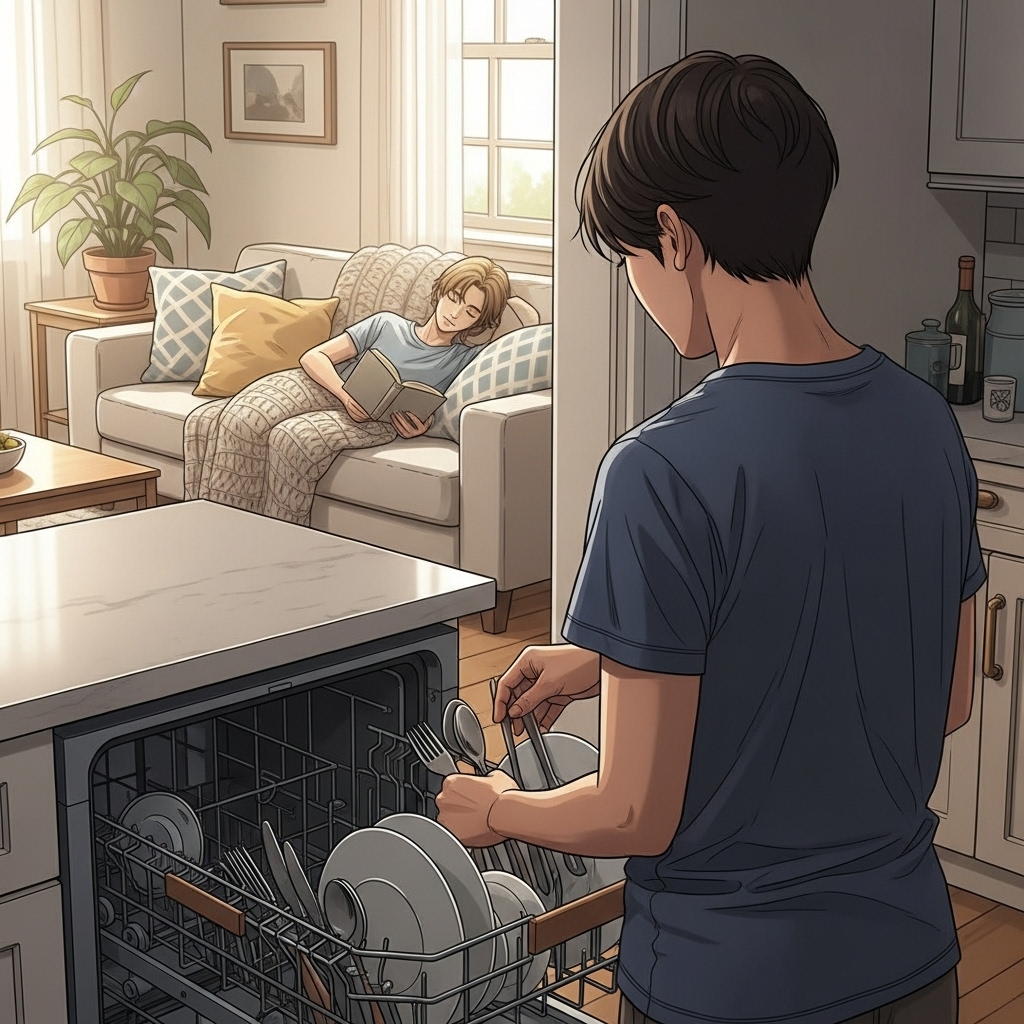
Behavioral psychologists found that acts of service relieve stress more effectively than gifts for 68% of people. Notice which task makes them sigh deeply—folding laundry? Grocery shopping?—and do it unexpectedly. No “look what I did” fanfare required.
8. Remember Their “Insignificant” Stories
Recall details from their childhood anecdotes or work dramas. When you ask, “How did your coworker’s presentation go after last week’s disaster?” it signals I store pieces of you in my mind. This builds what neuroscientists call “cognitive intimacy.”

9. Give Them Space Without Withdrawal
Healthy love respects differing social batteries. Say, “I’ll be in the garden if you need me” instead of disappearing when they need alone time. Psychologists call this proximity with permission—assuring connection despite physical distance.

10. Mirror Their Excitement
When they’re passionate about something (even if you don’t share the interest), match their energy. Smile when they explain niche hobbies, ask follow-up questions. A Yale study showed emotional mirroring increases relationship longevity more than shared interests.

11. Defend Them in Subtle Ways
Step in when others interrupt them, or mention their strengths in group settings (“Sam’s amazing at explaining this”). These public validations create what social psychologists term “relational dignity”—the sense of being prized beyond private moments.

12. Keep Their Preferences in Your Mental Catalog
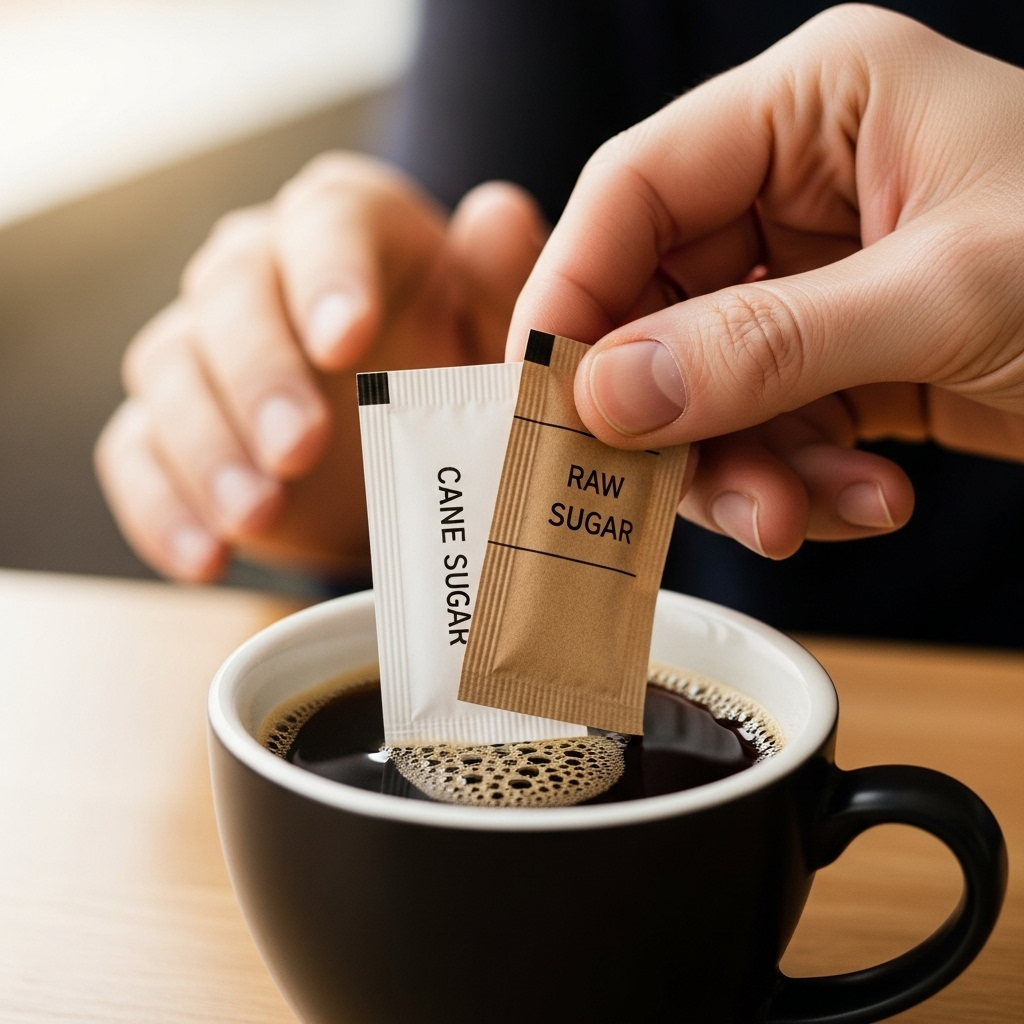
Order their favorite snack when you get coffee, queue up their comfort show after hard days. These micro-considerations show love through what memory researchers call “attentive recall”—proof you notice who they are at granular levels.
13. Share Vulnerabilities Without Burdening
Love isn’t just supporting them—it’s letting them support you sometimes. Say, “I had a tough day, can I vent for five minutes?” This balanced vulnerability fosters mutual trust, according to attachment theory research.

14. Create a “No-Phone Zone”
Designate tech-free times (meal prep, bedtime routines). MIT researchers found couples who implement device boundaries experience 40% more moments of spontaneous connection. The unspoken message: Right now, nothing is more important than us.

15. Love Their Loved Ones
Send their mom birthday flowers, play with their niece even if kids aren’t your thing. Anthropologists call this “kinship bridging”—when you honor someone’s roots, you validate their entire life story, not just your chapter in it.
True love lives in the quiet spaces between words—in how you show up when no one’s watching, in the choices that say “I choose you” without fanfare. As you experiment with these actions, observe what resonates most in your relationship. Sometimes the deepest “I love you” is whispered through a warm blanket placed over sleeping shoulders or a silent hand squeeze during a stressful moment. Which of these non-verbal expressions felt most meaningful to you? The answer might reveal your love language in its purest form.

