
In the ever-spinning cycle of fashion, what’s old is perpetually on the verge of becoming new again. While we often see the resurgence of certain trends—like the mullet or 70s shag—there exists a treasure trove of underrated hairstyles languishing in the archives, just waiting for their moment back in the spotlight. These are the cuts and styles that defined decades, empowered individuals, and possessed a unique character that modern trends often lack.
1. The Classic Pixie Cut
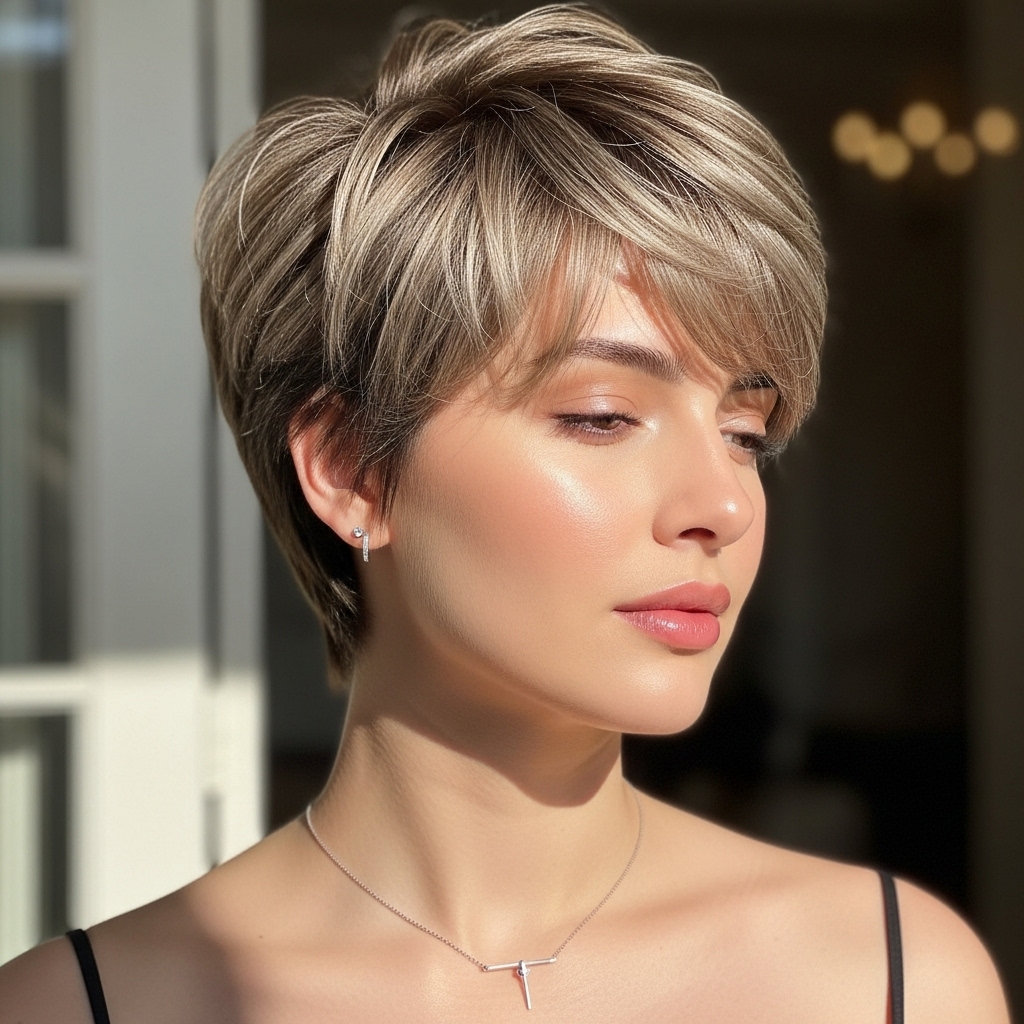
Before the pixie became synonymous with a single, often edgy, style, it was a symbol of chic, effortless grace popularized by icons like Audrey Hepburn and Twiggy. The classic pixie is softer and more versatile than many remember. It features shorter back and sides with slightly longer, textured layers on top that can be styled sleek, messy, or with a soft, side-swept bang. It’s a cut that exudes confidence and highlights facial features like no other.
2. The Pageboy
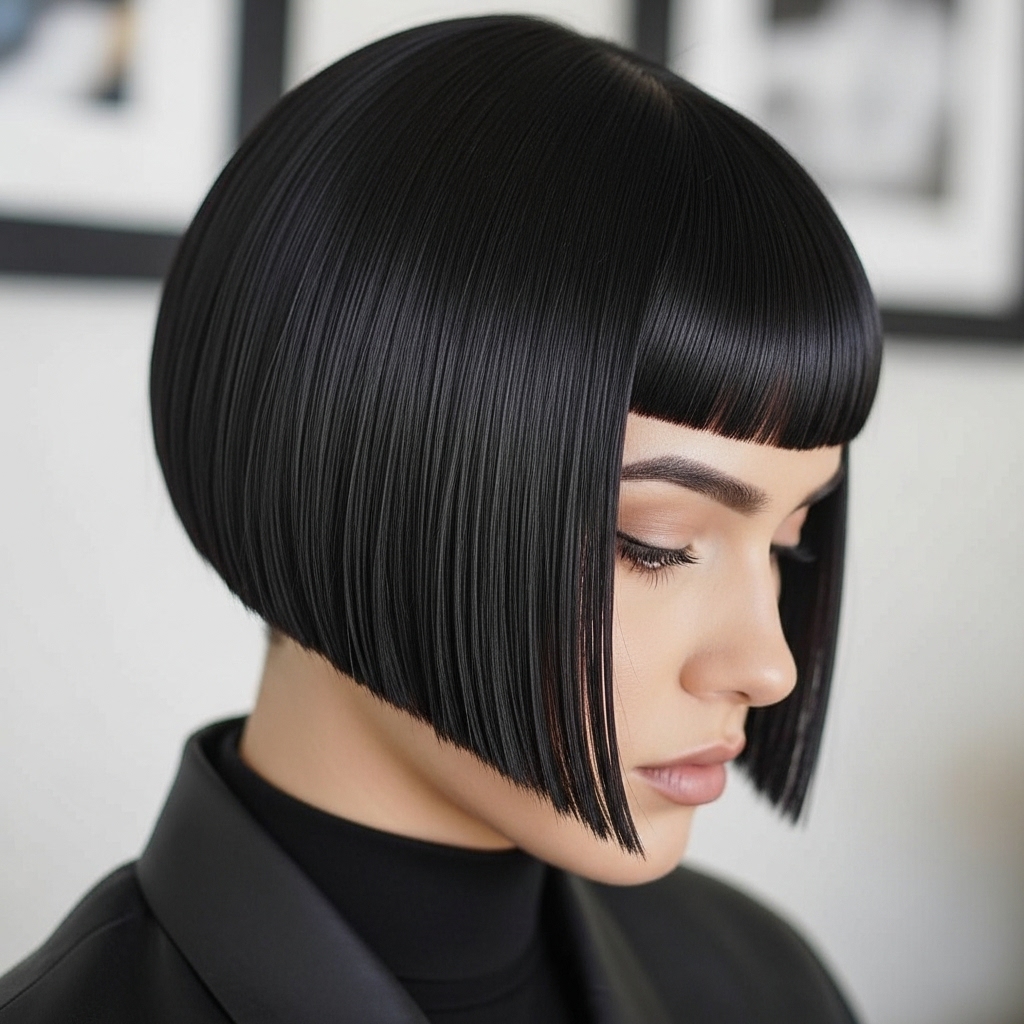
A hallmark of the 1950s, the pageboy is a blunt, chin-length cut characterized by its straight-across bangs and a gentle, turned-under curl at the ends. Worn by everyone from medieval squires to Queen Elizabeth I, its mid-century revival made it a symbol of neat, youthful sophistication. Today, it could be the perfect antidote to the dominance of long, beachy waves, offering a graphic, polished, and surprisingly low-maintenance silhouette.
3. Finger Waves
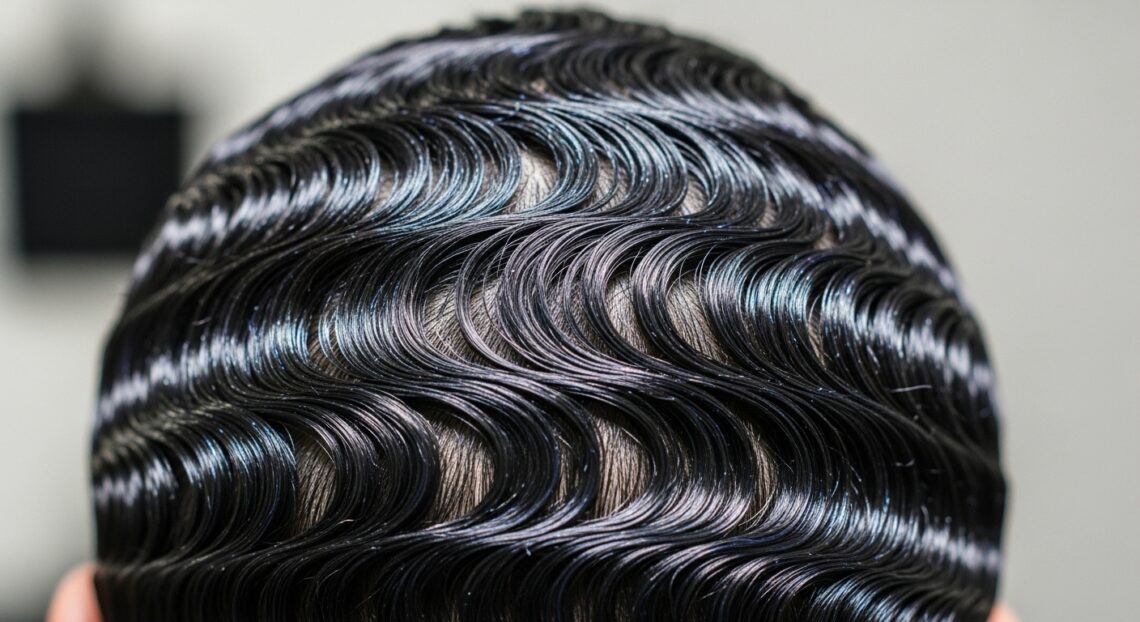
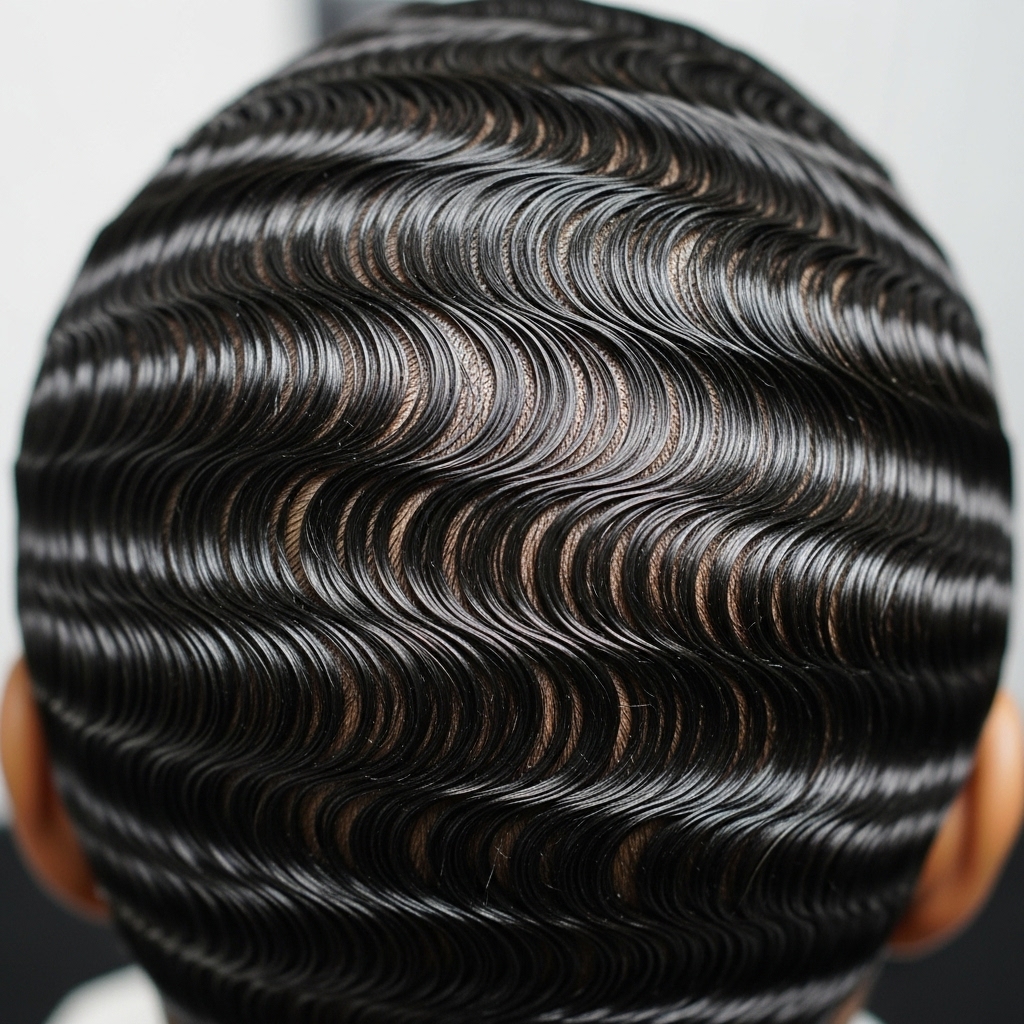
Synonymous with the glamour of the 1920s and 30s, finger waves are the epitome of old-school artistry. This technique creates a series of S-shaped waves that lie flat against the head, often framing the face with impeccable precision. While they seem daunting, modern styling products and tools have made them more accessible. They are a stunning choice for a special event or for anyone wanting to make a bold, artistic statement.
4. The Shag with Curtain Bangs (The Original)
Yes, the shag is back, but we often forget its pure, original form. Popularized by Jane Fonda in *Klute*, the 70s shag was a masterpiece of layered texture, with feathered layers and face-framing curtain bangs that were less perfect and more free-spirited. It was a cut that moved and had a life of its own. Embracing this original, slightly unkempt version offers a rock-and-roll edge that’s both effortless and incredibly cool.
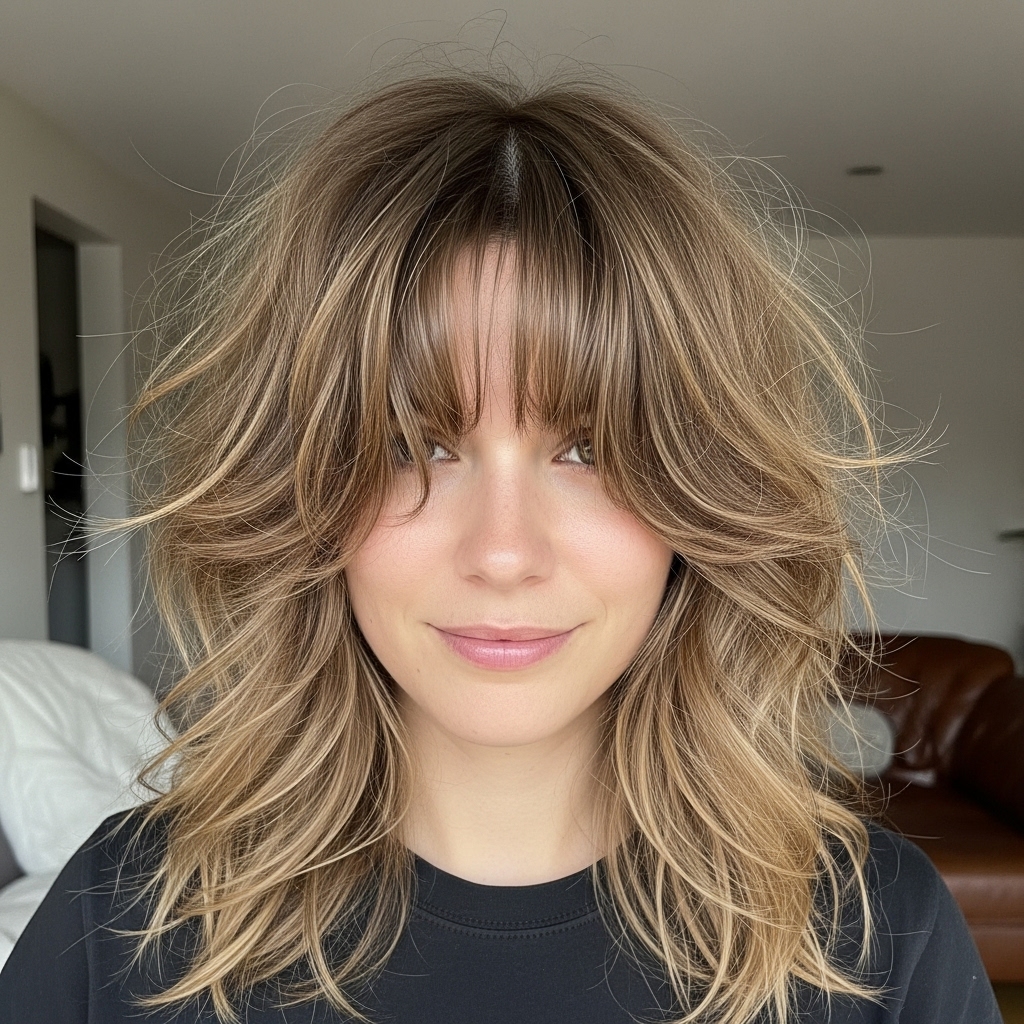
5. The Gibson Girl Updo
At the turn of the 20th century, the Gibson Girl updo, created by illustrator Charles Dana Gibson, was the ideal of feminine beauty. This voluminous style involves piling the hair high on the head in a soft, pompadour-like puff, often with tendrils framing the neck and face. It’s a look of immense romance and elegance that could be beautifully adapted for modern weddings, red carpets, or even a daring daytime look with a more relaxed interpretation.
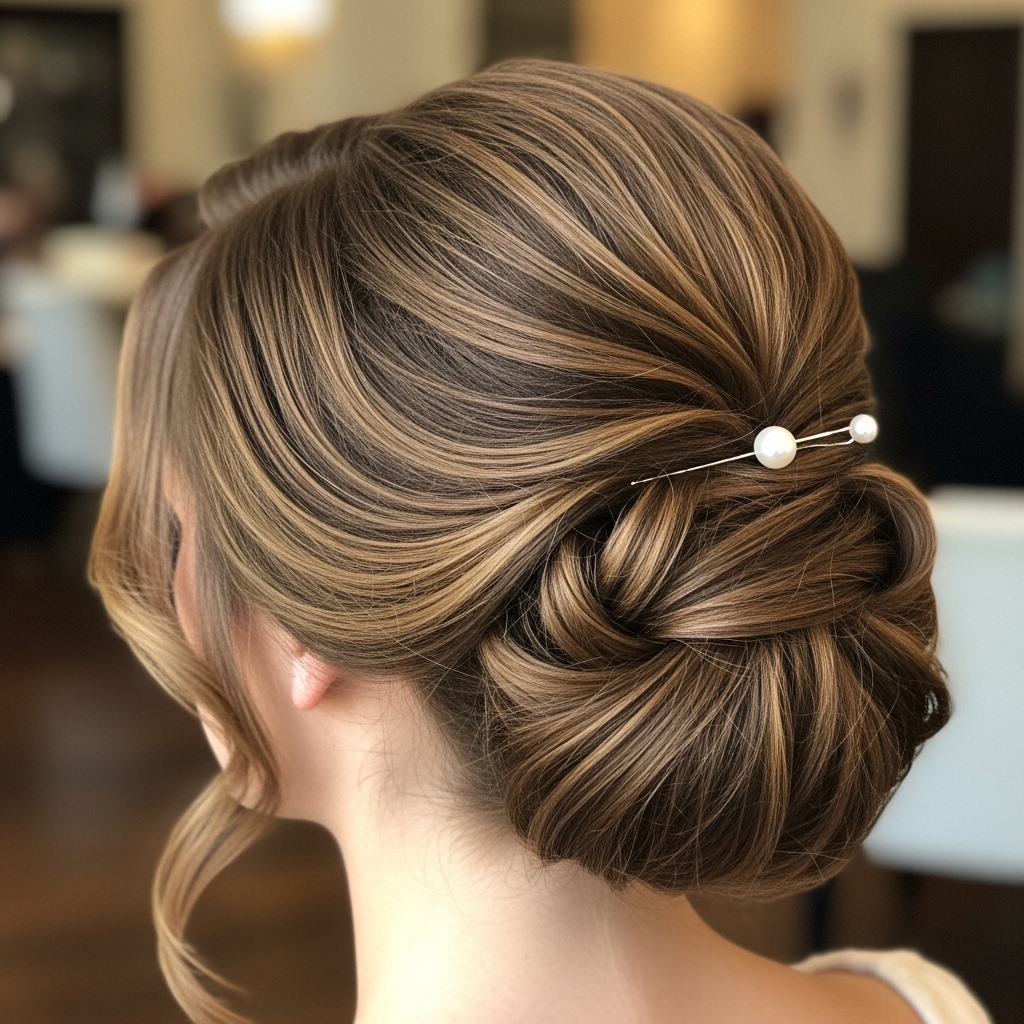
6. The Afro
While always a powerful and beautiful statement of Black pride and identity, the natural, perfectly shaped Afro from the 1960s and 70s is a hairstyle that deserves even more mainstream celebration and devoid of appropriation. It’s a symbol of resistance, culture, and unparalleled style. The Afro’s glorious volume and spherical shape are a testament to its wearer’s confidence and a celebration of natural texture in its most magnificent form.
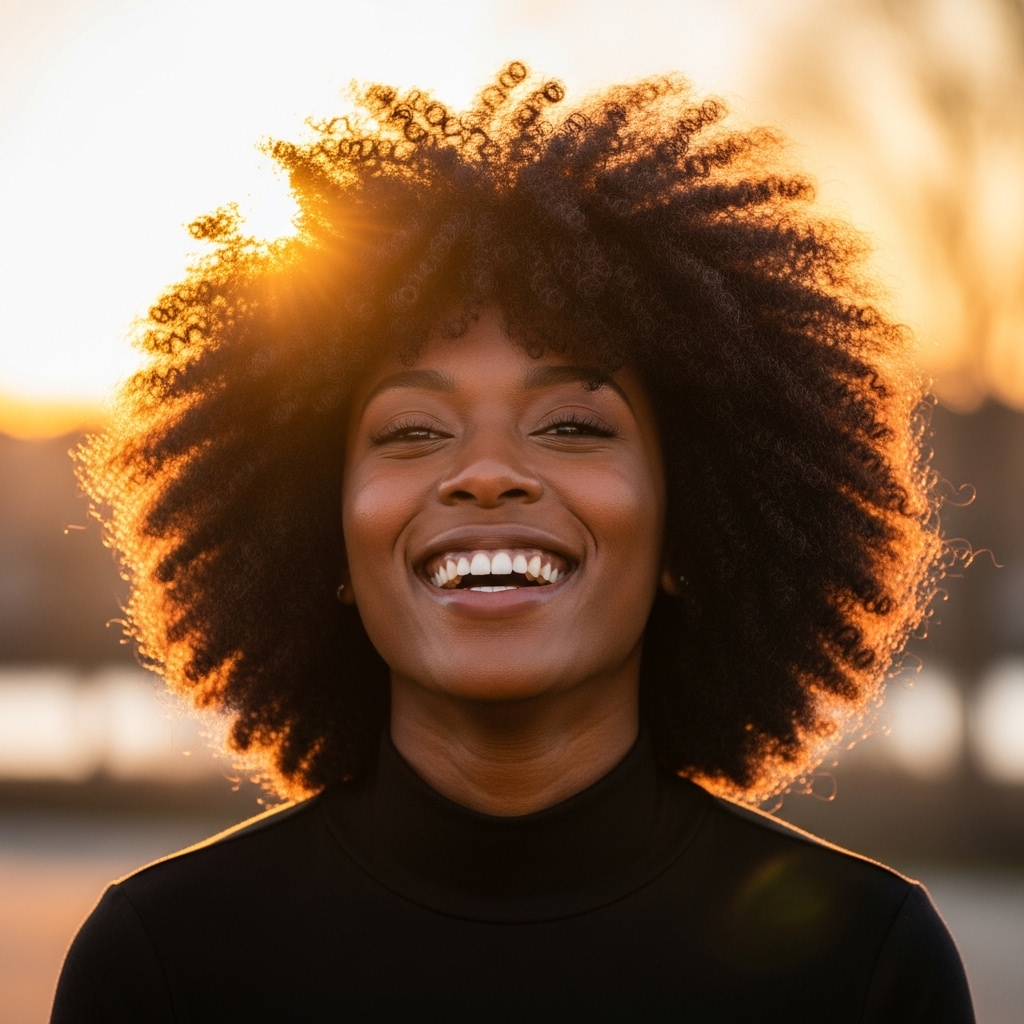
7. The Ducktail
A cousin to the pompadour, the ducktail (or duck’s ass) was the rebellious hairstyle of 1950s greasers and teen idols. It involves combing the hair back from the forehead and parting it in the back so that the two sides meet, resembling a duck’s tail. It’s a meticulously cool style that oozes retro masculinity and could be a fantastic, sharp look for men (and women with shorter hair) wanting to channel a vintage, rockabilly vibe.
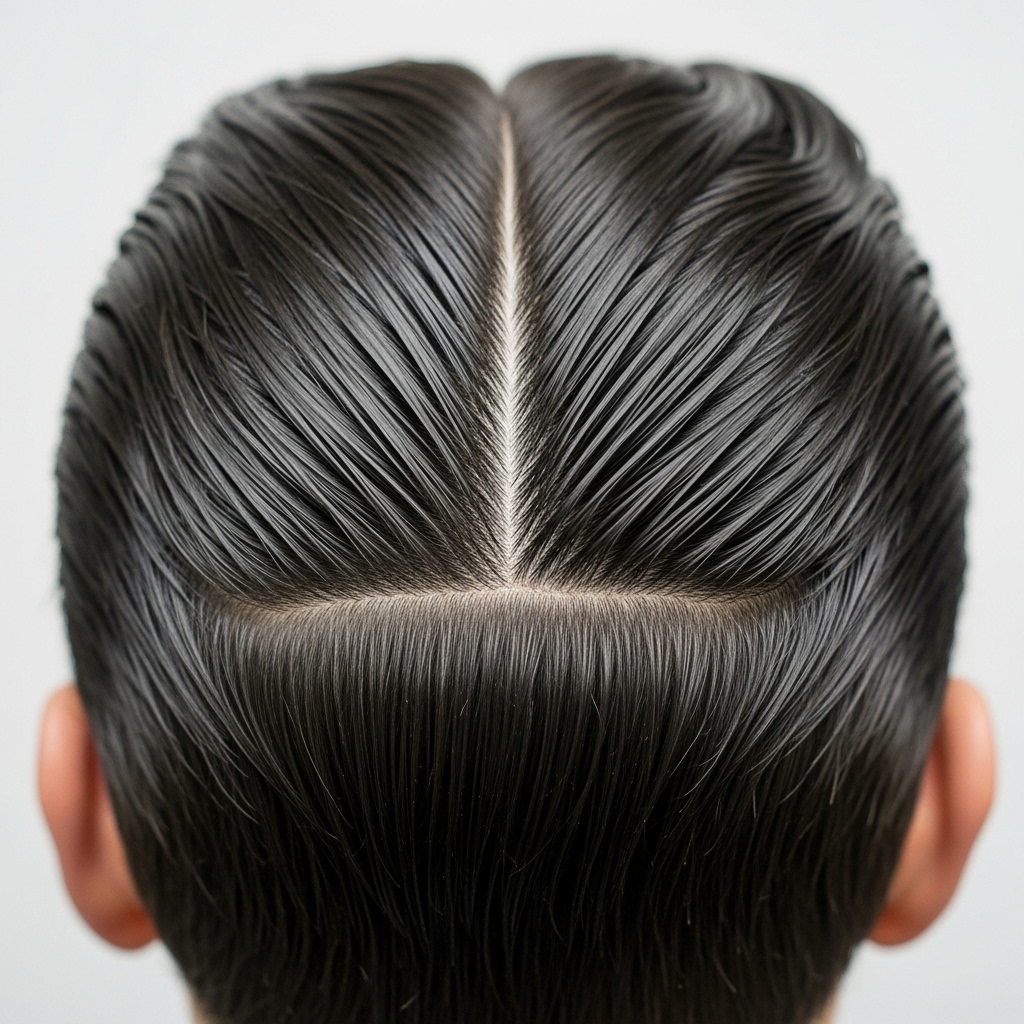
8. The Bump It
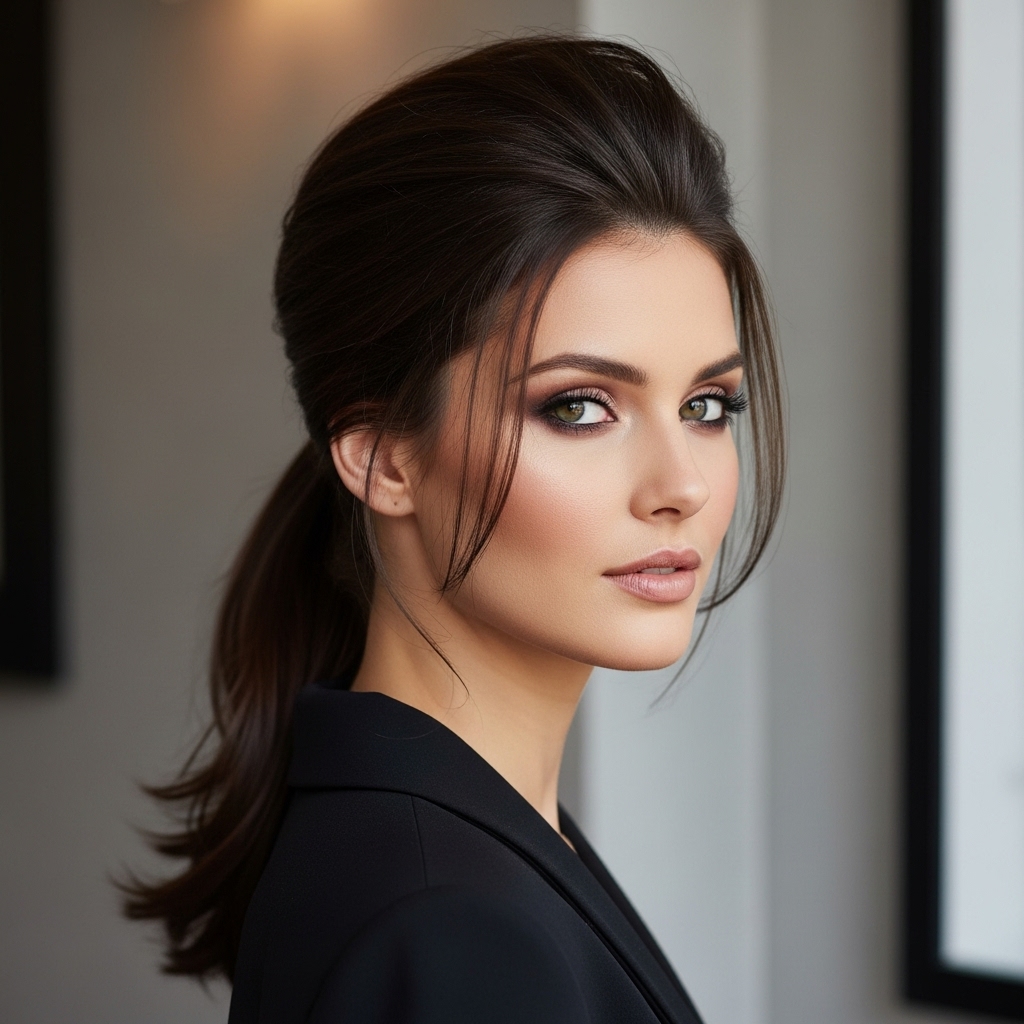
Hear us out! The early 2000s Bump It might be a meme now, but the desire for volume at the crown is timeless. The problem was the execution—often too high and too teardrop-shaped. A modern, softer take on this, using backcombing and strategic teasing rather than a plastic insert, can create beautiful, face-lifting height and drama without the cartoonish effect. A little volume at the crown can elevate any ponytail or half-up style.
9. The Flapper Bob
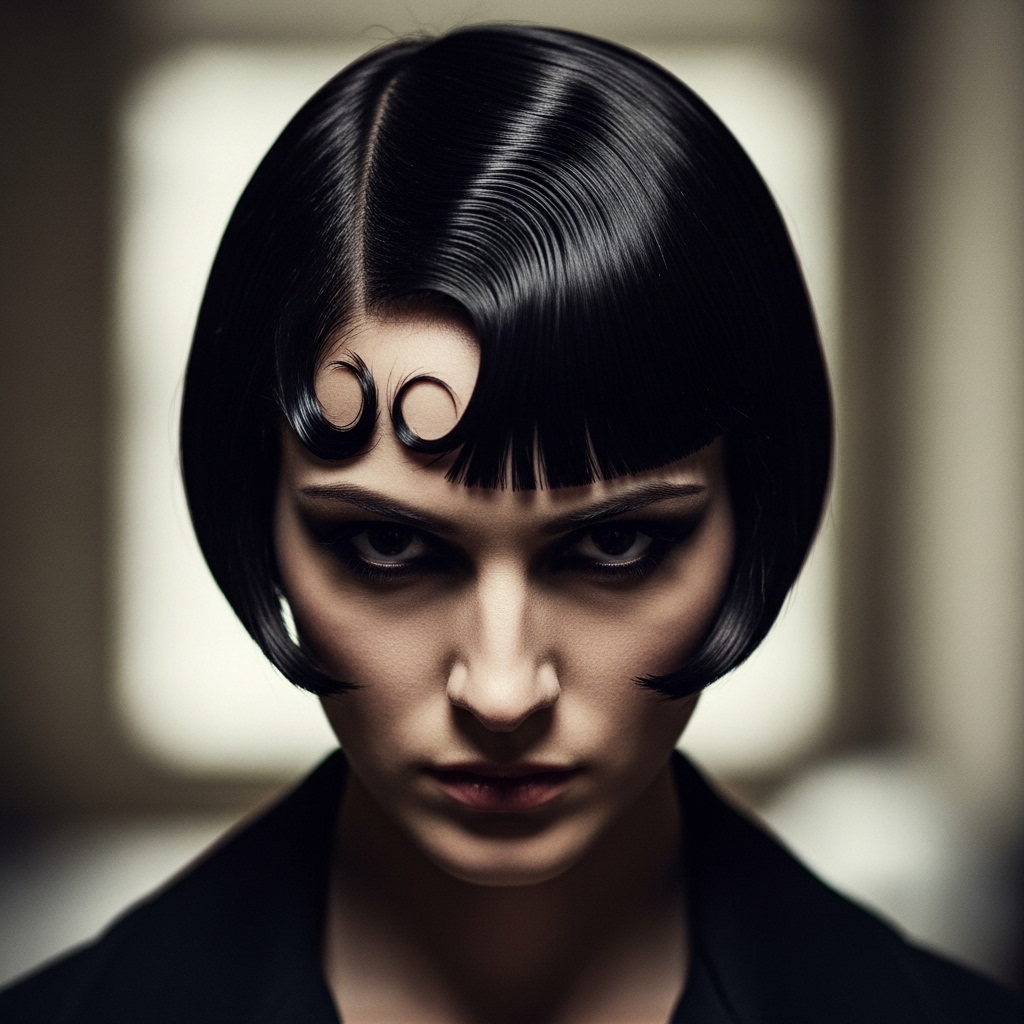
More severe than the pageboy, the 1920s flapper bob was a radical statement of women’s liberation. It was a blunt, often chin-length cut that was sometimes curled under (the “Marcel wave”) or, more famously, styled with finger waves. Its androgynous, clean lines are strikingly modern and can be incredibly chic. This is a cut for the bold, for those who want a look that is both historically significant and fiercely stylish.
10. The Headband Flip
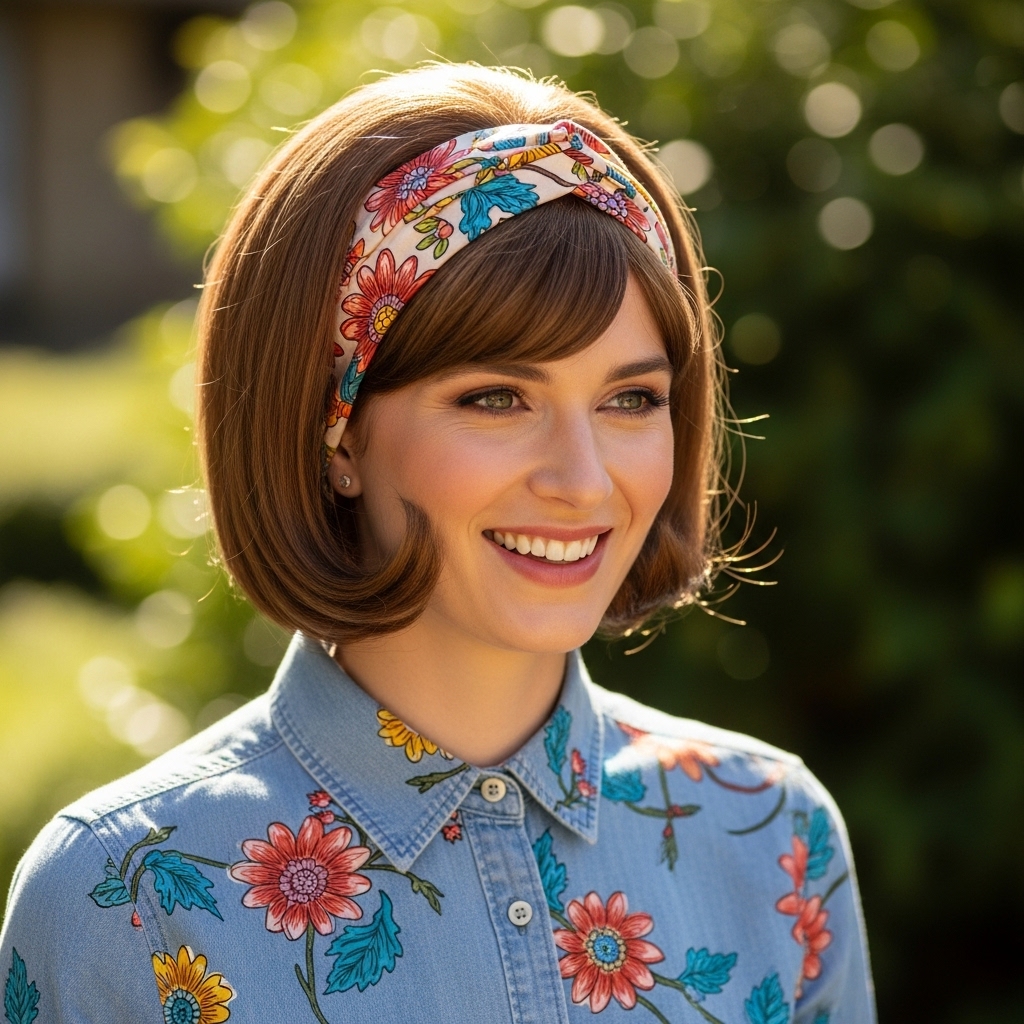
A quintessential 1960s preppy style, the headband flip involved pulling the hair back with a wide headband and using a round brush to flip the ends out. It was the signature look of characters like Marcia Brady and epitomized a clean, optimistic, and put-together aesthetic. This style is due for a revival as a fun, easy way to achieve a retro vibe without a major haircut. It’s playful, polished, and instantly uplifting.
11. The Mullet (The *Stylish* Version)
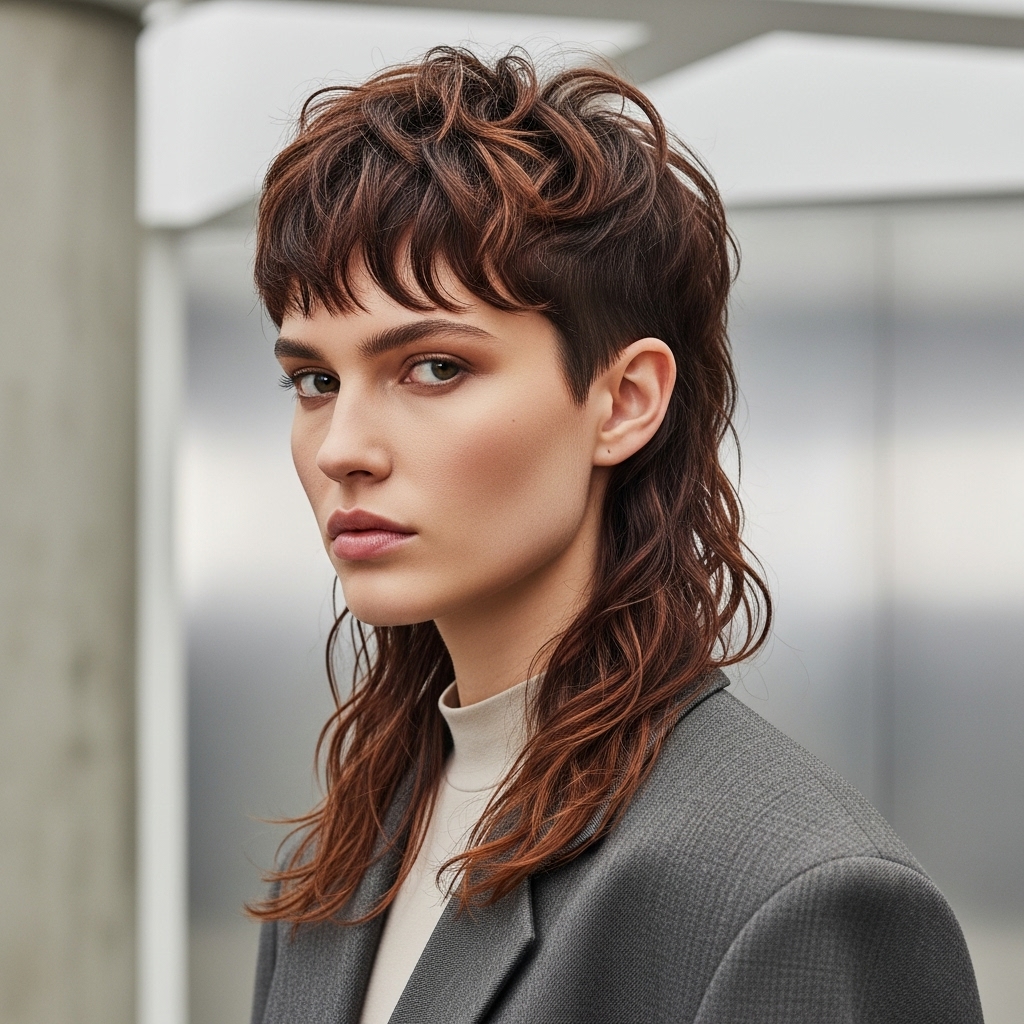
We said underrated, and the mullet is arguably the most maligned hairstyle in history. But the modern, stylish mullet—think David Bowie in the 70s or Miley Cyrus recently—is a different beast. It’s a deliberate, fashion-forward choice that plays with texture and shape. It’s “business in the front, party in the back” with artistic intention. When done with skilled layering and styling, it can be edgy, cool, and incredibly flattering.
12. The Victory Rolls
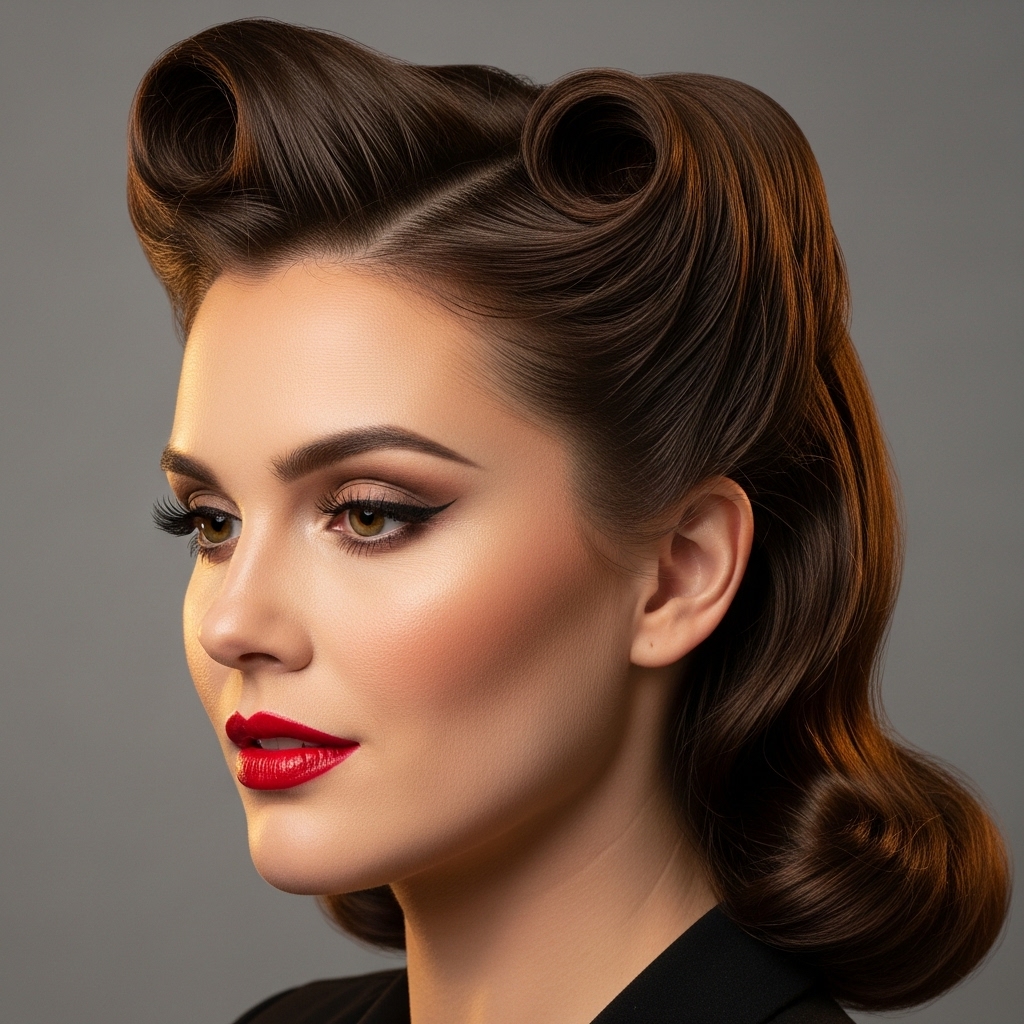
Born during the World War II era, victory rolls were more than just a hairstyle; they were a morale booster. These cylindrical rolls of hair, often placed on top of the head or framing the face, are a symbol of strength and resilience. They require practice to perfect but result in a stunning, statement look that combines vintage glamour with powerful historical significance. They are perfect for pin-up styles, retro events, or just making a unforgettable impression.
Embrace the Archives
Fashion is cyclical, but true style is eternal. These underrated hairstyles are more than just relics of the past; they are sources of inspiration, waiting to be rediscovered and reinterpreted for a new generation. They remind us that hair is a powerful form of self-expression, capable of conveying everything from rebellion to romance.
So, the next time you’re contemplating a hair change, why not dive into the archives? You might just find that the perfect, most unique look for you has been waiting in the wings all along, ready for its well-deserved comeback.

