

If your scalp stings, itches, or aches after a hairstyle, you are not being dramatic. You just need gentler options. Tight ponytails, heavy clips, and glued-in accessories can leave tender spots that ruin your whole day.
I have been there, and my team has tested so many looks that feel cute without the pull. The good news? You can still wear 2026 hairstyles, old money hair, a quiet luxury bob, romantic goth hairstyles, glitchy glam hair, an asymmetrical lob, a vampire haircut, or a hime cut without suffering.
In this post, I am sharing simple styles, smart accessories, and tiny tweaks that keep pressure off your scalp. You will learn how to look polished in minutes and finally enjoy your hair again.
Start With Scalp Kindness, Not Trends
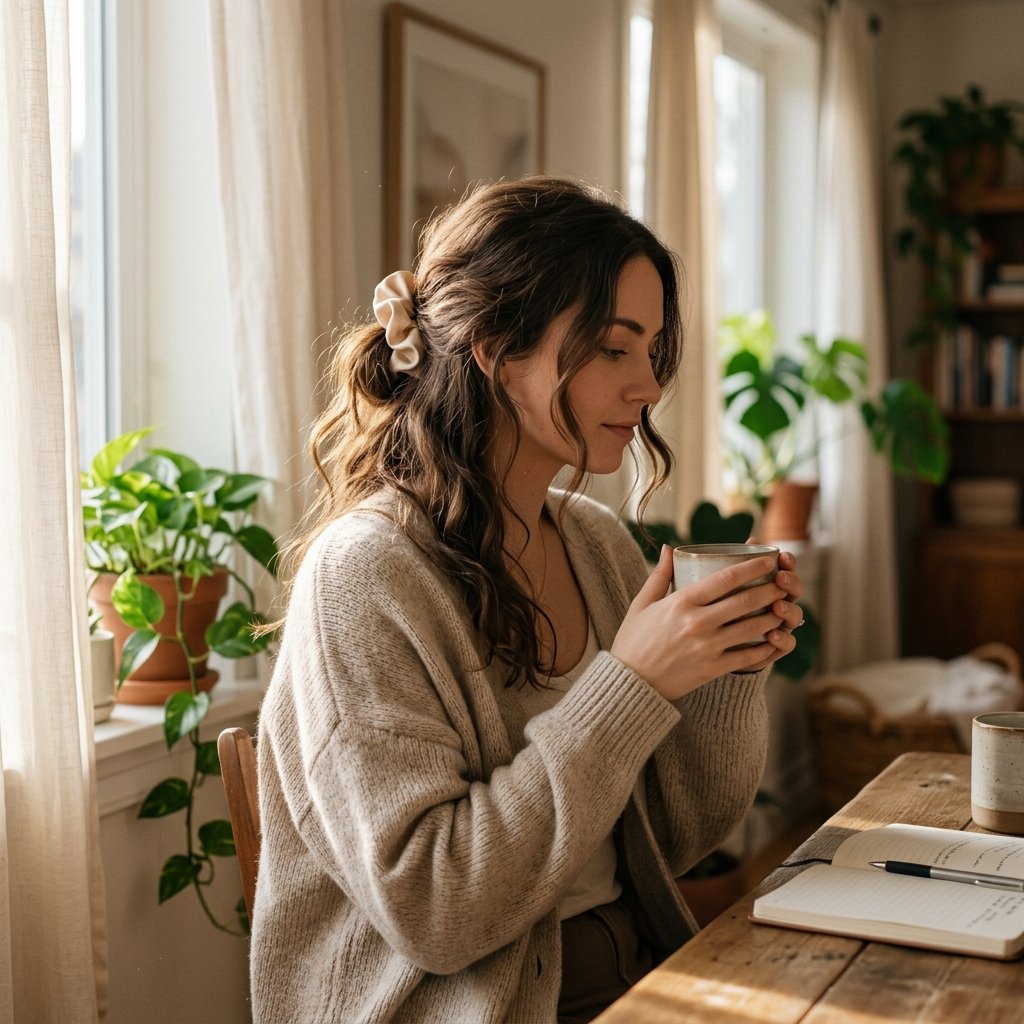
A sensitive scalp changes the rules. Instead of asking “Is this trendy?” ask “Will this pull?” That one question saves you from headaches, bumps, and irritation. It also helps you build a routine that feels good every day.
Start with dry, detangled hair. Use fingers or a wide-tooth comb. Never rip through knots. If your scalp is already sore, skip tight styles for a few days and let it breathe.
- Choose loose roots over slicked-back tension.
- Use coated elastics or silk scrunchies.
- Move clips every hour if you feel pressure.
These small habits make every 2026 hairstyle feel better. Trends should serve you, not hurt you.
The Quiet Luxury Bob That Never Pulls
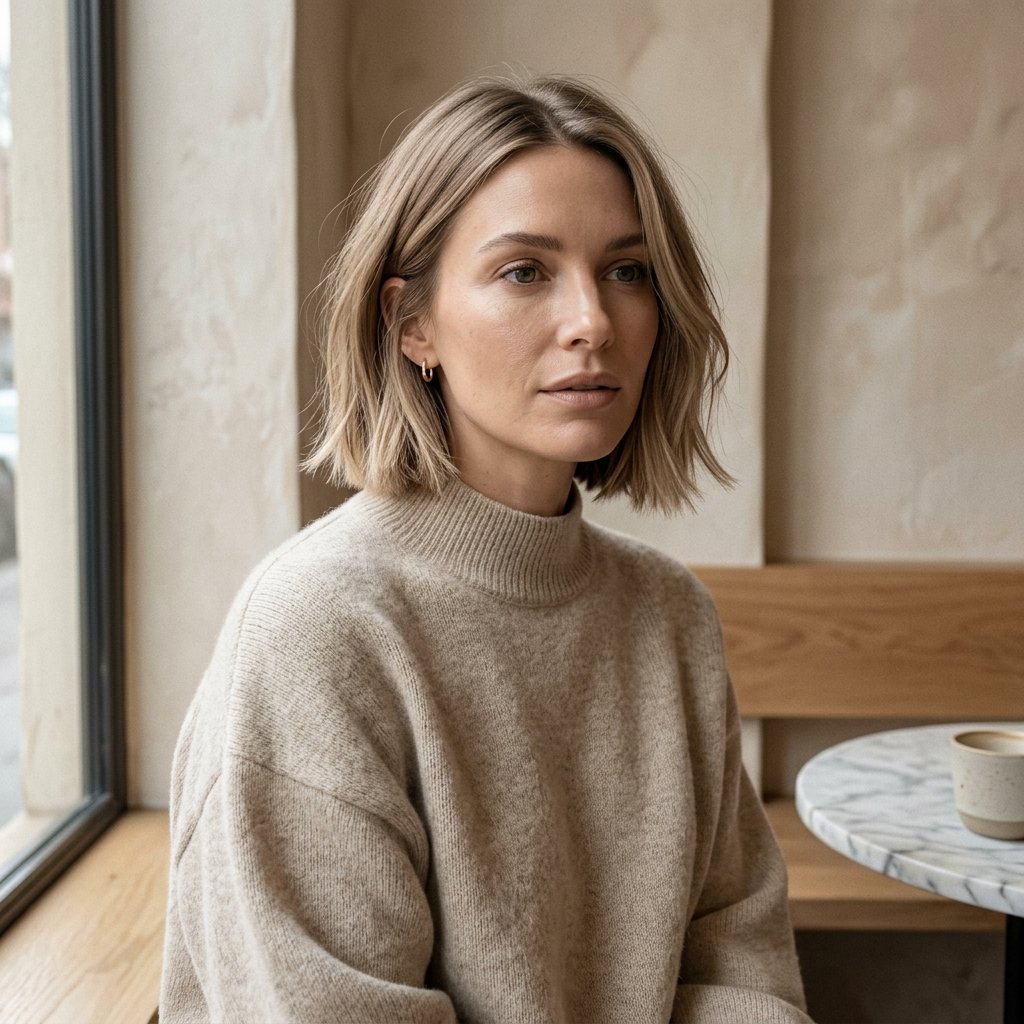
The quiet luxury bob is having a moment, and it is perfect for tender scalps. Why? The shape does the work. You do not need tight grips or heavy spray to make it look expensive.
Ask for a chin-to-collarbone cut with soft invisible layers. Air-dry with a little leave-in cream. Then use a round brush only at the ends if you want polish. Keep the roots loose and natural.
- Part it naturally, not sharply.
- Tuck one side behind your ear.
- Add a tiny clip only if it feels light.
This is old money hair without the ache. It looks clean, calm, and very 2026.
Old Money Hair With Loose, Soft Volume
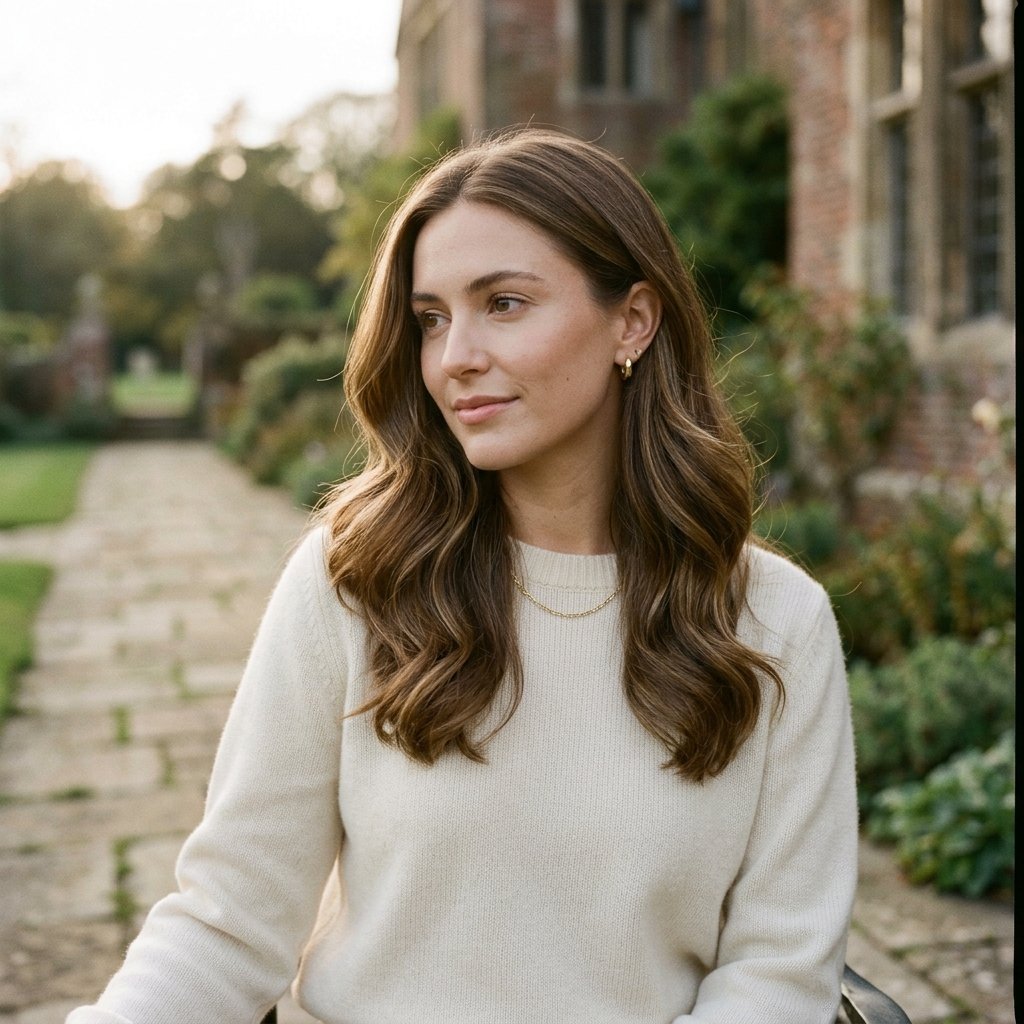
Old money hair looks rich because it moves. It is never stiff or glued down. For sensitive scalps, volume should come from the cut and blow-dry technique, not backcombing.
Use a volumizing mousse on damp roots, then dry upside down for one minute. Flip back and use your fingers to place the part. Do not tease your crown or push hair against the scalp.
- Loose waves with a 1.25-inch iron.
- Brush through with a paddle brush.
- Finish with a light mist, not hairspray armor.
You get that effortless, expensive feel without tension. It is one of the easiest 2026 hairstyles to live in.
Asymmetrical Lob for Gentle Edge
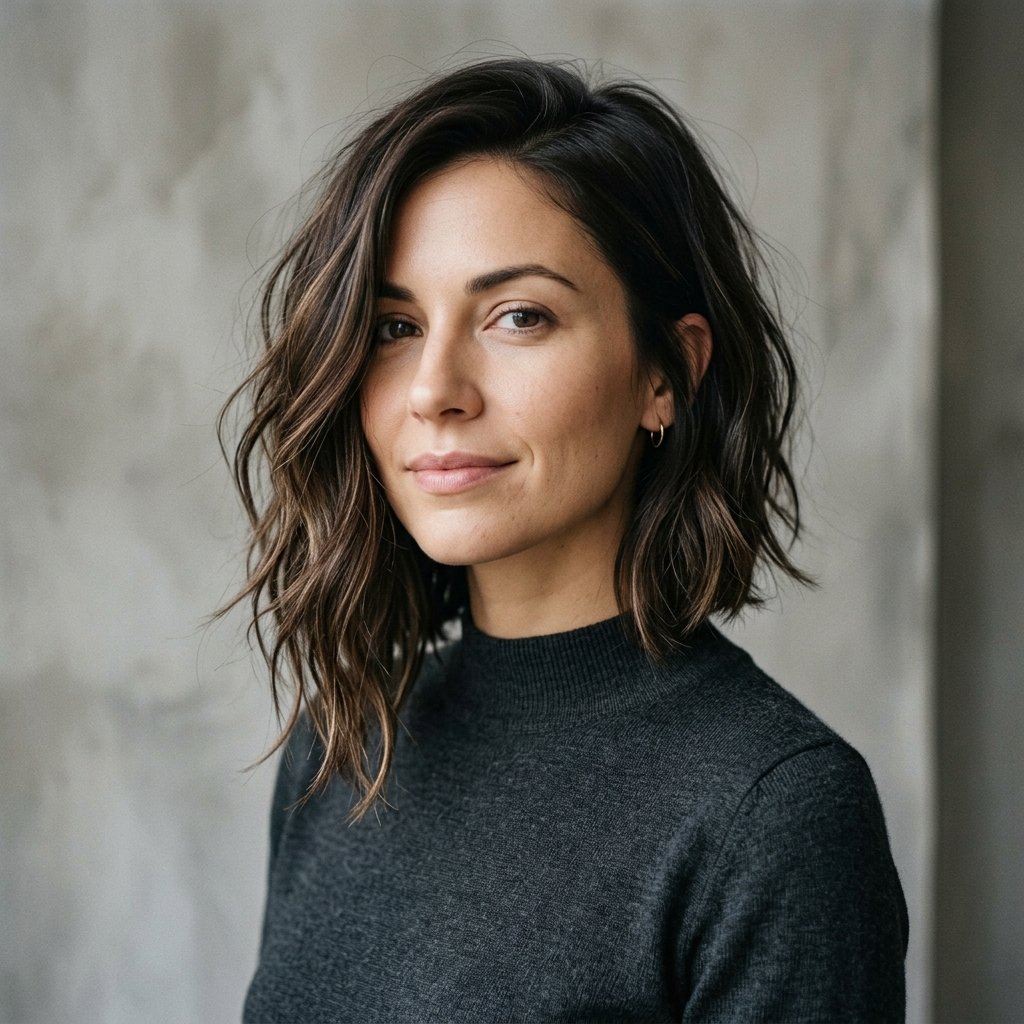
An asymmetrical lob is a smart pick when you want a fresh look but cannot handle tight updos. The uneven length creates interest on its own, so you do not need accessories to carry the style.
Ask for a deep side part and one side slightly longer. Keep the roots free. If you want a sleek finish, use a tiny amount of serum on the ends only. Let the cut do the talking.
- Blow-dry with a small round brush near the ends.
- Let the shorter side fall forward.
- Pin nothing at the crown.
It feels modern, not painful. This is a great option if you love a quiet luxury bob but want more edge.
Hime Cut Without Tight Sections
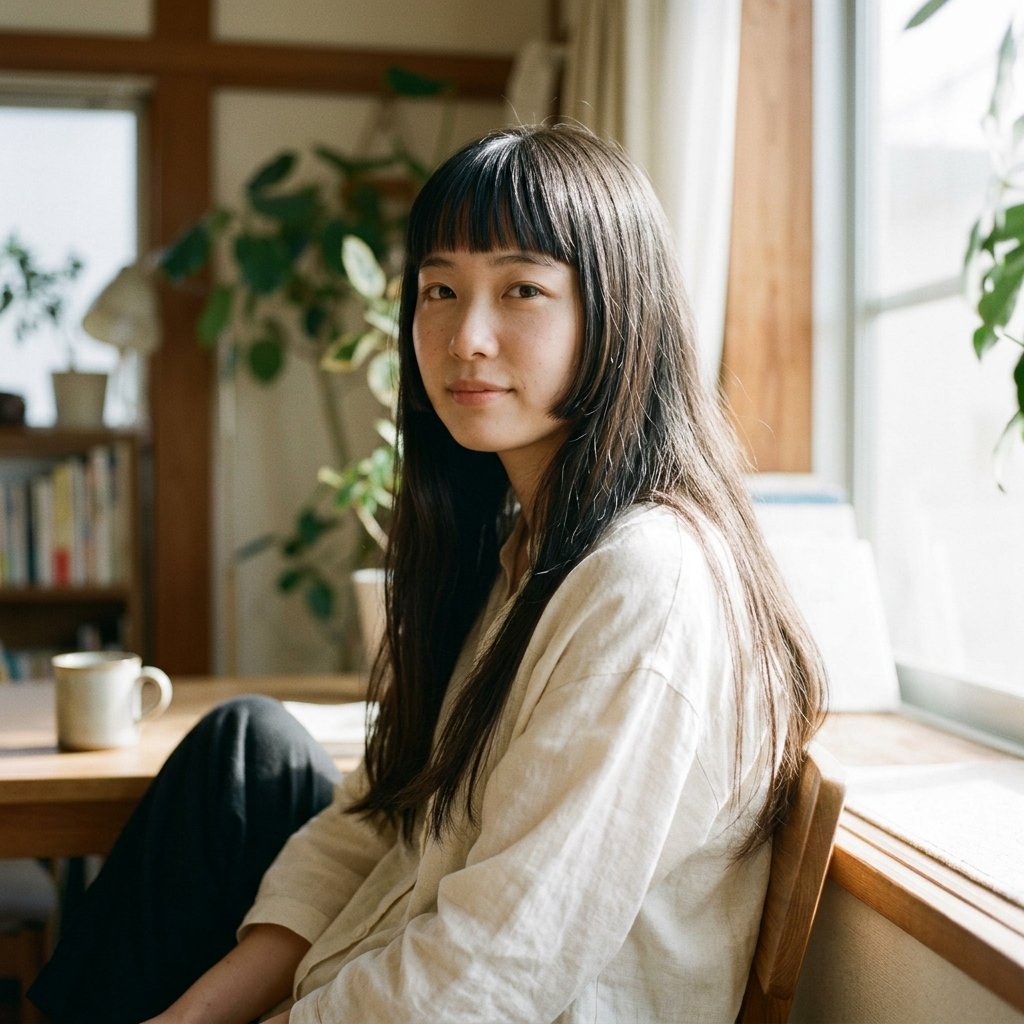
The hime cut is dramatic, but it does not have to be tight. Traditionally, it has blunt side locks and longer back hair. You can wear it loose and still look striking.
Ask your stylist to keep the side pieces soft and face-framing. Avoid heavy gel at the roots. A flat iron on low heat is enough for the front pieces. Let the back stay natural for a softer finish.
- Leave the back air-dried or loosely waved.
- Use a small clip to keep side locks back only if needed.
- Skip tight headbands with teeth.
This is a bold 2026 hairstyle that respects your scalp. It looks powerful without pulling at your hairline.
Romantic Goth Hairstyles With Zero Heaviness
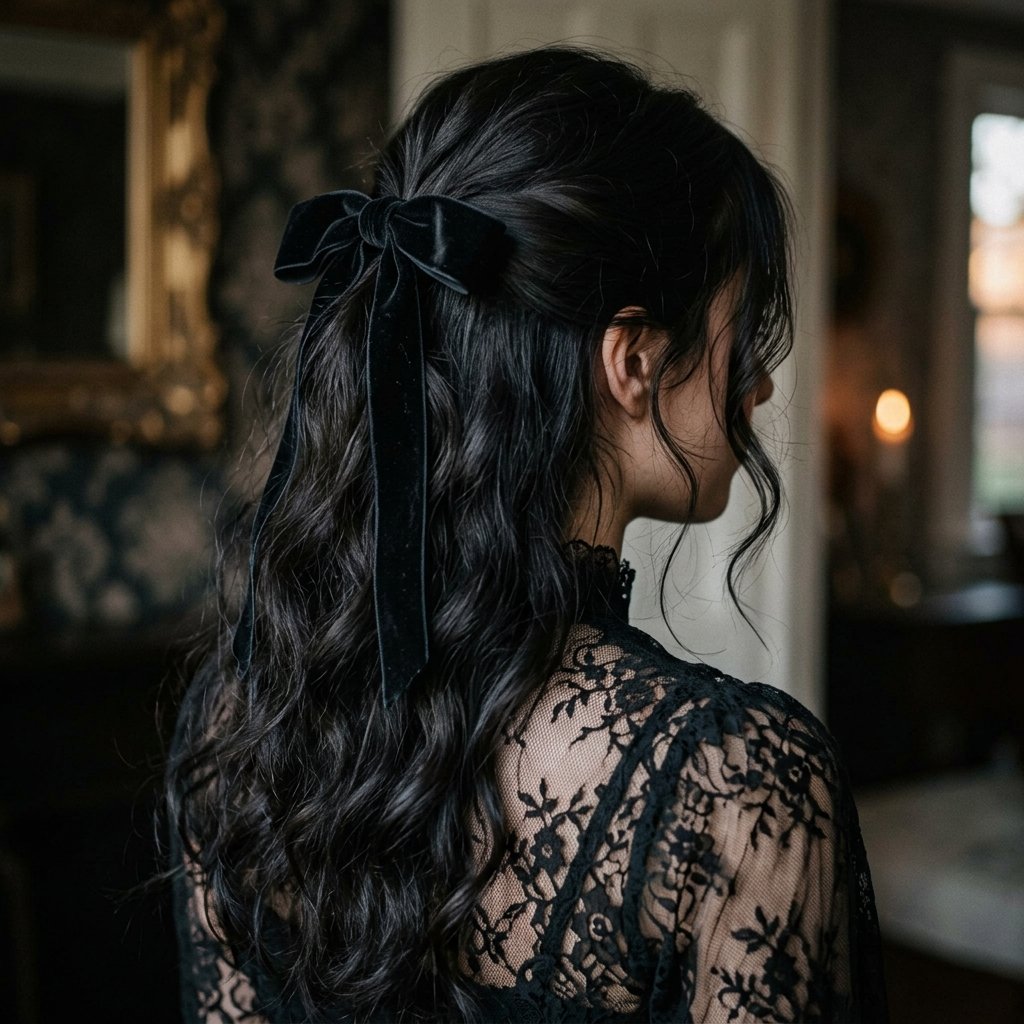
Romantic goth hairstyles can be soft, moody, and gentle. Think loose dark waves, face-framing pieces, and silk ribbons instead of heavy chains or tight braids.
Start with second-day hair for texture. Mist in a leave-in conditioner. Use a 1-inch curling iron away from the face. Let the curls cool, then finger-comb them out for that dreamy, undone look.
- Add a thin ribbon loosely tied at the nape.
- Use bobby pins only at the ends, not the roots.
- Choose velvet scrunchies over elastic bands.
You get the vibe without the scalp sting. It is romantic, dark, and completely wearable.
Glitchy Glam Hair for Sensitive Scalps

Glitchy glam hair is playful and a little futuristic. The trick is to keep the effects on the mid-lengths and ends, never at the tender roots.
Use temporary color wax or hair shadow on small sections. Twist them loosely, then pin with a single light clip. Do not create tight knots or glue strands to your scalp. Keep the rest of your hair free and soft.
- Pick two accent pieces near the face.
- Leave the rest of your hair loose.
- Remove all pins before bed.
It is fun, photo-ready, and kind to your head. You can try this for parties or just for a creative mood.
Vampire Haircut, But Softer

The vampire haircut is all about sharp layers and dramatic movement. You can make it sensitive-scalp friendly by keeping the roots lifted but not pulled.
Ask for long, face-framing layers that start below the cheekbones. Style with a center part and let the pieces fall naturally. A little texturizing spray gives that cool, undone edge without stiffness.
- Use a wide-tooth comb after washing.
- Dry roots with your head upright.
- Pin back one side with a flat clip only if it is loose.
It is dark, elegant, and zero tension. This is one of the best 2026 hairstyles for edgy but comfortable vibes.
The Airy Curtain Bangs

Curtain bangs are a sensitive-scalp hero because they frame your face without pulling your hairline. The key is to keep them airy, not glued down.
Ask for bangs that start at the cheekbone and blend into the sides. Blow-dry them with a small round brush, lifting only the roots for a second. Then let them fall. No heavy products needed.
- Avoid heavy pomade at the part.
- Use dry shampoo only on the ends if needed.
- Keep them trimmed every four to six weeks.
They make any 2026 hairstyle look fresh. They also soften a quiet luxury bob or asymmetrical lob beautifully.
Loose Low Ponytail
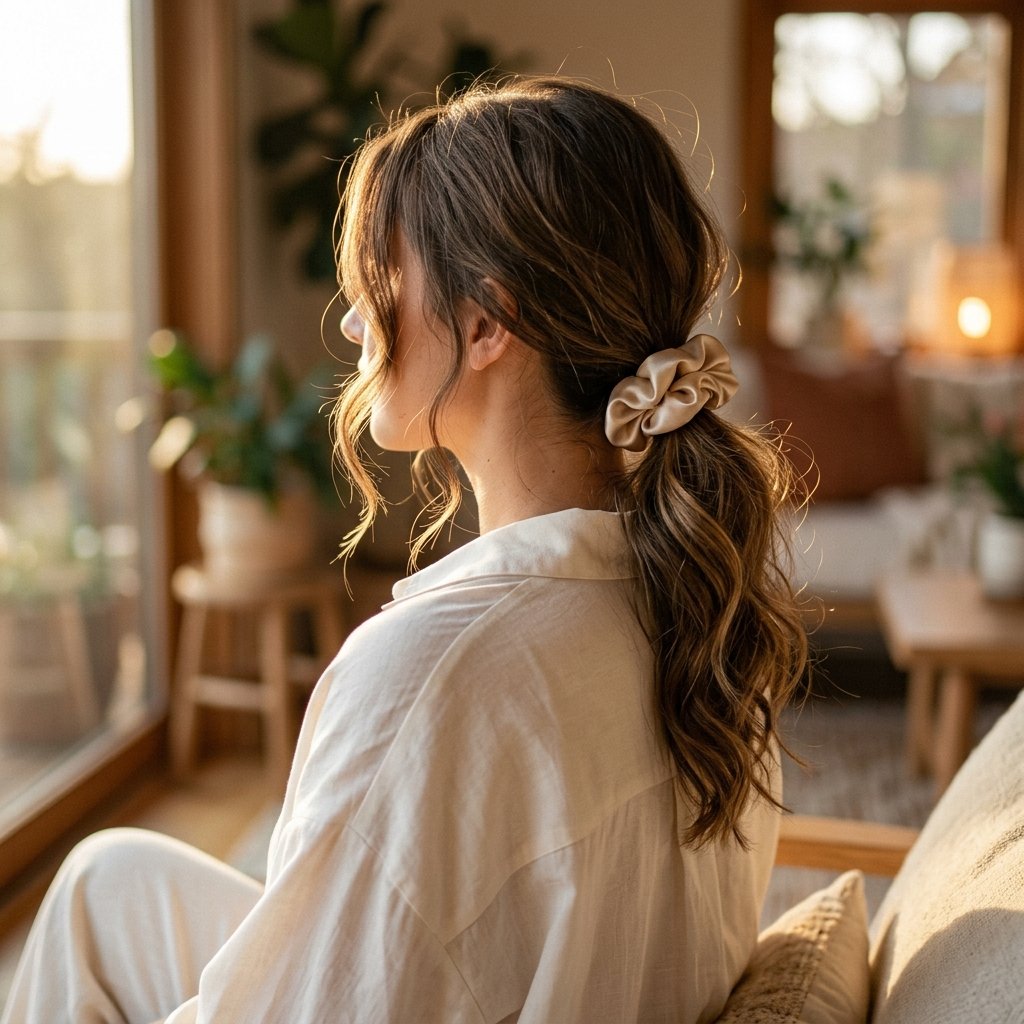
A low ponytail can be gentle if you build it loosely. Start by gathering hair at the nape with your hands, not a brush. Use a silk scrunchie and wrap it only twice.
Pull one or two face-framing pieces out. Then gently tug the crown for a little volume. Never tighten the sides toward your ears. If you feel pulling, start over with less tension.
- Place the ponytail where it feels balanced.
- Check for pulling with two fingers under the band.
- Remove it the moment it aches.
This is old money hair on a busy morning. It looks clean, soft, and completely doable.
Half-Up Twist with Spin Pins
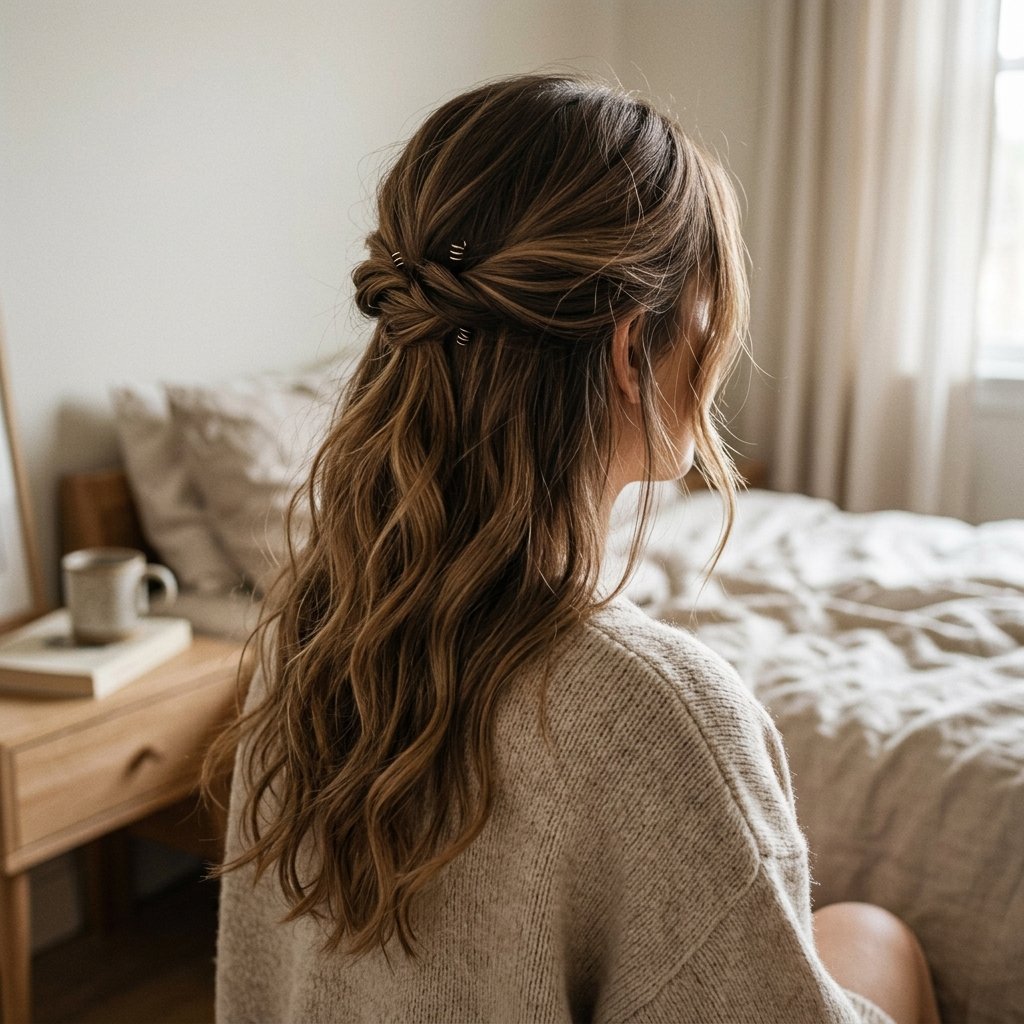
A half-up twist looks polished, but regular bobby pins can dig in. Spin pins are the secret. They screw into the hair and hold without sharp pressure.
Take two small sections above your ears. Twist each one loosely toward the back. Cross them at the crown and secure with one or two spin pins. Do not twist tight at the scalp.
- Leave the rest of your hair down.
- Loosen the twist with one finger.
- Remove the pins before you lie down.
It is romantic, easy, and gentle. This style works for work, dates, or a slow Sunday.
Soft Braids Without Tension
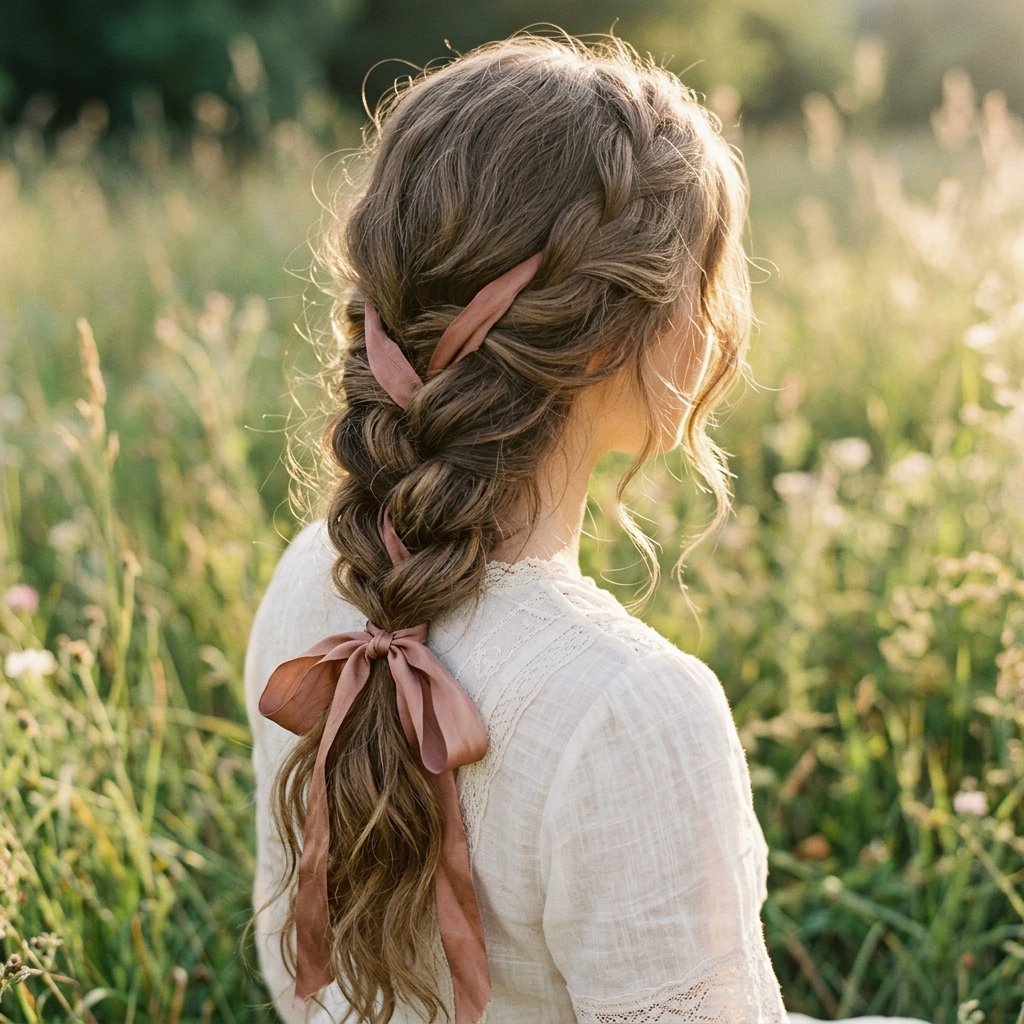
Braids can be safe if you avoid tight roots. Think loose French braids, rope braids, or a single side braid that starts low. The goal is softness, not a facelift effect.
Do not braid right against your hairline. Start an inch or two back. Keep your hands relaxed. If you feel bumps forming, stop and redo it. A loose braid always looks better than a painful one.
- Mist hair with leave-in conditioner.
- Braid loosely and tie with a silk scrunchie.
- Gently pull the braid wider for softness.
You get a romantic goth hairstyle feel without the headache. It is dreamy and comfortable.
The Claw Clip Low Twist
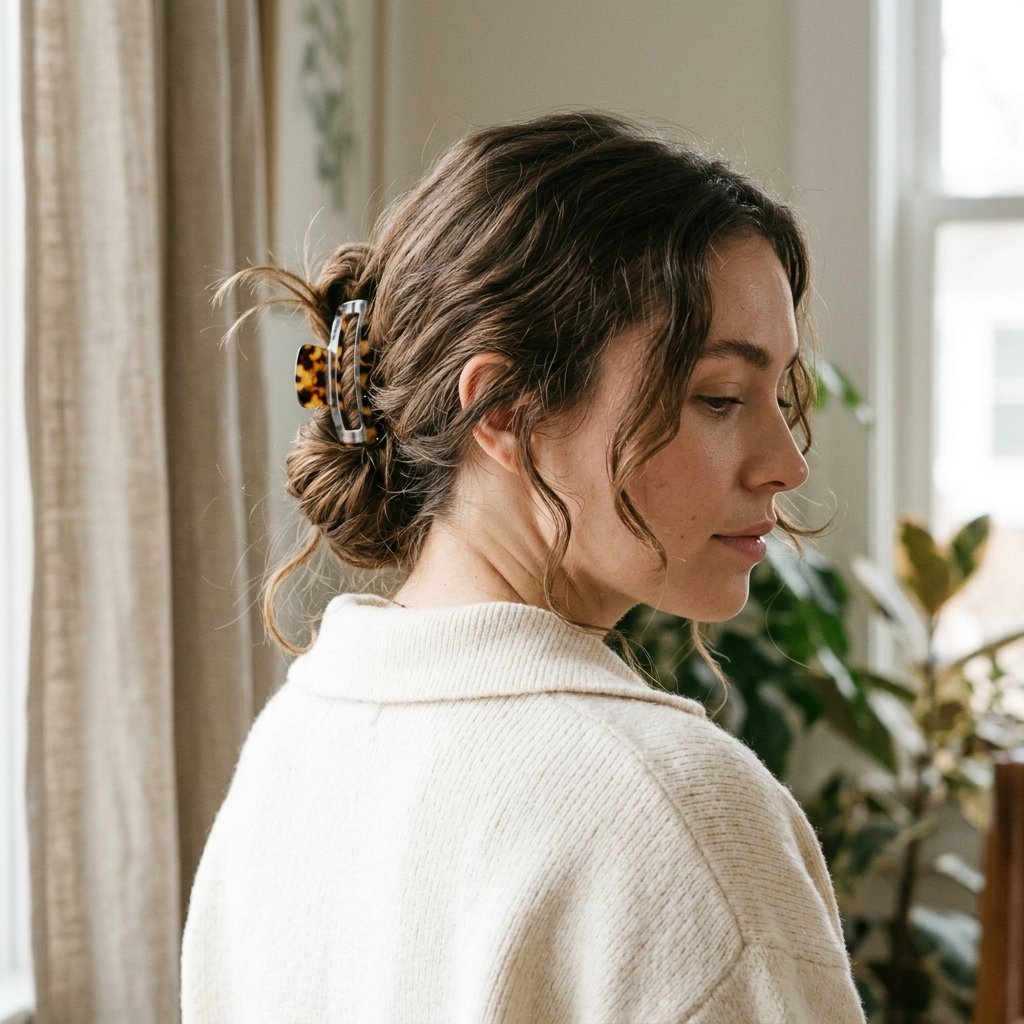
A claw clip is one of the kindest accessories for a sensitive scalp. It holds hair without squeezing every strand. Just choose a medium clip with smooth teeth and a strong but gentle spring.
Gather hair low at the nape. Twist it upward loosely. Fold the twist and clip it. Let a few pieces fall around your face. If the clip feels tight, size up or switch to a softer material.
- Never use a clip that feels tight.
- Take it out if you feel pressure points.
- Choose resin or matte plastic over heavy metal.
It is a quiet luxury bob’s best friend while growing out. It is also a lifesaver on busy mornings.
Silk Scrunchie Bun
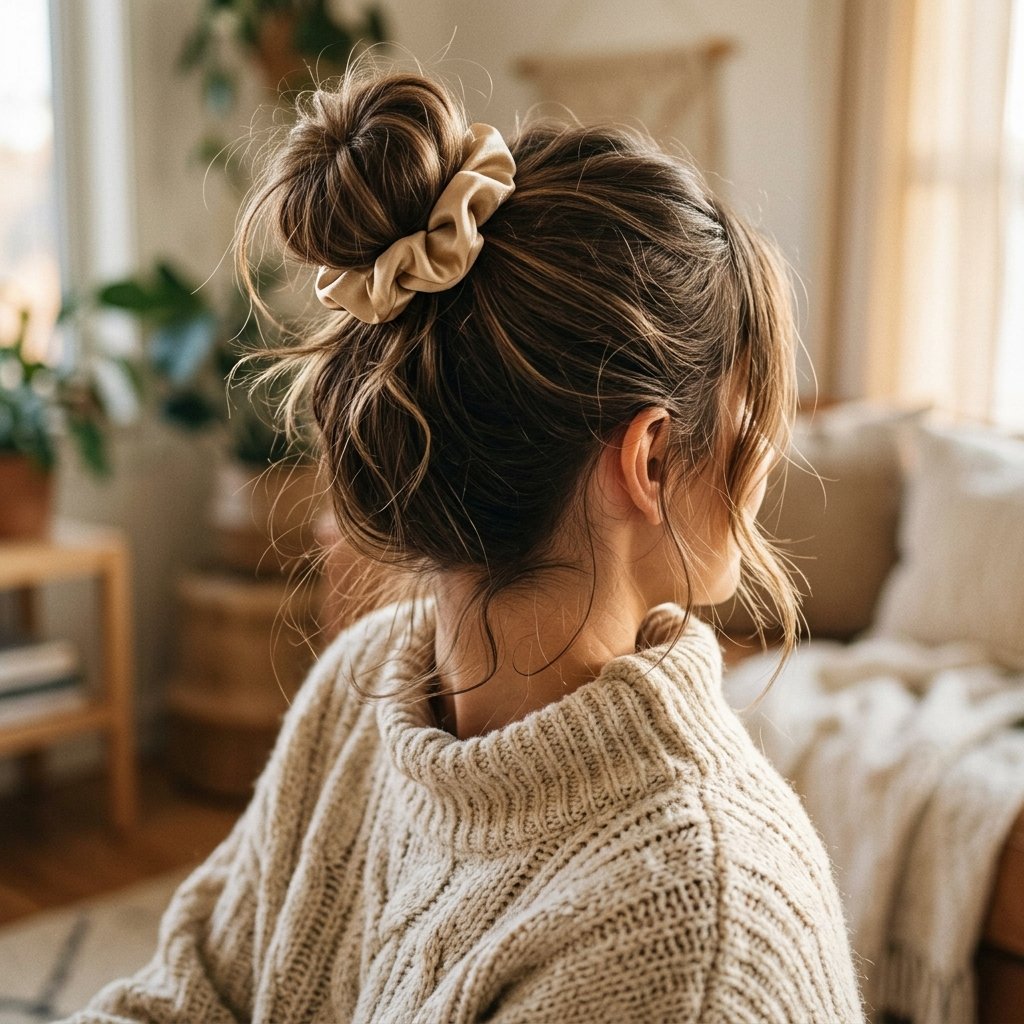
A bun does not have to be tight. A silk scrunchie bun sits softly at the mid-crown or nape. It protects ends and avoids metal elastics that can snag and pull.
Flip your head forward, gather hair loosely, and twist once. Wrap the scrunchie around without pulling hard. Pin only the ends if needed with a small U-pin. Keep the base loose so your scalp can breathe.
- Keep the bun low or mid-height.
- Leave tendrils out.
- Redo it if your scalp hurts.
This is my go-to for wash day and lazy Sundays. It looks effortless but still put together.
Diffused Curls and Waves

If you have curls, diffusing is your friend. It lifts roots without tugging. The goal is support, not stretch. You want bounce and comfort at the same time.
Apply curl cream to damp hair. Scrunch upward gently. Then hover the diffuser around your roots. Do not press it hard into your scalp. Keep the heat low and the speed gentle.
- Dry roots on low speed and low heat.
- Flip side to side for volume.
- Finish with a light oil on ends only.
You get definition and a happy scalp. This method works for coils, waves, and soft natural texture.
Headband Without Pressure

Headbands can be cute or cruel. The wrong one presses behind your ears and leaves an ache. Choose soft fabric, satin, or stretchy knits instead of hard plastic.
Place the band so it sits on top of your hair, not digging into your scalp. If it leaves a mark, it is too tight. Take it off after a few hours and let your hairline rest.
- Avoid plastic teeth and heavy metal ends.
- Try a wide soft band for a retro look.
- Keep the rest of your hair loose.
This tiny swap makes 2026 hairstyles feel comfortable. It also protects your edges and hairline.
Accessories That Feel Weightless

Heavy accessories are often the hidden cause of scalp pain. Swap them for lightweight pieces that still look intentional. You do not need a lot, just the right few.
- Silk scrunchies instead of thick elastics.
- Small alligator clips instead of heavy jaw clips.
- Spin pins instead of bobby pins.
- Satin ribbons instead of tight headbands.
- Hair forks with smooth, rounded prongs.
Test each accessory for five minutes. If you feel it, it is too heavy. Your scalp should forget it is there. That is the real test of a good hair accessory.
Wash-Day Styles for Tender Scalps
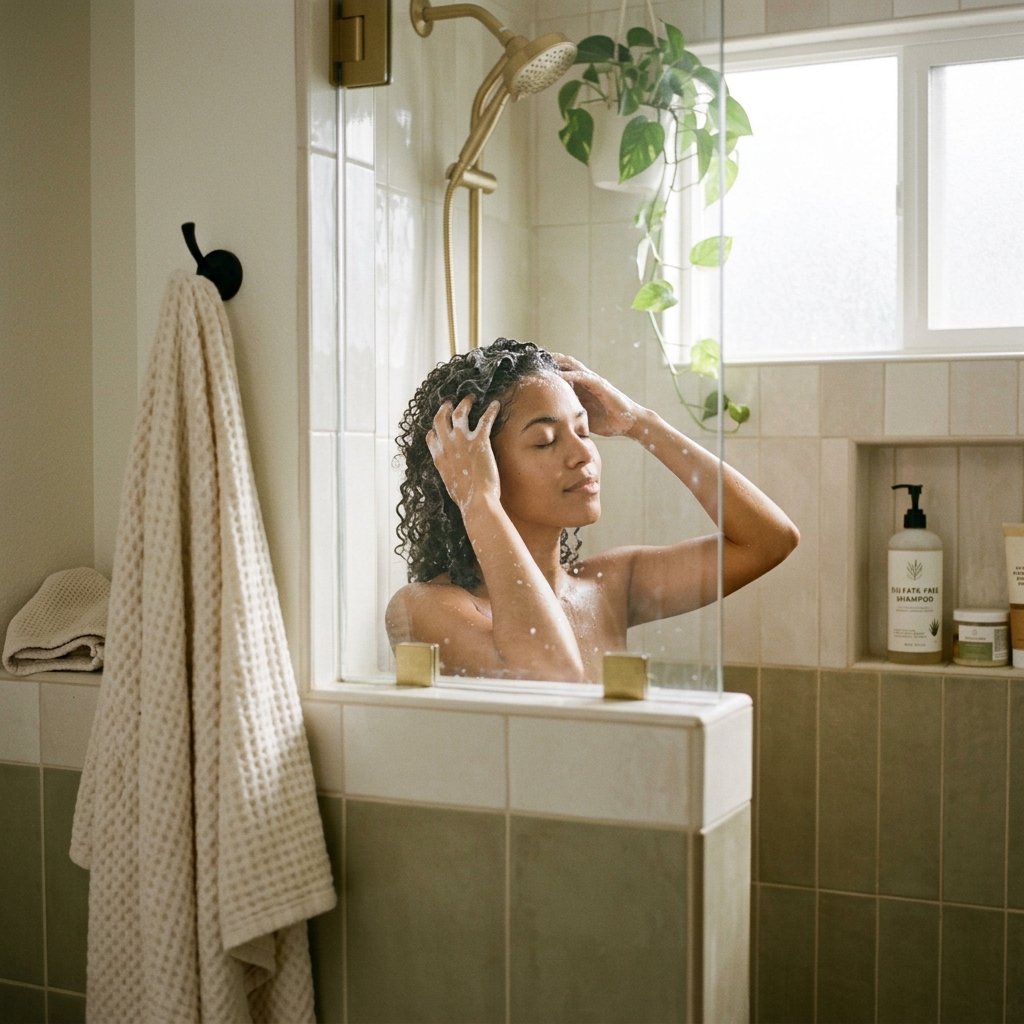
Wash day should calm your scalp, not irritate it. Use lukewarm water and a sulfate-free shampoo. Massage with your fingertips, not your nails. Be gentle around any sore spots.
Condition only the mid-lengths and ends. Rinse well. Wrap hair in a soft microfiber towel or cotton T-shirt. Do not rub. Rough drying can make your scalp feel raw and your hair frizzy.
- Detangle with a wide-tooth comb in the shower.
- Apply leave-in to damp ends.
- Air-dry or diffuse on low.
Then wear a loose style for the rest of the day. Let your scalp enjoy the break.
Sleep Styles That Protect
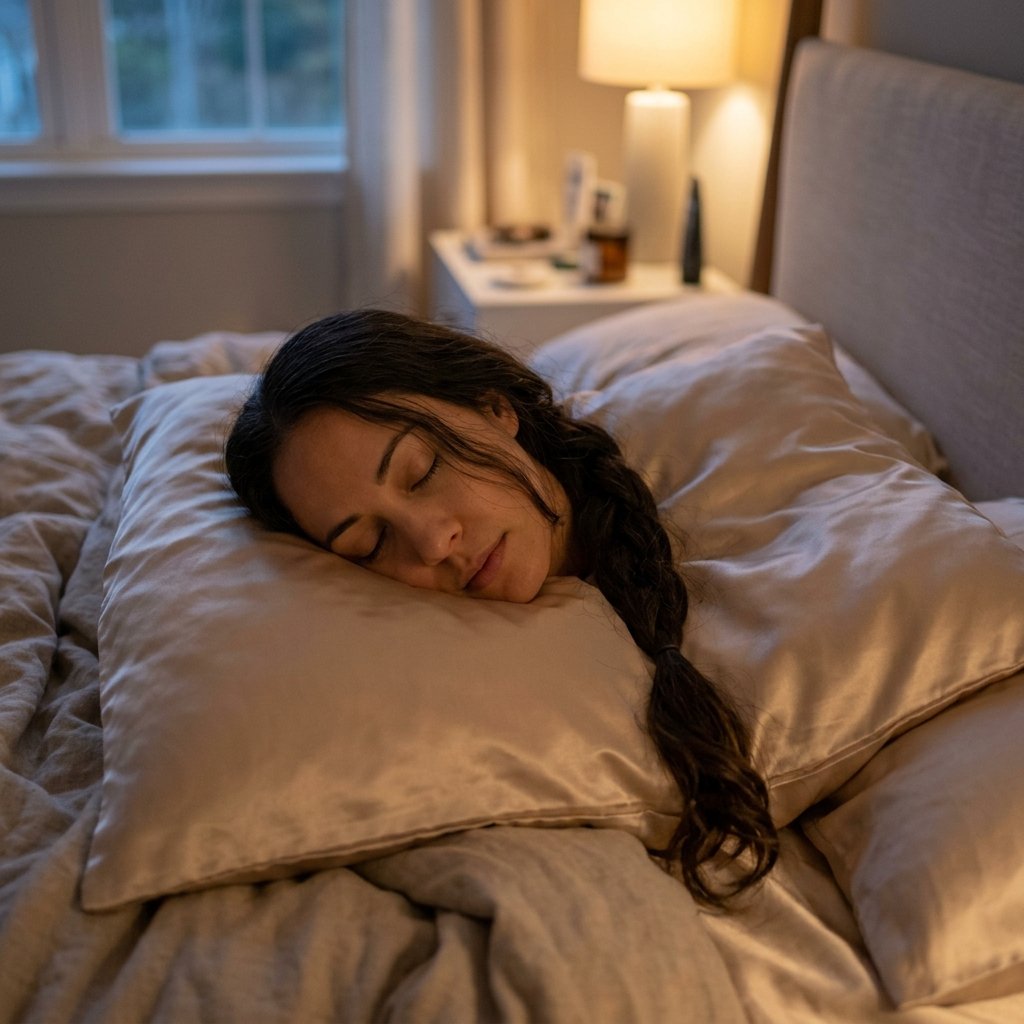
Nighttime is when tight styles cause the most damage. Never sleep in a tight ponytail, bun, or clips. Your scalp needs to rest. Your hairline needs to recover too.
Try a loose braid, a silk scrunchie pineapple, or just loose hair on a silk pillowcase. Silk reduces friction and keeps hair from wrapping around your neck. It also helps prevent breakage.
- Remove all pins before bed.
- Use a satin bonnet if you like.
- Keep the braid loose at the roots.
You will wake up with less pain and fewer tangles. Your morning styling will be easier too.
How to Test a Style in 5 Minutes
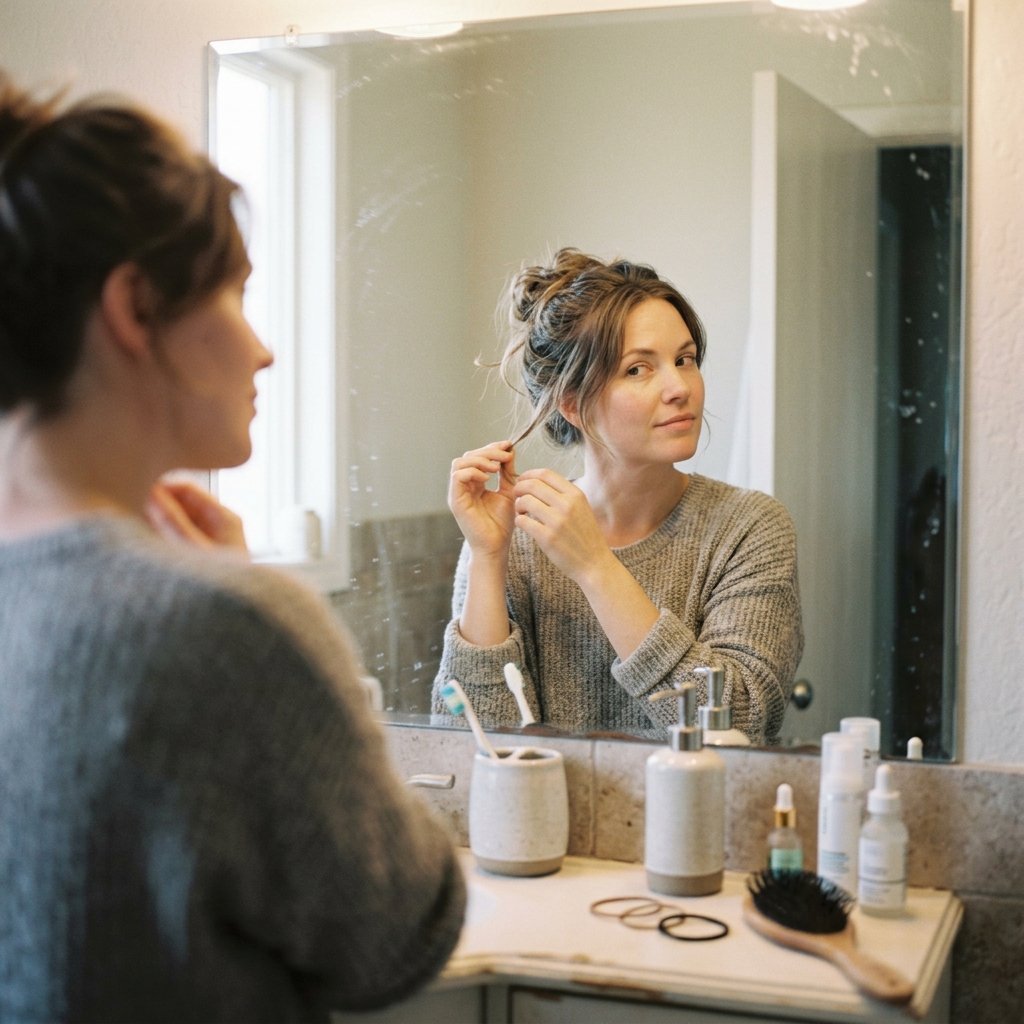
Before you commit to a style, test it. Your scalp will tell you the truth fast. You do not want to leave the house and regret a tight updo by lunch.
- Style your hair loosely.
- Wait five minutes.
- Press two fingers under the tightest spot.
- Turn your head side to side.
- If you feel pulling, redo it.
You can also check for redness or bumps near the hairline. A style that hurts at 9 a.m. will be unbearable by 3 p.m. Trust the test, not the trend.
Quick Fixes for Pulling
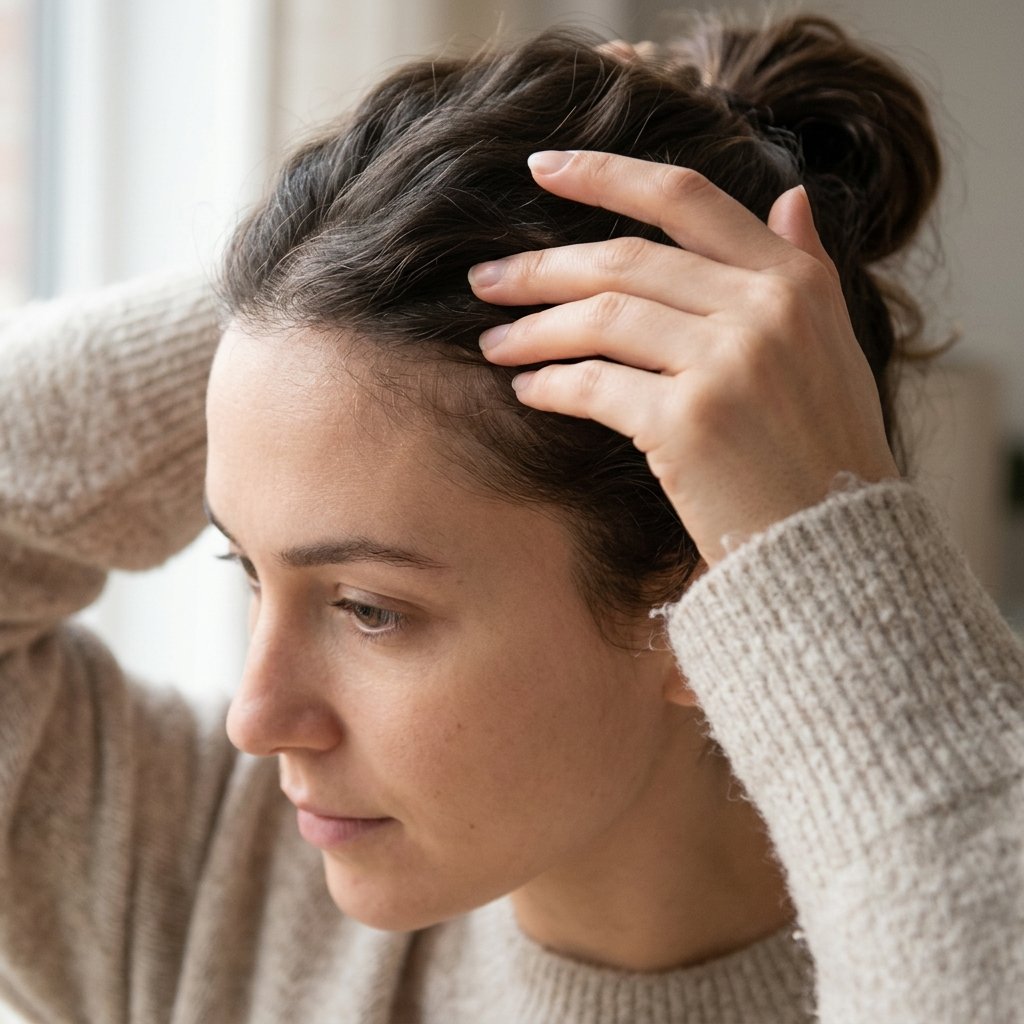
If a style starts to pull, fix it before the ache grows. You do not need to start over. Small adjustments can save your scalp and your look.
- Slide a finger under the tight section and lift.
- Mist the roots with water and re-place them.
- Swap a tight elastic for a silk scrunchie.
- Remove one bobby pin at a time.
- Take the whole style down if needed.
Your scalp health matters more than a perfect selfie. A loose style always looks better than a pained face. Be kind to yourself in the mirror.
Products That Help
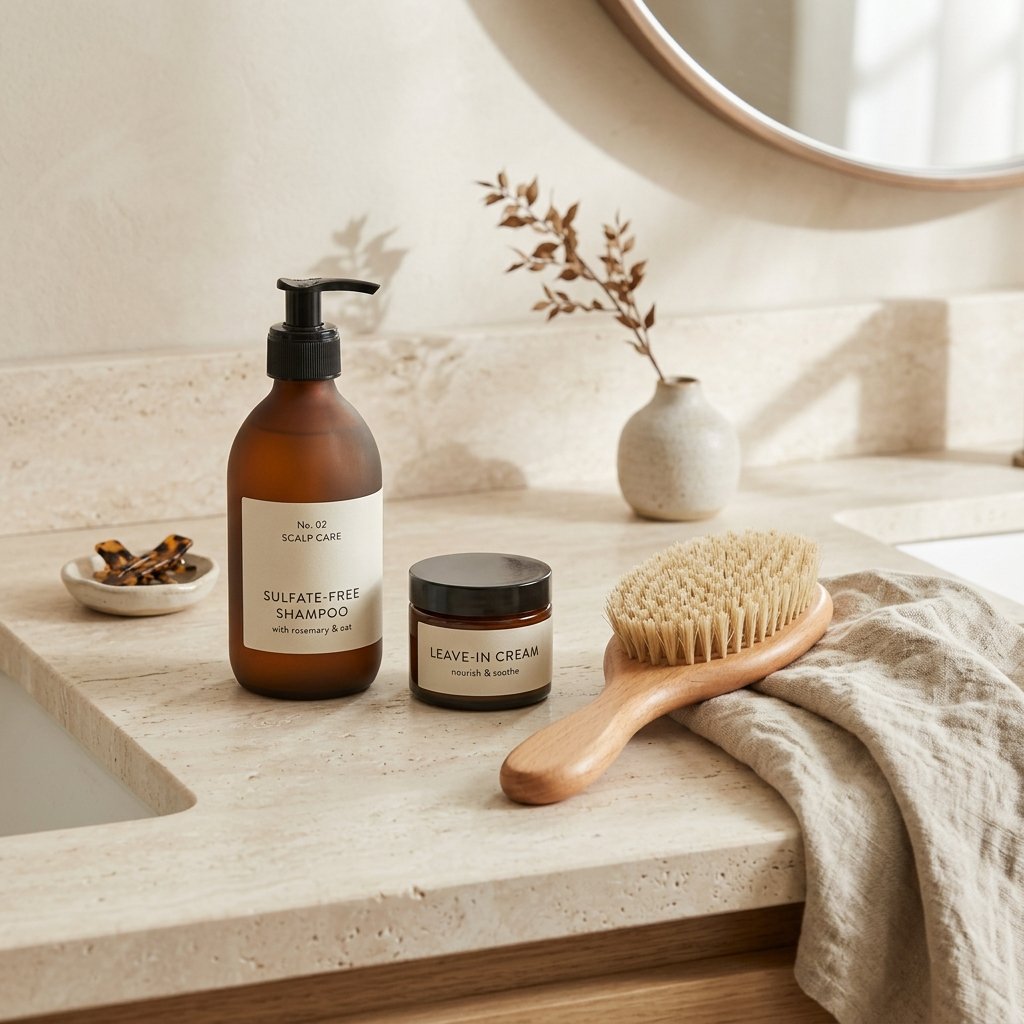
You do not need a cabinet full of products. A few gentle ones make a big difference. Look for simple formulas that soothe instead of strip.
- Sulfate-free shampoo for sensitive skin.
- Leave-in conditioner for detangling.
- Lightweight mousse for volume without stiffness.
- Scalp serum with aloe or oat.
- Wide-tooth comb and soft-tip brush.
Avoid heavy gels, strong hold sprays, and anything with a sharp alcohol smell. Patch test new products first. Your scalp will thank you for the slow approach.
Styling Tools to Use Gently
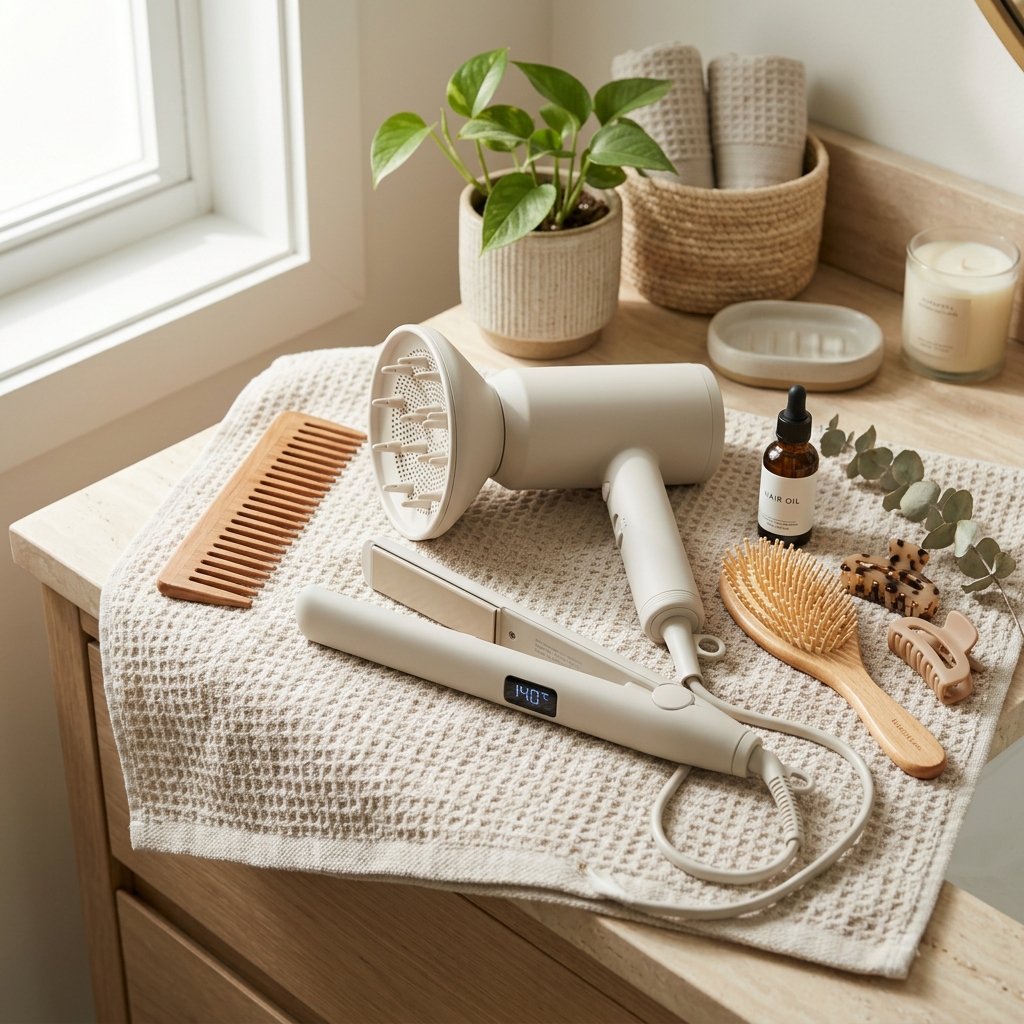
Tools matter as much as technique. High heat and rough brushes can make your scalp feel worse. Choose tools that glide instead of drag.
- Use a diffuser on low speed.
- Keep flat irons on low to medium heat.
- Choose a round brush with soft bristles.
- Replace metal combs with seamless ones.
- Use a heat protectant every time.
Never press a hot tool against your roots. Let the tool glide, not pull. Gentle styling keeps your hair looking healthy and your scalp calm. It also makes your style last longer.
2026 Hairstyles Worth Trying
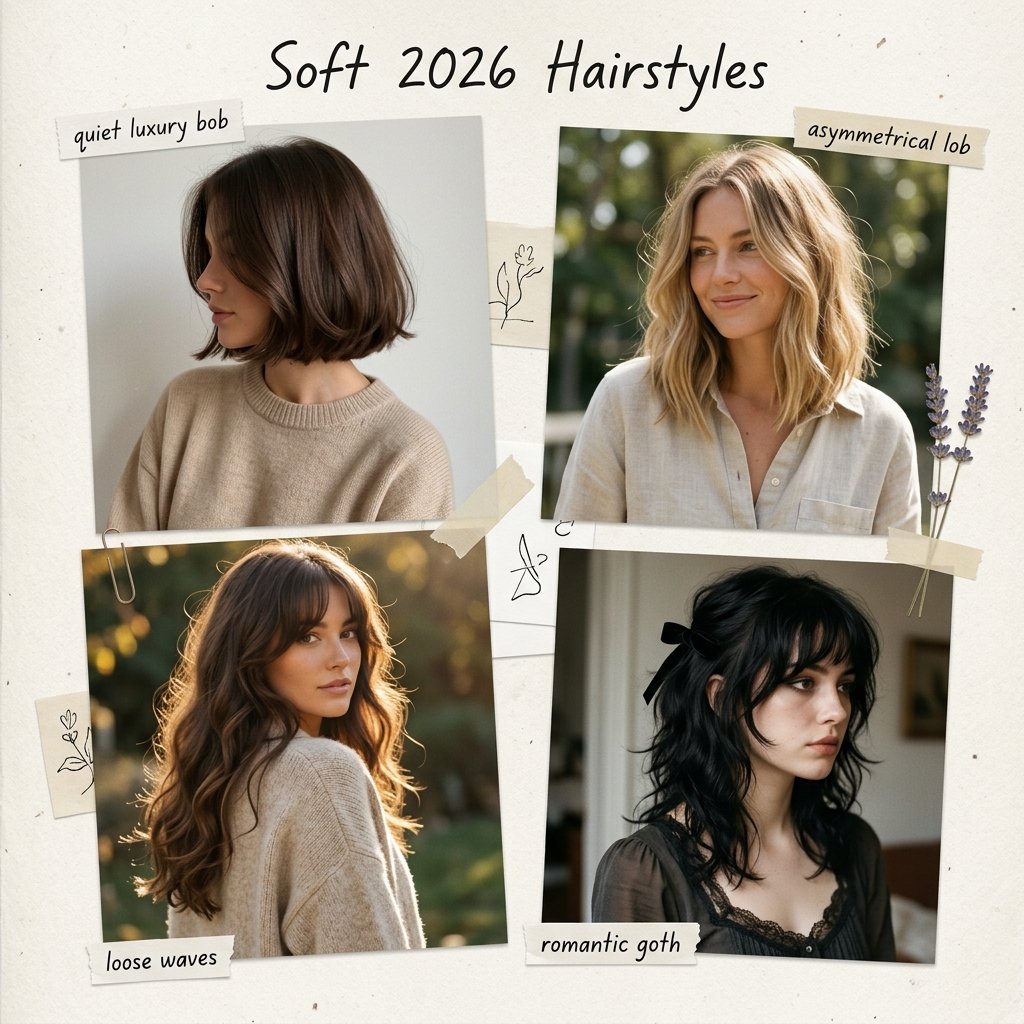
Here are the 2026 hairstyles that work beautifully for sensitive scalps. They all skip tight pulling and heavy accessories. You can mix and match based on your hair length and mood.
- Quiet luxury bob with a soft, natural part.
- Asymmetrical lob with loose ends.
- Old money hair with brushed waves.
- Romantic goth hairstyles with ribbons and loose texture.
- Glitchy glam hair with temporary color on the ends.
- Vampire haircut with long face-framing layers.
- Hime cut with soft side locks.
Pick one that matches your hair texture and daily routine. Comfort always wins.
When to See a Pro
If your scalp burns, flakes, bleeds, or hurts for days, see a doctor or dermatologist. A hairstyle should never cause real pain. There may be an underlying issue that needs care.
For cut advice, find a stylist who understands sensitive scalps. Tell them you cannot do tight braids, heavy extensions, or glued styles. Ask for a shape that works loose and grows out well.
- Bring photos of gentle styles.
- Speak up during the appointment.
- Leave if anything feels too tight.
You deserve hair that feels as good as it looks. The right pro will respect that.
A Warm Goodbye
Your scalp is part of your hair story, and it deserves comfort. You can wear a quiet luxury bob, an asymmetrical lob, old money hair, romantic goth hairstyles, glitchy glam hair, a vampire haircut, or a hime cut without tight pulling. The secret is loose roots, light accessories, and listening to your body.
Start with one small change today. Swap the tight elastic for a silk scrunchie. Let your part fall naturally. Take the clip out when it starts to ache. Your hair will still look beautiful, and you will feel better.
Save this post to Pinterest so you can find these gentle styles later. Then tell me in the comments: what is your biggest sensitive-scalp struggle, and which style are you excited to try first? I read every note.

